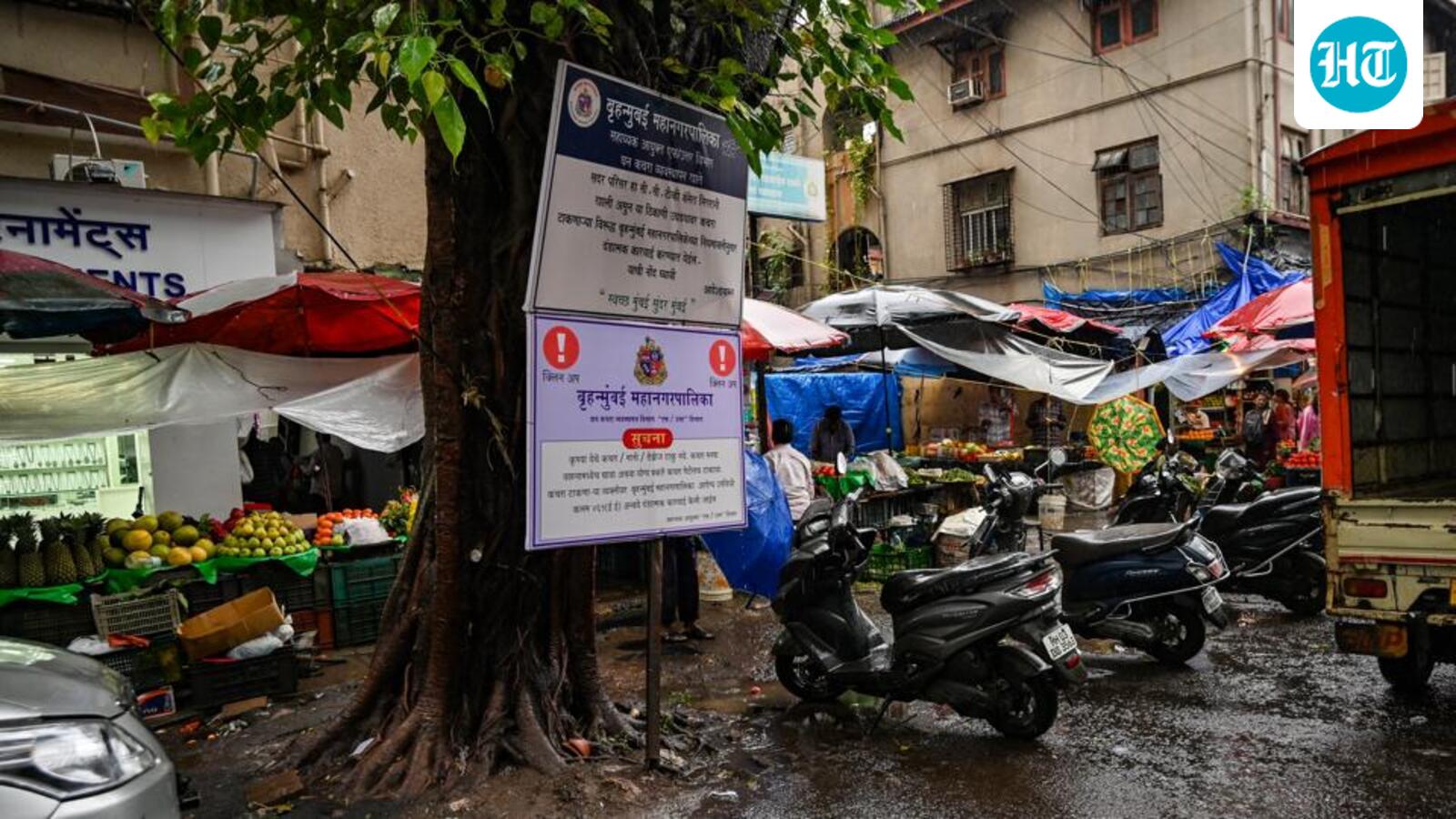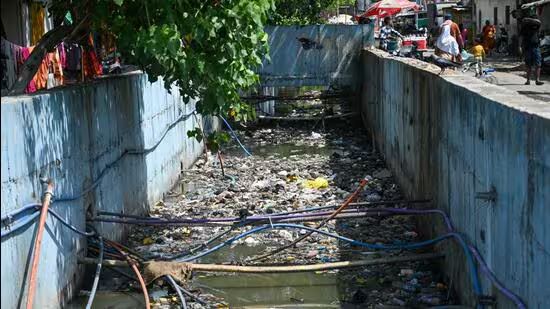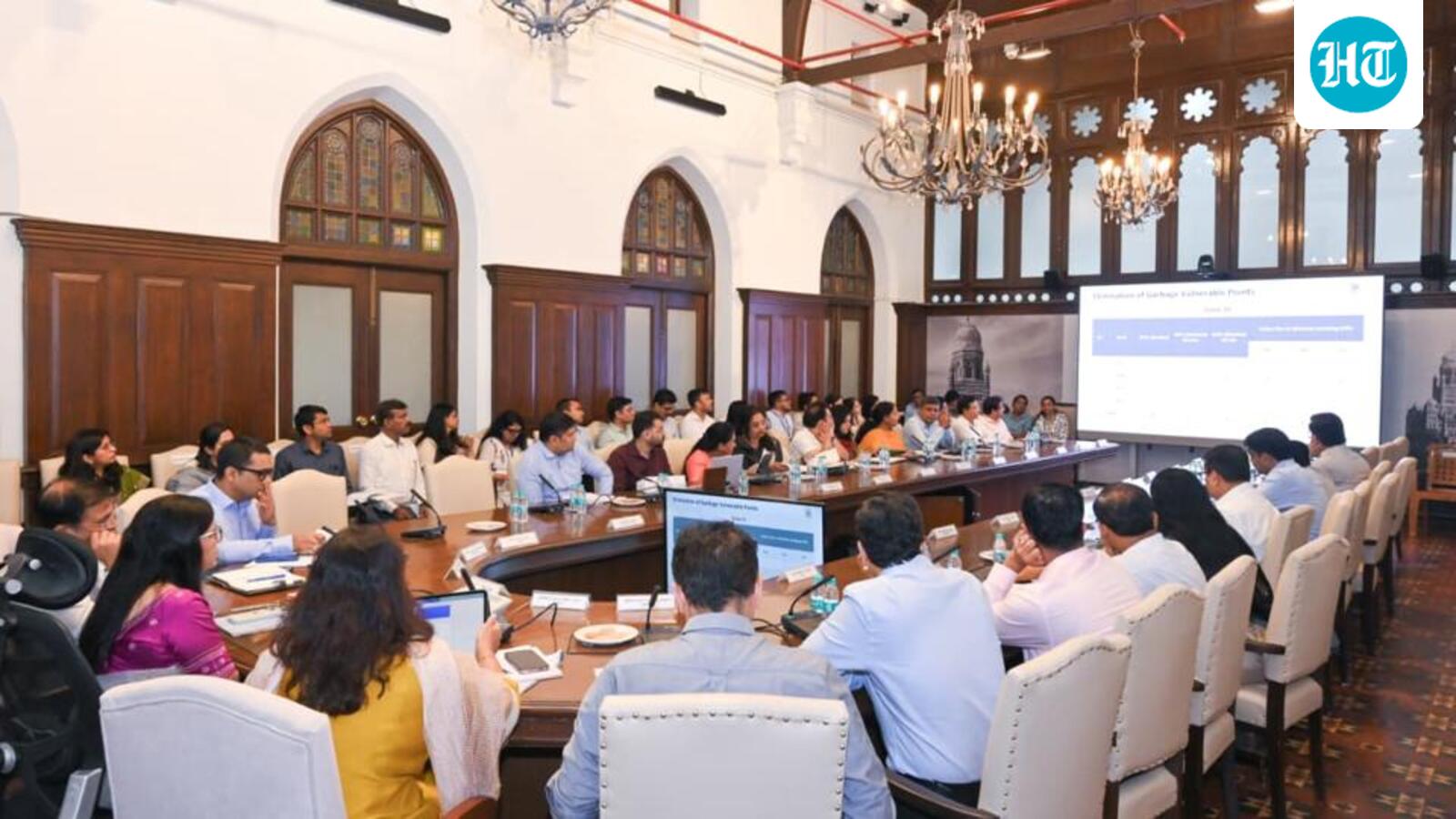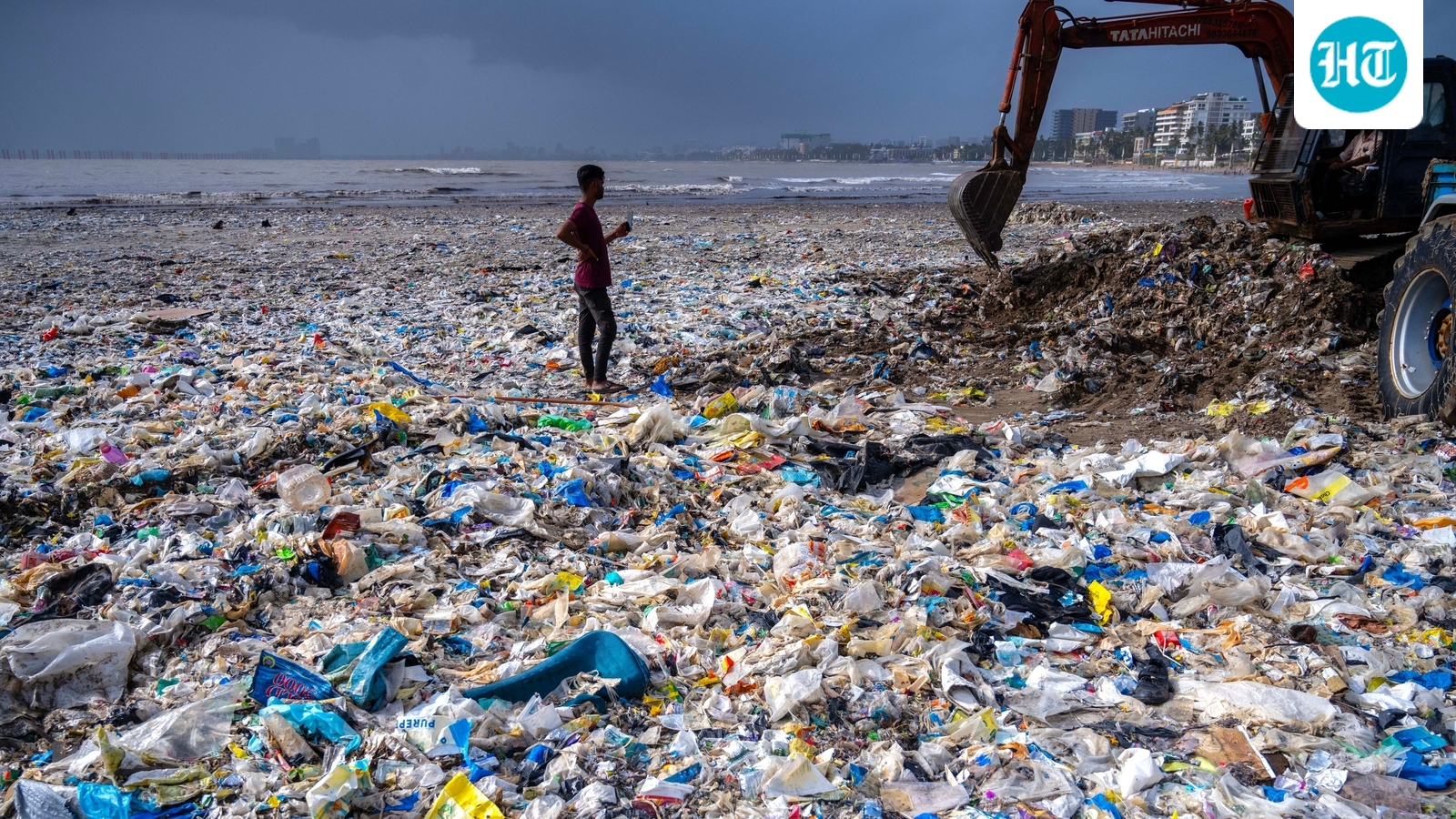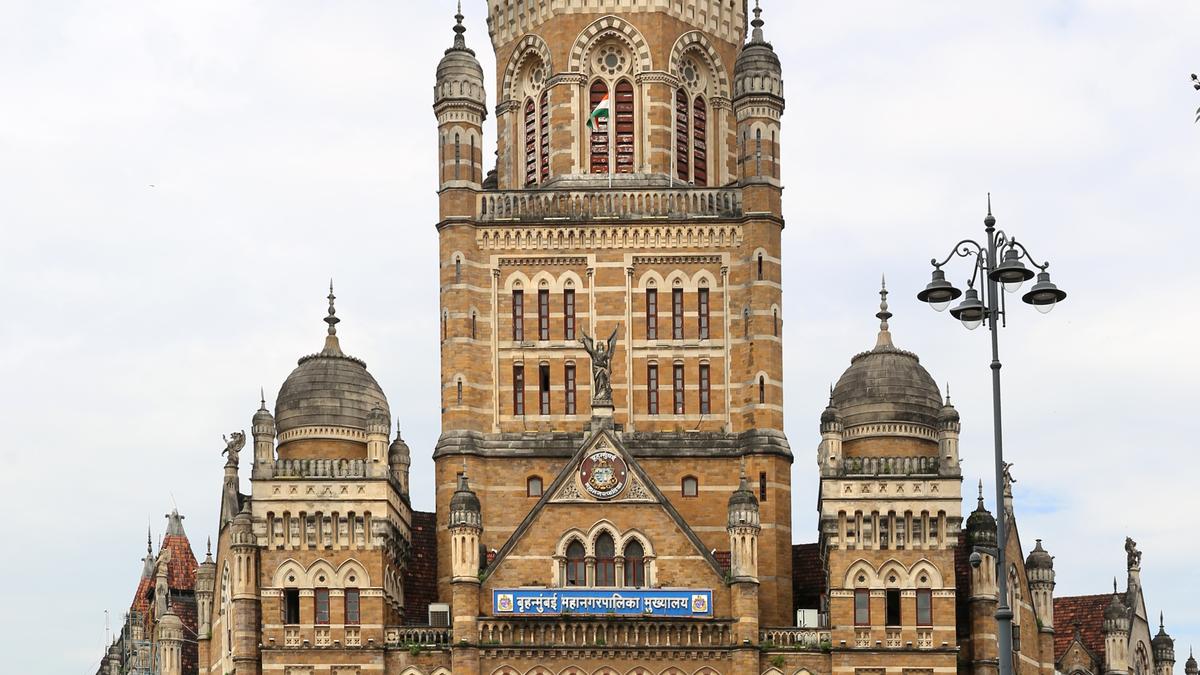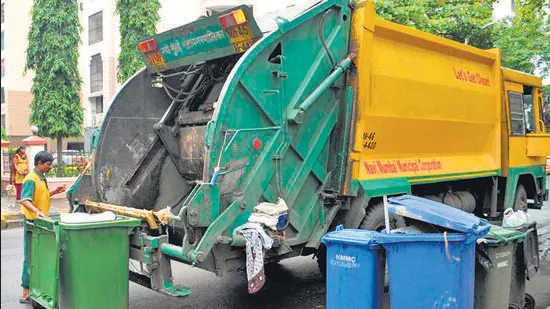
MUMBAI: Mumbai has made gains in solid waste management in the last decade as well as grievance redressal, but continues to struggle with environmental degradation, pollution and climate accountability, according to Praja Foundation’s ‘Status of Civic Services, Environmental and Climate Issues in Mumbai 2026’ report released on Tuesday in collaboration with the Brihanmumbai Municipal Corporation (BMC).NAVI MUMBAI, INDIA - JUNE 15, 2018 : The municipal corporation is coming up with measures to manage solid waste and keep the city clean on Thursday June 15, 2018 in Mumbai, India.The study found that citizen complaints have continued to rise, clocking a 59% increase in complaints from 81,555 in 2016 to 130,066 in 2025.Pollution-related complaints saw the sharpest rise of 531%, followed by solid waste management complaints, which increased by 281%. Water supply complaints rose by 96%, while stormwater drainage complaints increased by 88% during the same period.However, the report noted that rising complaints also reflect greater public awareness, wider use of digital grievance platforms and increasing expectations from civic authorities.Despite the increase in complaints, the BMC improved its response time. Between 2017 and 2025, the average complaint resolution period shrunk from 48 days to 30 days, while overall complaint closure improved from 86% in 2023 to 92% in 2025. In the solid waste management department, average resolution time dropped sharply from 40 days in 2021 to just eight days in 2025.The report also recorded improvements in waste management, in door-to-door garbage collection, waste segregation and scientific waste disposal. However, decentralised waste management remains weak. Of the city’s 2,749 bulk waste generator housing societies, only 347, or 13%, process waste at source. The city also continues to transport around 6,300 metric tonnes of waste to landfills every day despite waste reduction targets.The report also found that Mumbai continues to fall short of national cleanliness standards. Although the city applied for a three-star Garbage Free City certification under Swachh Survekshan 2024-25, it failed to secure even a one-star rating.The report flagged serious environmental concerns as well. Water quality remains poor, with biological oxygen demand levels averaging 17mg/litre against the prescribed standard of below 3mg/litre. Faecal coliform levels in the Mithi River were recorded at 9,200 MPN per 100 ml, far exceeding the acceptable limit of below 100 MPN per 100 ml.It also highlighted polluted rivers and beaches, inadequate sewage treatment, non-compliance of several sewage treatment plants with pollution standards, insufficient monitoring of key indicators under the Mumbai Climate Action Plan (MCAP), and the absence of annual public reporting on climate targets.Milind Mhaske, CEO of Praja Foundation, stressed that citizen participation should extend beyond voting through reporting civic issues, engaging with local representatives and using public data to hold institutions accountable.With an annual budget of over ₹80,863 crore and a workforce exceeding 87,000 employees, the report said the BMC has the institutional capacity to improve governance. It recommended measurable service delivery targets, ward-level accountability, stronger climate budgeting, greater public disclosure of performance, an open civic dashboard and institutionalising a city-wide citizen participation forum to strengthen transparent and responsive urban governance.
BMC scores on grievance redressal, waste disposal: Praja
The study found that citizen complaints have continued to rise, clocking a 59% increase in complaints from 81,555 in 2016 to 130,066 in 2025 | Mumbai news
505 words~2 min read