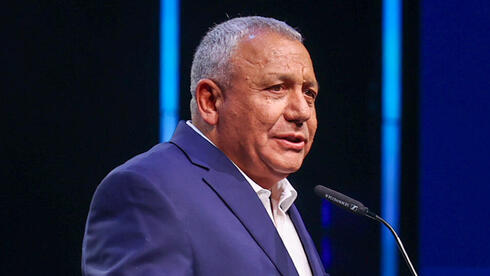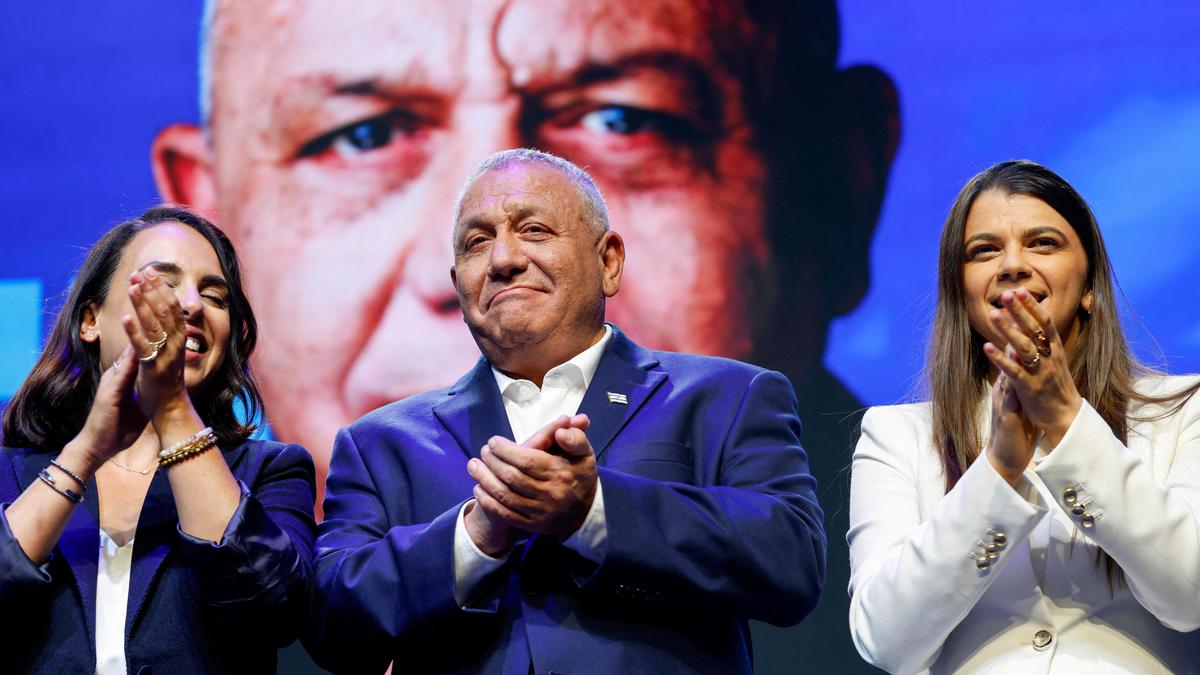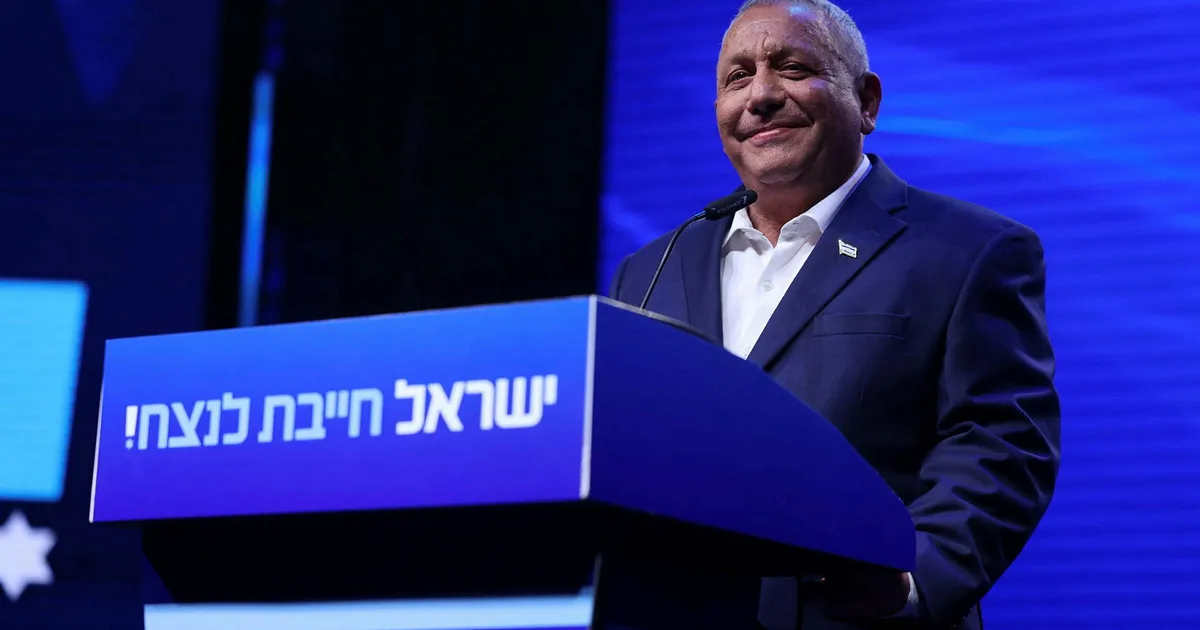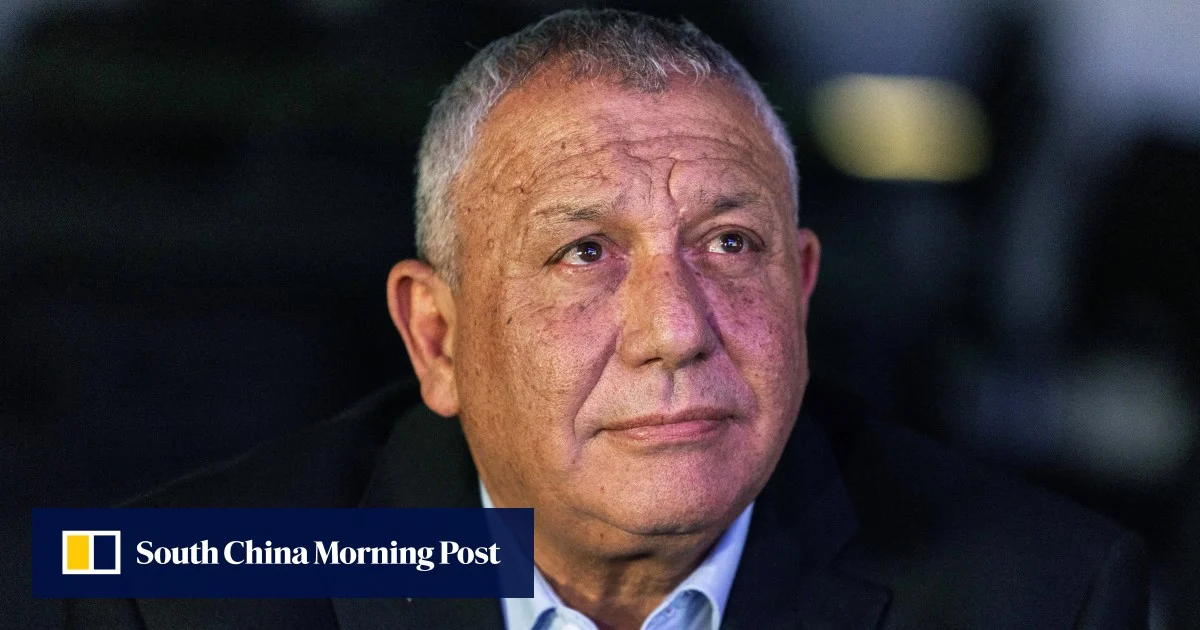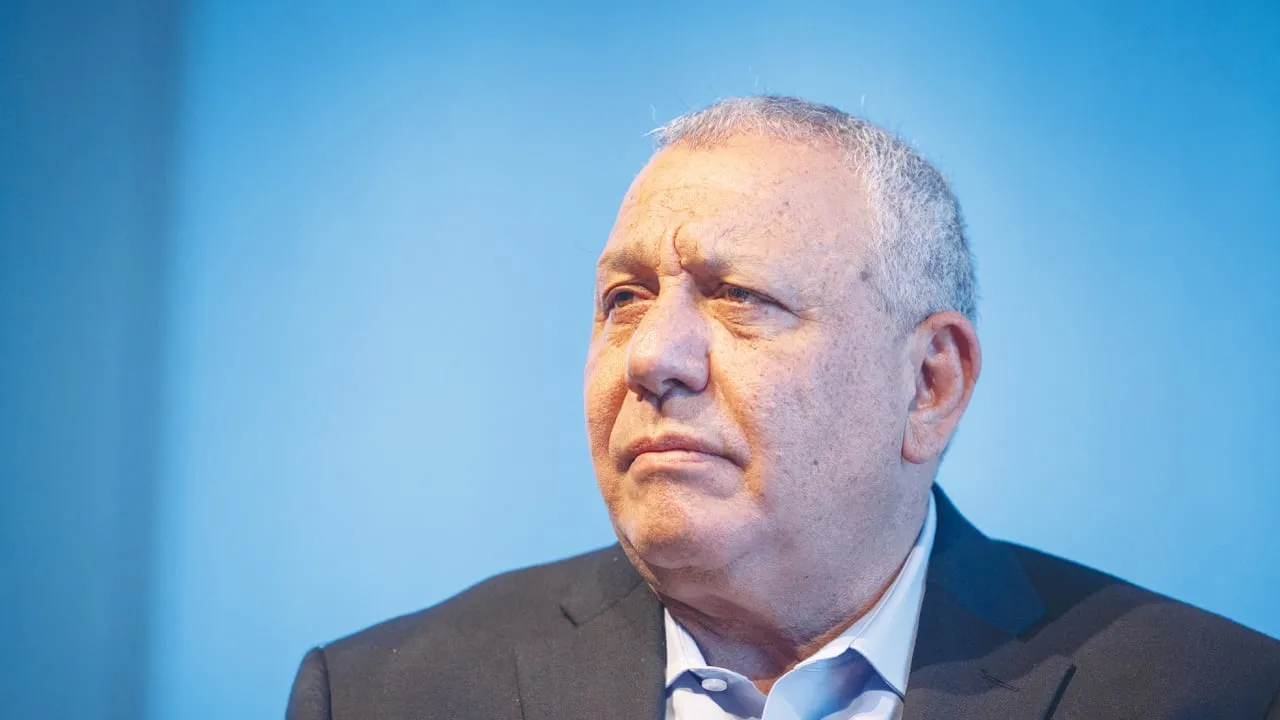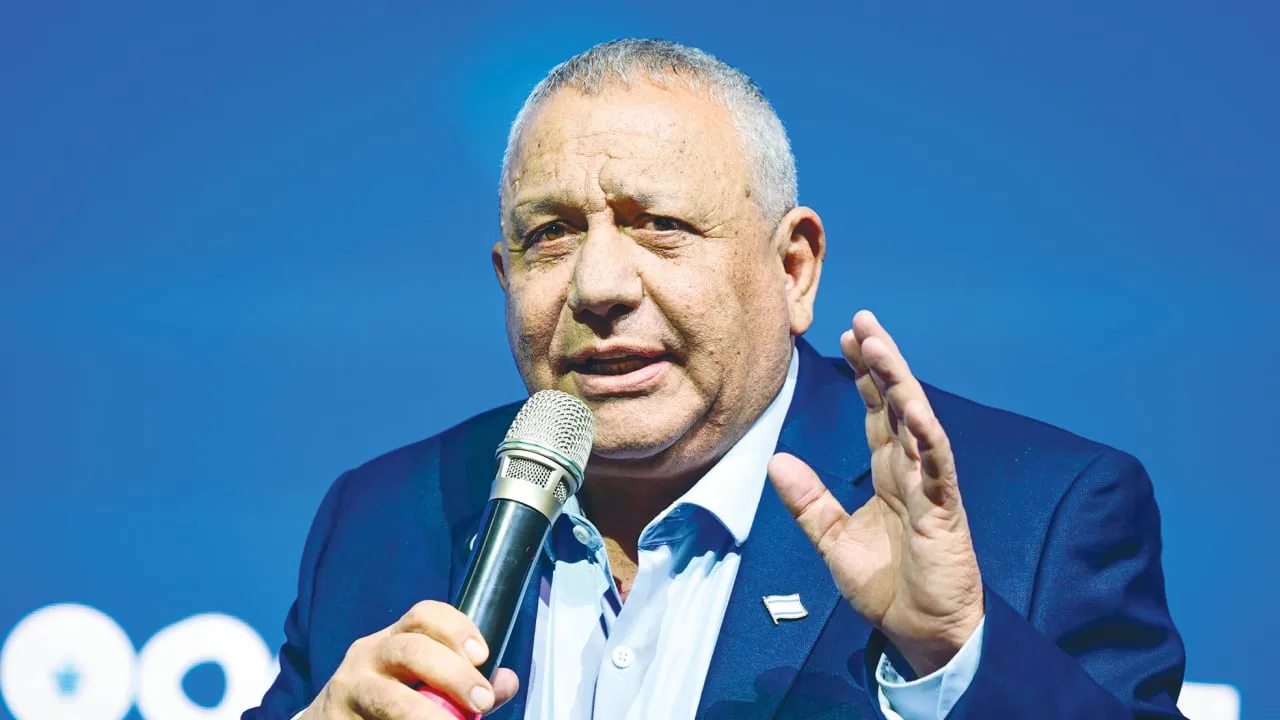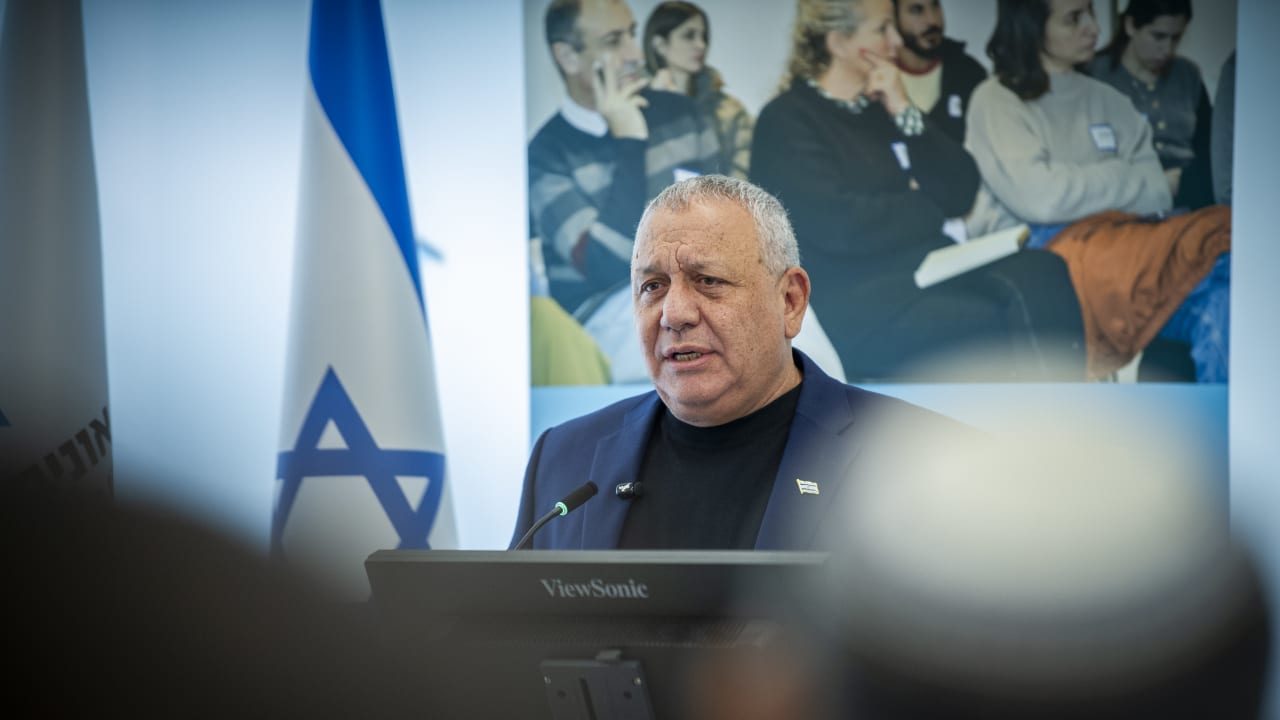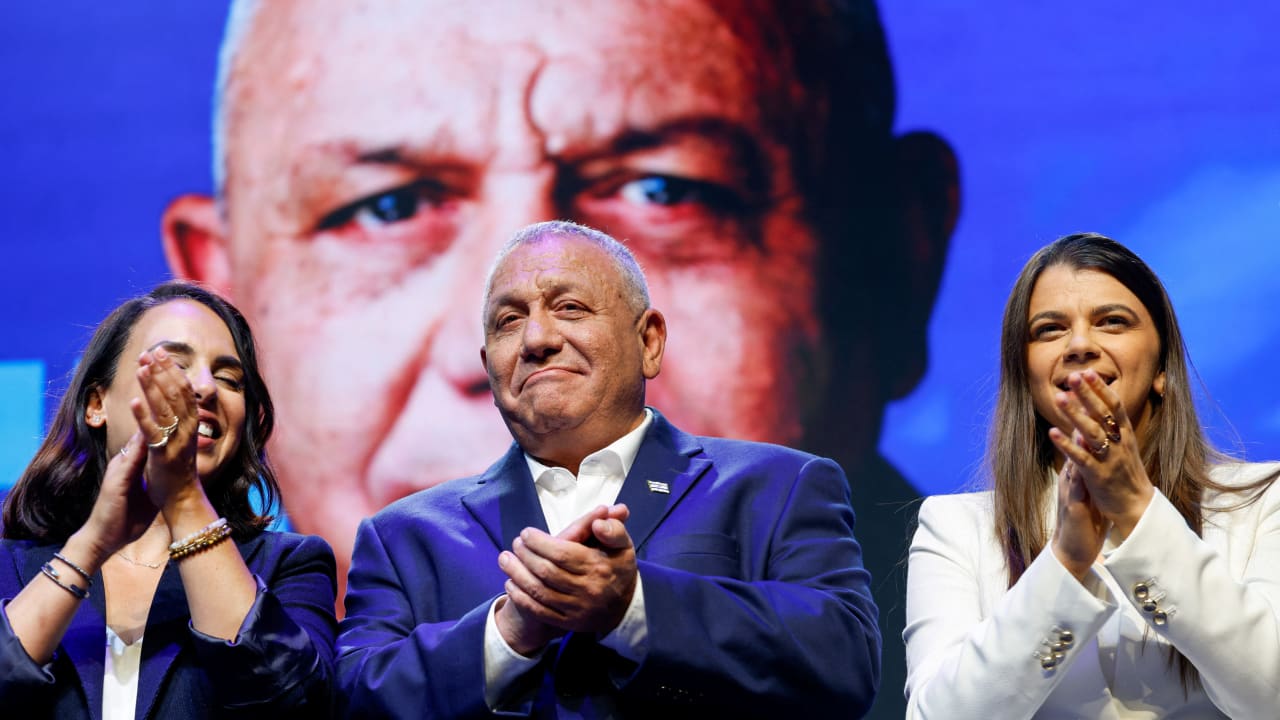
ByANNA BARSKYJULY 1, 2026 01:18Updated: JULY 1, 2026 01:32Gadi Eisenkot, the head of Yashar!, officially launched the party's election campaign on Tuesday with an event at the D-ONE hall of the South Sharon Regional Council."I'm going to govern for all Israelis," Eisenkot said at the event, which aimed to show the newly formed party as a political force that is mature, organized, and ready to compete for power."These are fateful elections for the security, unity and soul of Israel. It is in our power to make things different here," he continued, and added that the current leadership of the country "promotes moves that contradict the national interest, and are slapping the faces of the Israelis who work, serve and are prepared to sacrifice their lives for this house.""This is a leadership to which the words responsibility and personal example are foreign," he said.Eisenkot also referred to the two previous Jewish nations that existed in Israel, which "fell in their eighth decade," and said, "Once again we are standing at a fateful point, which few nations are forced to face. This time, it's up to us. Will we turn a blind eye to the disaster that has befallen us? Will we accept the continued division and rush to the next disaster? Or will we heal and rebuild!""Today I would like to address everyone who cares. To everyone who was disappointed by the leadership. To everyone who believes that it is possible otherwise," he remarked, ending his speech by saying, "For the sake of Israel, we must ensure that this coming October, the terrible October government ends its part in history!"Showing professionalism, being ready to governThe party's main objective was to show the team that will lead their list in the next elections, and to present itself as a "political framework with a professional team and an orderly government approach in the areas of security, the economy, education, public service and society."The main announcement of the evening was that social activist Alex Rif, who leads the One Million Lobby, would be joining the party as the coordinator for the plans for immigration absorption.Former Shin Bet chief Yoram Cohen said that one of the pillars that the party will address is security: "The Yashar! strategy for internal security and governance is based on the perception that internal security is a central component of national security, requiring a transition from a reactive policy to a proactive policy."Inbar Harush Gity, one of the founders of Yashar!, said that the party will push for a "National Service Law" in order to integrate the haredi (ultra-Orthodox) Jews in the army."We will provide a response to the urgent security need and to the realization of the ethical and moral obligation of all parts of Israeli society. We will expand the ranks of the army, strengthen the IDF's designation as the people's army, and ensure its goals: to defend the state, ensure its existence, and win in any war," she said."We will rebuild the system of recognition and civil benefits in the State of Israel so that IDF servicemen, and primarily combatants, will receive priority in rights," she explained.In education, Matan Kahana, former minister under the Naftali Bennett and Yair Lapid government, said that the party aims to form the next generation of Israeli adults with "national identity and deep roots in Judaism and Israel's heritage, alongside a broad democratic and civic worldview that sees the Declaration of Independence as a moral and social compass.""A graduate of the education system will be equipped with resilience and skills adapted to the dynamic reality. He will have mastery of artificial intelligence, with scientific and technological literacy and the ability to learn independently," he added.Economic strategy, addressing war damagesThe party's main economist, Shaul Meridor, presented the economic strategy of Yashar! during the event, including changing tax laws to "reward those who bear the economic and security burden," repairing damages from the war, and investing in "personal resilience" through education and training. "We will place the working middle class, young people, and service people at the center of economic policy," Meridor said. "A clear criterion has been set: government assistance and support mechanisms, housing benefits, and daycare subsidies will be prioritized for reserve service members and working and productive families - before everyone else."Attorney Inbar Yehezkeli expanded on Meridor's comments, discussing the party's plan for addressing PTSD in IDF soldiers. Plans include incentivizing therapists to expand their practices and giving patients the right to "choose their rehabilitation path.""Every person discharged from the IDF will be entitled to guidance and treatment when necessary, to help prevent the possible development of post-traumatic stress and eliminate the required bureaucratic process, as a continuation of the care received during military service. We will expand the circle of those eligible and ensure the full exercise of rights as part of the support process for affected families," she said.Former Minister Orit Farkash HaCohen introduced a new acclimation system to address all aspects of Israeli life, from language to employment support, incentives for settling in national priority areas, and early childhood education resources. She said Yashar! will also support lone soldiers and their families, adding new immigration policies such as a "hybrid residency" model recognizing partial immigration and easing the return process to Israel."We will expand the support framework for lone soldiers and encourage the immigration of the families whose sons and daughters serve: financial assistance, a supportive community, and a fast-track absorption process for the family joining them.”Benjamin Netanyahu, Gadi Eisenkot, Naftali Bennett. (credit: AVSHALOM SASSONI/FLASH90)The announcement comes at a critical point for Yashar!The timing of the event is not coincidental. Over the past week, a series of polls indicate that Eisenkot is gaining support, even overtaking established parties in some polls to become one of the largest parties in the political system.At the same time, several polls showed Eisenkot leading Prime Minister Benjamin Netanyahu on the question of suitability for the role. In various scenarios involving a merger within the opposition bloc, it was also suggested that a list led by Eisenkot would be stronger than one led by Naftali Bennett.Eisenkot also claimed that he had proposed establishing a “super party” to unite all the forces opposing Netanyahu, but said the proposal was rejected. From his perspective, the division is not inevitable, but rather the result of political decisions.He is now positioning himself as a candidate prepared to unite the opposition without abandoning his own claim to its leadership.Bennett’s camp is also no longer concealing the competition. In recent days, his allies have issued critical statements calling Eisenkot’s political experience into question.The struggle over the leadership of the opposition has therefore moved from private discussions into the public arena, even before the election campaign has formally begun.Eisenkot is simultaneously sharpening his campaign against Netanyahu. His main message combines criticism of the government’s conduct since the Oct. 7 massacre with calls for statesmanlike leadership and the restoration of public trust in state institutions.In recent days, Eisenkot has attacked the prime minister, claiming that Netanyahu speaks about unity while continuing to deepen the public divide. In his speeches, he has repeatedly emphasized the need for a state commission of inquiry, the development of a new security doctrine, and the placing of personal and public responsibility at the center of the national agenda.Eisenkot presents his political teamA central feature of Eisenkot’s campaign is the political team he has assembled around him. In recent months, he has recruited senior figures with experience in security, economics, government, and public service.Kahana brings political and security experience, as well as potential appeal among voters. Hacohen contributes government and economic experience.The list also includes Meridor, who is responsible for developing the party’s economic program, and Cohen, who is leading its domestic security platform.They are joined by additional candidates from the fields of education, social policy, and public service. The party has also emphasized its commitment to ensuring significant representation for women on its electoral list.Through the proposals announced on Tuesday, the party is seeking to expand its campaign beyond security, where Eisenkot enjoys a natural advantage as a former IDF chief of staff, and demonstrate that it has a wider governing agenda.Political figures believe one of Eisenkot’s main objectives is to improve his position ahead of future negotiations over possible party mergers.Follow us on Google
Gadi Eisenkot launches Yashar! election campaign | The Jerusalem Post
Gadi Eisenkot launched Yashar!’s election campaign, presenting plans on security, the economy, education, national service, PTSD care, and immigration as the party rises in polls.
1,379 words~6 min read