Commentary
Economic interdependence was once expected to guarantee peace. It now fuels resentment, says economics professor Danny Quah from the Lee Kuan Yew School of Public Policy.
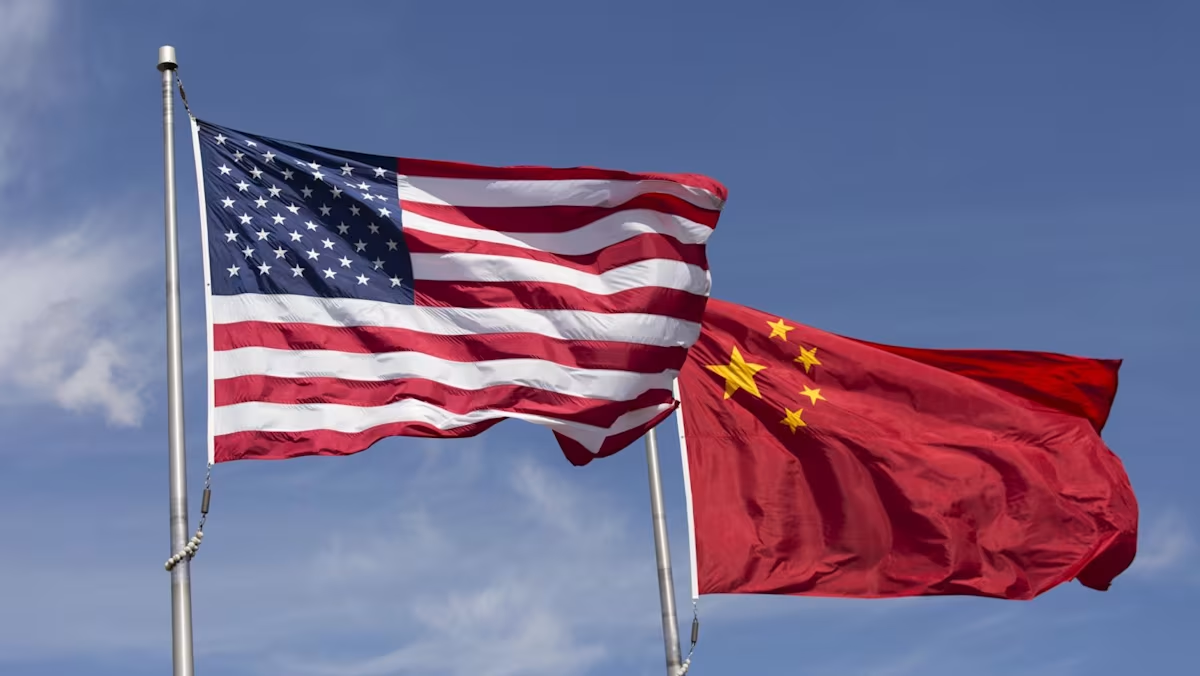
America's experience of the "China shock" illustrates how rivalry does not dissolve, but can intensify. (Photo: IStock)
01 Jul 2026 06:00AM
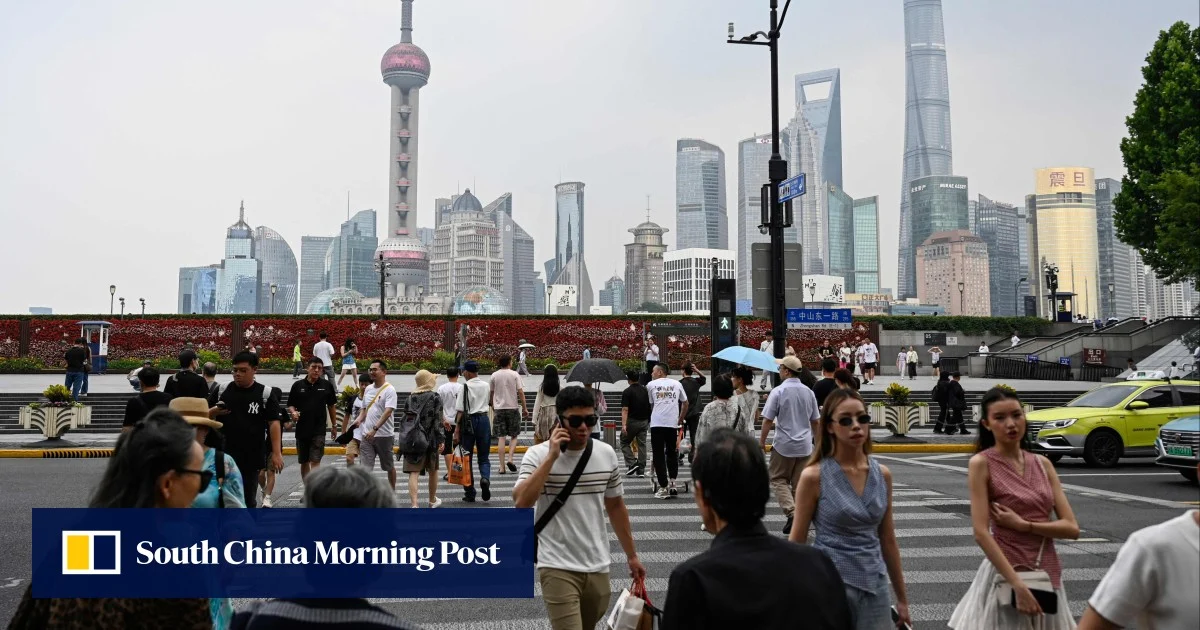
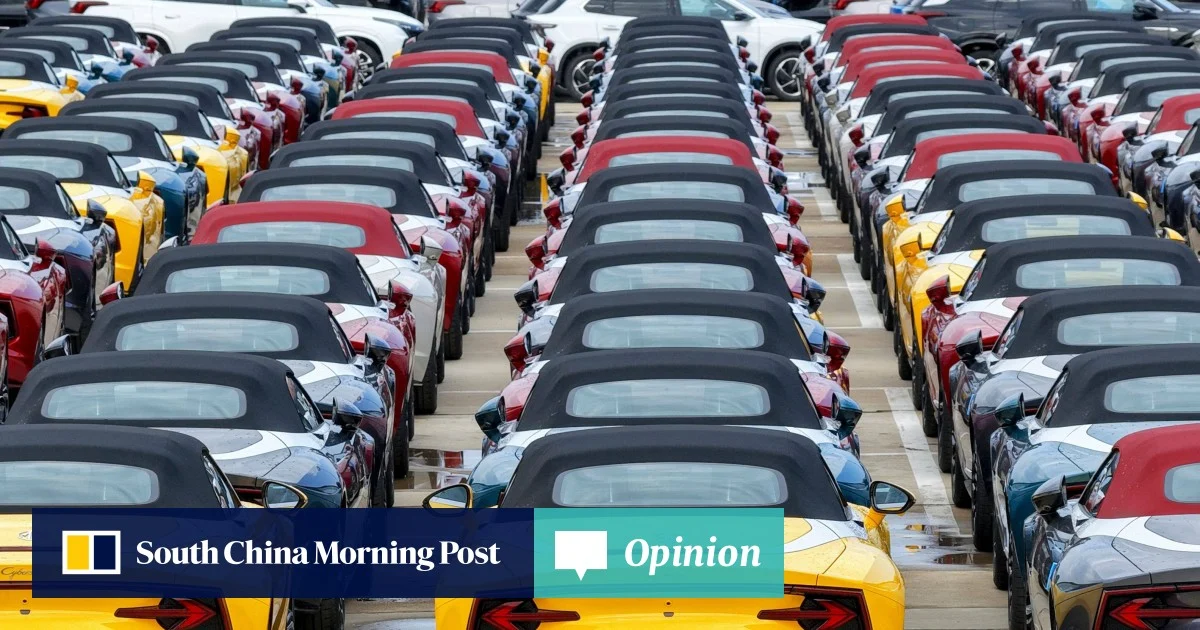
SINGAPORE: For decades, a reassuring belief has shaped international politics: Economic interdependence makes war costly. When capital flows freely and supply chains crisscross borders, nations should reject conflict because of the damage to themselves.Yet, America’s experience of the “China shock” well illustrates how rivalry does not dissolve but can sometimes intensify with integration. Trade with China has generated enormous aggregate benefits to the US, but concentrated loss in specific parts of the population, displacing workers and hollowing out some US industries. The anger of those sidelined by globalisation has fuelled populist movements and turned economic grievance into nationalism and protectionism. Today, geopolitics and economics no longer jointly drive greater integration. They are working together to pull the world apart.