Many of us grew up with a set of encyclopedias on a shelf at home, treated as the authority to answer almost anything. But the content in them often quickly became outdated. For example, we’d come across facts like Pluto listed as the ninth planet years after it stopped being one, and a good share of what we went looking for wasn’t included in them. As we grew older, Wikipedia became the new encyclopedia and worked the other way around. Even though some of our schoolteachers initially told us not to trust it, it ended up covering almost everything and staying current.
Enterprise data never made that transition; we still try to document it the way we did encyclopedias, with a handful of experts writing down what everything means, never quite finishing and gradually falling behind as the business changes.
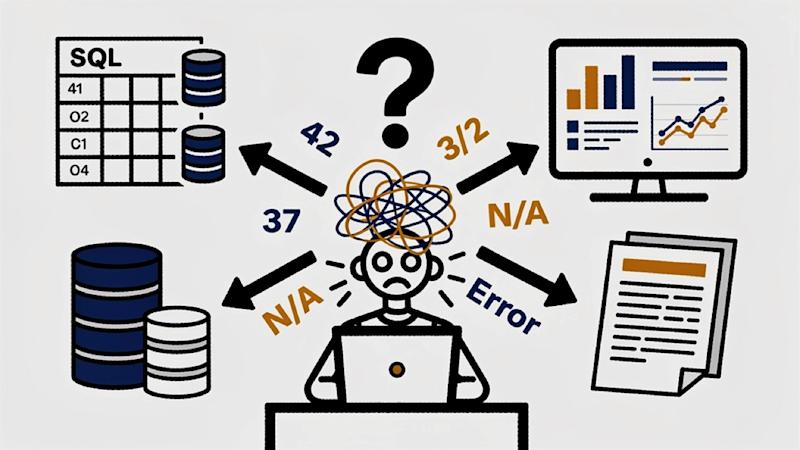
Our own product data team at Snowflake set out to make our tables legible to agents, adding semantic views, so the agents read from curated, governed definitions instead of guessing. On the product side, we shipped Semantic View Autopilot to generate them faster. This certainly helped, but even so, we had only covered the tip of the iceberg — under 5% of our 9,685 tables. Anything that fell inside that 5% got a good answer, but most of what people actually asked fell outside it, on tables nobody had documented, or on data too new for any semantic view to exist.