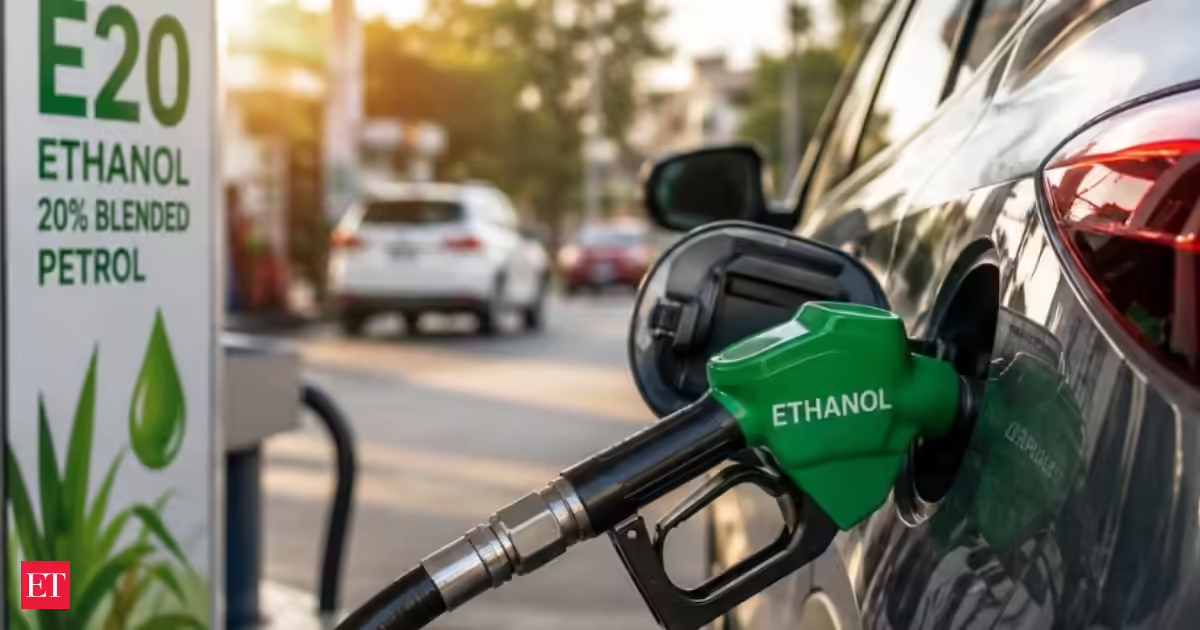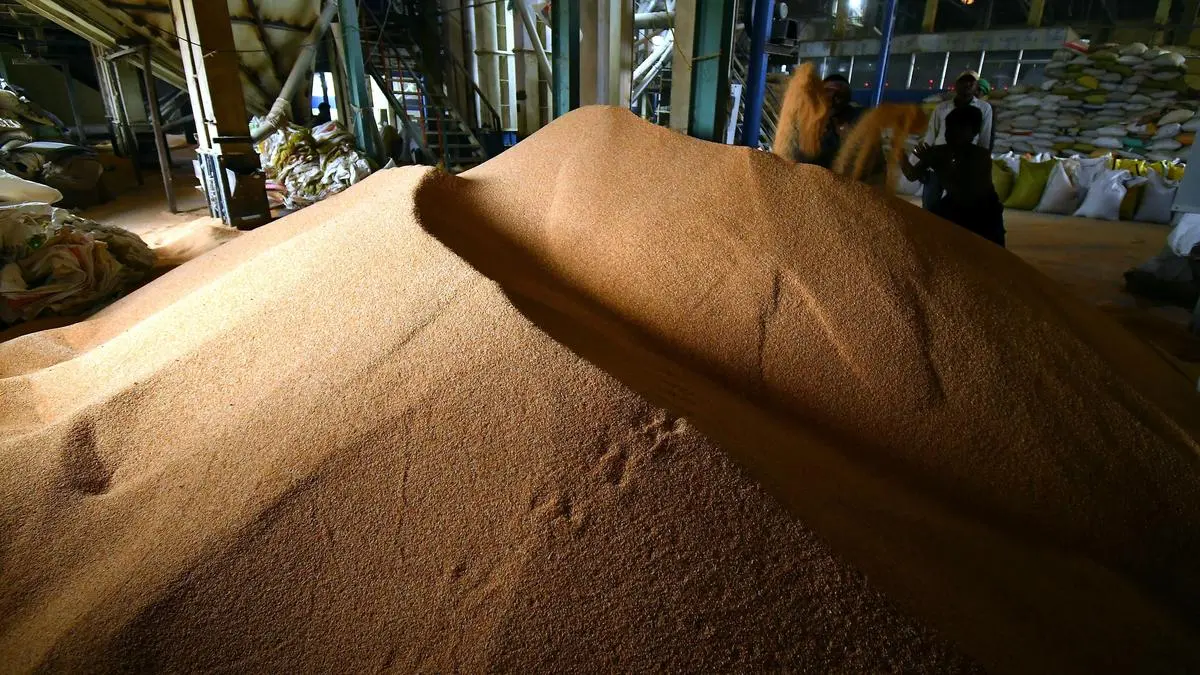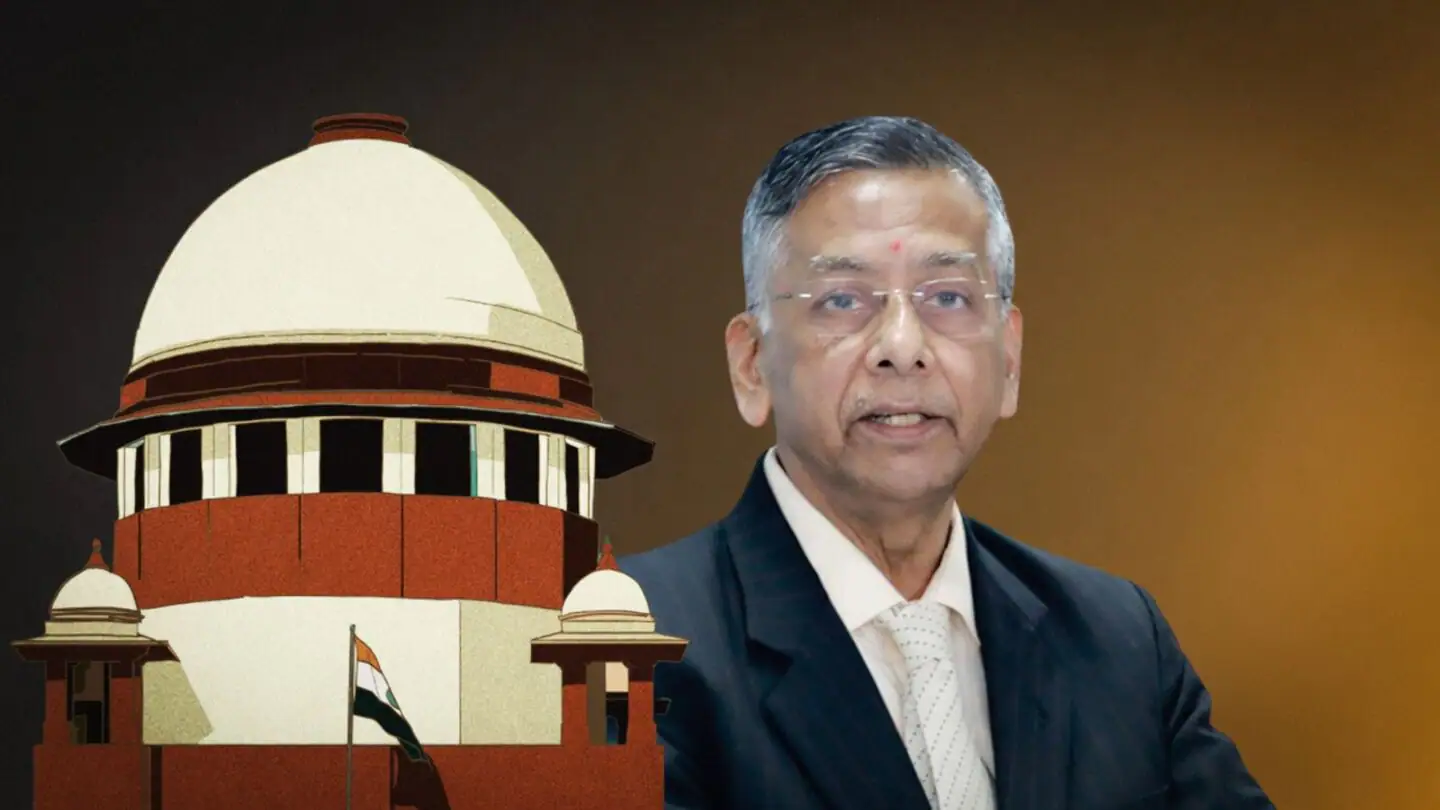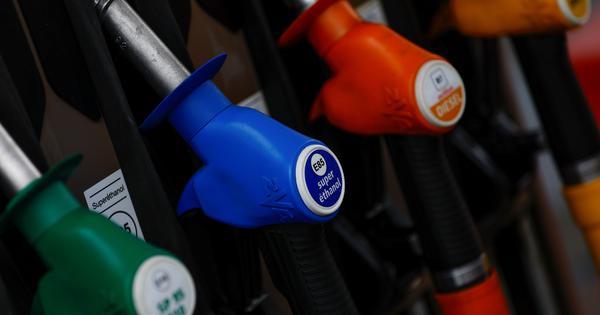
The Supreme Court on Tuesday ordered status quo on ethanol supply allocations for the Ethanol Supply Year (ESY) 2025-26, stepping into a dispute that the Centre says could have significant implications for India’s flagship ethanol-blending programme and its broader energy security strategy.SC orders status quo on ethanol supply allocationA bench of justices MM Sundresh and Sheel Nagu passed the interim order while hearing a plea by Bharat Petroleum Corporation Limited (BPCL), the industry coordinator for the ethanol blended petrol programme, challenging a Karnataka High Court direction that the Centre claimed could potentially reopen ethanol allocations already finalised and substantially implemented.The court issued notice on BPCL’s plea and restrained any alteration to the existing allocation framework until further orders.The case assumes significance because it comes at a time when India has already achieved its target of blending 20% ethanol with petrol -- five years ahead of schedule.During the hearing, Attorney General R Venkataramani, appearing for BPCL and other oil marketing companies (OMCs), argued that the Karnataka High Court’s order had ramifications far beyond a dispute involving a single supplier and could potentially unsettle a nationwide allocation exercise involving hundreds of ethanol manufacturers.The AG submitted that ethanol supply contracts for ESY 2025-26 had already attained finality in October 2025 and allocations had been communicated to 378 suppliers for approximately 10500 million litres of ethanol. According to BPCL, around 6800 million litres had already been supplied under the allocation framework by mid-June.He argued that permitting enhancement of allocation to one supplier at this stage would likely trigger similar claims from other manufacturers across the country, potentially opening the floodgates for litigation and disrupting a carefully calibrated supply chain that underpins the national blending programme.When the bench asked why BPCL had not first approached a division bench of the Karnataka High Court, Venkataramani said similar disputes were pending before multiple high courts and that the issue required authoritative resolution at one forum. He also sought time to file transfer petitions so that all related matters could be heard together.“This will impact the national policy,” he told the court, adding that the issue needed resolution before the next cycle of ethanol procurement contracts comes up for renewal.The dispute pertains to a petition filed by Karnataka-based VINP Distilleries and Sugars Pvt Ltd, a dedicated ethanol manufacturer, which challenged the quantity allocated to it by the OMCs for ESY 2025-26.The company contended before the high court that despite possessing an annual production capacity of nearly 99 million litres and submitting bids for supply of 92.6 million litres, it was allocated only 39.2 million litres.VINP argued that as a dedicated ethanol plant, which is contractually barred from manufacturing other products or supplying ethanol to third parties, it had a legitimate expectation that the existing allocation policy would continue to operate in a manner consistent with previous years.Accepting the contention, the Karnataka High Court directed the OMCs to consider and decide the company’s representation seeking enhancement of allocation. The high court held that dedicated ethanol plants could not be placed at a disadvantage after having structured their business models around long-standing procurement arrangements with oil companies.“Dedicated Ethanol Plants, which have hitherto supplied ethanol exclusively to the OMCs and which are contractually prohibited from either manufacturing anything else or supplying ethanol to any third party, cannot now be relegated to the short end of the stick,” the high court noted.The Centre, however, contends that the order risks judicial interference in a complex policy framework involving allocation of limited procurement quantities among hundreds of suppliers across multiple states.According to BPCL, cumulative offers exceeding 17500 million litres were received under the tender process, while allocations could be made only for around 10480 million litres. The company argued that no individual supplier could claim an enforceable right to supply ethanol equivalent to its entire production capacity when allocations had to be balanced across the country.The Supreme Court hearing also comes against the backdrop of an increasingly visible public debate around the ethanol-blending programme itself.While sections of automobile enthusiasts and consumers have raised concerns over possible impacts of higher ethanol blends on vehicle performance, fuel efficiency and engine durability, the government has consistently defended the policy.Last week, the Union petroleum ministry issued a detailed clarification rejecting claims that E20 fuel could adversely affect vehicle insurance coverage. It said concerns raised in public discourse had been examined with stakeholders and found to be unfounded.The ministry maintained that ethanol blending is a globally accepted practice followed in countries such as Brazil, the United States and Japan, and emphasised that the programme has already helped India save more than ₹1.4 lakh crore in foreign exchange by reducing dependence on imported crude oil.The government has also projected the programme as a key pillar of its strategy to improve energy security, support farmers through expanded demand for agricultural feedstock and reduce carbon emissions from the transport sector.
SC orders status quo on ethanol supply allocation
The Supreme Court halted ethanol allocation changes for ESY 2025-26 amid a dispute that could impact India's ethanol-blending program and energy strategy. | India News
808 words~4 min read