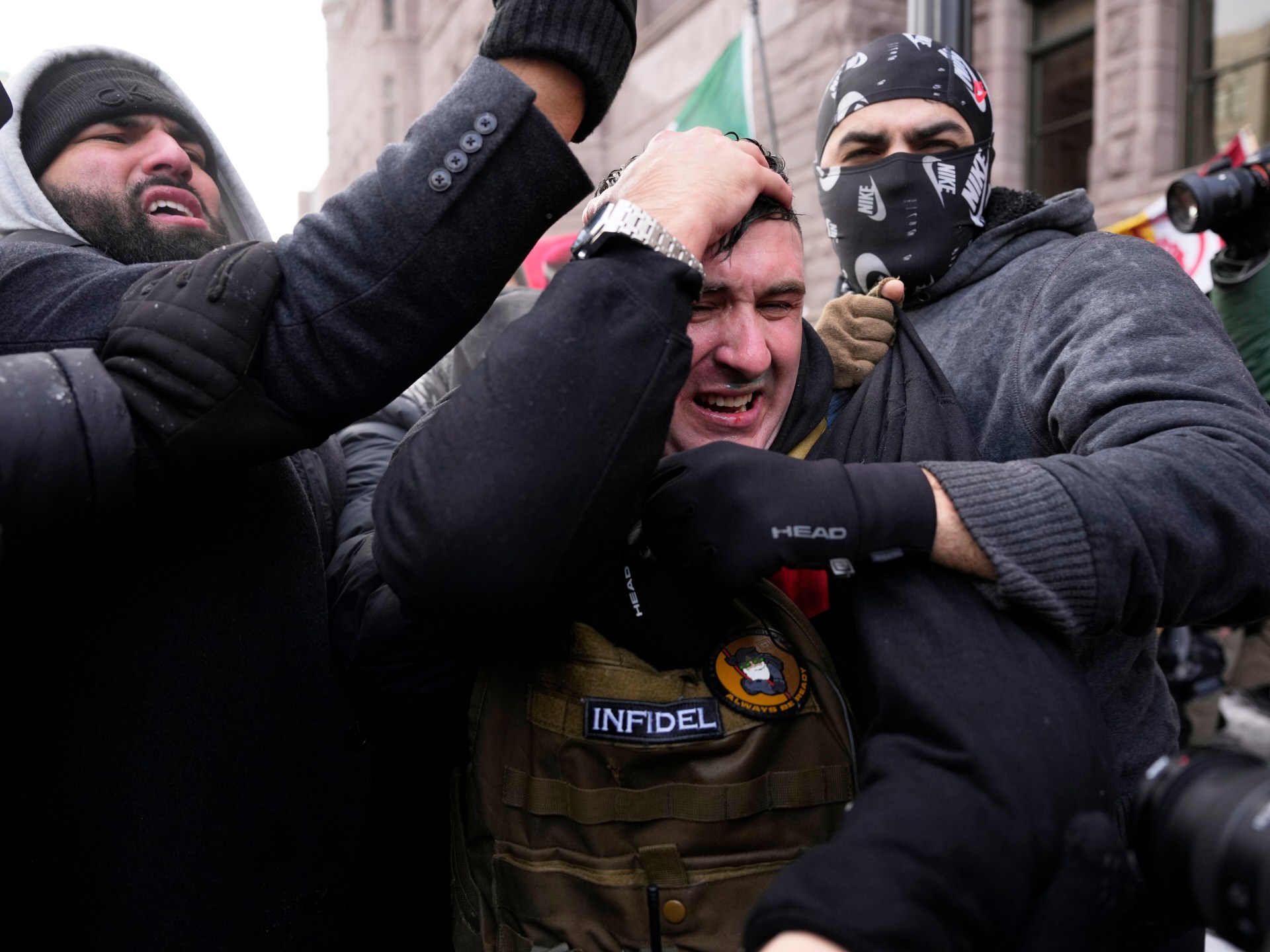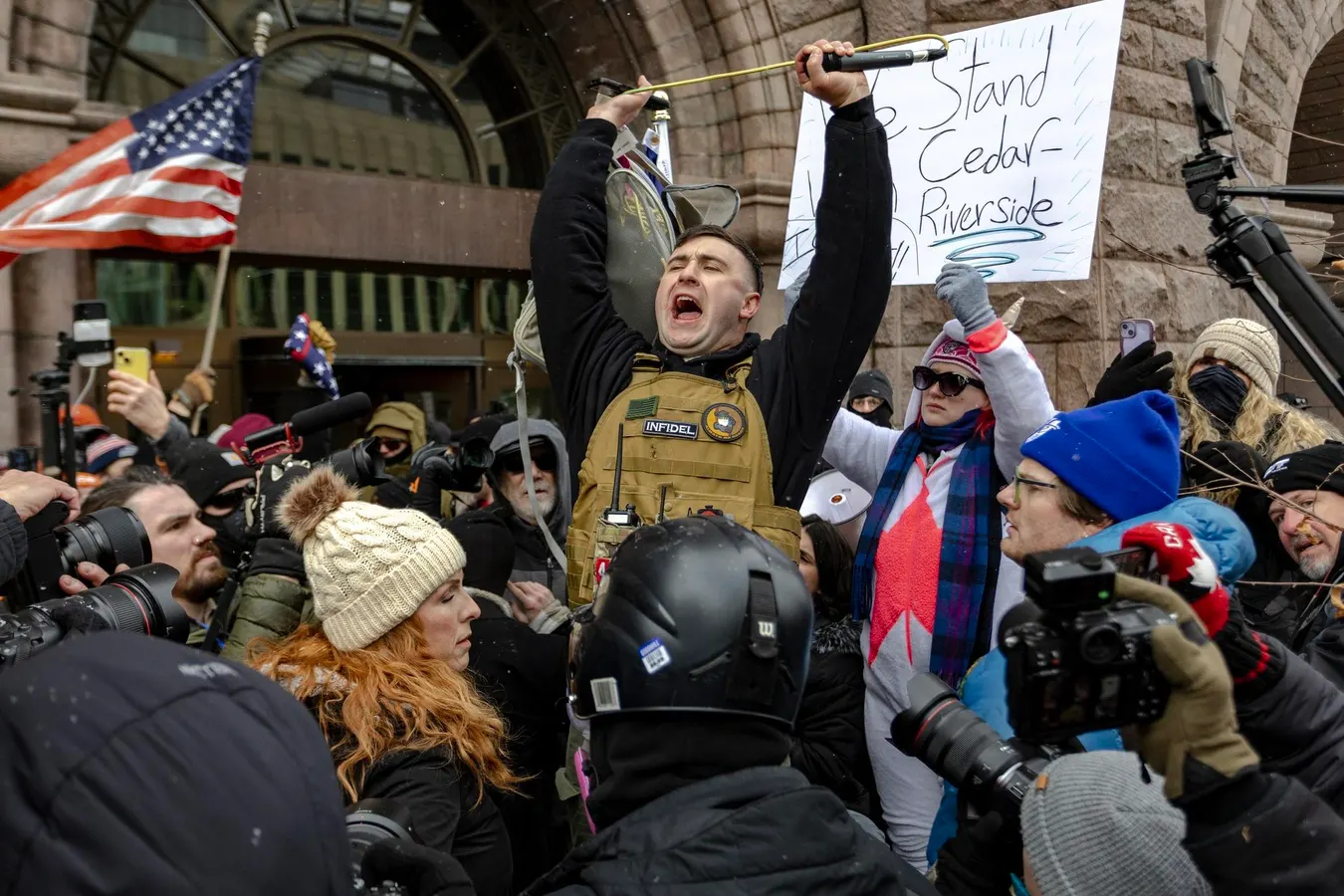
MINNEAPOLIS, MINNESOTA - JANUARY 17: Right wing influencer Jake Lang is confronted by protesters at a rally near city hall on January 17, 2026 in Minneapolis, Minnesota. Protesters gathered after federal agents continued an immigration enforcement dubbed "Operation Metro Surge". (Photo by Jim Vondruska/Getty Images)Getty ImagesFor much of the past several decades, overt expressions of racial prejudice became increasingly socially unacceptable in mainstream public life. That did not mean racism disappeared. Instead, scholars have long argued that prejudice often became more subtle -- expressed through coded language, implicit bias or policies that produced unequal outcomes without explicitly racist rhetoric. Today, however, some experts suggest that explicit displays of racial hostility have become more visible in public spaces.Outside this week's BET Awards, pardoned January 6 rioter Jake Lang held signs declaring "Black Parents Are Failures" and "BET = Black Entitlement Television" while confronting attendees. The demonstration quickly went viral on social media —not simply because of what the signs said, but because of what they may signal about a broader cultural shift. As psychologists and extremism researchers have observed, the more pressing question isn't why racism exists. It's why some people appear increasingly comfortable expressing it in public.Why This Matters Beyond PoliticsVisible expressions of prejudice have consequences beyond the individuals involved. Research has consistently found that public acts of bias can affect targeted communities' sense of belonging, psychological safety and trust in institutions. Those effects often extend into schools, workplaces and civic life. Eberhardt argues that racial bias is not confined to isolated individuals but can become embedded within broader systems, institutions and everyday interactions. As she notes, bias is "present at all levels of society -- in media, education and business" rather than existing only among a handful of overtly prejudiced individuals. Whether overt expressions of racism are becoming more common or simply more visible, psychologists agree on one point: social norms matter. When prejudice is perceived as tolerated -- or even rewarded -- people may become more willing to express it publicly. The protest outside the BET Awards may fade from the headlines. The larger question it raises about what Americans increasingly view as socially acceptable is likely to remain.
Why Public Displays Of Racism Feel More Common—And What Psychologists Say Is Driving The Shift
The BET Awards protest wasn't just about one man's signs—it may reflect a broader shift in what some people believe they can say publicly.
361 words~2 min read