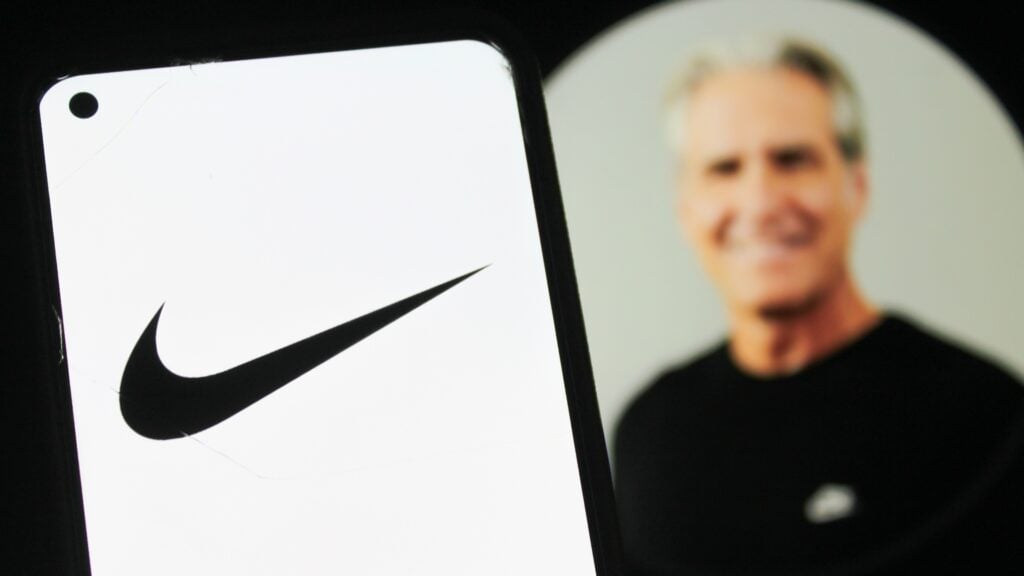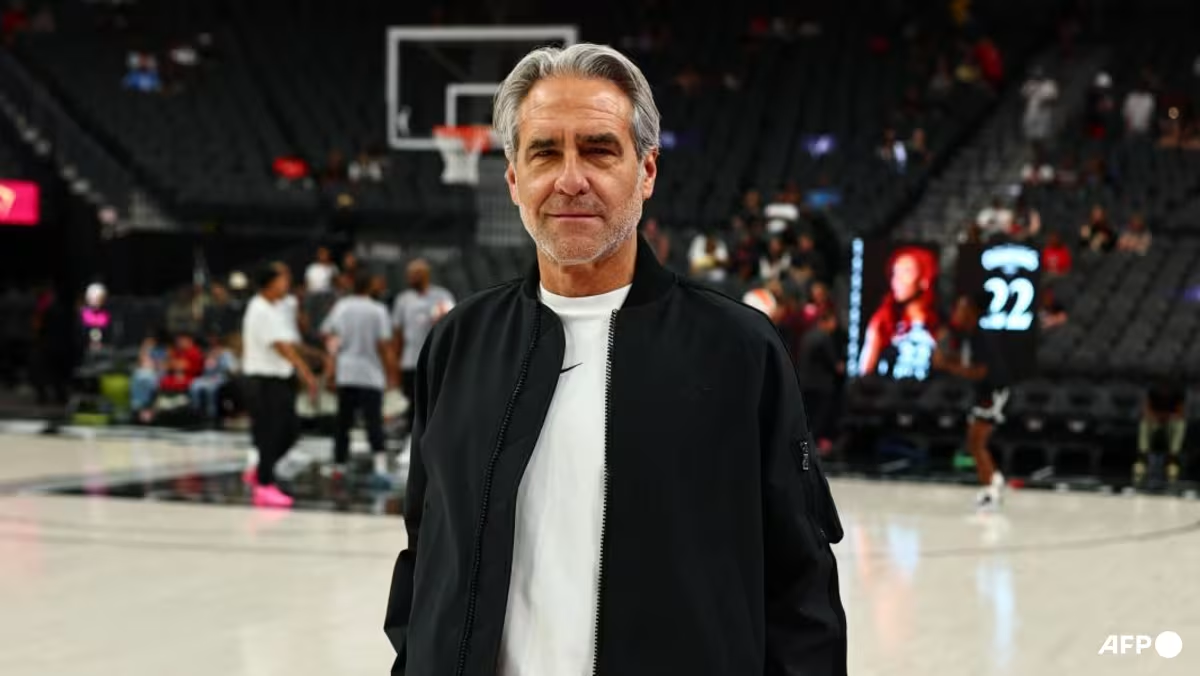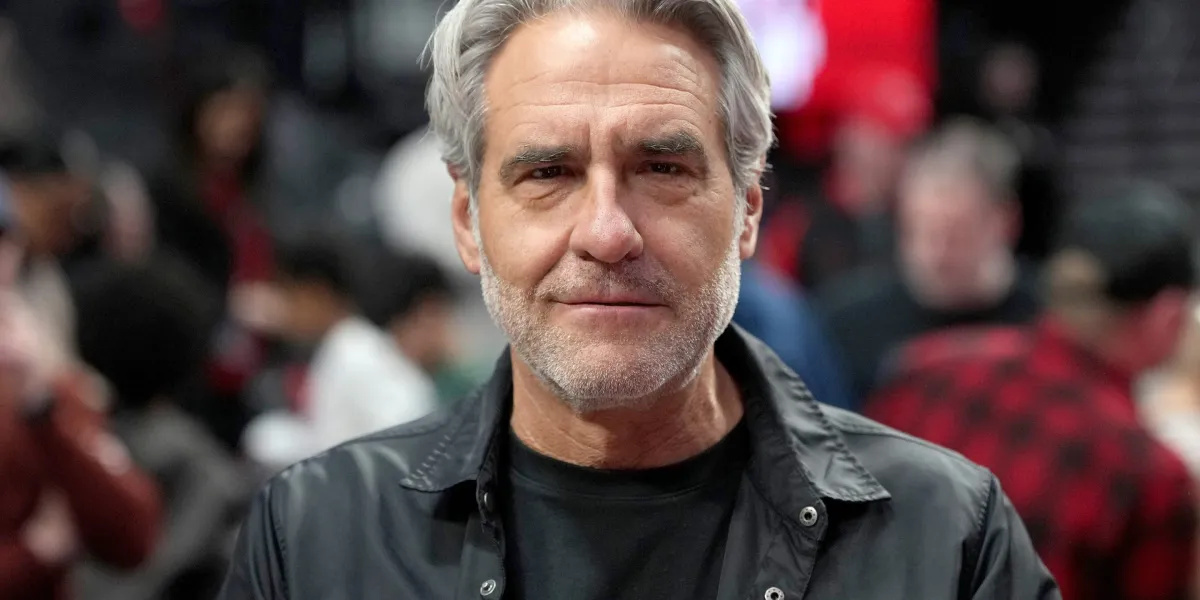
When Nike brought Elliott Hill out of retirement almost two years ago to helm the sports conglomerate, it was with the intention of turning the brand’s strained relationships with athletes and retailers around in what Hill would later call a “sport offense.”
That offensive strategy seemed to pay off—in North America at least—when Nike’s quarterly earnings exceeded Wall Street’s expectations. The company reported an adjusted 20 centers earnings per share, compared to the 13 cents expected. It also reported $10.97 billion in revenue, a $130 million increase from the expected $10.86 billion. And thanks to a nearly billion dollar tariff refund ($986 million), the company’s gross margin increased 8.9% during the quarter—even if analysts excluded the gain in their earnings expectations.
The Nike veteran is facing two report cards. There’s the one after the bell today that demonstrates what real progress Hill has made on stemming Nike’s losses (for the past two years, Nike’s sales fell every single quarter with shrinking profit margins and money earned per share dropping by almost two thirds). But he’s also facing the one on the world stage that’s playing out in stadiums across the United States, Mexico and Canada. The World Cup could show whether his efforts to rejuvenate Nike’s sports culture into something consumers really want, if it really paid off.