More code is being written right now than at any point in our industry’s history. A year’s worth of software is now created every month, and most of it is no longer written by people. GitHub COO Kyle Daigle recently said, “There were 1 billion commits in 2025. Now, it’s 275 million per week, on pace for 14 billion this year if growth remains linear (spoiler: it won’t.)”
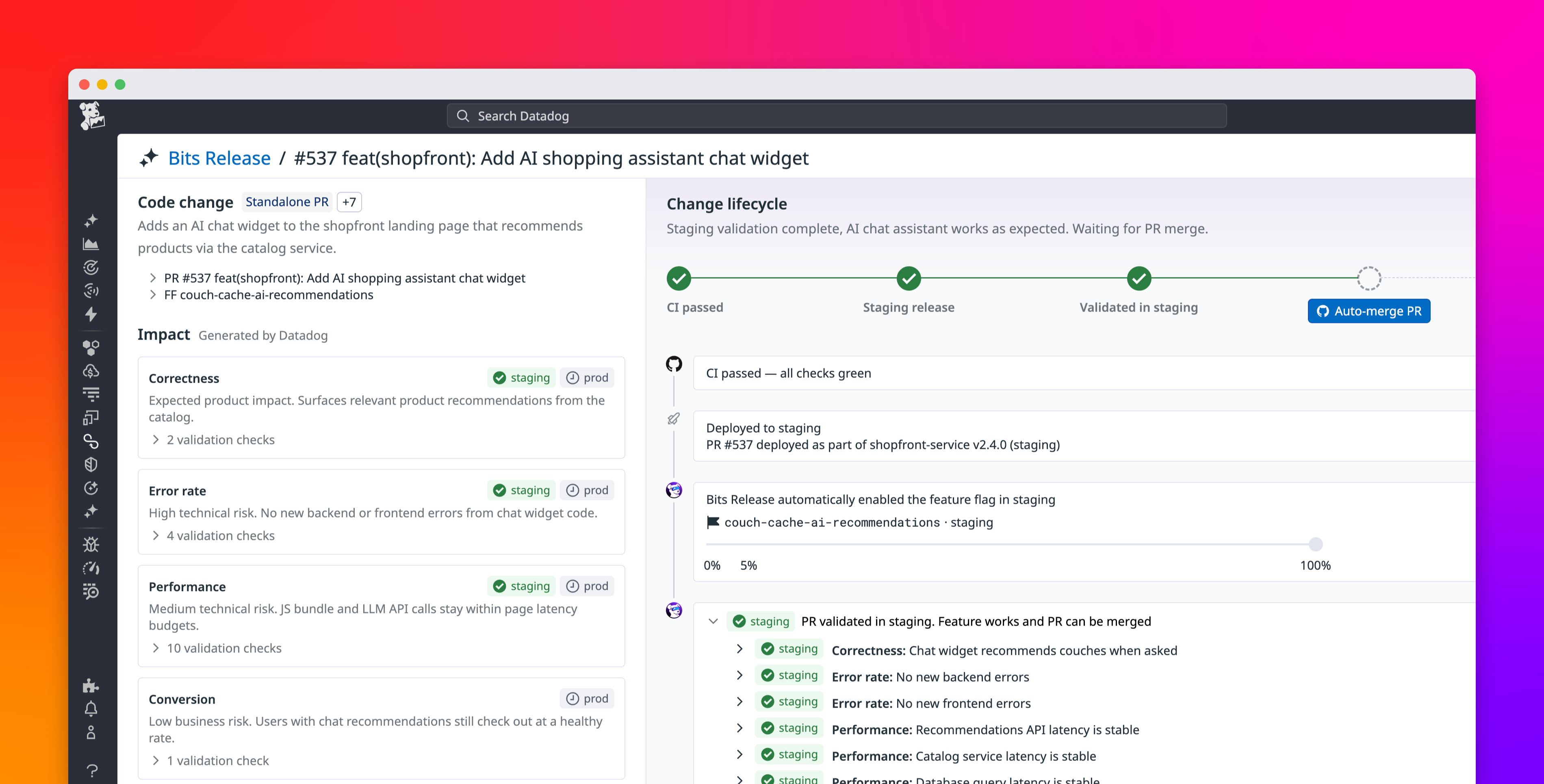
Coding agents from Anthropic, Cursor, and OpenAI can read a stack trace, reason through tangled code, and produce a real fix faster than a person can find the file. That speed is the story everyone is telling. The one that matters more is what happens after the code ships.
More code, shipped faster, means more breakage reaching real users. And while broken software is a technical problem, it is also a business outcome problem. Customers leave. They churn. They tell other people why. Sentry processes 594 trillion events a year across 200,000 organizations. This is the exclusive context self-healing runs on, the moments when software actually broke. That is the raw signal of software meeting the real world.
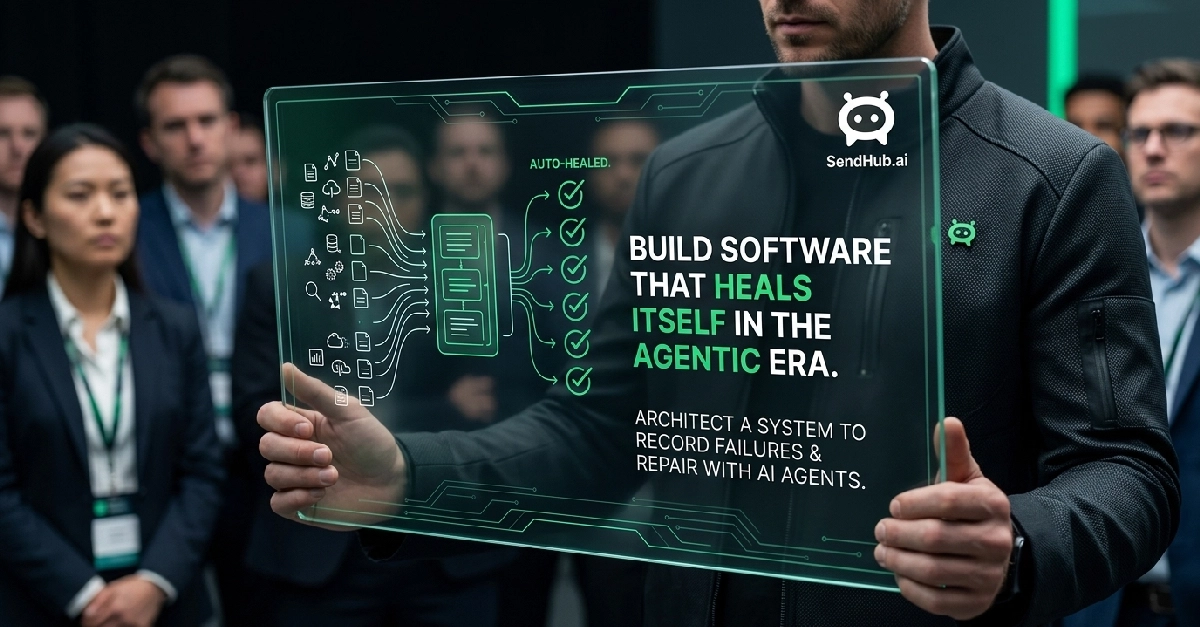
This is why software is now crossing a line it has never crossed before. It is starting to fix itself in production. Not flagging an error for a human to triage, not suggesting a fix and leaving you the work, but noticing it is broken, understanding why, and writing the fix. Not everything, and not yet. The simple, well-understood failures resolve on their own, while engineers still own the architecture calls and the messy incidents, and that line moves every month. For the entire history of our industry, reliability was something people supplied. It is becoming a property of the software itself.