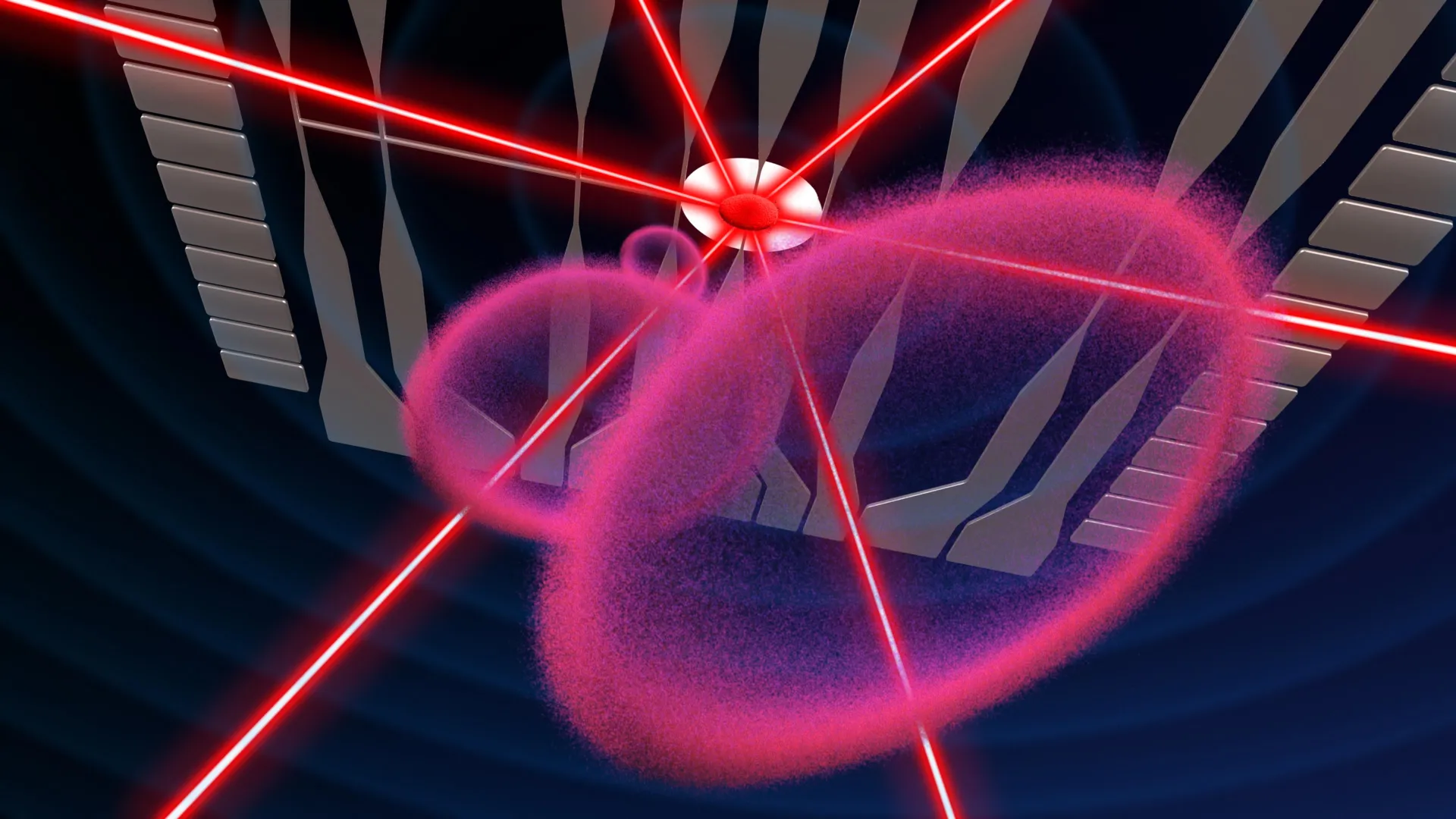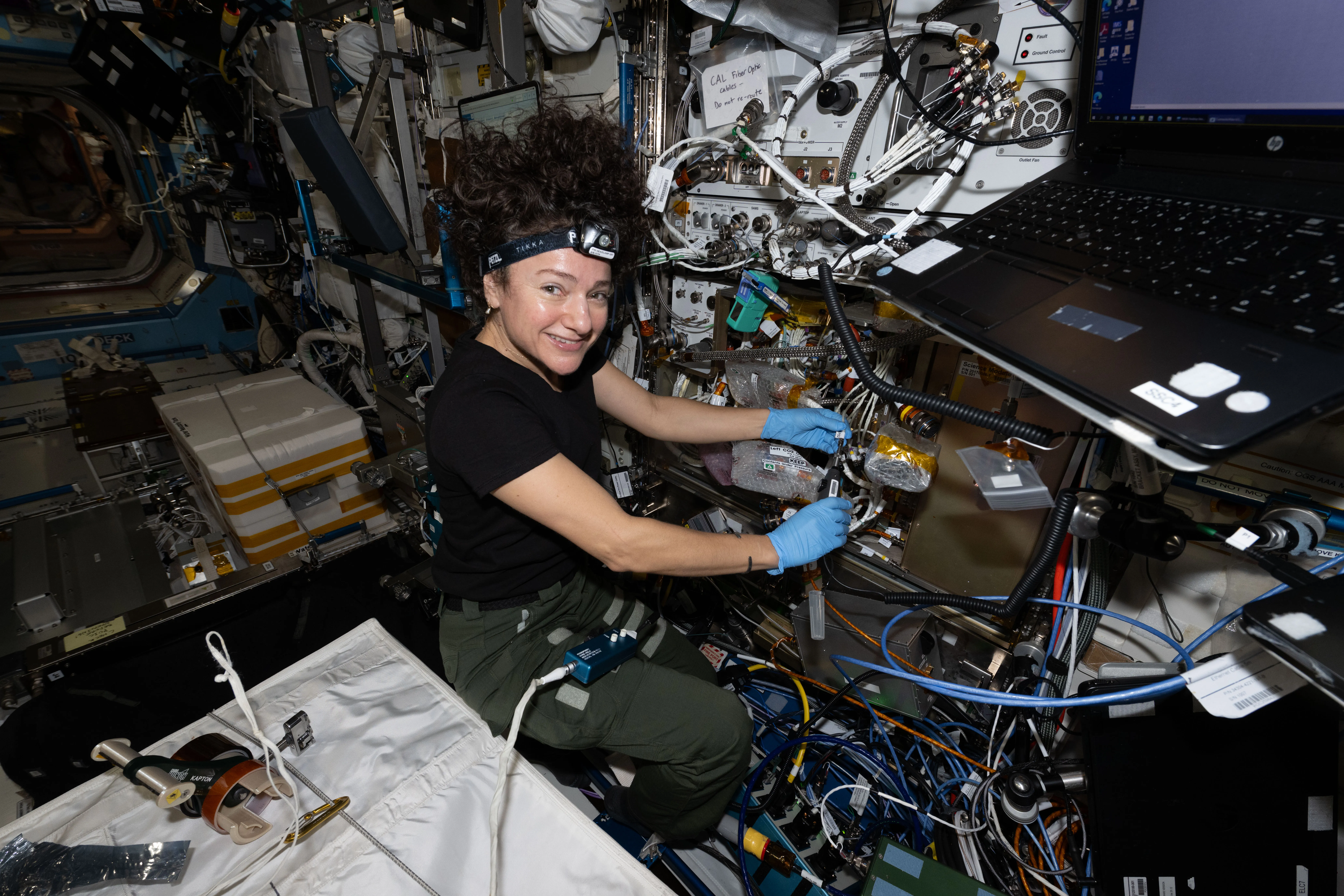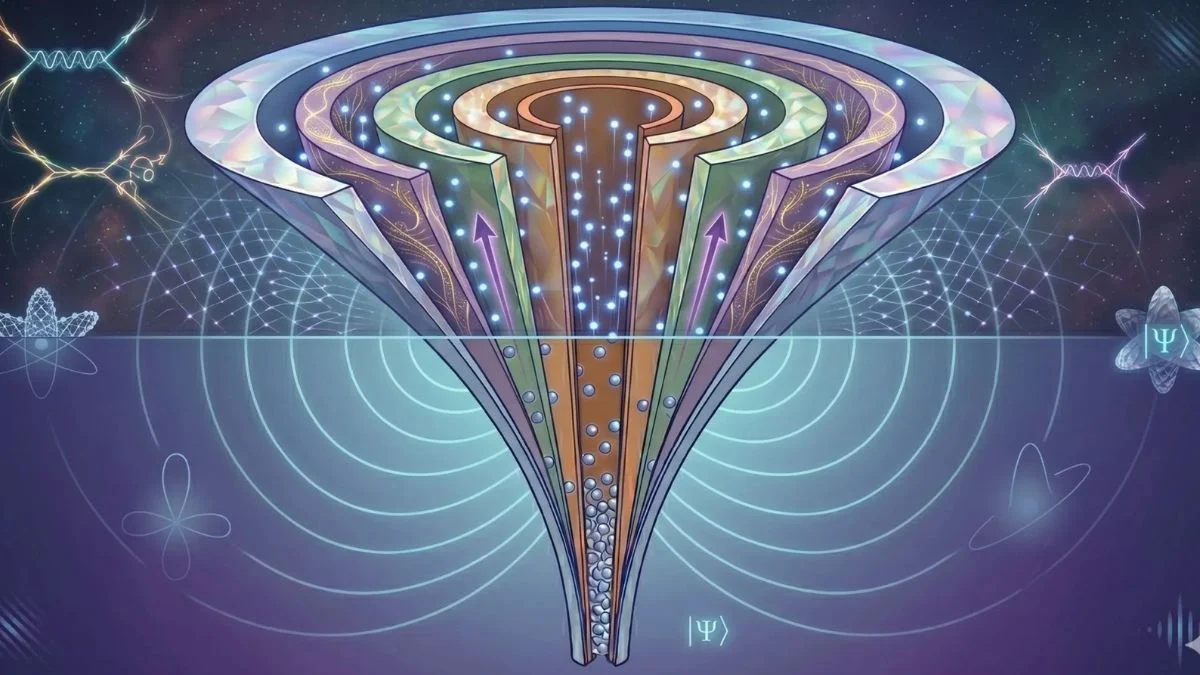
It’s sometimes easy to overlook the fact that the International Space Station (ISS) is a giant lab where scientists study everything from biology to physics—but in space. This extraordinary resource makes extraordinary research possible—like creating a fifth state of matter in space. In a recent statement, NASA announced the launch of the fourth update to the Cold Atom Lab, a “one-of-a-kind” facility to explore quantum theory and applications. The lab is about the size of a mini fridge and operates at temperatures below -459 degrees Fahrenheit (-273 degrees Celsius). With the added factor of microgravity, the lab’s conditions are ideal for investigating a quantum object called a Bose-Einstein condensate—a “fifth” state of matter beyond solids, liquids, gases, and plasma. “In the previous century, there was a quantum revolution that led to lasers, cellphones, and MRIs for medical imaging,” Ethan Elliott, deputy project scientist for Cold Atom Lab at NASA’s Jet Propulsion Laboratory (JPL), said in the statement. “We’re performing quantum 2.0—direct manipulation of large quantum states—and we hope for similar gains in quantum tech by advancing this science in orbit.”
Nobel-winning physics Velocity distribution of rubidium gas atoms. The image at the center represents the Bose–Einstein condensate. Credit: NIST/JILA/CU-Boulder via Wikimedia Commons In 1924, Albert Einstein predicted that at near-absolute zero temperatures, separate atoms would consolidate into a single quantum entity described by wave functions. Einstein built upon quantum formulations by Indian physicist Satyendra Nath Bose. Hence, the idea came to be known as the Bose-Einstein condensate.