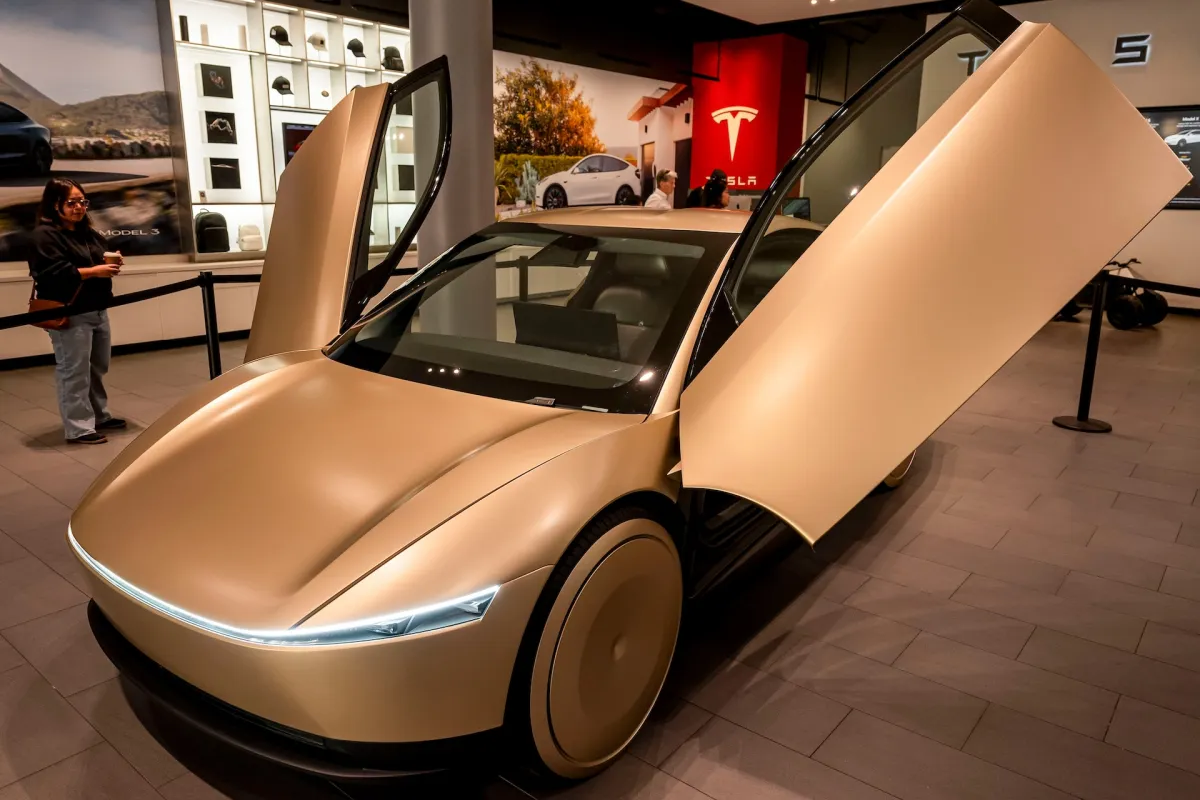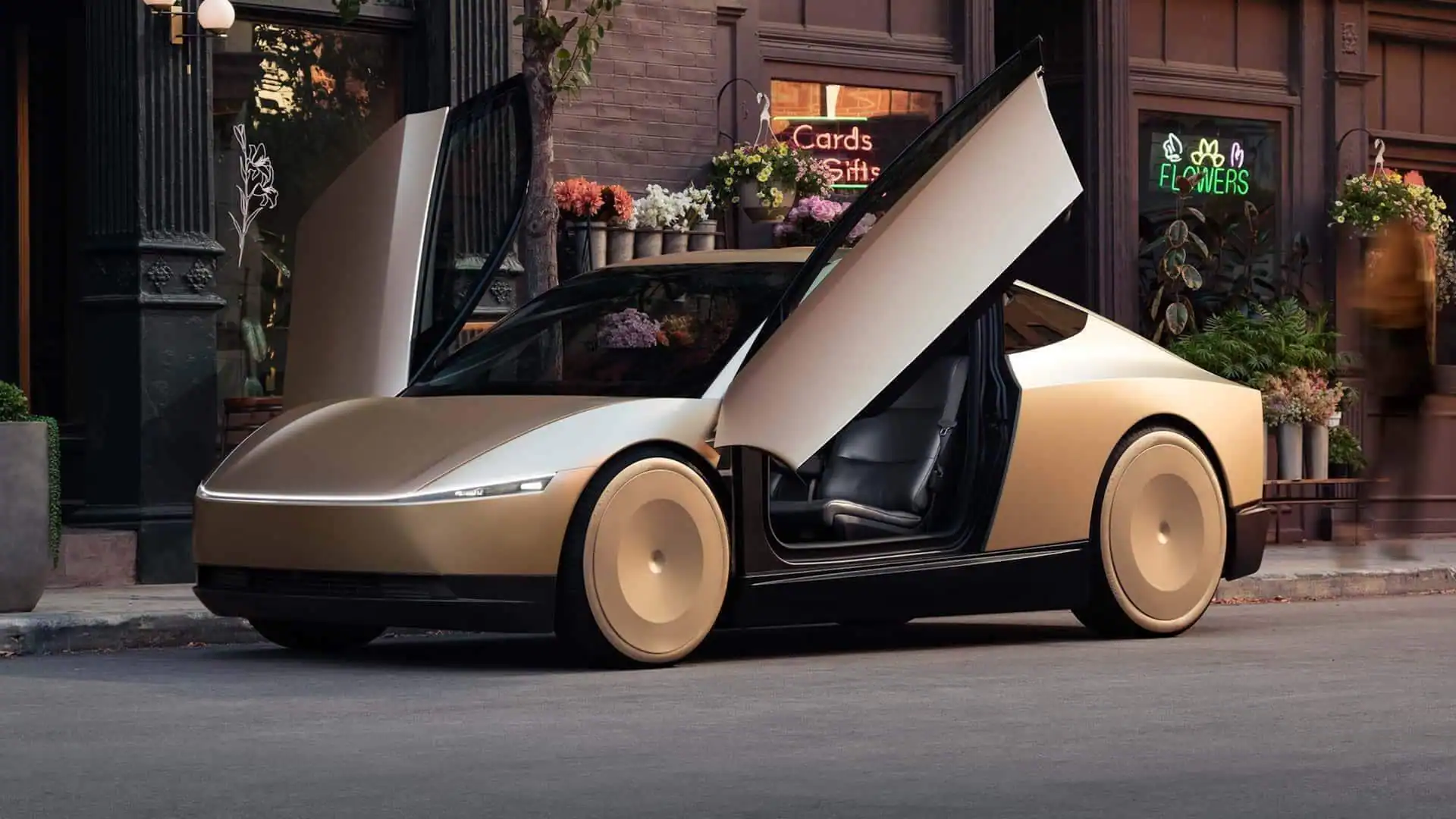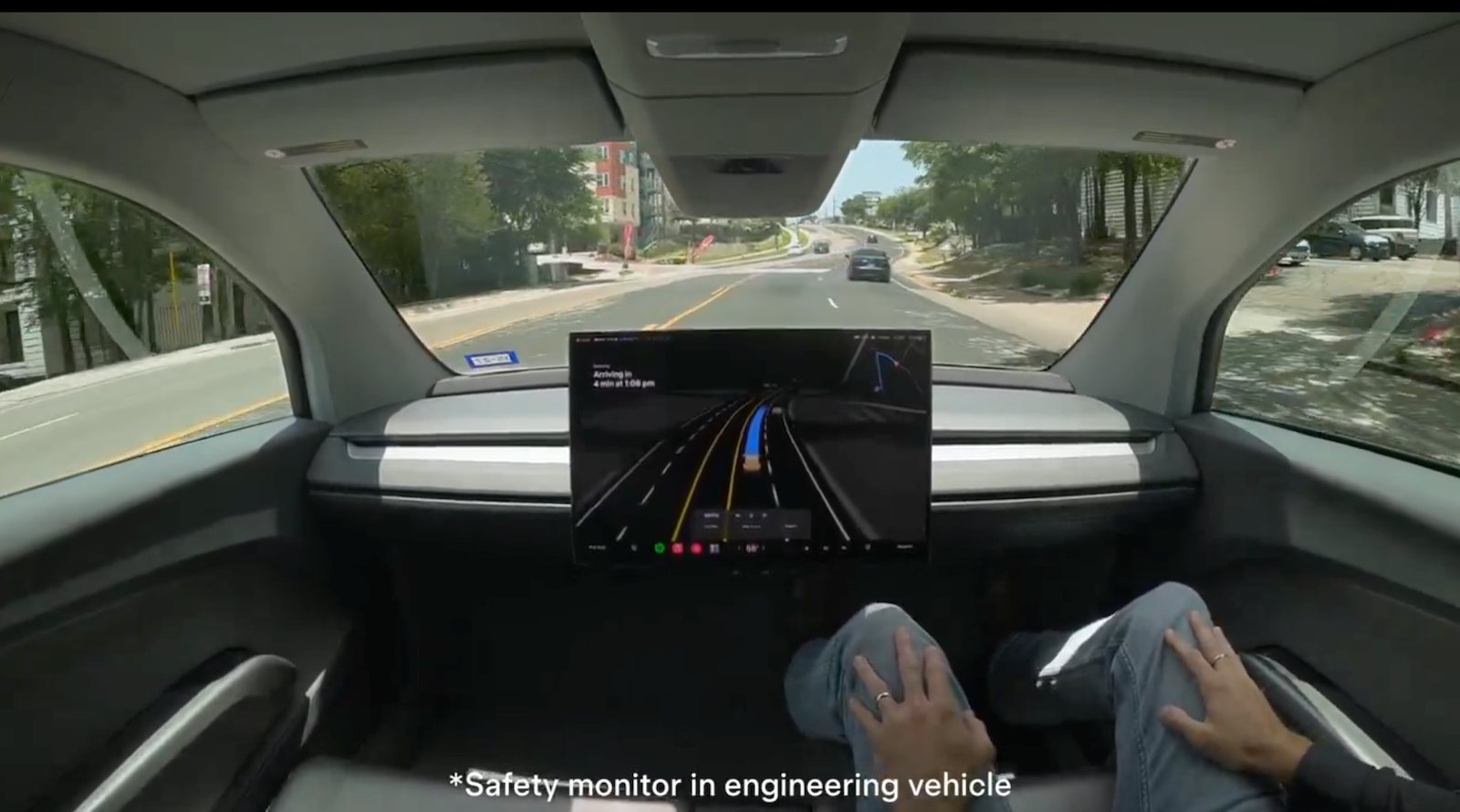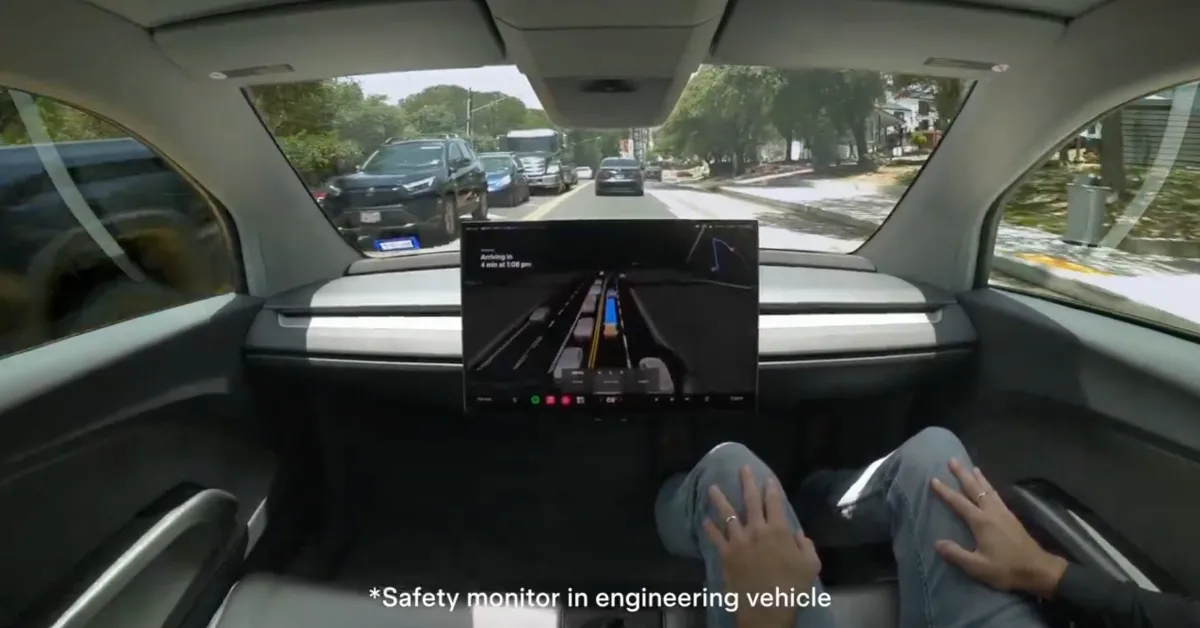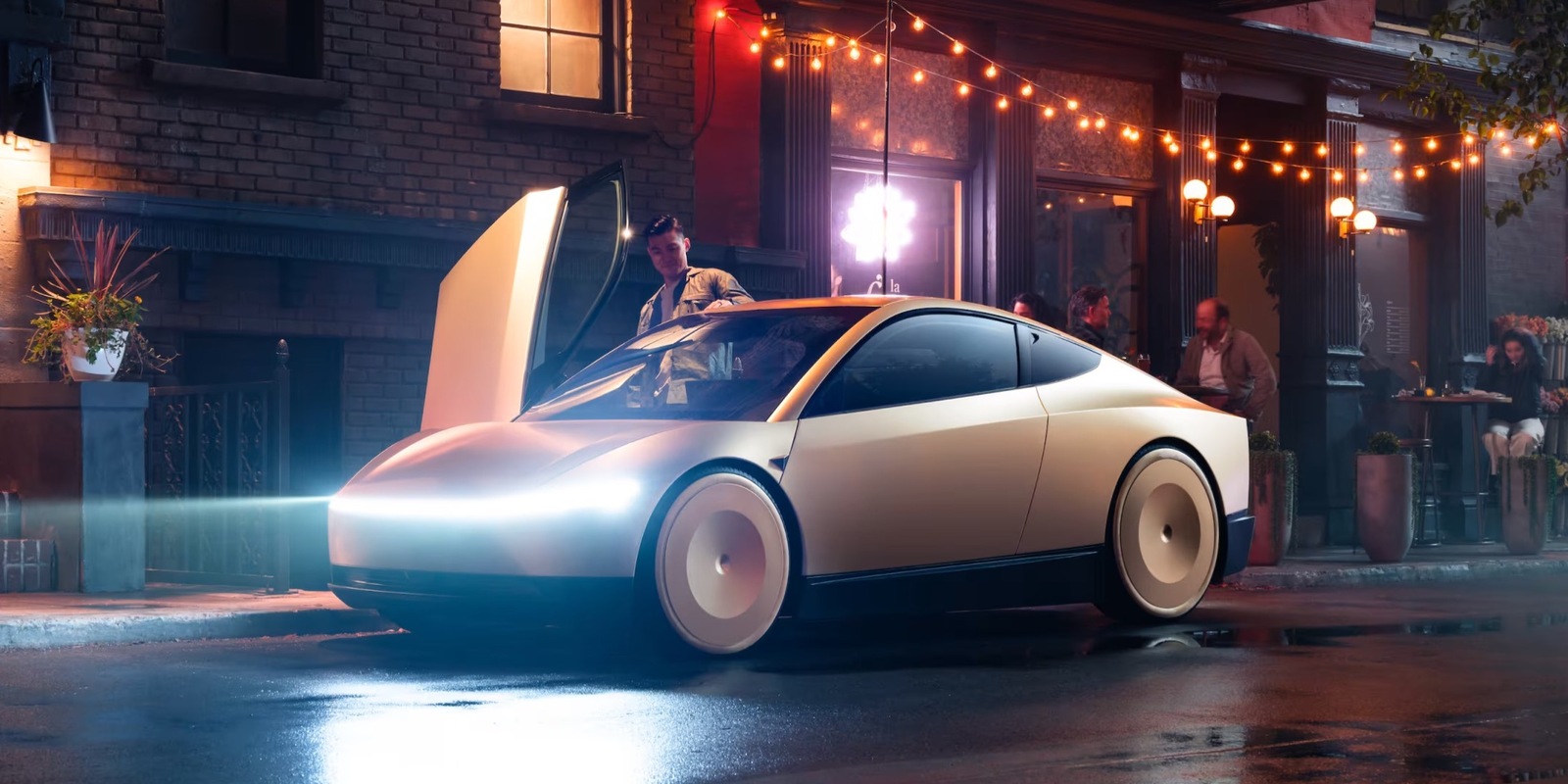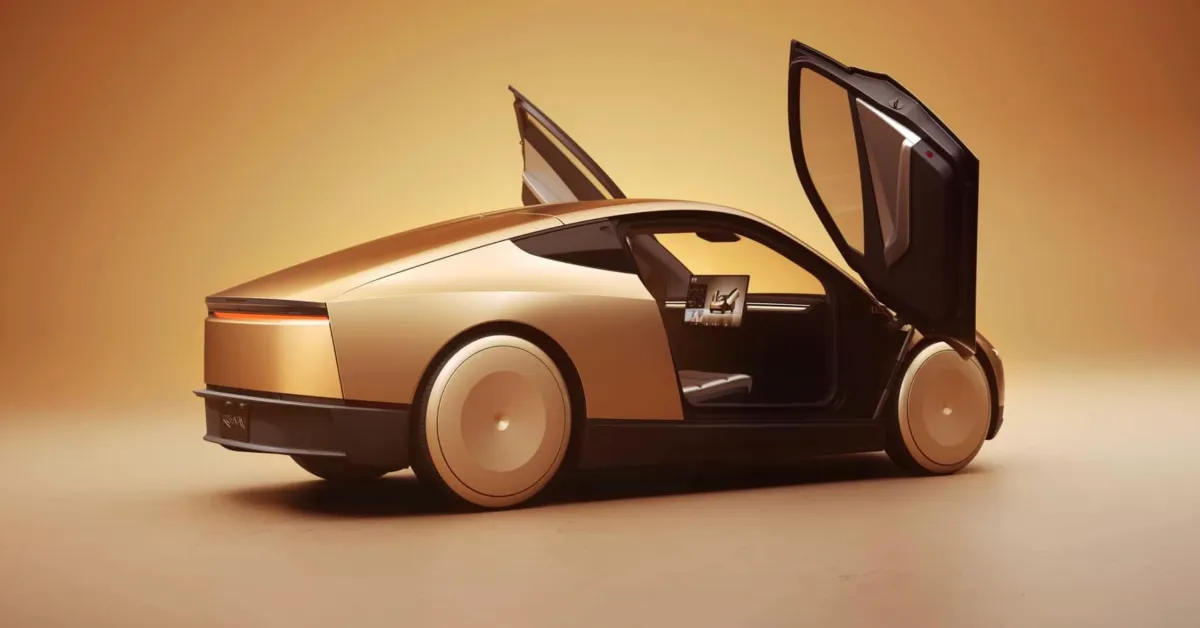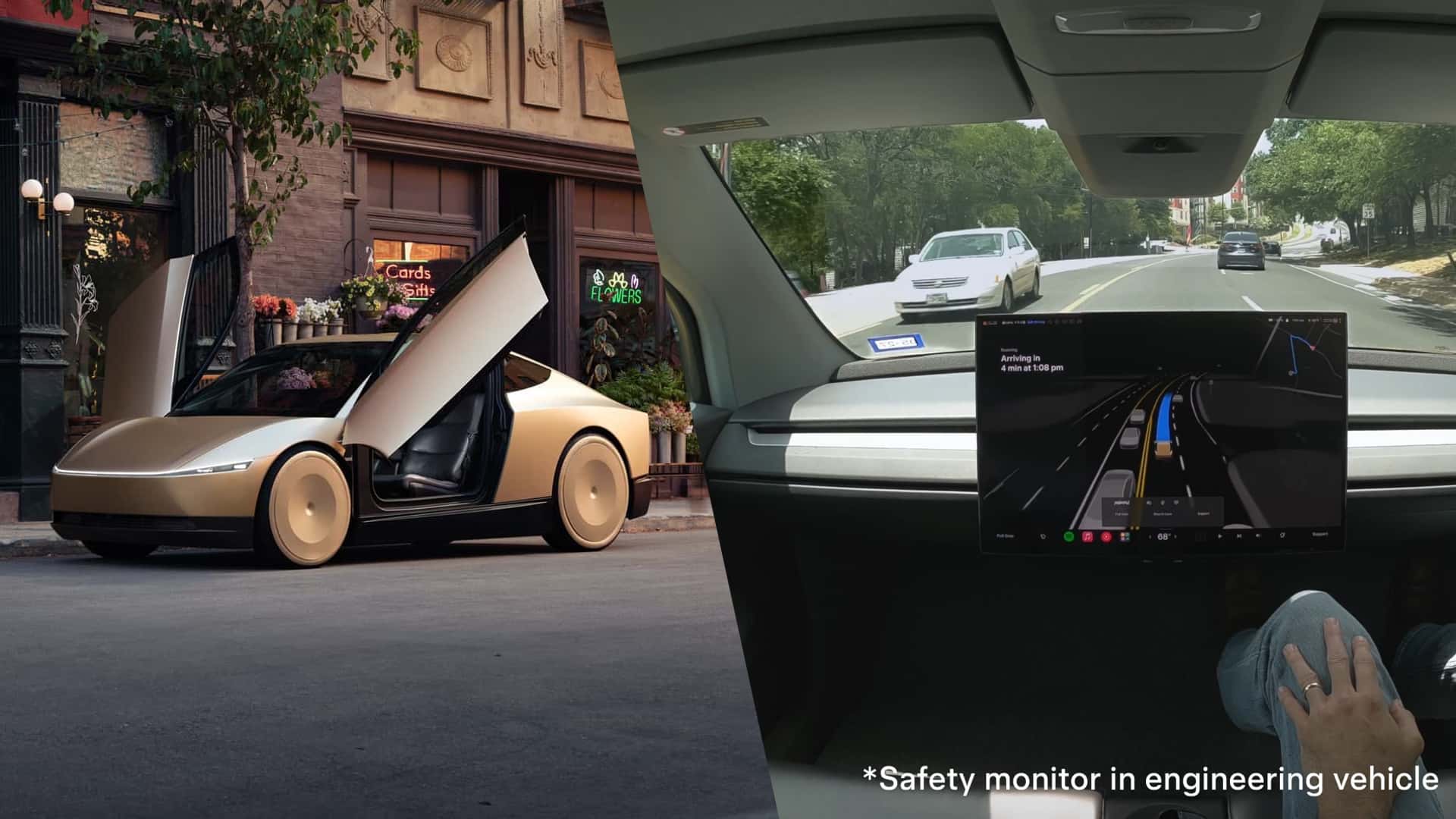
Tesla has begun testing a steering-wheel-free version of its Cybercab robotaxi in Austin, Texas, the company announced Monday on X.
Tesla made the announcement with a 27-second video on the platform, which showed a safety monitor sitting in the right seat of the Cybercab. I say "right seat," not "passenger seat," as they're both effectively passenger seats in this version.
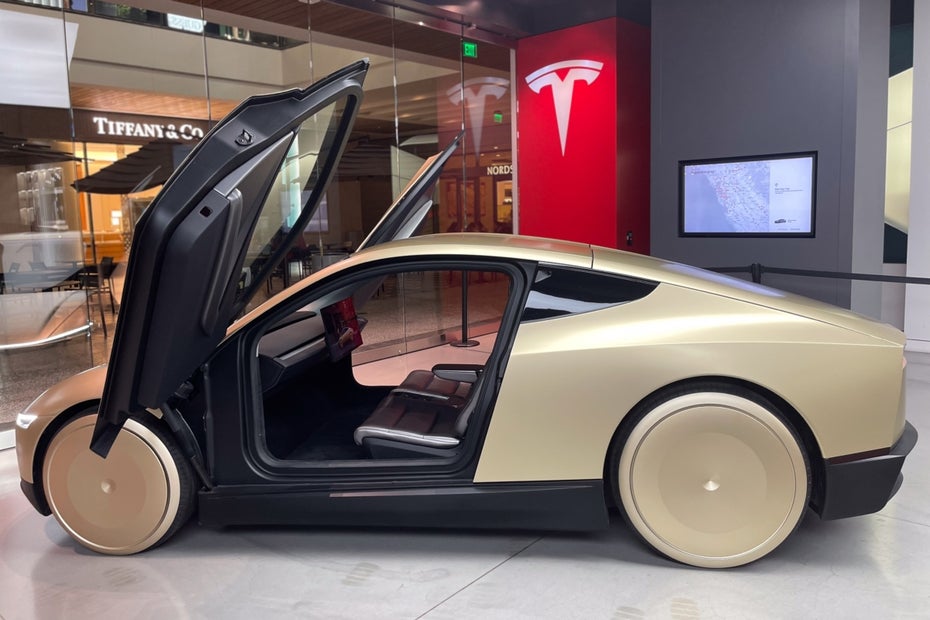
The Cybercab was designed to have a cabin free of traditional driving controls. CEO Elon Musk confirmed that intention at its launch event in October of 2024. But until now, the prototypes we've seen testing in public have featured traditional steering wheels and pedals. That's not an ideal setup for a two-seat robotaxi, as you'd have to sit as a passenger while the steering wheel directly within reach either turned with the front wheels or sat their disconnected and dumb.
Yet the no-wheel design poses its own challenges. The robotaxis that both Tesla and Waymo have deployed commercially all feature steering wheels and pedals as backup options, so first responders or company employees can maneuver the cars if necessary. They can typically be remotely piloted from a control center for these scenarios, too, which is how Amazon-owned Zoox launched autonomous robotaxis without a steering wheel or pedals.