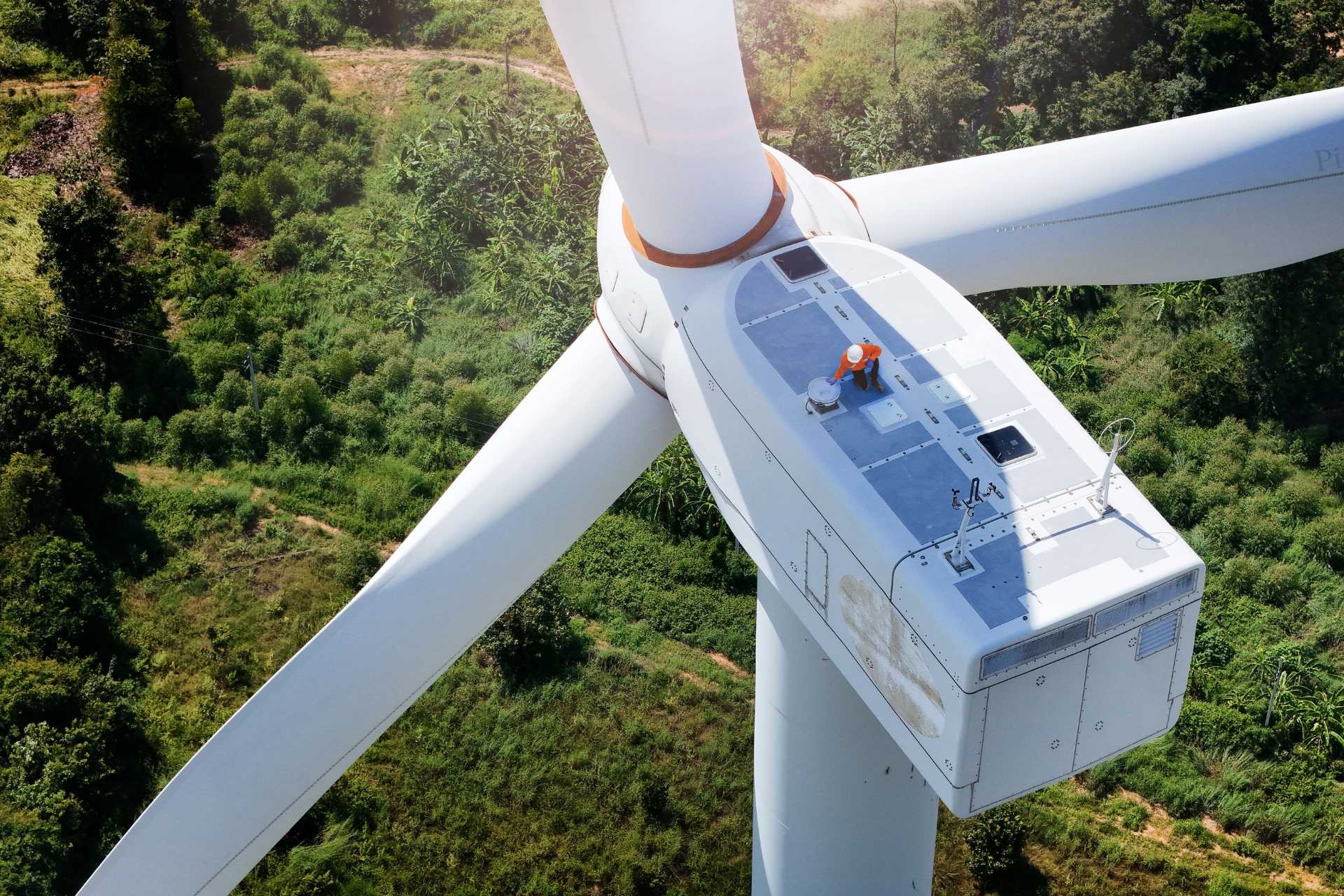
Photo credit: ultramansk / Shutterstock
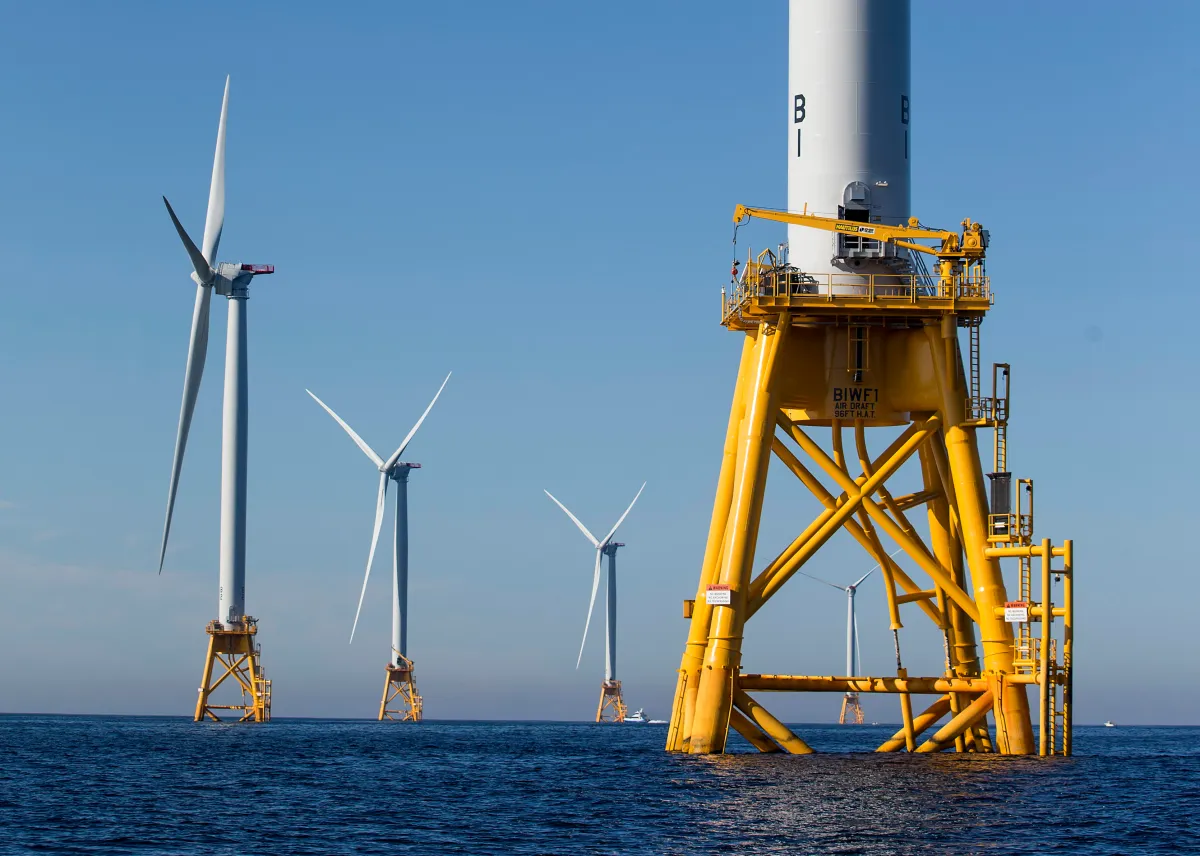
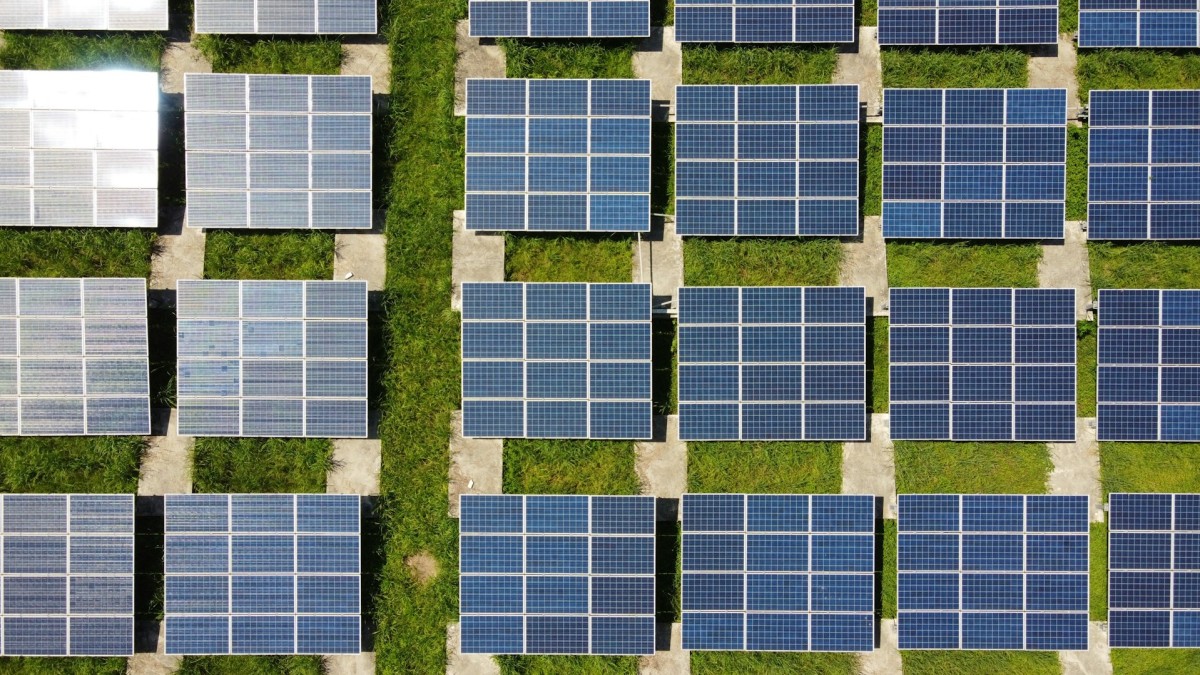
More than $121 billion worth of early-stage renewable energy projects are at risk of getting caught up in the Interior Department’s permitting blockade, according to a Wood Mackenzie analysis.
That total represents a pipeline of 92 gigawatts of solar, wind, and battery storage projects planned on federal and private lands through 2029. They could be subject to heightened scrutiny by DOI under five policies published last year — including one that requires Secretary Doug Burgum’s office to sign off on permits rather than career bureaucrats. Wood Mackenzie’s analysis doesn’t include the some 29 gigawatts of onshore wind projects that the Pentagon is also holding up, citing national security concerns.
Renewable energy groups have sued both DOI and the Pentagon, arguing that their new review processes unlawfully discriminate against wind and solar technology. A federal judge in April issued a preliminary injunction blocking DOI from enforcing its policies. DOI appealed the ruling on June 17 — leaving projects in limbo. The lawsuit against the Pentagon was filed in May.
The Trump administration’s permitting regime has already caused project delays and cancellations, although Wood Mackenze noted that supply chain constraints, federal funding withdrawals, and tighter financing conditions were also to blame. Since 2025, more than 70 GW of early-stage renewable energy capacity on federal and private land has either stalled or been canceled, with ripple effects expected over the next several years.