NEW DELHI: The first two years of implementing the new criminal laws have established the architecture of reform and by December, plans are afoot to integrate it with Artificial Intelligence (AI), according to top officials.More than 16 lakh personnel have been trained on the implementation of the new laws. The three new criminal laws -- Bharatiya Nyaya Sanhita, 2023; the Bharatiya Nagarik Suraksha Sanhita, 2023; and the Bharatiya Sakshya Adhiniyam, 2023, replacing the Indian Penal Code, the Code of Criminal Procedure and the Indian Evidence Act, respectively are set to complete two years of implementation on July 1.The first two years have focused on bringing the laws into force and on building the legal, administrative, technological and institutional architecture required for their effective implementation across the country.Maharashtra govt to set up expert panel to frame SOPs for AI use, says minister"At the centre of the reforms are 145 statutory procedural timelines intended to introduce greater certainty and discipline at different stages of criminal proceedings," they added. "The framework places particular emphasis on timely investigation, filing of charge sheets, use of scientific evidence and closer coordination among police, courts, prisons, forensic laboratories and prosecution agencies. Compliance with the prescribed timelines for filing the chargesheets has shown improvement during the implementation period. The compliance rate in cases requiring completion within 60 days increased from about 52% in 2024 to 66.35% in 2026," officials said.Govt to amend Mumbai Police Act to plug loopholes misused by dance bars: Maha CM Devendra Fadnavis"In cases covered by the 90-day period, compliance rose from 43% to 59.63%," said another official.The overall national implementation score increased from 46.5% in November 2025 to 70.06% in June 2026, reflecting progress in notifications, digital applications, integration and operational compliance. Zero FIR enables a person to report an offence at any police station, irrespective of where the offence occurred. The complaint can subsequently be transferred to the police station having territorial jurisdiction. As many as 63,572 zero FIRs were registered between July 1, 2024 and June 26, 2026, according to official data.
Two years on, govt eyes AI push for new criminal laws
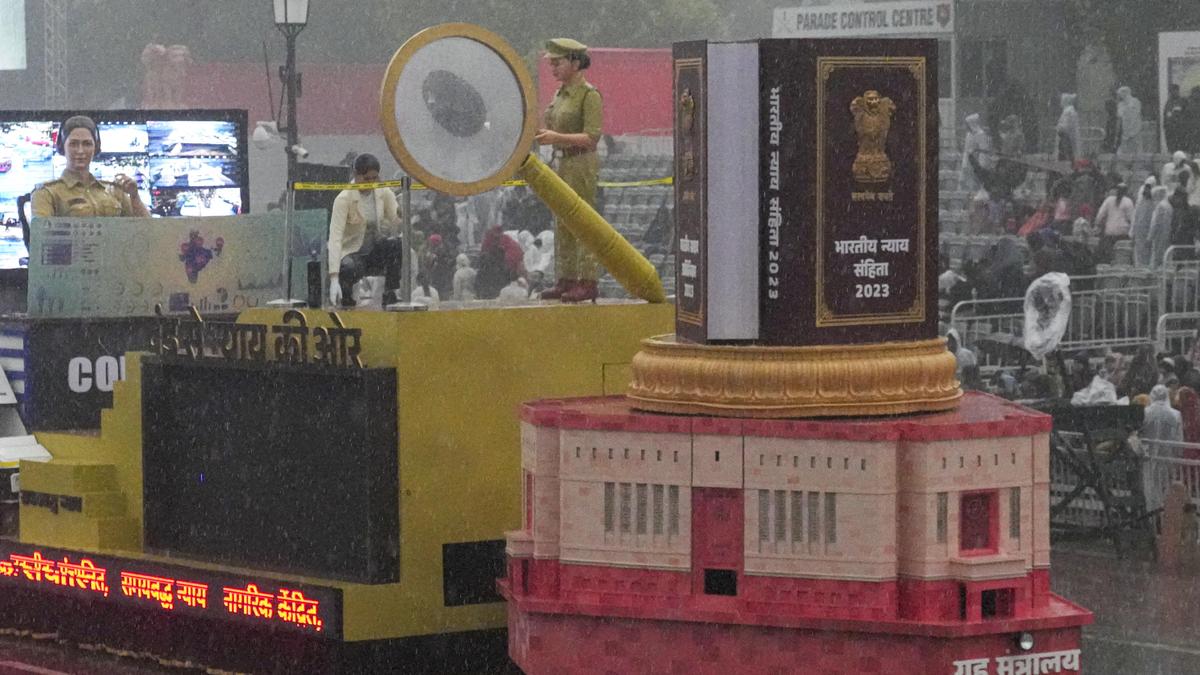
More than 16 lakh personnel have been trained on the implementation of the new laws. The three new criminal laws -- Bharatiya Nyaya Sanhita, 2023; the Bharatiya Nagarik Suraksha Sanhita, 2023; and the Bharatiya Sakshya Adhiniyam, 2023, replacing the Indian Penal Code, the Code of Criminal Procedure and the Indian Evidence Act, respectively are set to complete two years of implementation on July 1.
340 words~2 min read