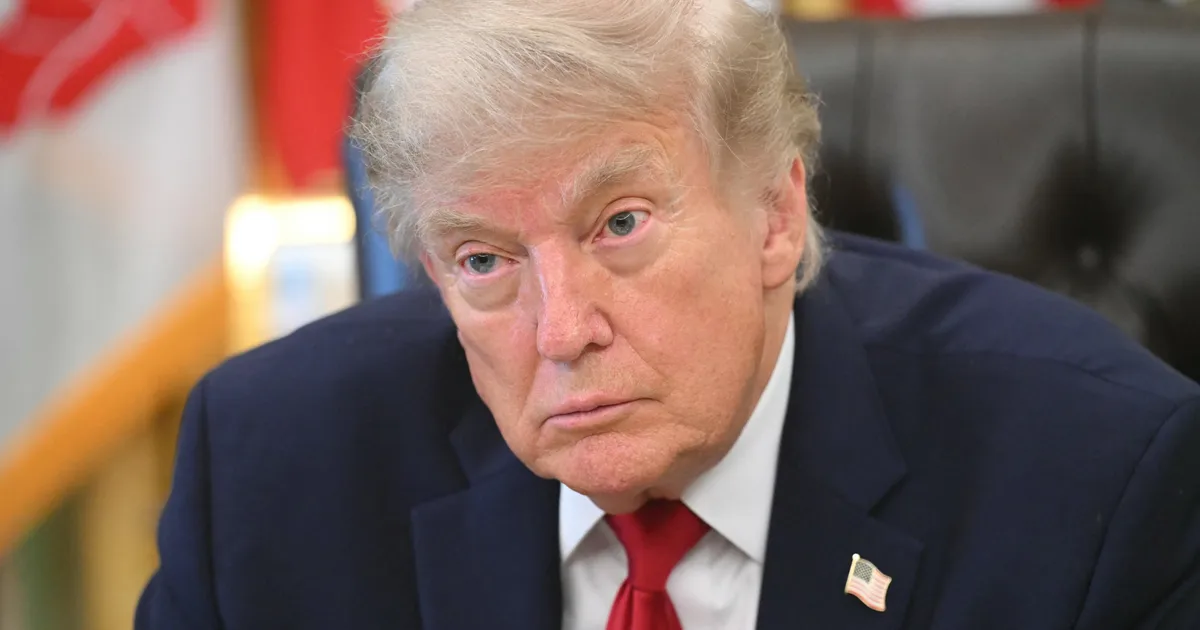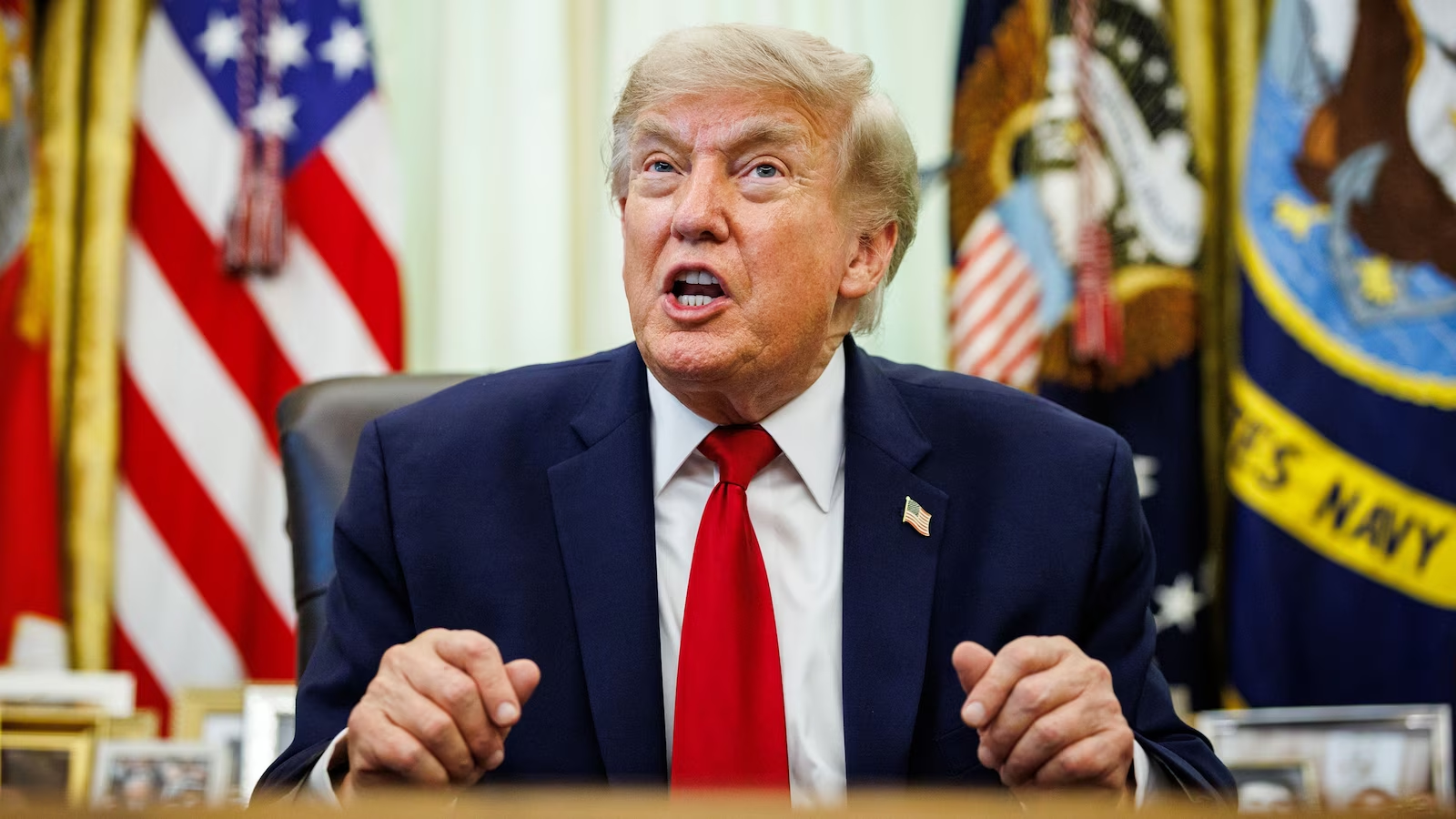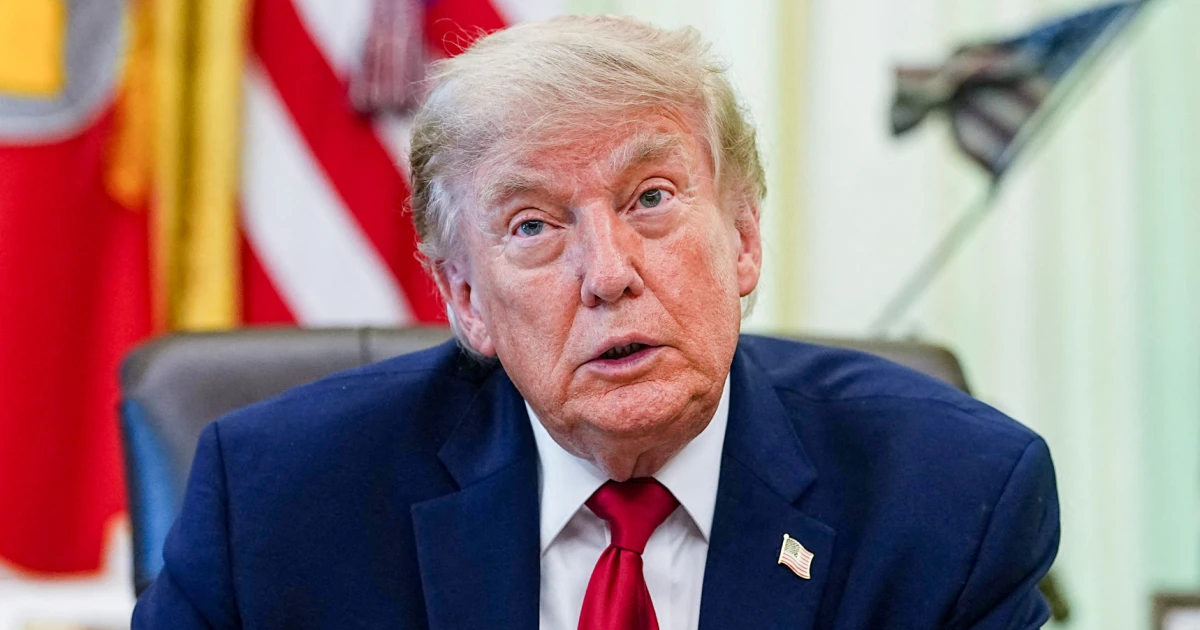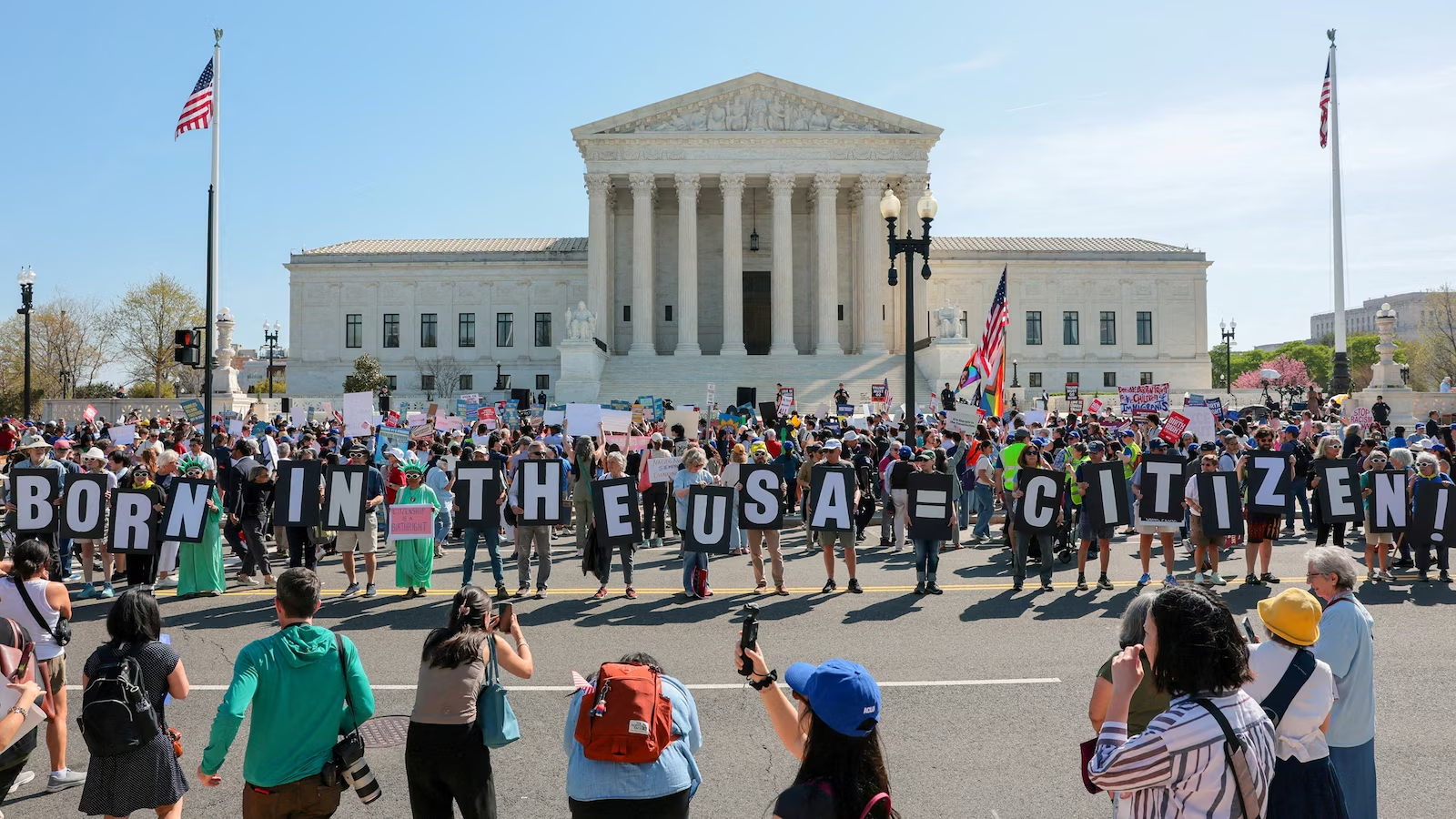
President Donald Trump is turning to Congress to pass legislation on birthright citizenship after an attempt to end the practice via executive order was struck down by the Supreme Court.The court voted down Trump’s executive order ending birthright citizenship by a 6-3 vote on Tuesday morning, striking down an executive order that Trump signed on his first day back in office last year.
The president wrote on Truth Social Tuesday afternoon that the decision “is too bad for our country.”“We can easily make it up in Congress through Legislation, with the support of the president, that has now been determined during this process. No long and unwieldy Constitutional Amendment is necessary!” he added. “Congress should start TODAY to work on ending expensive and unfair to our Country, Birthright Citizenship. They will have my Complete and Total Support!”Supreme Court Justice Brett Kavanaugh, a Trump appointee, wrote an opinion in the case that outlined a potential way for Congress to clarify who is eligible for birthright citizenship via legislation.“Congress could—consistent with the Fourteenth Amendment—amend [existing law] or otherwise enact new legislation establishing exceptions to birthright citizenship for children born to foreign citizens unlawfully or temporarily in the country,” Kavanaugh wrote. “But Congress has not yet done so.”Lawmakers have introduced at least two bills regarding birthright citizenship, one in the House by Rep. Brian Babin (R-TX) and another by Sen. Lindsey Graham (R-SC), both of which try to avoid the need for a constitutional amendment by providing further legislative definitions of the 14th Amendment. Graham underscored his legislative endeavors on Tuesday, promising to make birthright citizenship one of his top priorities if he is Senate Judiciary Committee chairman next year.TRUMPWORLD ‘OBVIOUSLY’ FEELING BUYER’S REMORSE OVER AMY CONEY BARRETT“There should be two pathways to citizenship – one, under the 14th Amendment, to ‘All persons born or naturalized in the United States, and subject to the jurisdiction thereof’ and two, via naturalization,” he wrote. “I disagree with the Supreme Court that children of illegal aliens and aliens only in the U.S. temporarily are ‘subject to the jurisdiction’ of the United States.”