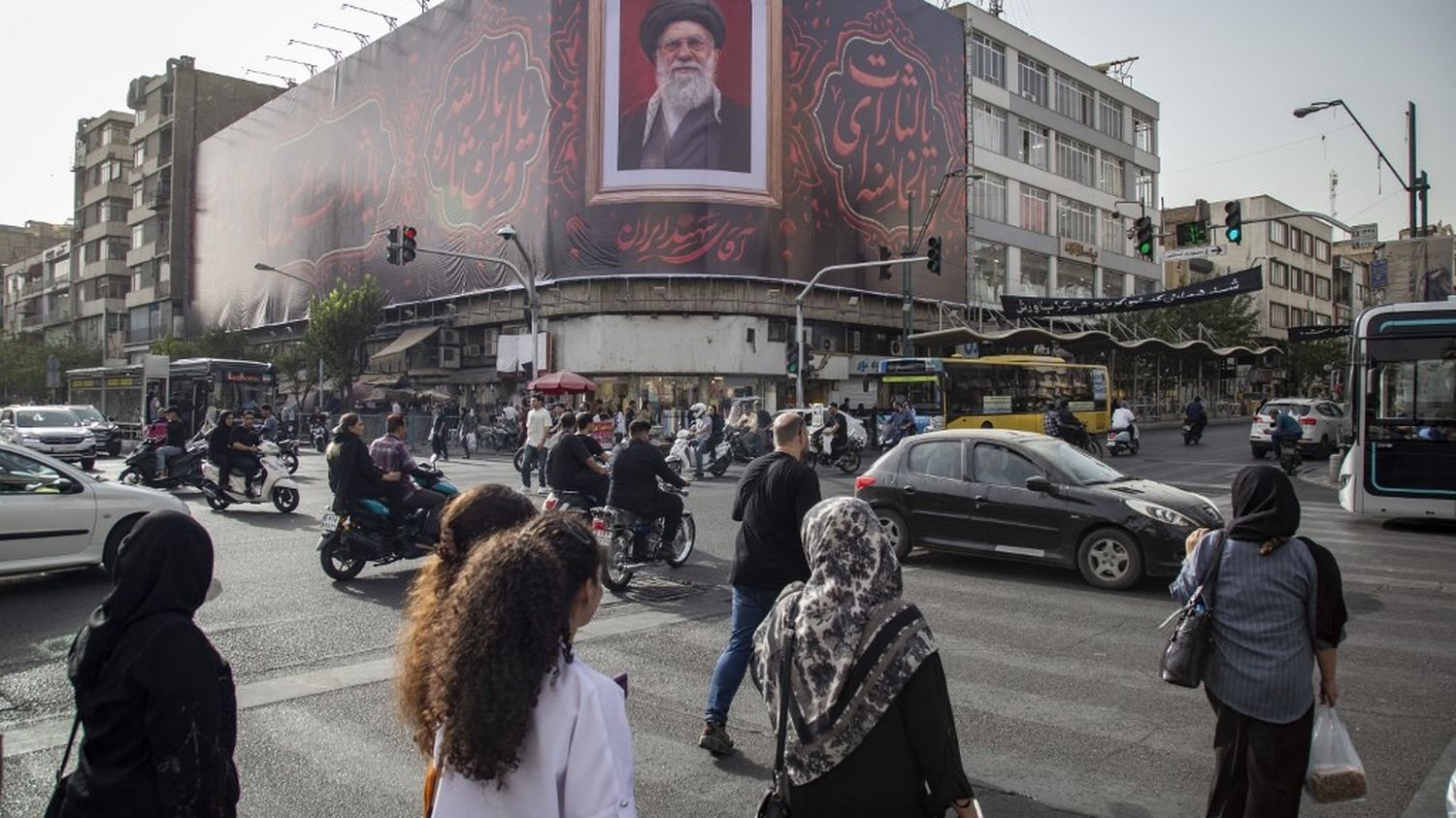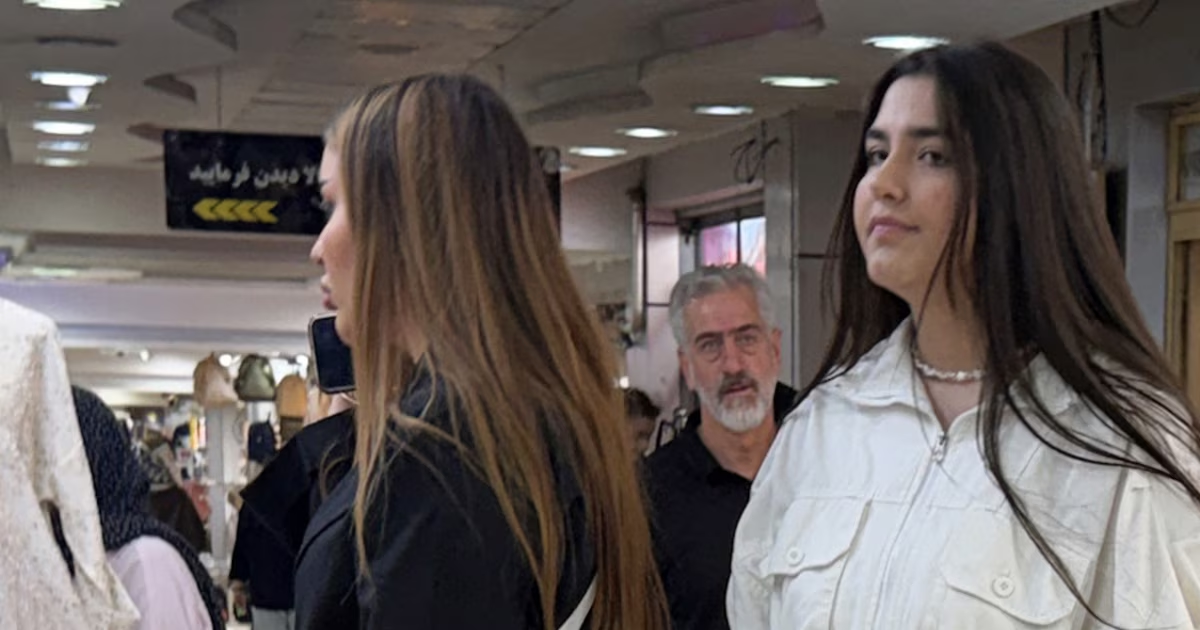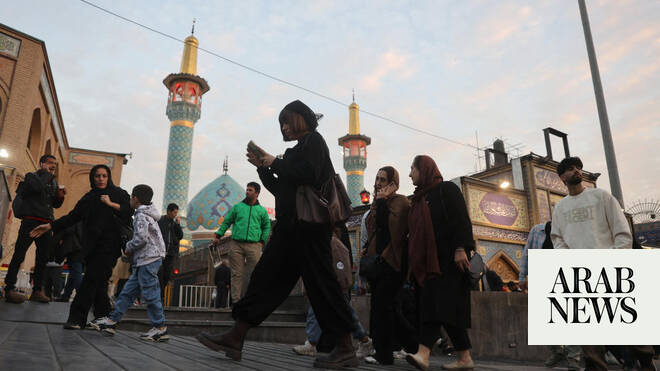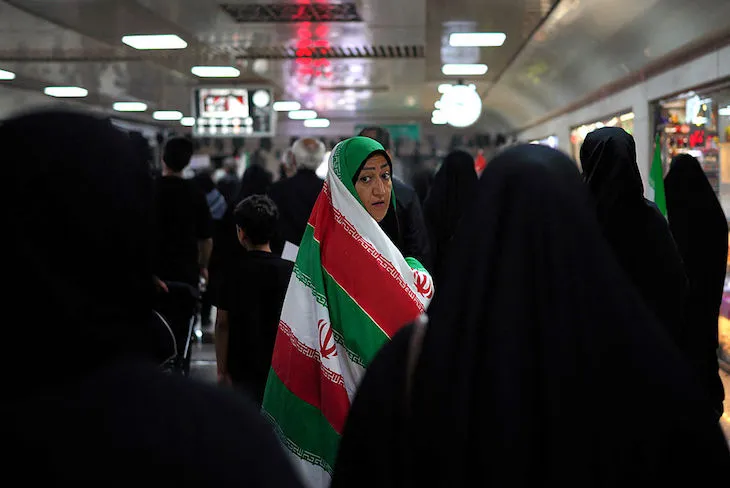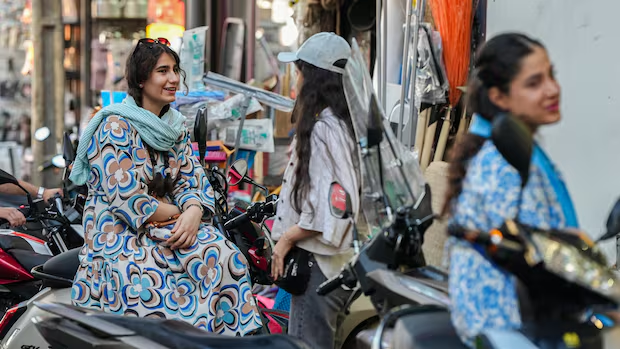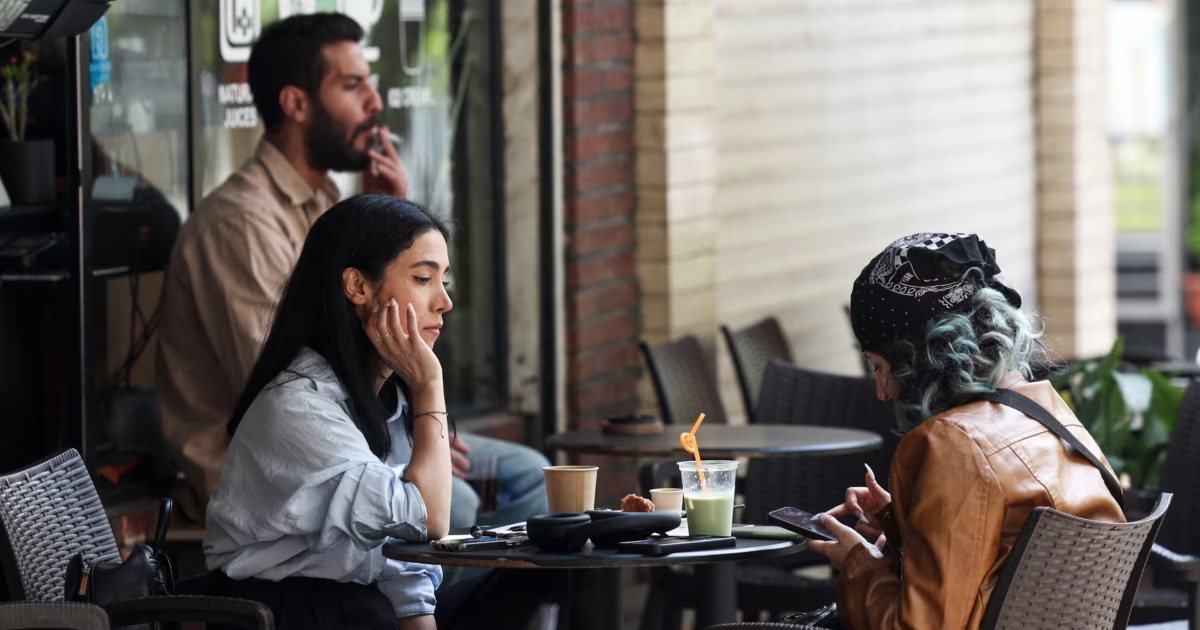
At first glance, the tree-lined sidewalks of Valiasr Street -- Tehran’s cultural and commercial hub -- look ordinary. It’s what you don’t see that is radical.Women move through the city in sleeveless tops and short-sleeved dresses, loose trousers, and fitted jeans. Some wear head scarves by choice. Many do not. Cafes are busy, traffic crawls.No one appears to be watching or really paying much attention to what is going on. And that’s what stands out most.The once-feared patrols that policed women’s clothing head to toe have largely vanished from everyday street life. The compulsory hijab rules are still there, but their enforcement has visibly eased across Iran’s major cities, previously battlegrounds for women fighting against the so-called morality police for freedom.“I haven’t seen any hijab patrols in a very long time,” one Tehran resident in her late 30s told RFE/RL’s Radio Farda. She spoke on condition of anonymity over security concerns. “Women dress as they like.”Anti-Hijab ProtestsThe shift follows years of resistance by women that culminated in the 2022 Woman, Life, Freedom protests and has accelerated in recent months amid Iran’s war with the United States and broader political strains.“Just a few years ago, this was unthinkable,” noted one mother of two in her 40s who said she now runs errands without any head covering and in short sleeves without incident.She recalled a recent visit to a government finance office without covering her hair. At the door, an employee asked her to put on a head scarf --but only until she passed the entrance.
Where Did Iran's Hijab Police Go?
Once-feared patrols that enforced Iran’s compulsory hijab rules have largely vanished from the streets, and uncovered hair is now commonplace. But the law remains, and the change is uneven, uncertain, and still contested.
756 words~3 min read