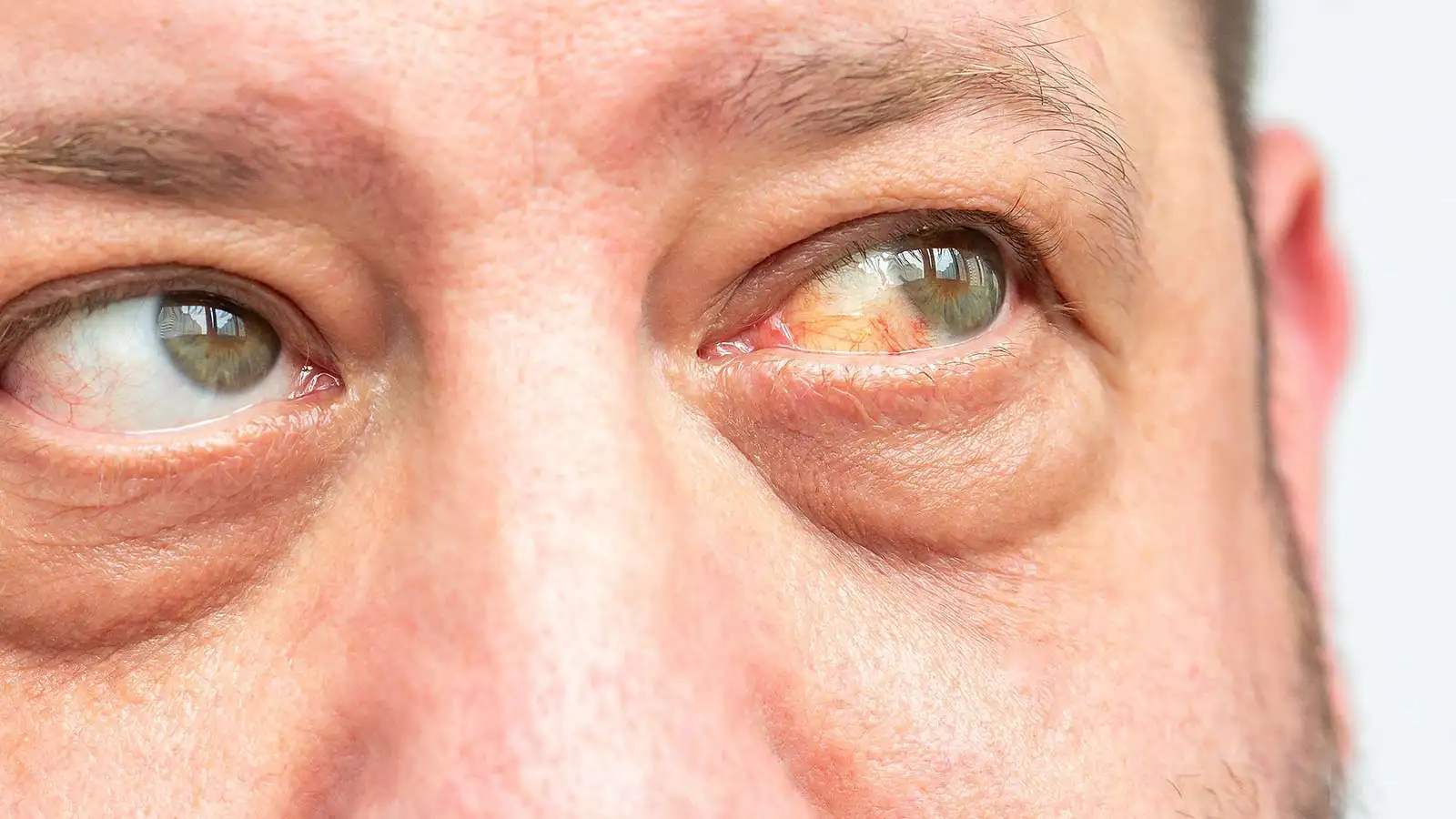
With the approval of Lumvoa (veligrotug-vvze, Viridian Therapeutics), there are now two FDA options for patients with thyroid eye disease that impacts their quality of life.
This is a second-in-class drug that is a complete IGF-1 antagonist — Tepezza (teprotumumab-trbw, Amgen) was first approved in 2020 and is a partial IGF-1 antagonist. The efficacy and side effect profile are similar. The differentiation lies with the dose of the product (10 mg/kg instead of 20 mg/kg) and number of infusions (five instead of eight infusions over 30 minutes instead of 60 minutes). It will be interesting to get real-world experience with this new option.
A third option may be available soon. The FDA just granted priority review to Roche's Enspryng (satralizumab, Genentech), which would be the first and only at-home subcutaneous treatment option for patients with TED with moderate to severe symptoms and signs that impact their quality of life. This humanized monoclonal antibody targets IL-6. The drug is already FDA approved for neuromyelitis optica spectrum disorder with a known safety profile across clinical trials and in real-world experience.
The pivotal phase 3 SatraGO-1 and SatraGO-2 trials reported a primary endpoint of proptosis response at week 24 of 49% and 53%, respectively, which is significantly lower than the competing IGF-1 antagonists. The SatraGO-1 trial did not meet statistical significance when compared with placebo data. But more promising was reduction in the clinical activity score of 78% and 90%, respectively, and the reduction in diplopia of 44% to 61% of subjects, which is as good or better than the IGF-1 antagonists.