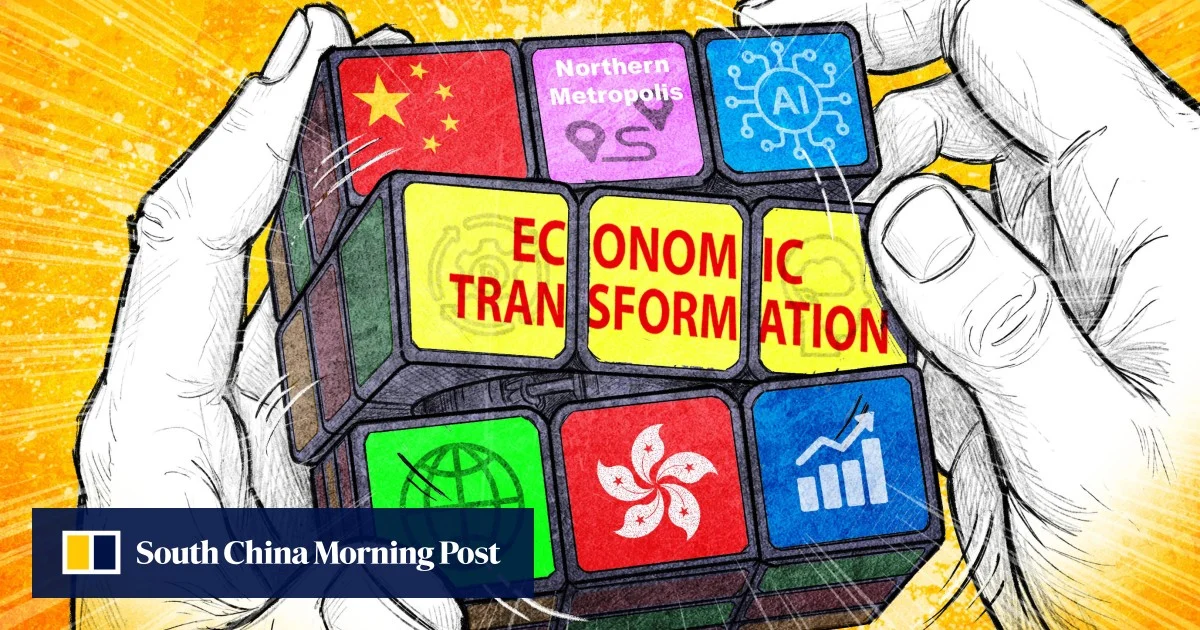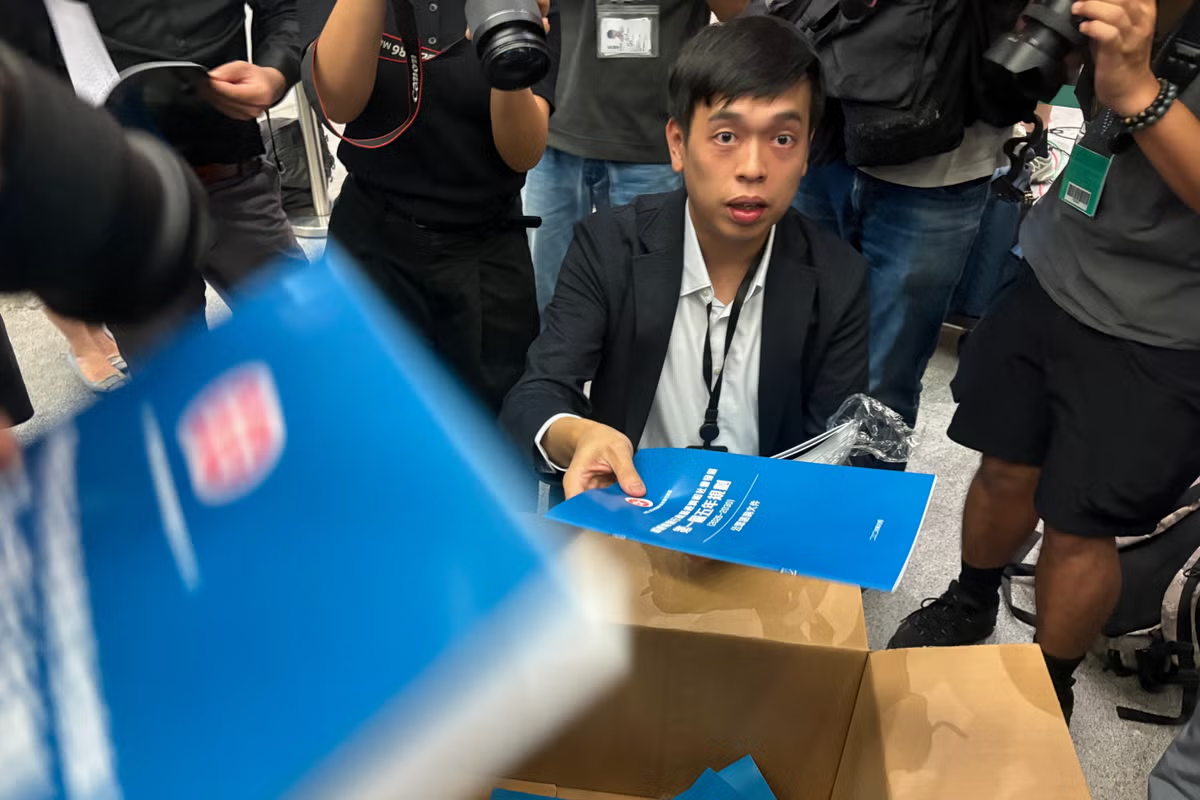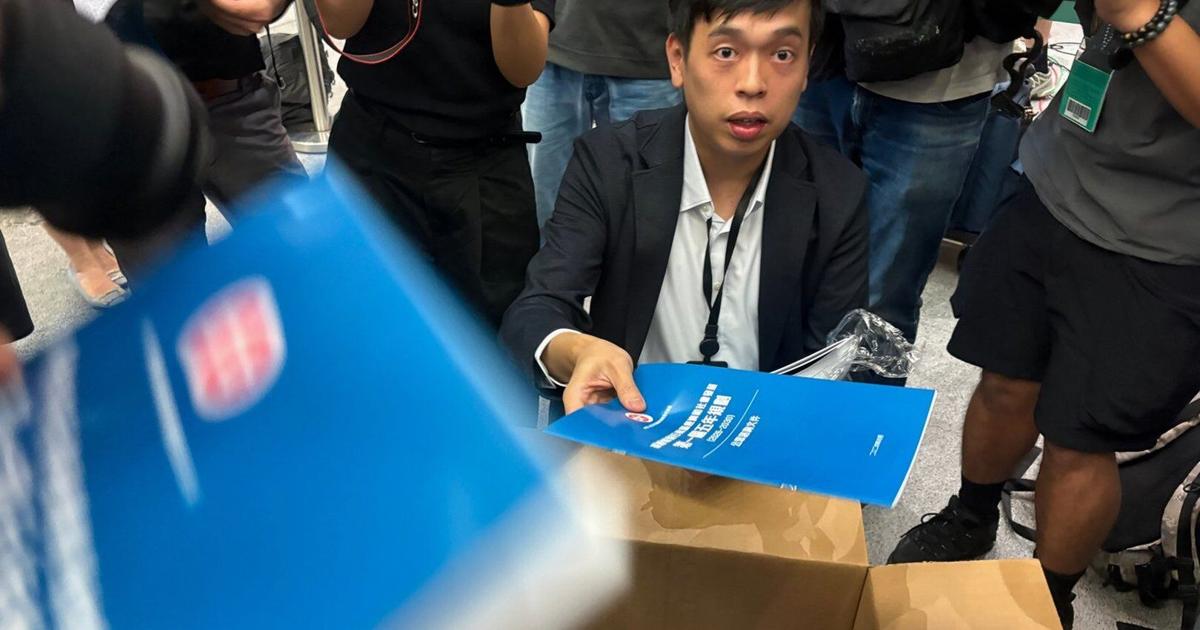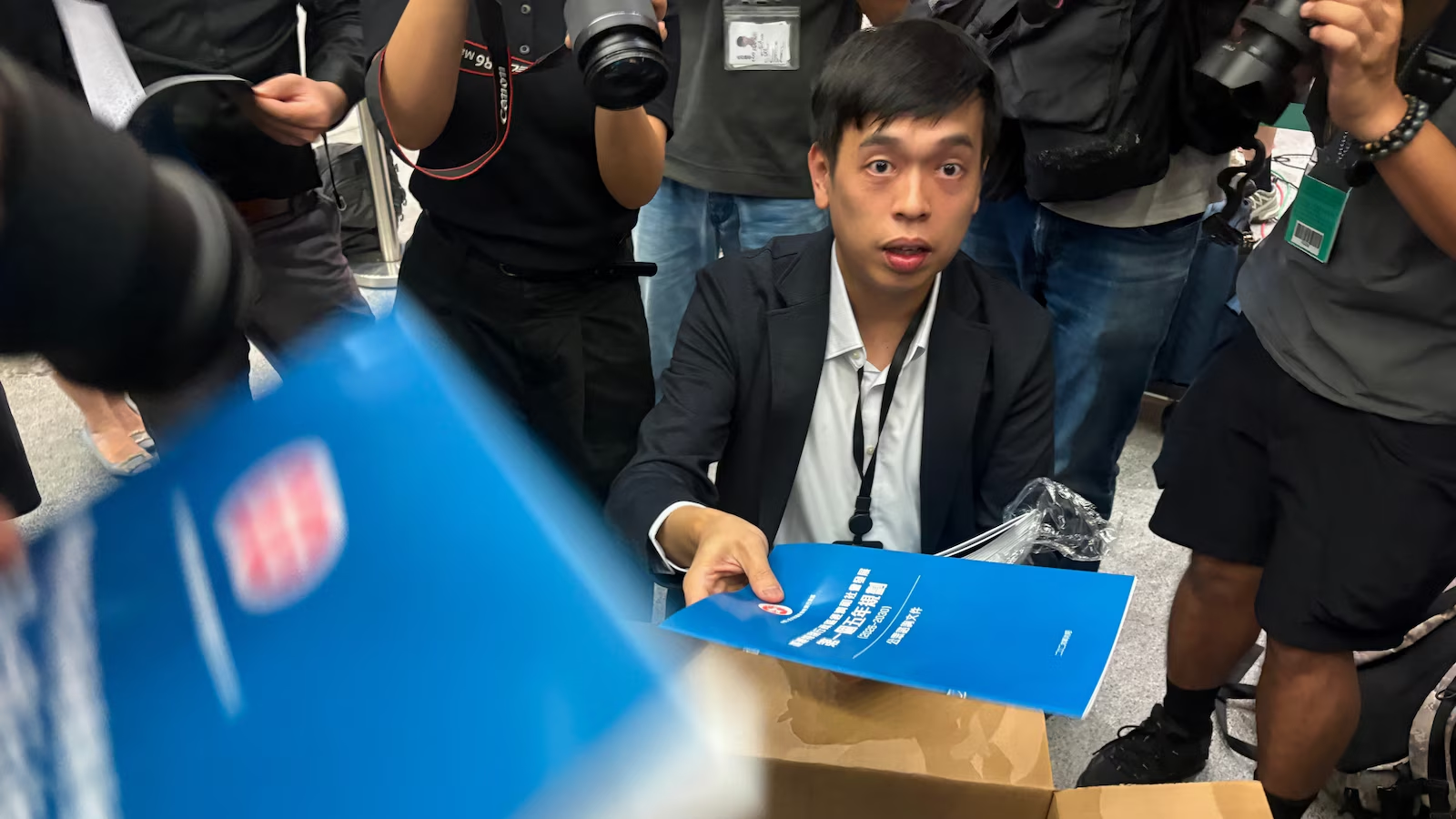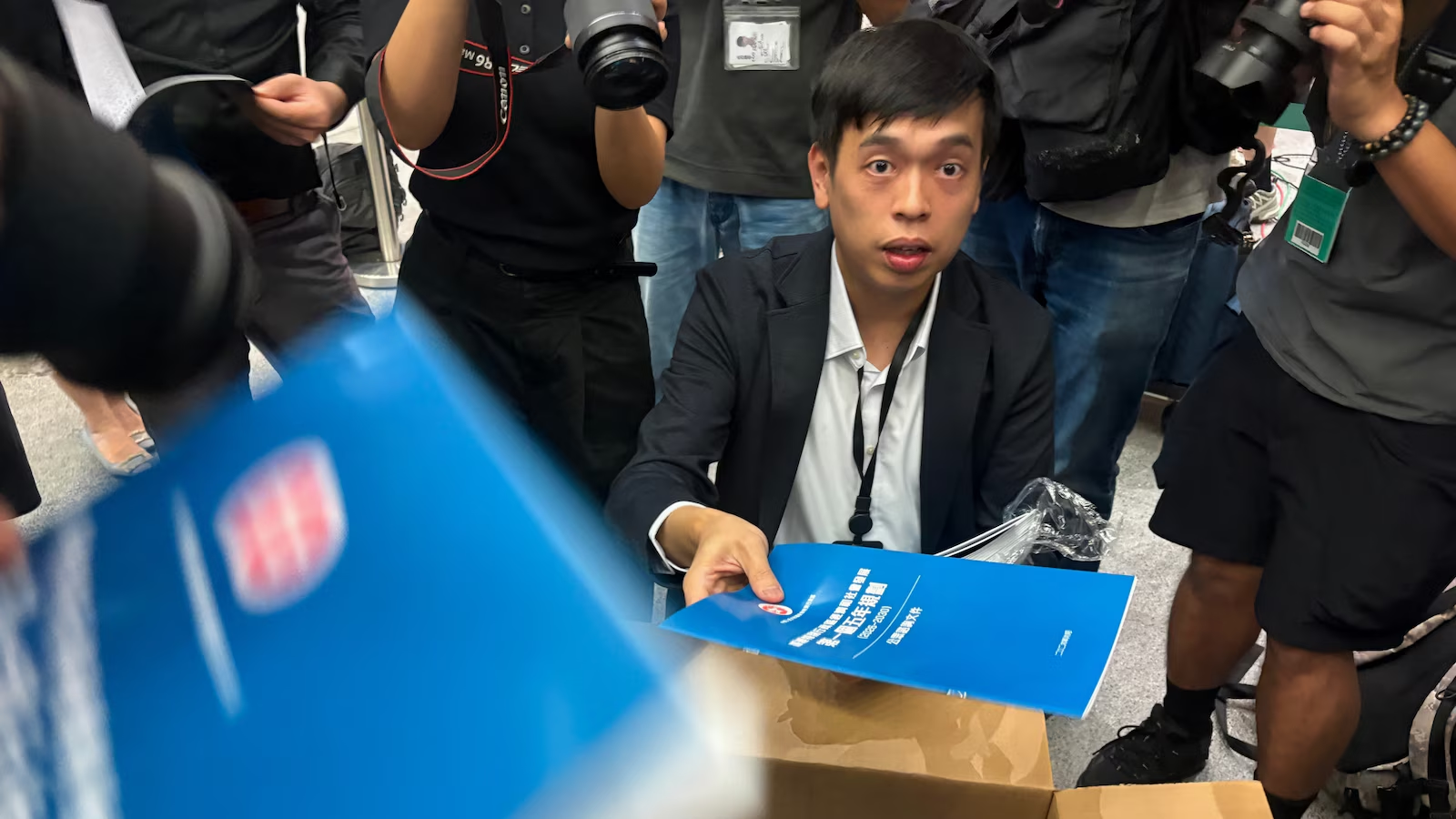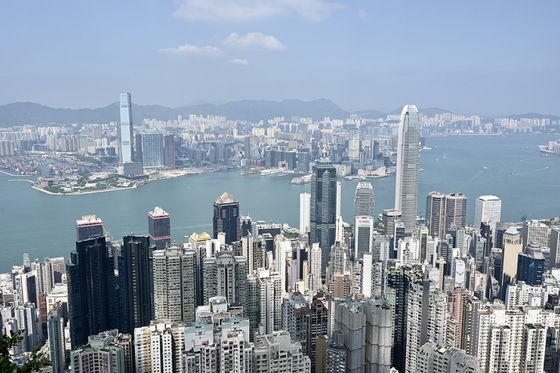
Hong Kong has opened a two-month public consultation period on its first Chinese-style five-year plan, aiming to release the blueprint in the third quarter and align itself more closely with Beijing’s goals—particularly development of the Greater Bay Area of southern China.
The move is widely seen as a shift from the laissez-faire capitalism Hong Kong is known for, fueling debate over the city’s economic future. But Janice Tse, the city’s secretary for constitutional and mainland affairs, stressed that the plan will help Hong Kong serve the cause of national development while upholding its free-market economy.
“Aligning with the national 15th five-year plan does not replace the free market,” she said at a briefing on June 15, referring to the 2026–2030 plan that the Chinese leadership approved at the annual legislative congress in March. “Rather, it offers a clear vision and strategic planning through major policies and allows the market to develop more stably and clearly.”
Sonny Lo, an honorary professor of politics at the University of Hong Kong, said central planning can be good for a market economy, and it does not necessarily mean that Hong Kong is ditching capitalism.
“The central authorities think that Hong Kong was not doing good enough in planning. So they want Hong Kong to align with central authorities under the leadership of the incumbent Chief Executive John Lee,” Lo said in a phone interview.