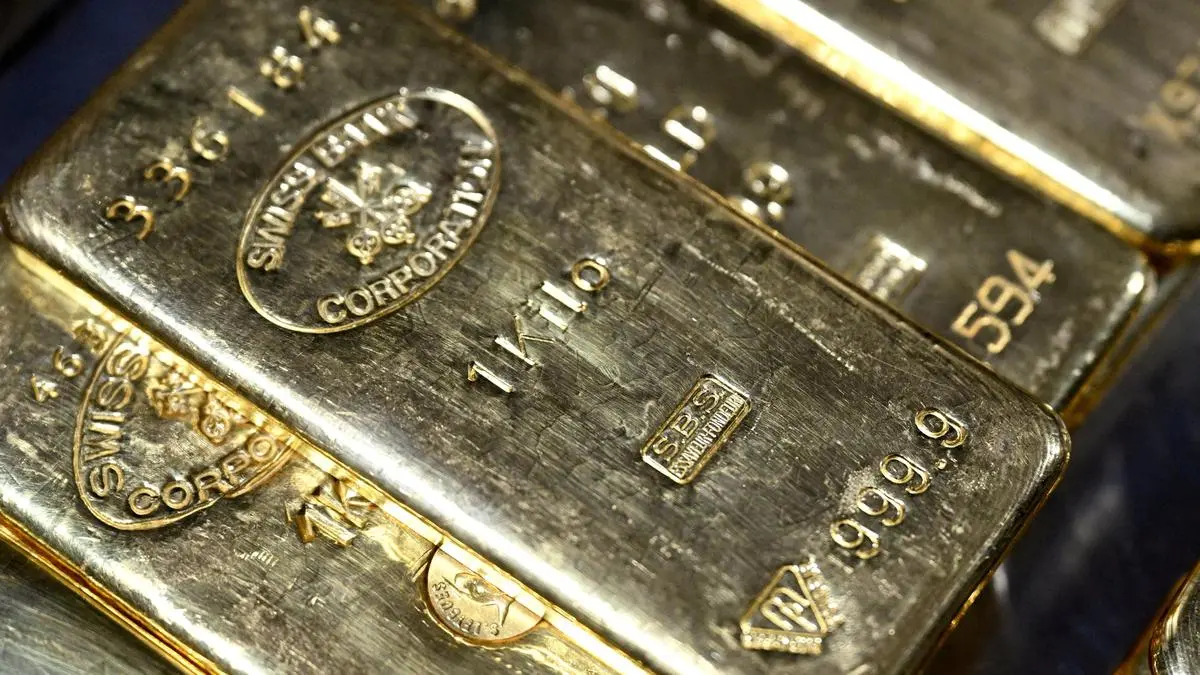
The report cautioned that a prolonged correction in gold prices could weaken collateral protection, increase borrower stress and result in higher delinquencies
The rapid growth in lending against gold collateral amid elevated gold price volatility merits continued vigilance, even as asset impairment risks remain contained and LTV (loan-to-value) ratios provide comfortable cushion, according to the RBI’s Financial Stability Report (FSR).borrower stressThe report cautioned that a prolonged correction in gold prices could weaken collateral protection, increase borrower stress and result in higher delinquencies. Gold loans include agriculture gold loans that are offered against the collateral security of gold jewellery, ornaments and coins.Gold loans have emerged as the largest segment within non-housing retail loans, growing at a CAGR of 42.4 per cent since March 2024, nearly twice the pace of overall non-housing retail loans (CAGR of 23.0 per cent) in the same period, per the FSR, which is a half-yearly publication with contributions from all financial sector regulatorsThe report noted that both banks and NBFCs have significantly expanded their gold loan portfolios in 2025–26, outpacing growth in other retail loan categories, including housing loans. This trend has been supported by a sharp increase in gold prices.The FSR assessed that the recent increase in gold loans is driven primarily by existing borrowers, who are using higher gold prices to secure larger loans and roll over existing debt, as indicated by the gap between fresh originations and loan outstanding.This is particularly visible in NBFC loan originations, which have far exceeded those by public and private sector banks.Overall, the gold loan portfolio of lenders rose 54.5 per cent year-on-year (y-o-y) as of March-end 2026. Within lender categories, NBFCs’ growth surged 96.5 per cent, followed by public sector banks (51.6 per cent) and private sector banks (44.7 per cent). Lenders’ outstanding gold loan portfolio stood at ₹18.4 lakh crore as of March-end 2026, per RBI data.Gold loans are subject to a LTV cap between 75 per cent and 85 per cent based on the amount of gold loan borrowed.“Notably, LTV ratios across banks and NBFCs have declined despite strong growth in gold loans, supported by rising gold prices. This has strengthened collateral buffers and provided lenders with a larger cushion against adverse movements in gold prices,” said the report.The FSR gauged that the rapid growth in gold loans has coincided with a moderation in the growth of outstanding personal loans for borrowers who have both personal loans and gold loans. This trend is particularly pronounced among sub-prime borrowers, whose outstanding personal loan balances and loan accounts have declined.Published on June 30, 2026