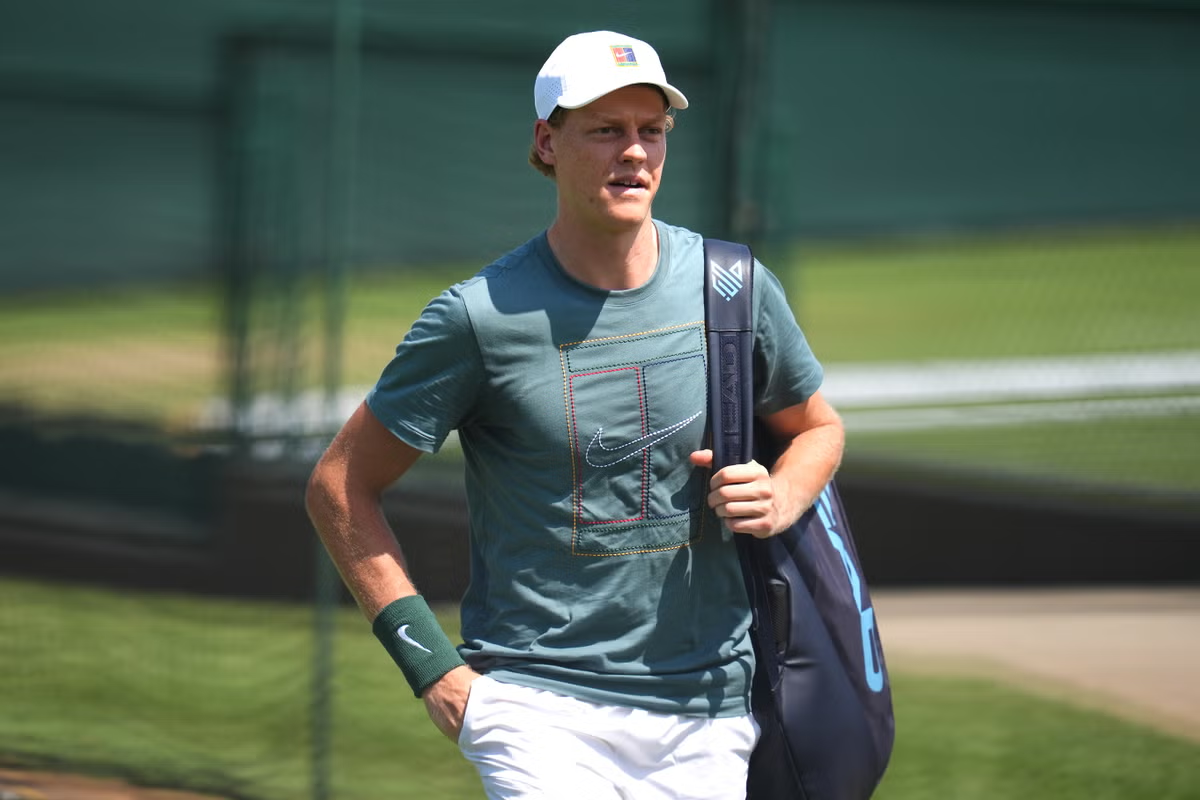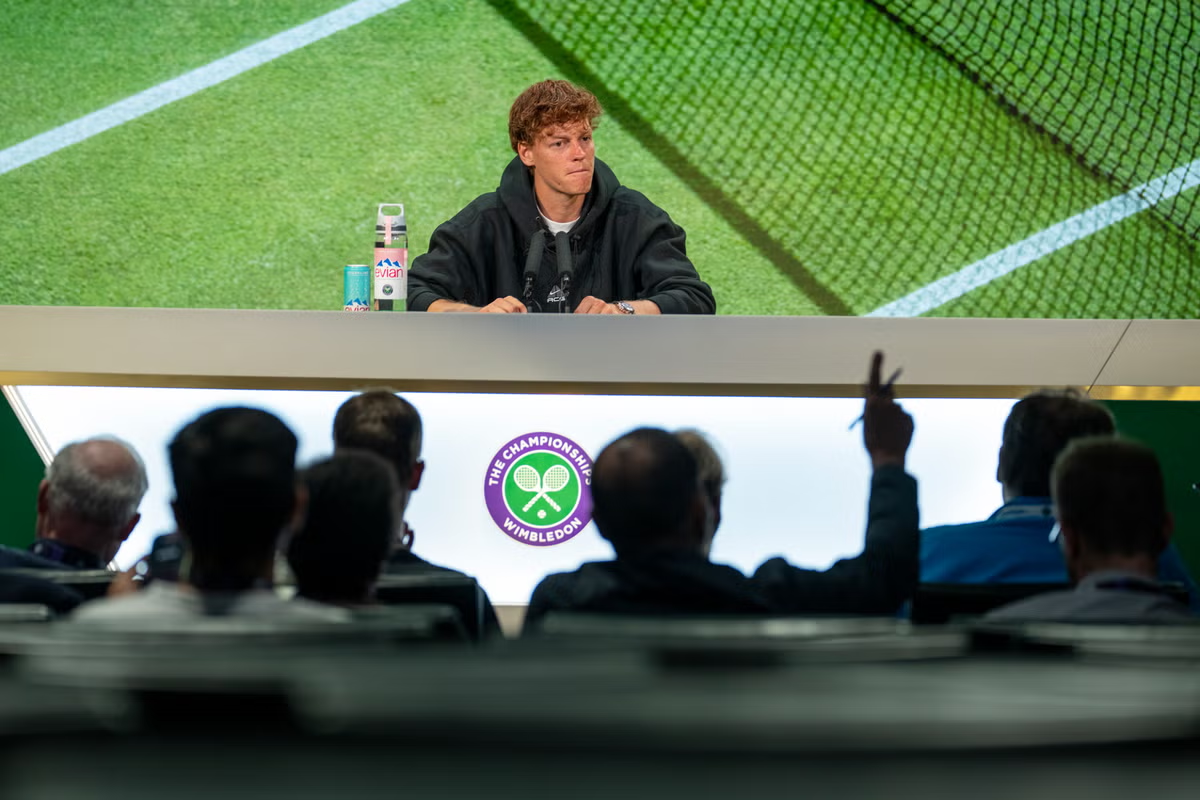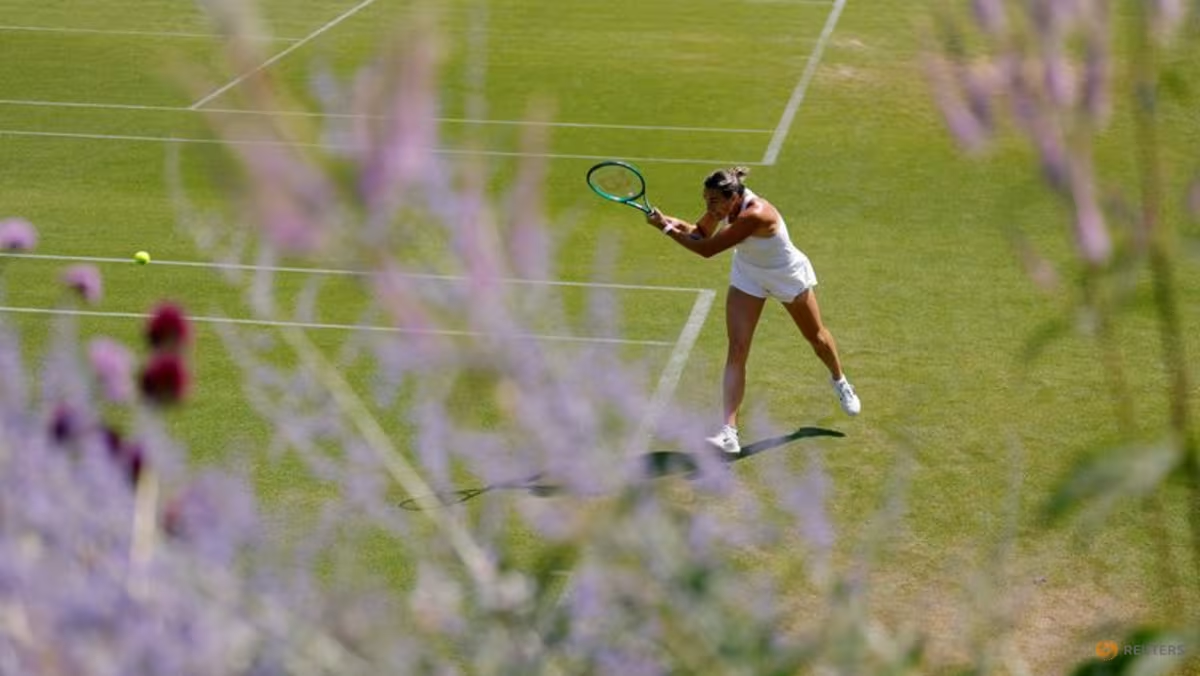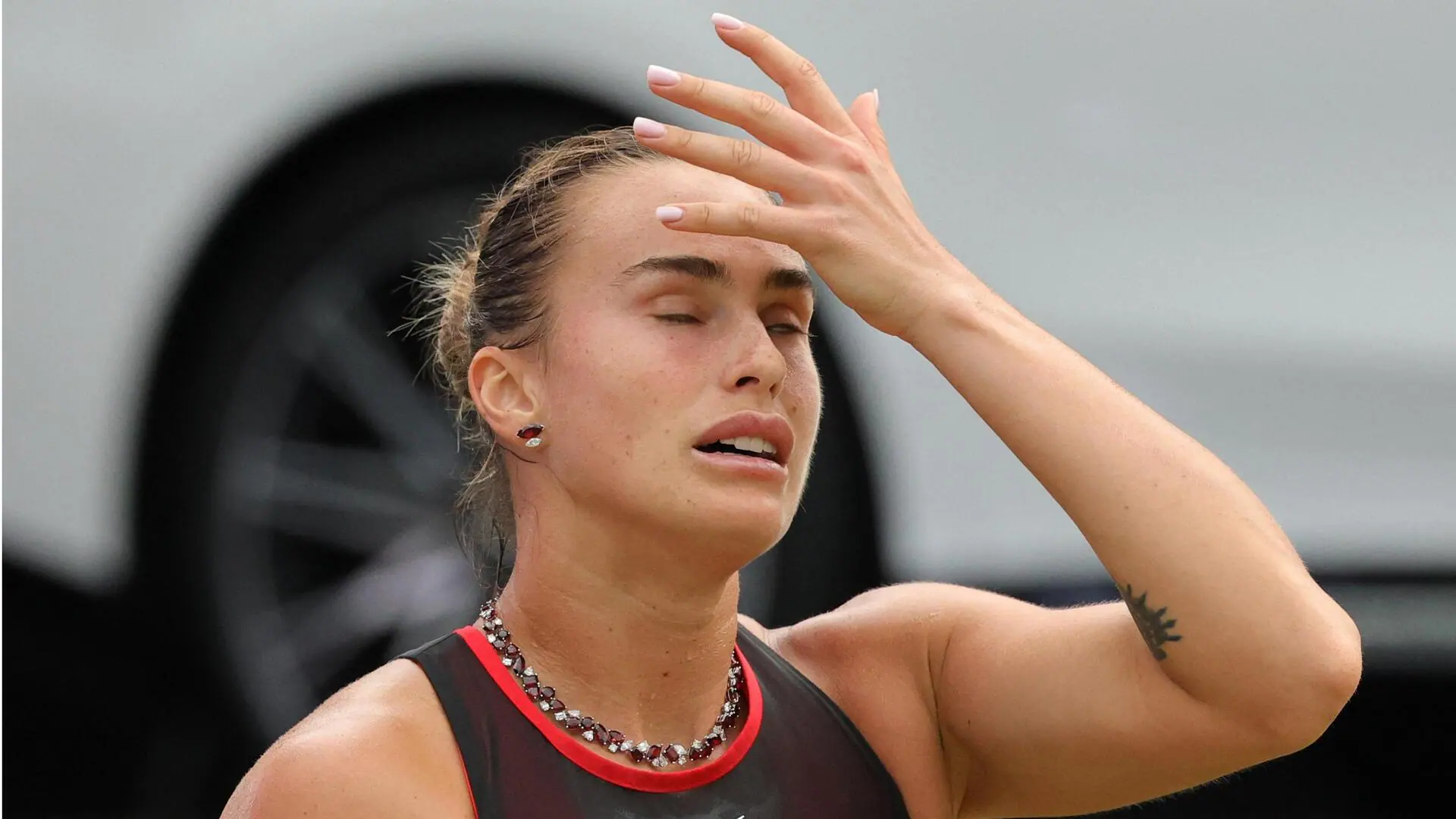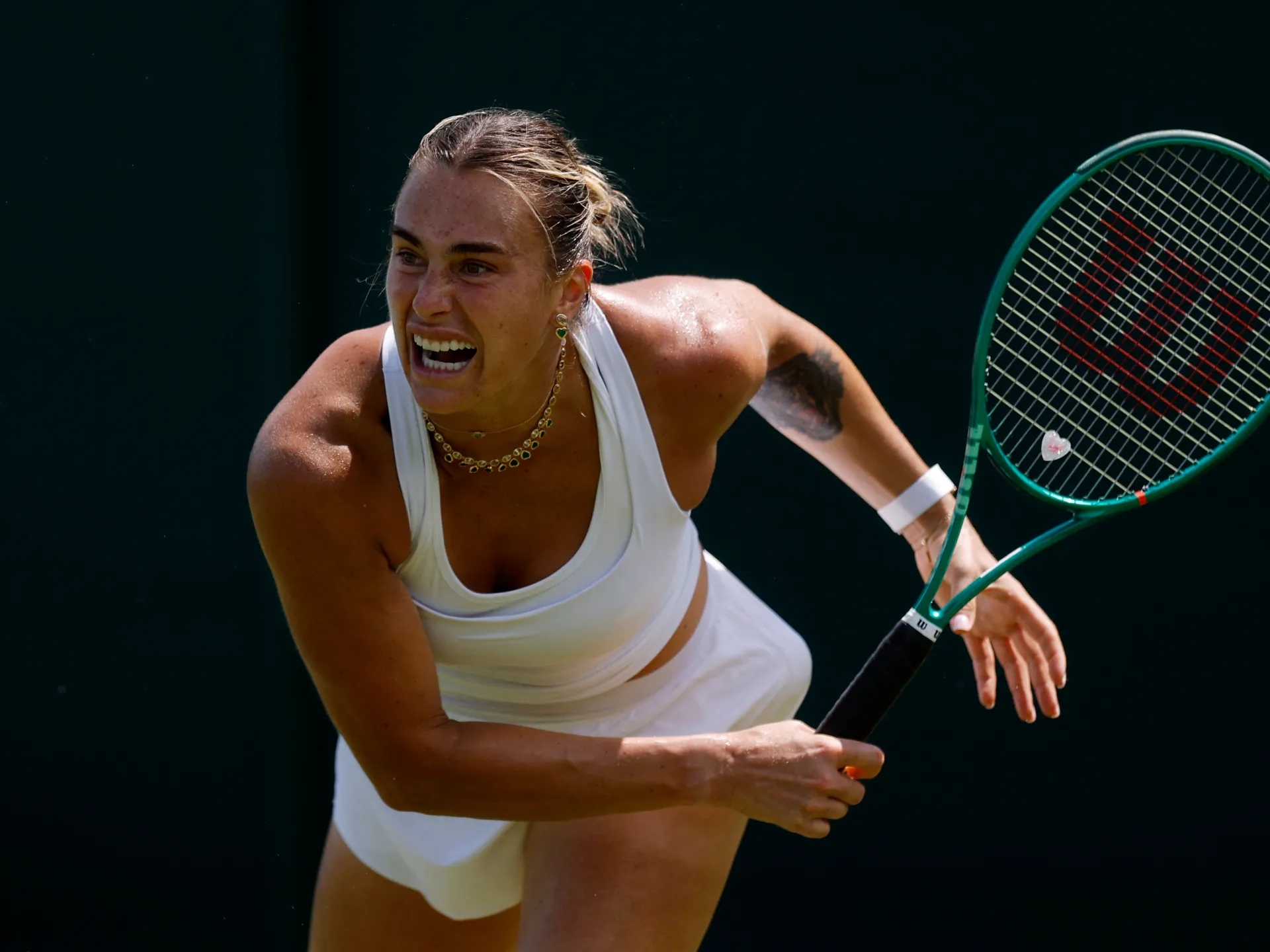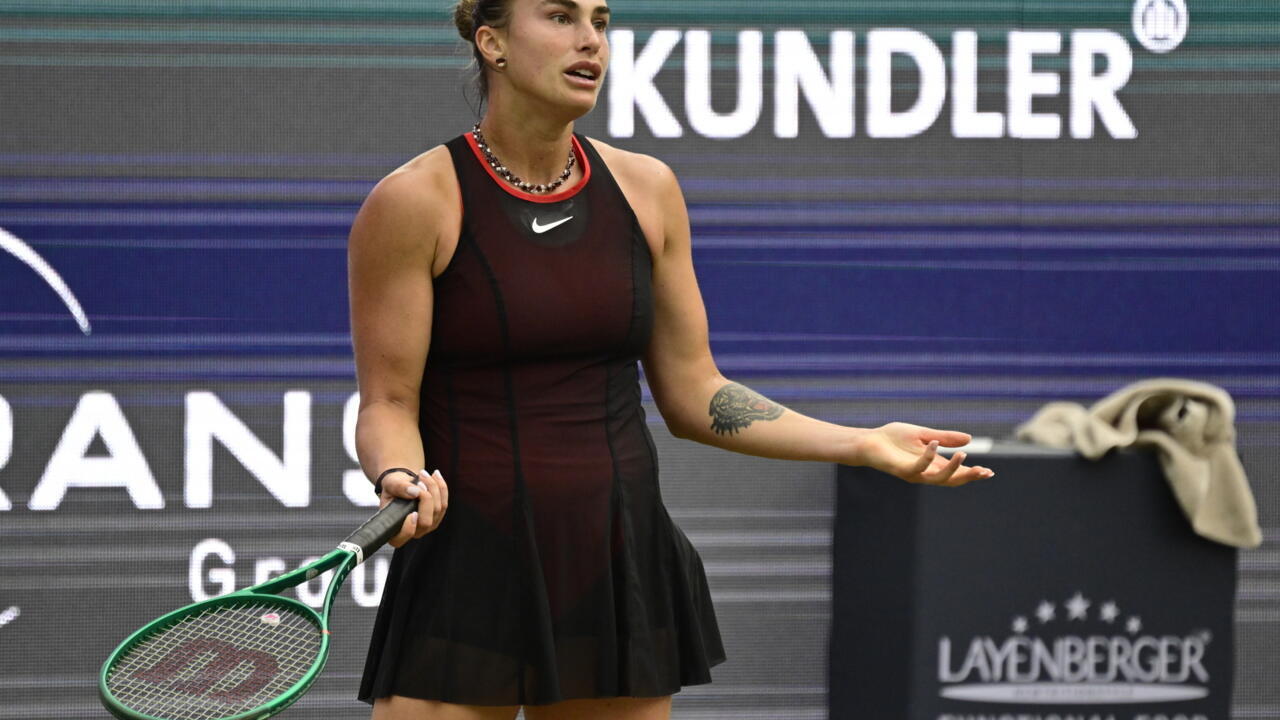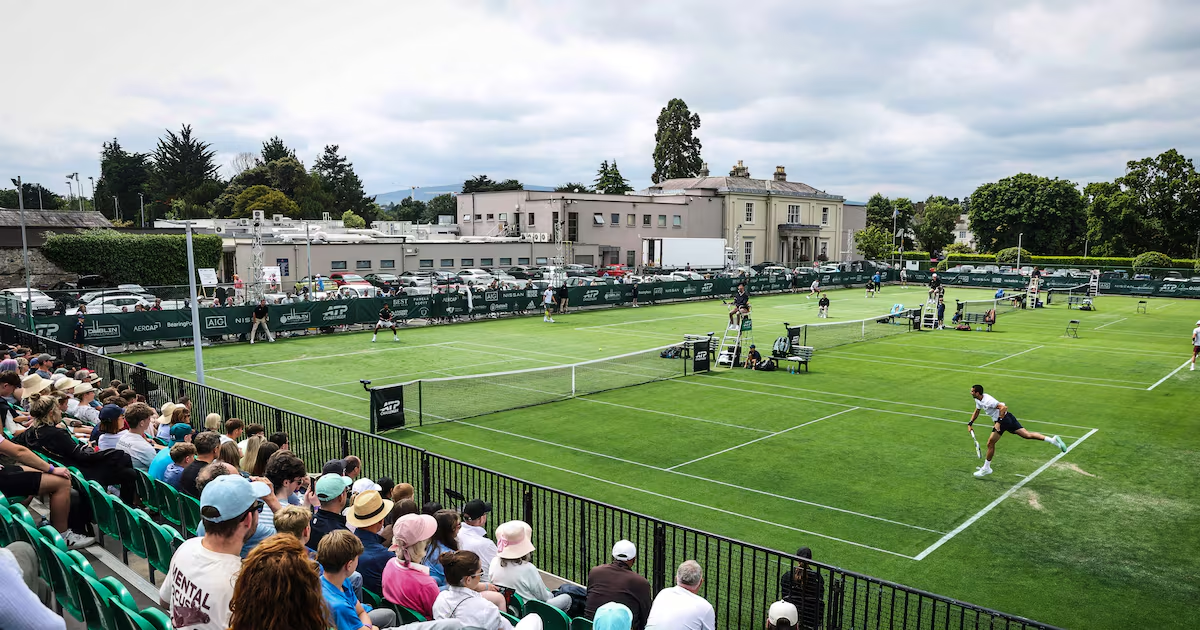
On Monday, Jannik Sinner, Aryna Sabalenka and Coco Gauff ended a two-day media boycott at Wimbledon, part of a campaign called Project RedEye demanding Grand Slams allocate a greater share of tournament revenue to prize money. The All England Club, which increased its prize pot by 20 per cent this year to £64.2 million (€74.6 million), committed to returning with specific proposals. Sabalenka insisted the protest was never about personal enrichment. The aim, she said, was to “stand up and fight” for lower-ranked players. Yet those players have a different view from the bottom.For Dylan Leeman, that threshold is a long way off. The 23-year-old from Belfast wasn’t at Roehampton last week for the Wimbledon qualifiers. The world he inhabits – Challenger events, qualifying rounds for mid-tier European tournaments – is where the prize money debate should be.“It’s quite tough on the financial side of things,” Leeman said ahead of last month’s ATP Challenger tournament in Dublin, where he received a wildcard entry. “In tennis there’s not too much financial backing and you have to support yourself, really.”After a year at the University of North Dakota, he returned to Ireland and began travelling the European Challenger circuit alone. To fund it, he coaches tennis on the side. Flights, accommodation, entry fees, equipment: all of it self-funded, supplemented by small local sponsorships.“Everything that is paid for is self-funded, or I have small sponsorship opportunities from local people back home,” he said. “But it’s not easy. I have to coach tennis on the side to make a bit of money so that I’m able to travel and play the tournaments.”For once, his family could afford to come and watch at Elm Park in Dublin. “I have a lot of family coming up to watch me. And my coaches, which is rare because at this level it’s hard to afford bringing your coaches and your family to tournaments.”Dylan Leeman celebrates against Charles Broom at the ATP Men's Tournament at Elm Park, Dublin, on June 14th, 2026. Photograph: Tom Maher/©INPHO If Leeman represents the precarious optimism of a player still pushing towards that threshold, Ammar Elamin reflects something starker. The 24-year-old from Mullingar is ranked 1,438 in the world. His combined career prize money in singles and doubles stands at $13,802 (€12,083) according to official ATP records.Elamin has learned to budget tournaments down to the euro. He deliberately targets cheaper destinations over closer ones, reasoning that overall cost matters more than flight time.“Let’s say on average, flights per tournament, two flights, that’s €200 to €400,” he said.“Accommodation, around €40 a night. Food, €20 to €30 a day.” Then there is stringing. Restringing rackets is an expense that Elamin says is underappreciated by anyone outside the sport. “If you’re stringing one a day, or two a day, it can be €15 to €30 a day, just for stringing.” Add taxis, local travel, entry fees. “Per week for a tournament, you’re looking at €800 to €1,000.”He has never travelled with a coach. “I always travel alone because I can’t afford to [bring anyone],” he said. The last time he had support on the road was as a junior, travelling with his father.Asked what his $13,802 in career prize money actually represents, set against years on tour, Elamin didn’t hesitate. “It’s basically nothing. That’s definitely not how I fund my career. From the main tours, it’s basically like nothing. I don’t even consider that as an income, to be honest.”He funds his career instead through club matches in Germany, single-day fixtures that pay better than most tournaments, occasional appearances on the UTR tour, which carries no ranking points but better prize money than the main circuit, and national tournaments in Ireland, where his ranking puts him among the stronger players in the field.Ammar Elamin in action at Elm Park on June 15th, 2026. Photograph: Tom Maher/©INPHO On the Wimbledon protest, Elamin’s view is layered. He doesn’t begrudge the players at the top.“It is fair for them to protest because of the percentage they’re getting,” he said, comparing tennis’s 17.5 per cent revenue share to the NBA’s 49 to 51 per cent.“They do get paid a lot more than me, but as a percentage, they have the right to protest.” But that’s where the relevance stops. “When you see these headlines of these top players protesting, they’re protesting kind of only for the very top guys. Whether their protests are successful or not, it’s not going to change the story for me, unless I get to that stage. For now, for players on the lower tours, outside 200 or 300, that has no impact on us.”He has never entered a tournament expecting to turn a profit. “Pretty much every tournament, going into it, I have in my mind that I’m going to be losing money,” he said. “I haven’t won a pro title yet, so I save up money elsewhere with that thought in mind.”[ Seagulls, seeds and Searle: How Dublin’s first ATP Challenger deliveredOpens in new window ]Asked where the line is, the ranking at which professional tennis becomes financially viable, Elamin is specific. “If you’re inside 200, you can make a somewhat decent living. To be very wealthy, you need to be [in the] top 100.”At 1,438 he has got a long way to go.Project RedEye’s stated ambition, raising Grand Slam prize money allocation from roughly 15 per cent of revenue to 22 per cent by 2030, would meaningfully increase earnings for first-round losers at the sport’s biggest events. But the likes of Leeman and Elamin are not playing Grand Slams. The gap between where they are and where the protest is happening, as in other sports, is structural, not just financial.For Leeman, the Dublin tournament afforded a glimpse of what the sport could look like with more investment at a national level. Playing in front of a home crowd, with his family in the stands and not having to worry about the larger associated costs such as flights.Elamin, for his part, has no illusions about getting rich from tennis any time soon. What he wants is simpler: a system that doesn’t punish players for being good enough to turn professional, though not yet good enough to be seen in the Grand Slams.On Centre Court this week, the debate about tennis’s financial future played out under harsh television lights. Further down the rankings, a player from Mullingar was working out the cost of his next flight.
‘Everything that is paid for is self-funded’: The realities of tennis for Irish players
Wimbledon stand on prize money is admirable, but Irish players further down the rankings unlikely to see any benefit
1,070 words~5 min read