No Offseason Newsletter 🏀 | This is The Athletic’s women’s basketball newsletter. Sign up here to receive No Offseason directly in your inbox.Welcome back to No Offseason. We have much to discuss. Today:
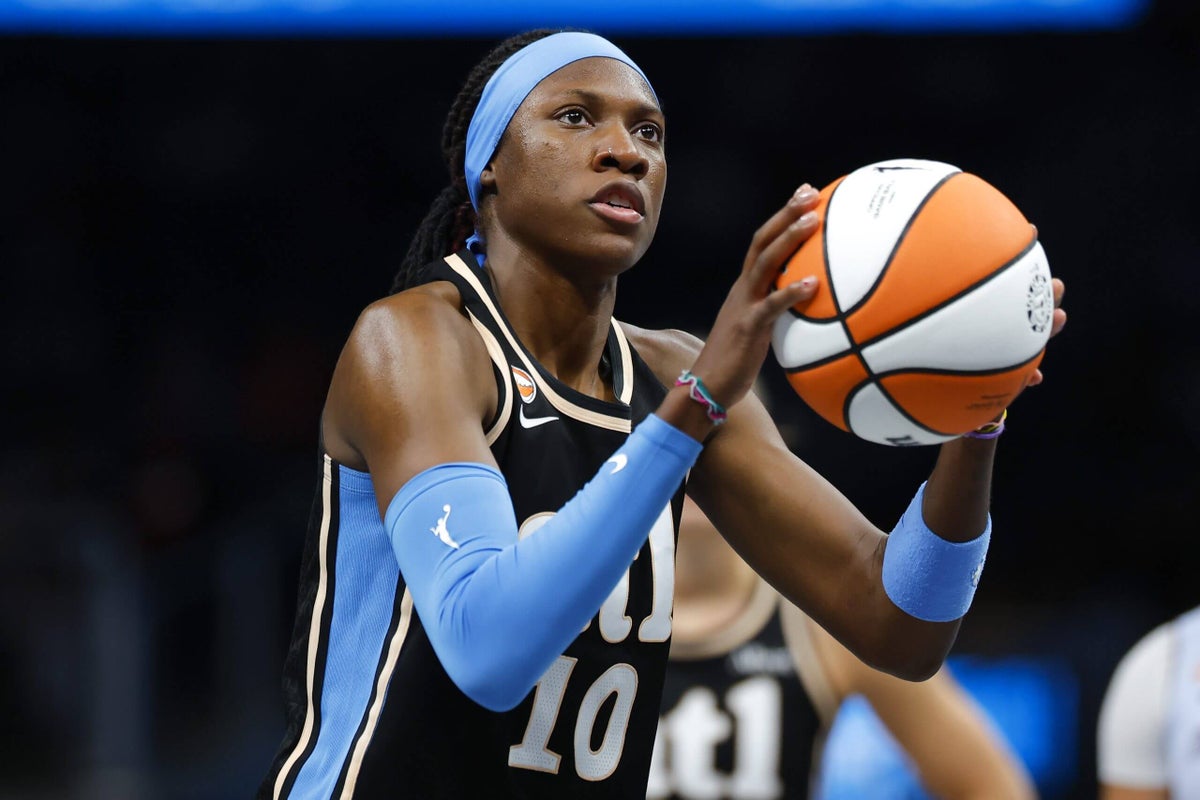
Let’s go.How we voteHey, Annie here! As you may know, the WNBA officially turned to a positionless voting format for the league’s first- and second-team All-Pro selections in 2022. But when it comes to All-Star selections, the WNBA still requires voters to select four guards and six forwards/centers.If it seems like a non-issue, you try it!The problem isn’t so much that we need it to be balanced, with five selections for each position group. It’s that in any given year, a class of All-Stars can shift based on talent rather than position.Don’t get me started on whether the league properly categorizes players either.Take Rhyne Howard, for example. She is one of the WNBA’s preeminent stars on a championship-caliber roster. But is she a guard? I would argue she’s more of a small forward, which should give her a frontcourt designation. Unfortunately, that’s not how the WNBA sees things.Howard, who is currently leading the fourth-place Dream (12-7) with 18.6 points per game, 3.8 rebounds, 3.2 assists and 2.5 steals is a guard in the WNBA’s eyes, and as a result, Howard was left off my 2026 All-Star ballot. Voting closed on Saturday and a combination of votes — player (25 percent), media (25 percent) and fan (50 percent) — determine starters. All-Stars are ranked based on position, once votes are counted. The top four guards and top six forwards/centers will be named starters. The WNBA’s 15 coaches will decide on the 12 reserves by selecting three guards, five frontcourt players and four regardless of position. They are not permitted to vote for their own players.Now, the fun part.Our votesSabreena’s picks (alphabetically):