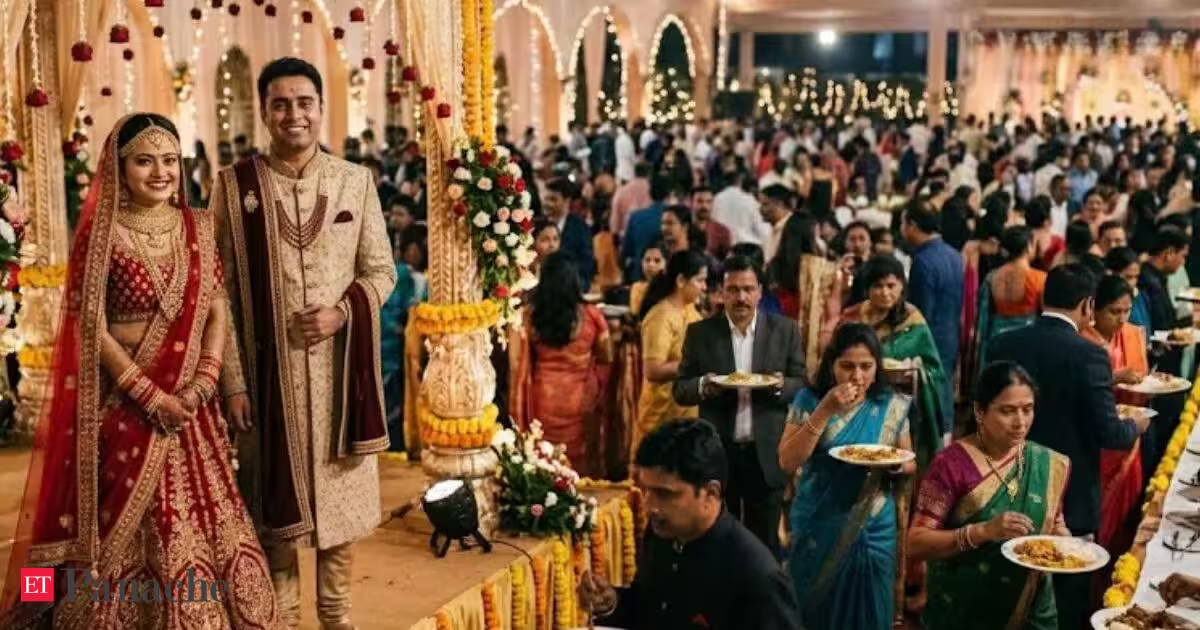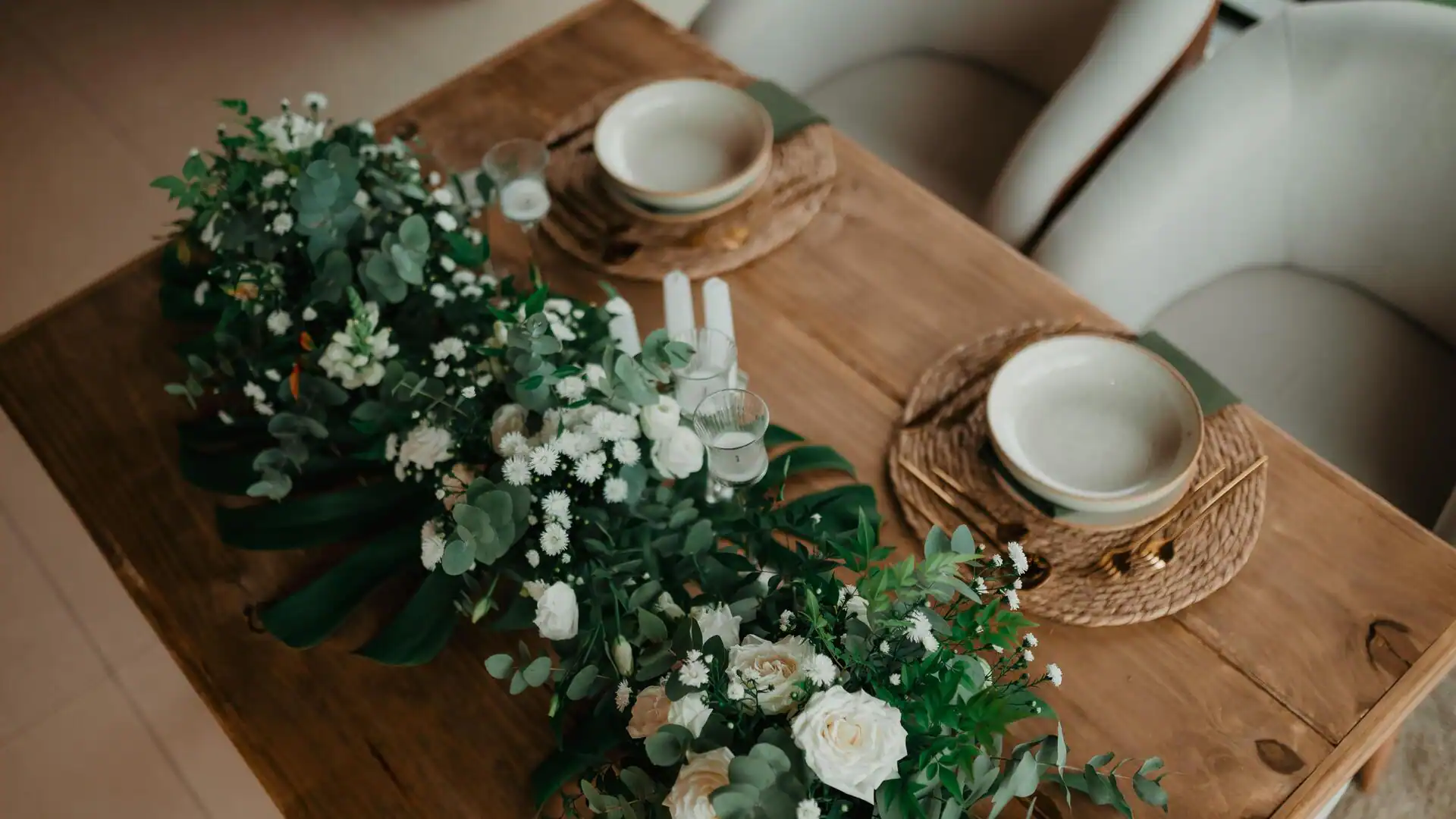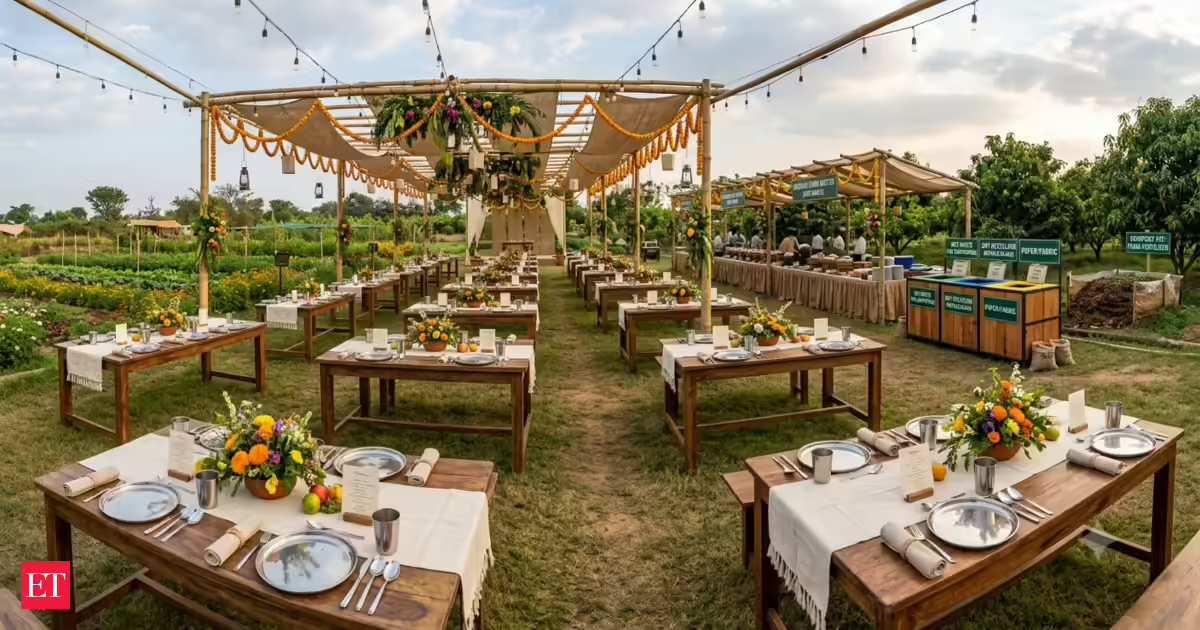
Big fat Indian weddings are known for their scale, elaborate decorations and lavish feasts. At the same time, they are also known for generating large amounts of waste, from disposable cutlery and plastic décor to leftover food and packaging. But a family in Karnataka chose to do things differently.ALSO READ: While trees across Bengaluru fall during heavy monsoon storms, this engineer’s 600-sq-ft rooftop forest of 100+ fruits, vegetables and medicinal plants stands strongA video shared by Dr Poorvi Bhat on Instagram has captured widespread attention for showcasing her family's zero-waste wedding, where more than 600 guests were hosted using sustainable practices from start to finish. From farm-sourced decorations and plastic-free dining to composting food waste and reusable return gifts, the celebration demonstrated how large weddings can significantly reduce their environmental footprint through thoughtful planning.According to Bhat, the event was organised without a wedding planner and remained economical despite its scale.ALSO READ: Woman loses 7.5 kg in 2 months after giving up rice, chapati and dosa; Apollo neurologist debunks carb myth, explains what really drives fat lossInspired by zero-waste creators, not wedding plannersThe idea for a sustainable wedding first took shape when Bhat was planning her own marriage two years ago. "We didn’t use a wedding planner, while researching for my wedding 2 years ago, I learned a lot from zero waste creators like @wormrani and @dr.sanjivinisharma."The lessons she learned during that process later helped shape her brother's wedding. "We implemented similar things in my brothers wedding as mine, but changed his mantapa design from sugarcane to areca nut which symbolises Lakshmi."Rather than outsourcing the planning process, the family took charge of organising the event themselves, incorporating environmentally conscious choices wherever possible.A wedding mantapa built from farm-grown materialsOne of the standout features of the wedding was its décor. Instead of relying on synthetic materials or decorations that would be discarded after the event, the family sourced much of the décor from their own farm.The wedding mantapa was constructed using areca nut and mango leaves. Unlike conventional decorative structures that often end up as waste, the areca nut used in the mantapa was later dried and sold as a crop, ensuring that every element served a purpose even after the ceremony.Guests were welcomed with a hand-painted cloth banner instead of disposable signage, while flower garlands were made without plastic attachments, further reducing waste.The décor reflected an approach where sustainability and tradition worked hand in hand rather than competing with one another.No disposable plates, cups or spoonsFood service is often one of the biggest sources of waste at large gatherings. To avoid single-use products, the family requested that the catering team eliminate disposable tableware entirely."For cutlery: We requested that the catering team only uses steel cutlery and they kindly complied, it was rented from the caterers." Meals were served on banana leaves alongside rented steel cutlery, creating a traditional dining experience while keeping waste to a minimum.Food waste became compost for cropsThe family's sustainability efforts extended beyond the wedding day itself. Instead of sending food waste to landfills, leftover organic material was composted on the family's farm."For composting : we did it on our farm and the compost will go back to the crops." The compost was later returned to agricultural fields, creating a circular system where waste from the celebration became a resource for future harvests.Even water management was considered. Water from hand-washing stations was directed back into the soil, helping nourish nearby trees rather than being wasted.Guests received reusable return giftsReturn gifts are another area where weddings often generate unnecessary waste through excessive packaging and disposable items. For this celebration, guests received engraved steel boxes packed inside reusable canvas bags.The gifts were designed to be practical and long-lasting, ensuring they would continue to be used long after the wedding festivities ended.‘Zero waste does not mean more expensive’One of the most common assumptions about sustainable weddings is that they require a much larger budget. "I don’t feel comfortable sharing finances, but it was very economical given the scale of the wedding," her post's caption read."Zero waste does not mean more expensive :)" Although she chose not to reveal exact costs, she emphasised that the arrangements were highly economical considering the size of the event.Her experience challenges the perception that environmentally conscious celebrations are difficult or costly to organise.A family that embraced the idea from the beginningFor many couples, convincing relatives to adopt sustainable wedding practices can be a challenge. In Bhat's case, family support came naturally."How did we convince the families?" "My family is very eco conscious, so no convincing was required, unfortunately I have no tips here"She credited her mother with helping turn sustainable ideas into workable solutions. "I just floated the idea to my mom during my wedding and she was very supportive and found many of the solutions."By the time her brother's wedding was being planned, the family already had experience implementing many of the same practices. "For my brothers wedding, we were the ones organising the wedding so we did it in a similar way."According to Bhat, the venue was left spotless by the end of the celebrations, demonstrating how careful planning can dramatically reduce waste even at large events.Sustainability without sacrificing traditionBhat believes that support from family and partners can make the transition even easier. "If you have a supportive partner, even if they are not aware about zero waste, they will happily comply."At a time when sustainability is becoming an increasingly important conversation, this family's wedding offers a practical example of how large celebrations can be organised responsibly. The event showed that reducing waste does not require compromising on culture, hospitality or scale—just thoughtful decisions and a willingness to rethink familiar practices.Disclaimer: This article is based on a user-generated post on Instagram. ET.com has not independently verified the claims made in the post and does not vouch for their accuracy. The views expressed are those of the individual and do not necessarily reflect the views of ET.com. Reader discretion is advised.
Without a wedding planner, this family hosted a zero-waste wedding for 600 guests using farm-grown décor, steel cutlery and composting
A family in Karnataka hosted a spectacular zero-waste wedding for over 600 guests, proving that grand celebrations can be environmentally conscious. They utilized farm-sourced decorations, eschewed disposable cutlery for steel and banana leaves, composted all food waste, and offered reusable return gifts. This thoughtful planning demonstrated that large Indian weddings can significantly reduce their ecological footprint without compromising tradition or escalating costs.
995 words~5 min read