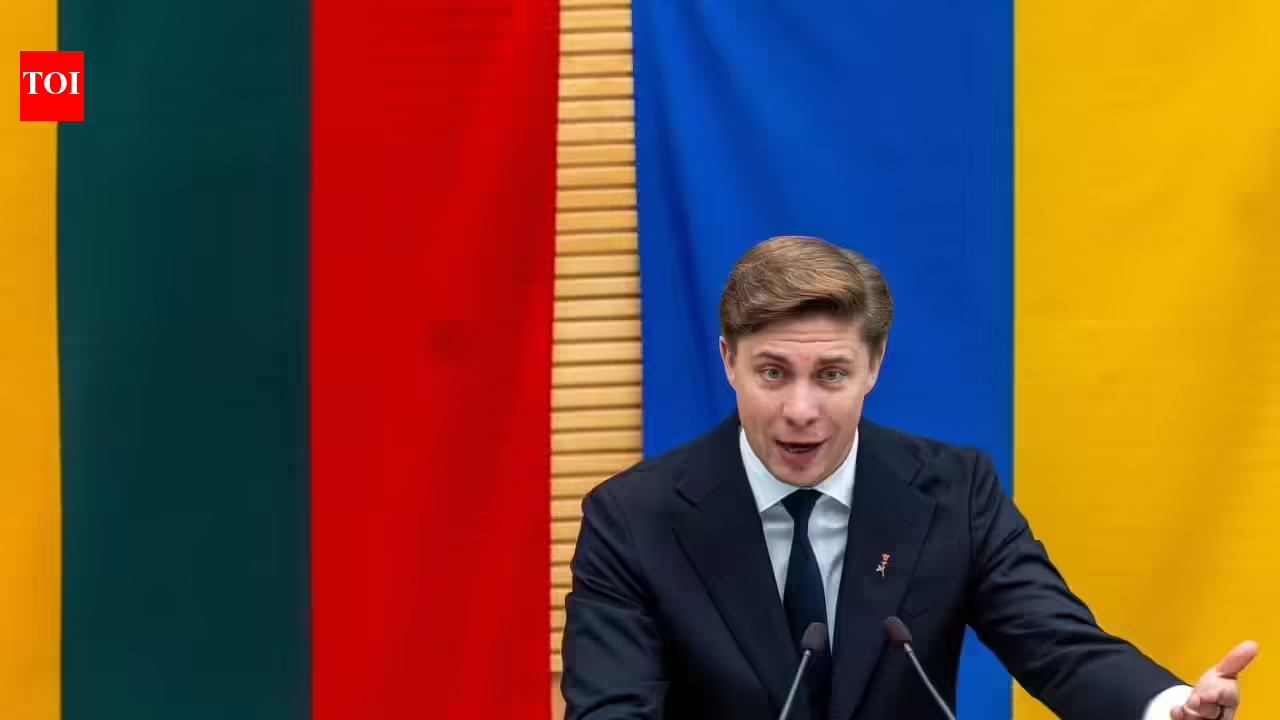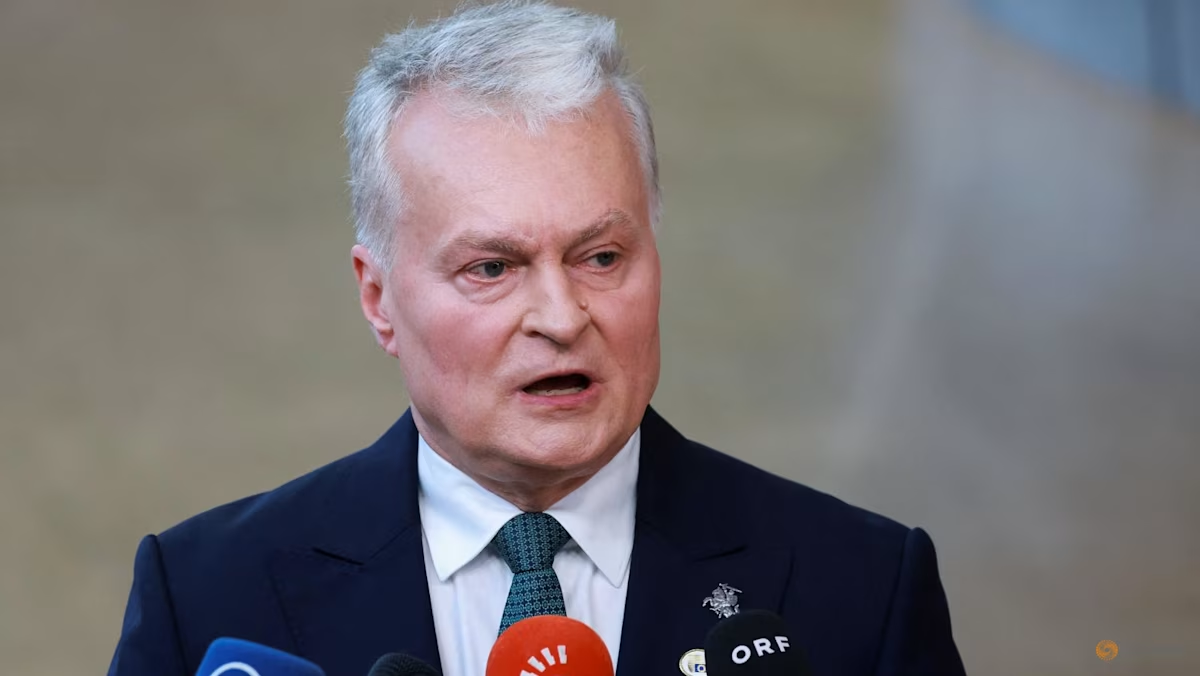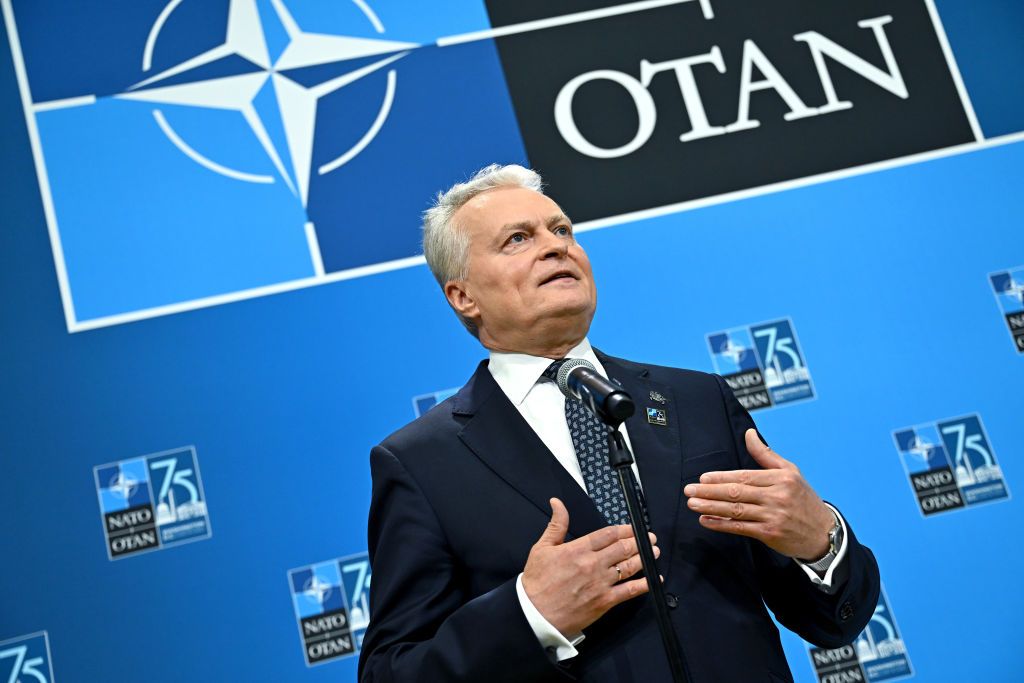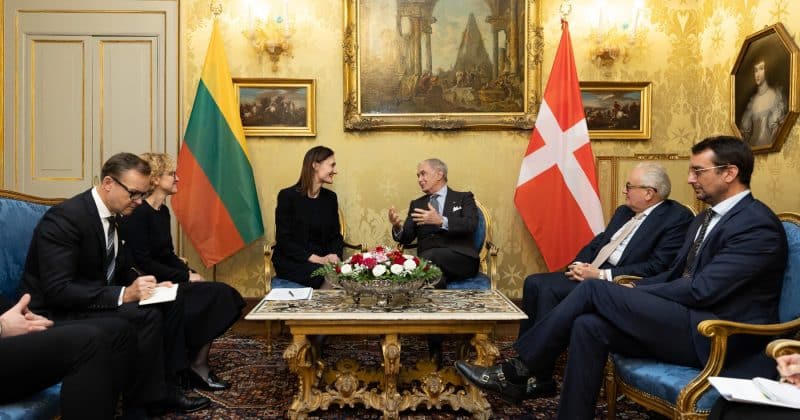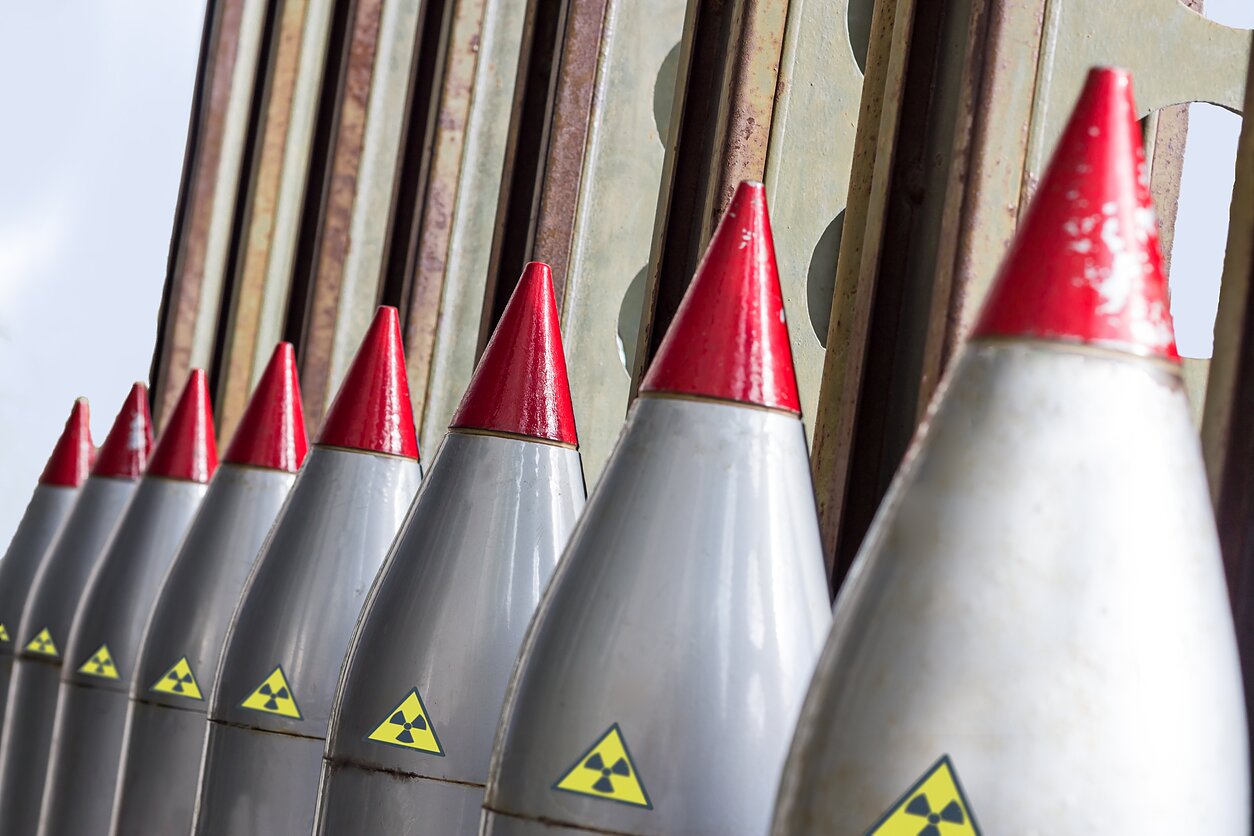
Mindaugas Sinkevičius, the incoming prime minister of Lithuania, said on June 30 that he supports removing from the country’s Constitution the ban on stationing weapons of mass destruction on Lithuanian territory.
Not long ago, the very idea that Lithuania or its neighbors might host nuclear weapons aimed at Russia seemed mad and dangerous. People feared Moscow’s reaction; they feared becoming targets of a nuclear strike; they feared the unforgiving logic of the Cold War itself.
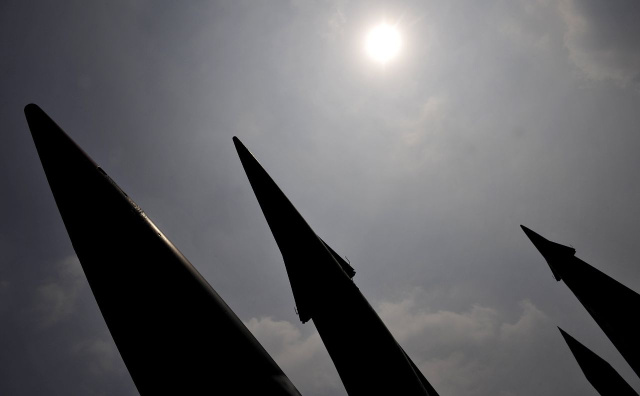
Today, it is no longer the presence of the bomb that seems dangerous, but its absence. In a world where Russia openly resorts to nuclear blackmail, countries unfortunate enough to live beside it are arriving at a simple and cynical conclusion: to preserve their independence, they need a nuclear weapon — preferably more than one.
Does what I am saying sound blasphemous? It is. It should not be this way. Nuclear weapons should never be used again. One would hope that, since weapons of mass destruction exist, their sole function would be for deterrence, never to be used in real life.
But that is precisely why the threat of using nuclear weapons works. Even a very large country like Russia would be sent back to the Stone Age after the destruction of critical infrastructure hubs. Ethical doubts and questions of conscience are an unaffordable luxury for Russia’s neighbors; the Kremlin sees all of this as a sign of weakness and grounds for pressure and blackmail.