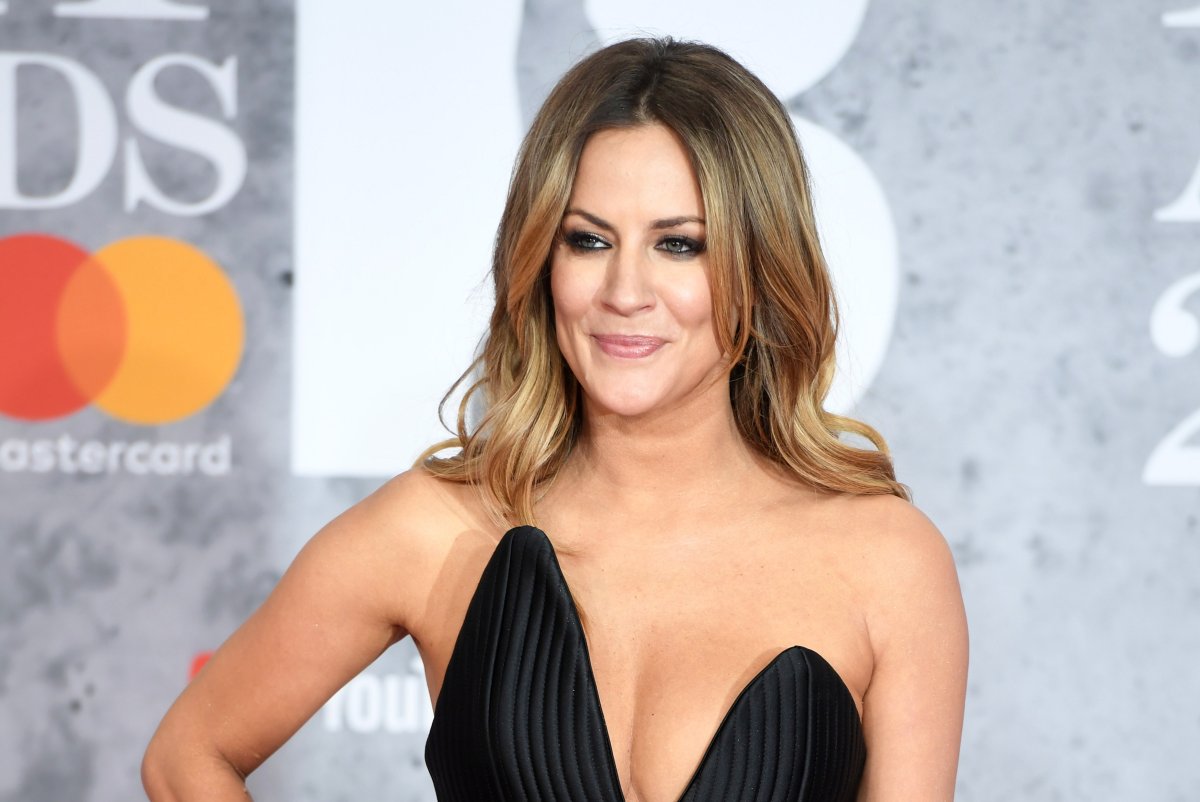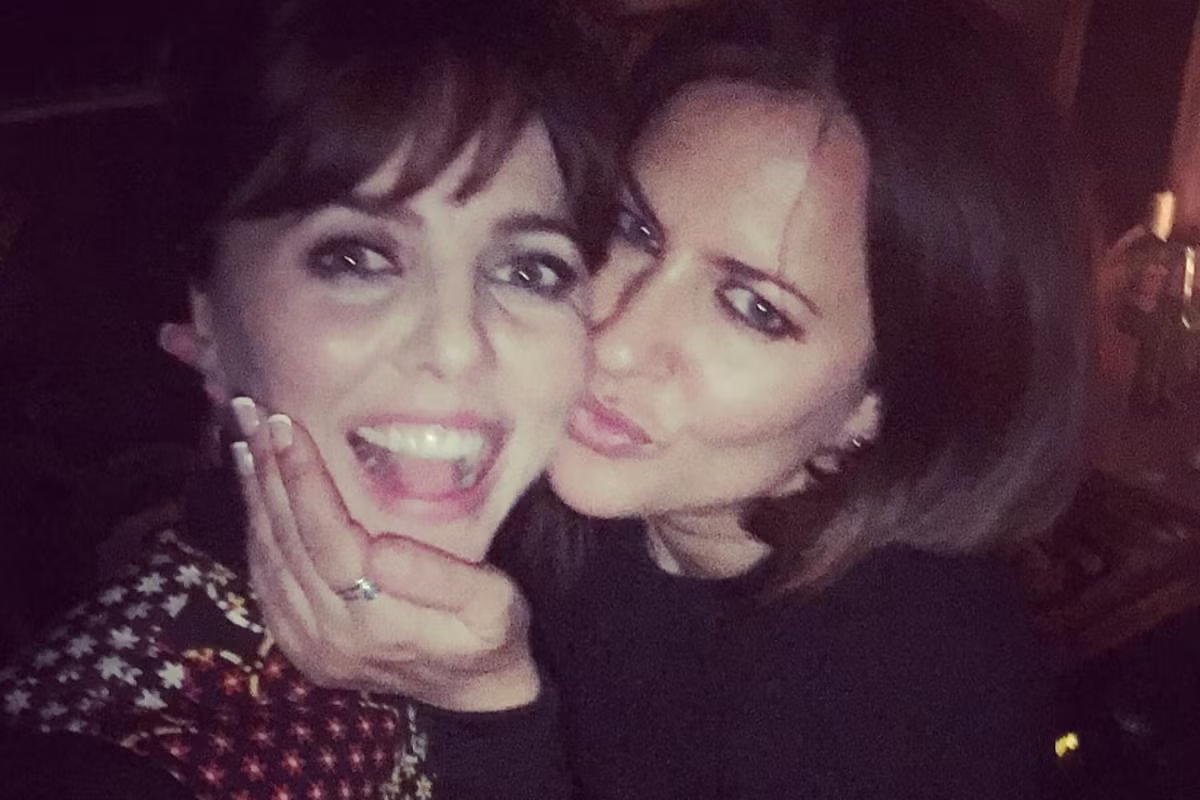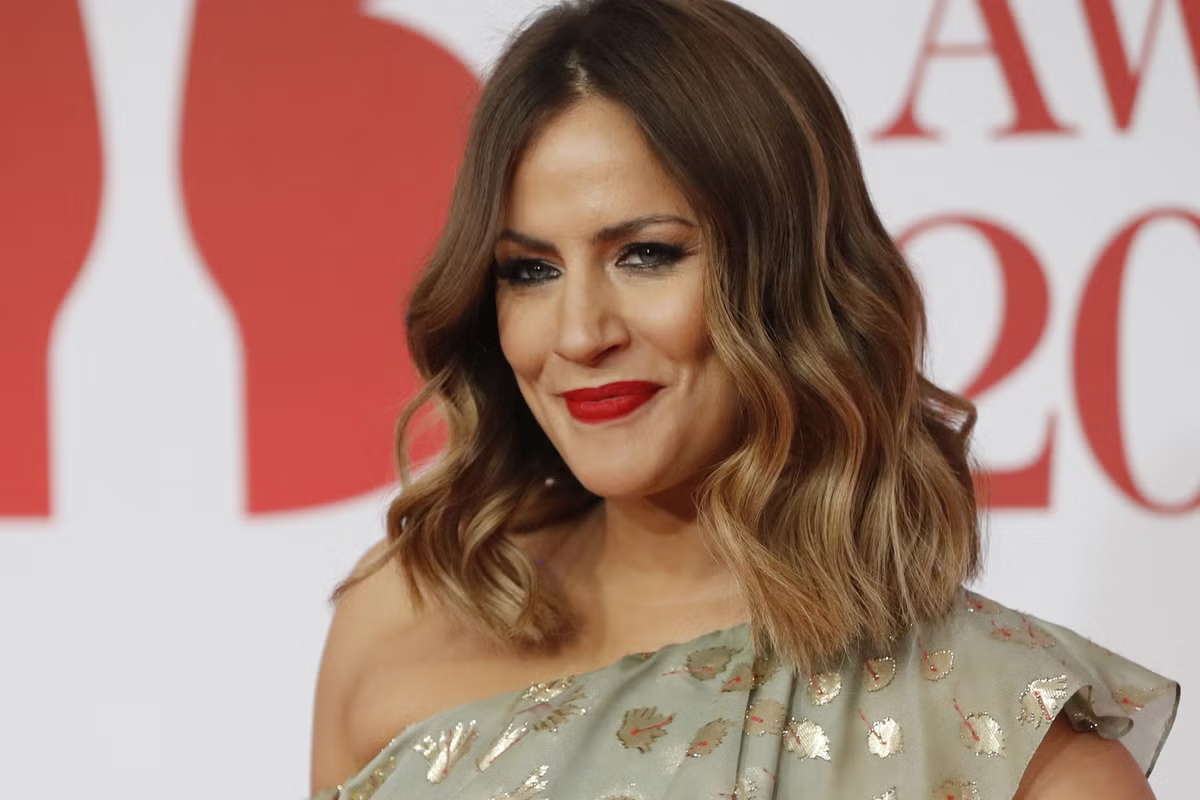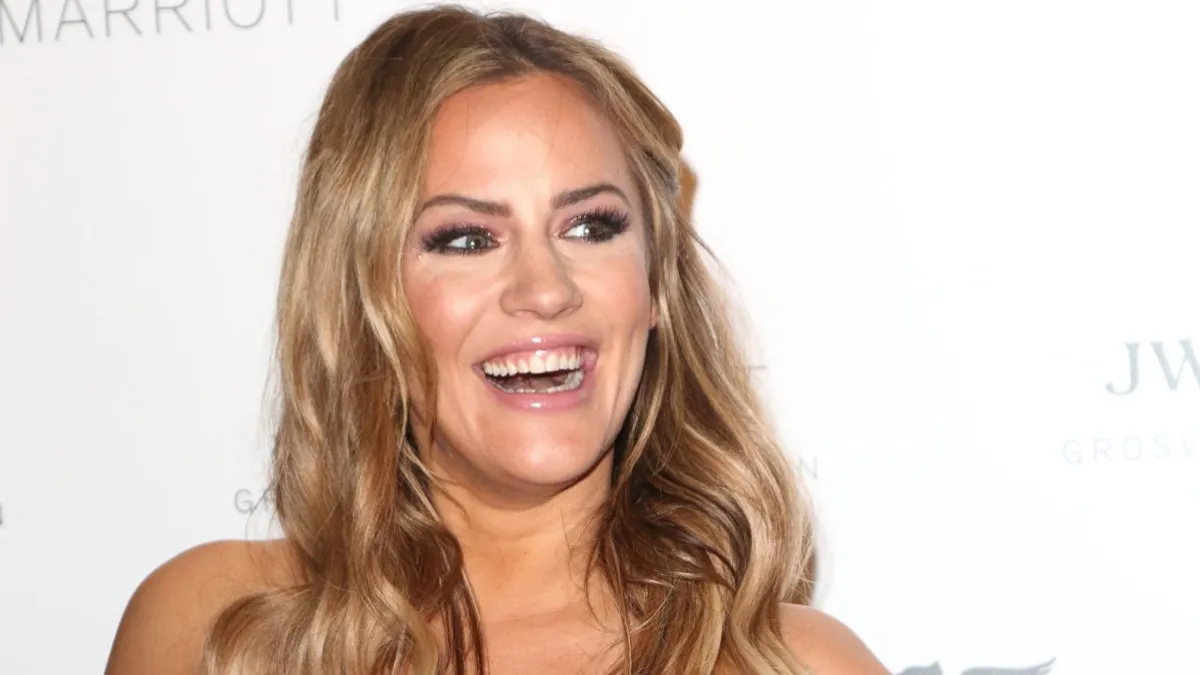
In the five years since Caroline Flack’s suicide, she has been immortalised as the poster victim of modern celebrity. Her death has become a tragic parable about cancel culture, responsible use of social media, the intrusion of the tabloid press, the sensation of reality TV and the misunderstandings and stigmas about mental ill health, from which we were all supposed to learn and in which each of us who watched on as voyeurs was complicit. It was shocking, incredibly sad, and uncomfortably novel: the death of a famous person about which members of the public felt guilt – and still do.
What I, at least, had forgotten, was just how quickly it all happened. On the 13 of December 2019, Flack was arrested and charged with assault by beating, after she and her boyfriend Lewis Burton had got into a drunken argument, she’d hit him round the head with his phone, and he had called the police.
On the 15 of February 2020, after misinformation spread that she had hit him with a lamp, after a restraining order between them was upheld despite him urging the police not to prosecute, after the scene at the house was described as like a “horror movie” in court, after photos of their trashed bedroom and blood-soaked sheets leaked to The Sun, and after she had lost her job on Love Island and learned that the case would go to trial, she killed herself. It was so frenzied, so much of it so unfair, and the conclusion so horrendous that it seems impossible that all that damage could be done in only two months.