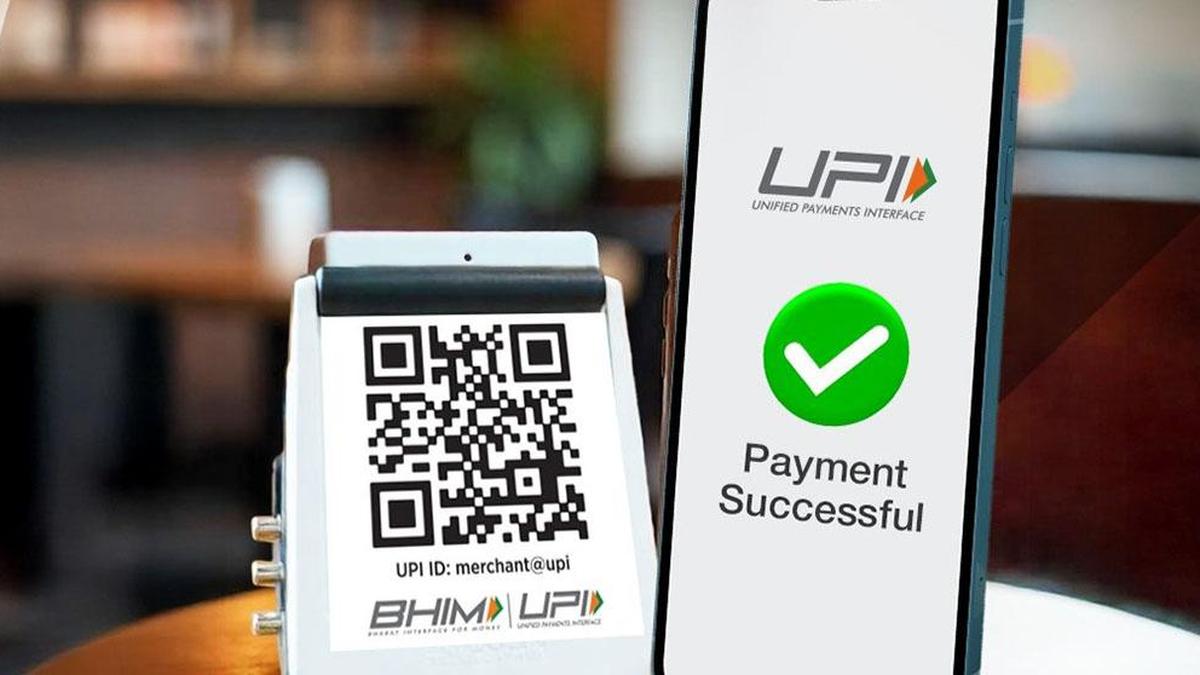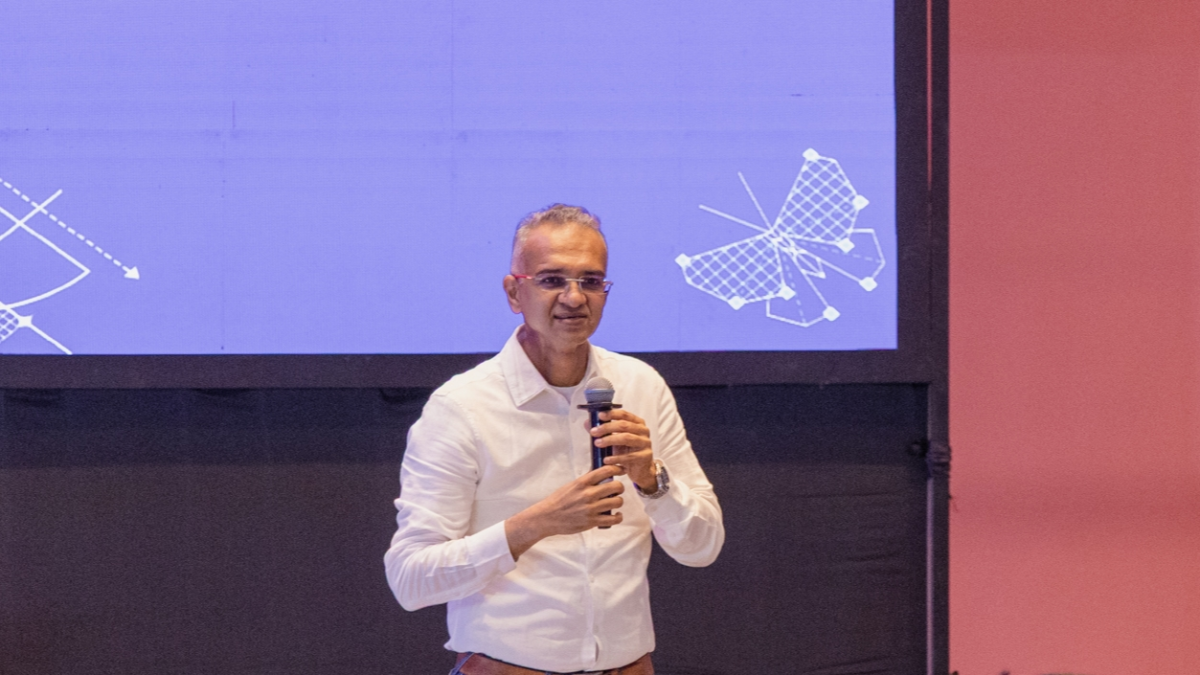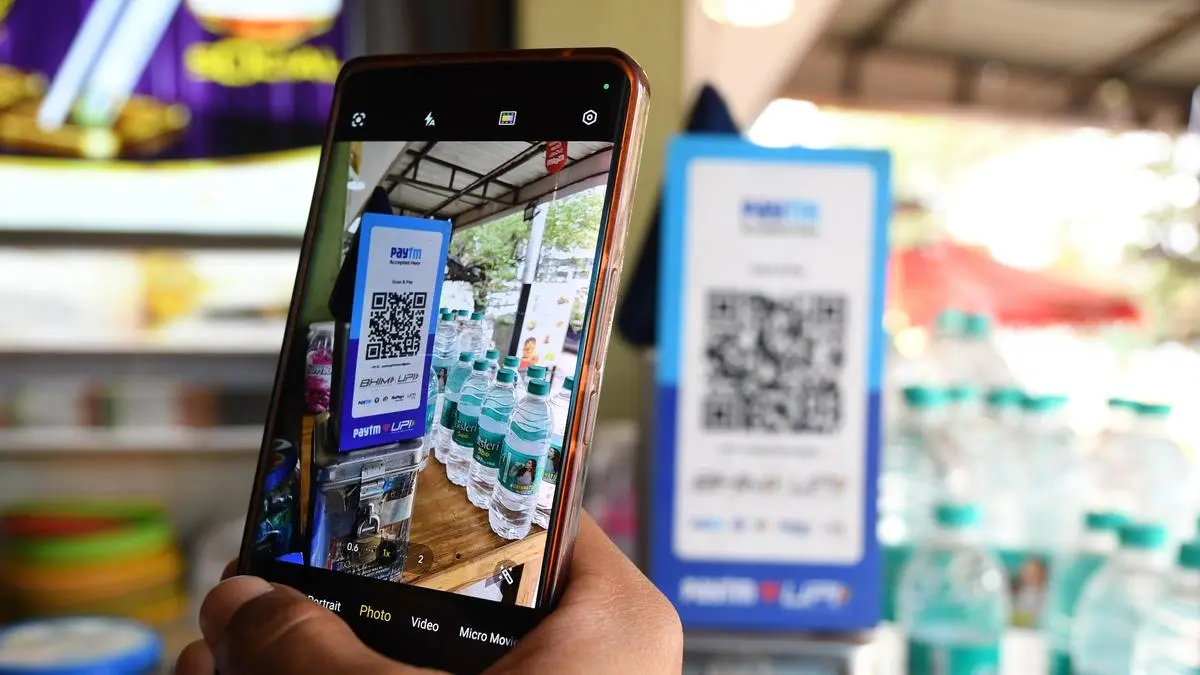
India’s fintech companies are increasingly looking beyond UPI payments, using them as a gateway to build higher-margin businesses such as lending, commerce and financial services.Flipkart-backed super.money said the next phase of fintech growth will be driven by platforms that can convert payment users into long-term financial services customers.Competition rifeAs competition intensifies in the UPI ecosystem, fintech firms are shifting focus from transaction volumes to monetisation through credit, cards and commerce.While rewards and cashback continue to attract users, companies are increasingly positioning them as tools to deepen engagement rather than standalone customer acquisition strategies.“India’s fintech opportunity is far bigger than payments alone. UPI has become the daily engagement layer for millions of consumers, but the real opportunity lies in what you build on top of that engagement,” said Prakash Sikaria, founder and chief executive of super.money.Sikaria said the company has built its model around three pillars — using UPI for customer engagement, credit for monetisation and commerce and financial services to increase customer lifetime value.The company views cashback as part of the product experience, aimed at encouraging everyday usage and helping users build financial habits.The strategy reflects a broader trend across the fintech industry, where newer players are using payments to cross-sell lending and other financial products. Companies such as Navi, Kiwi, Kredit.Pe and POP are similarly leveraging UPI to acquire users before expanding into adjacent businesses.According to Sikaria, nearly 40-45 per cent of super.money’s users are first-time formal credit customers. The company has also become one of the country’s largest distributors of secured credit cards, targeting younger consumers beginning their credit journey.The company is also betting heavily on younger users, with over 75 per cent of its customer base belonging to Gen Z, a segment it believes prefers simple, digital-first financial products.“The next phase of India’s fintech evolution will be won by the platform that earns the deepest trust, expands access to financial services responsibly and becomes consumers’ primary app for all things finance-related,” said Sikaria.The shift underscores how India’s fintech ecosystem is evolving from a payments-led market to one where long-term value will increasingly depend on a company’s ability to cross-sell financial products and deepen customer relationships.Published on June 30, 2026
Fintechs bet on UPI-led engagement to build lending, commerce business
While rewards and cashback continue to attract users, companies are increasingly positioning them as tools to deepen engagement rather than standalone customer acquisition strategies
362 words~2 min read