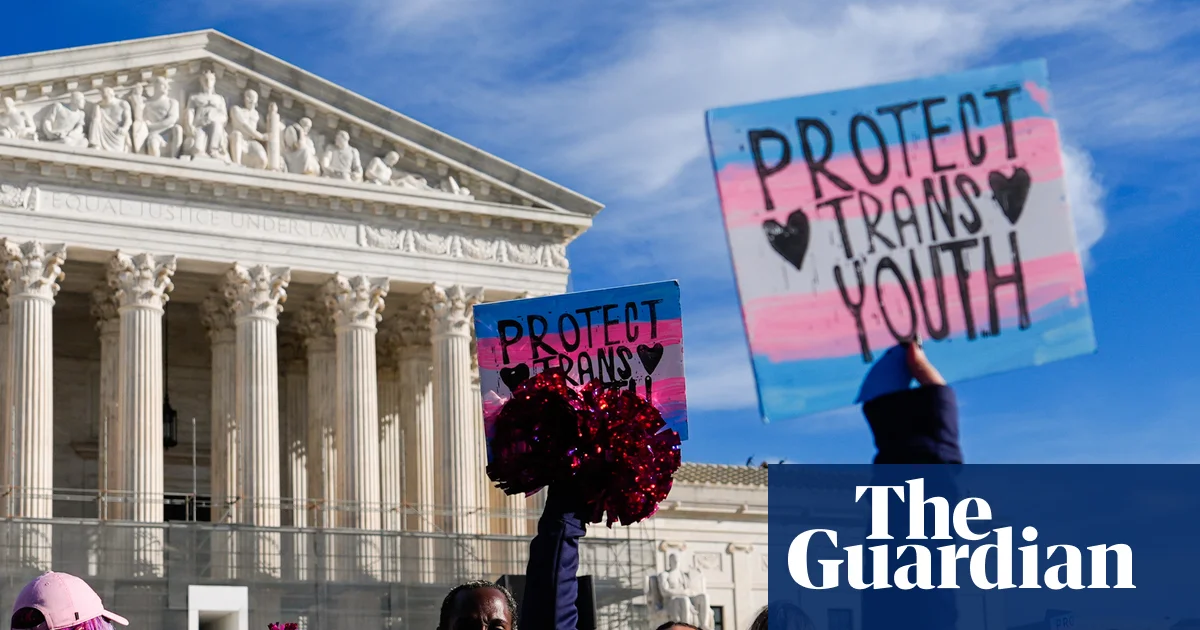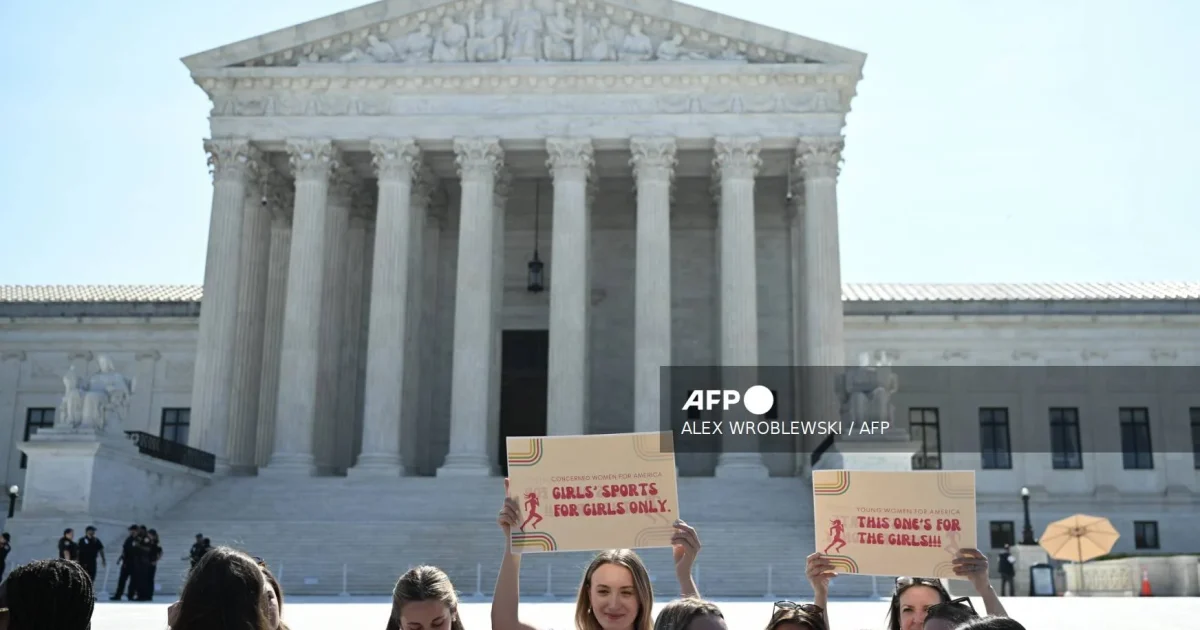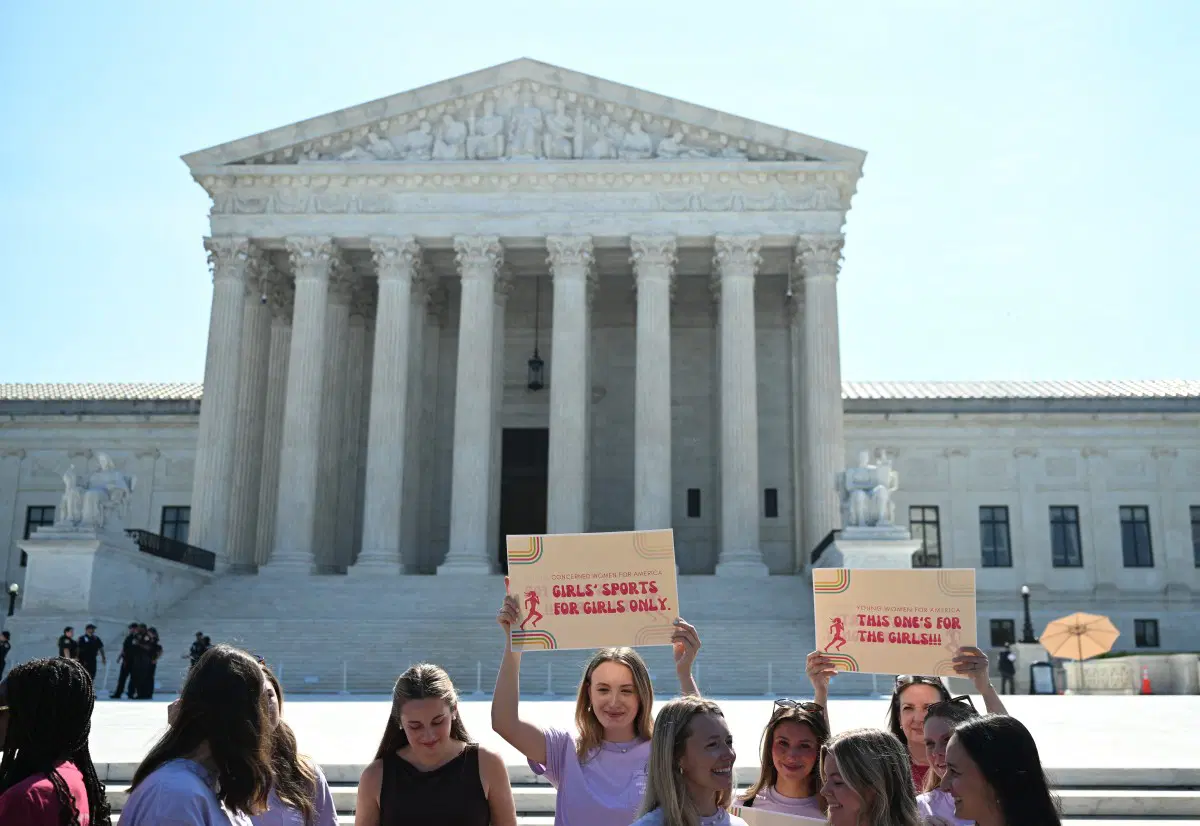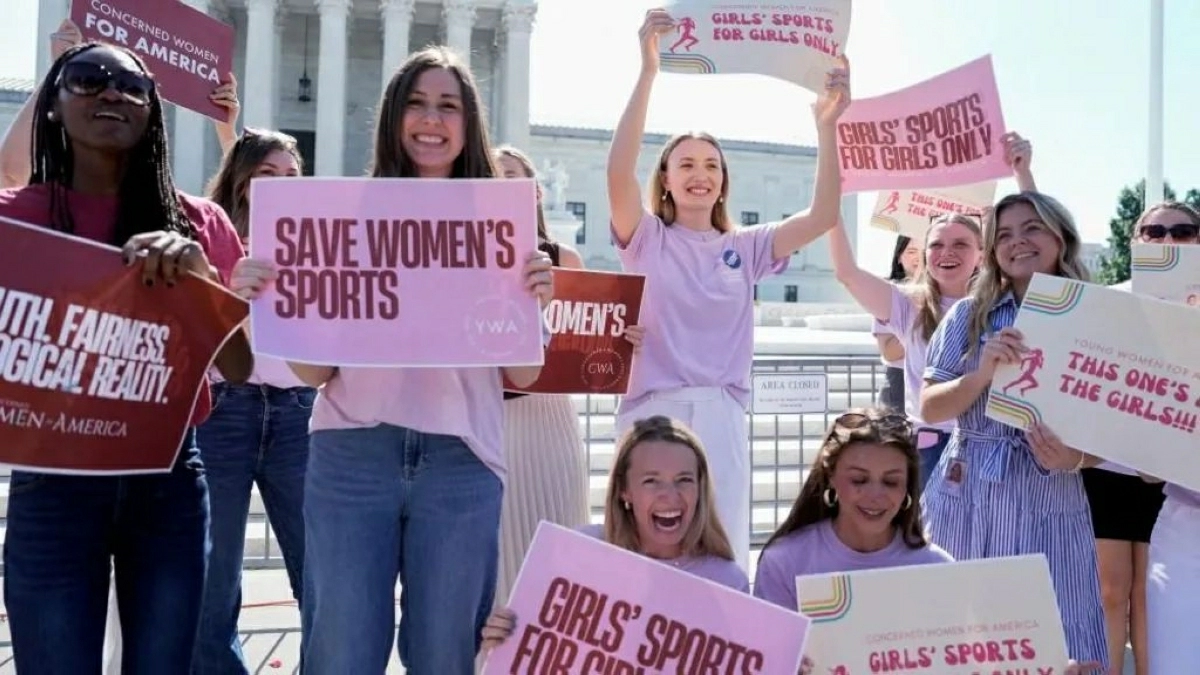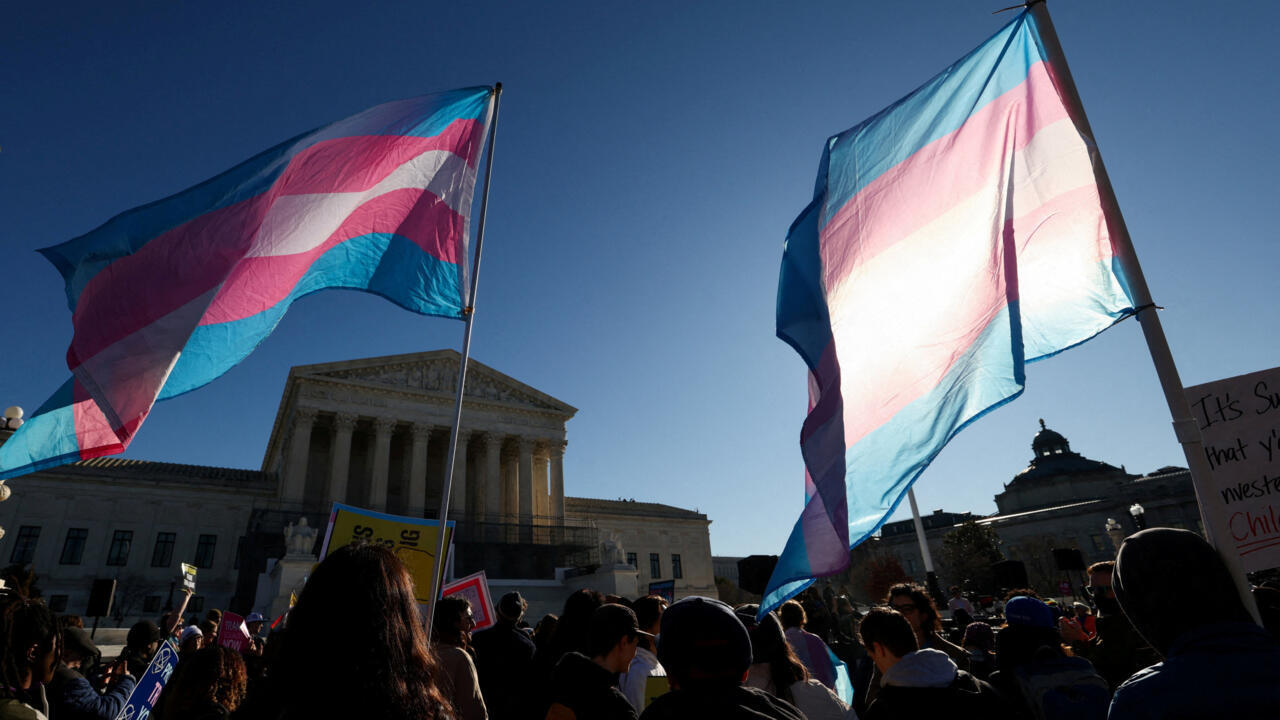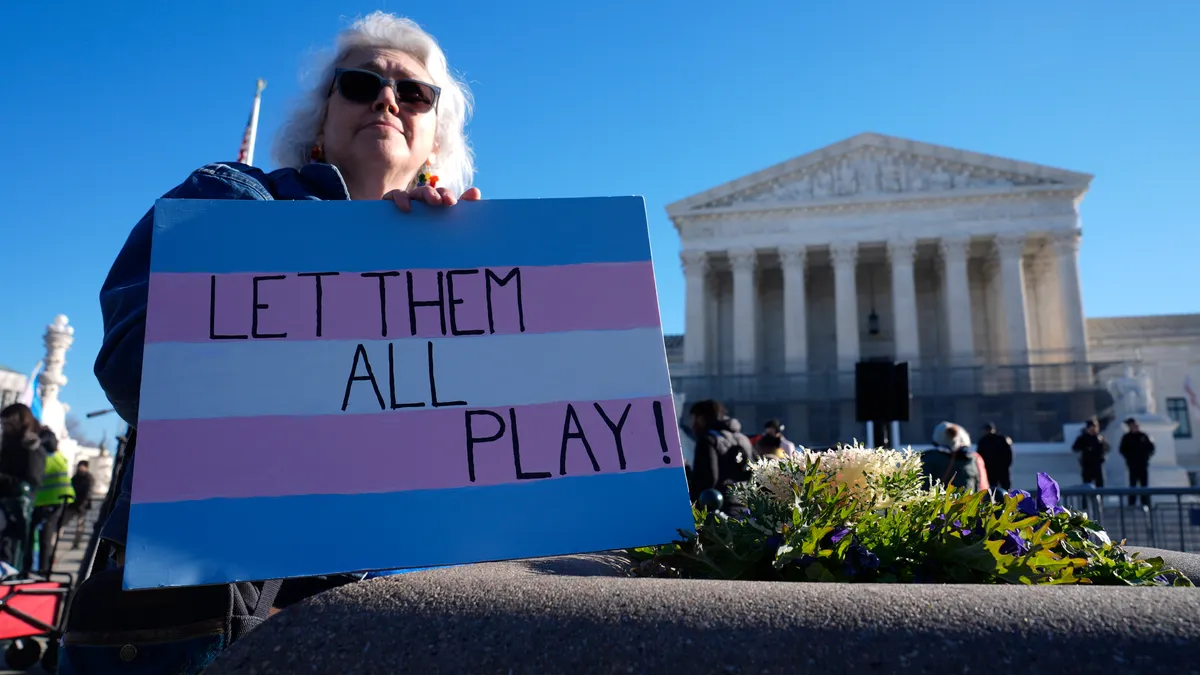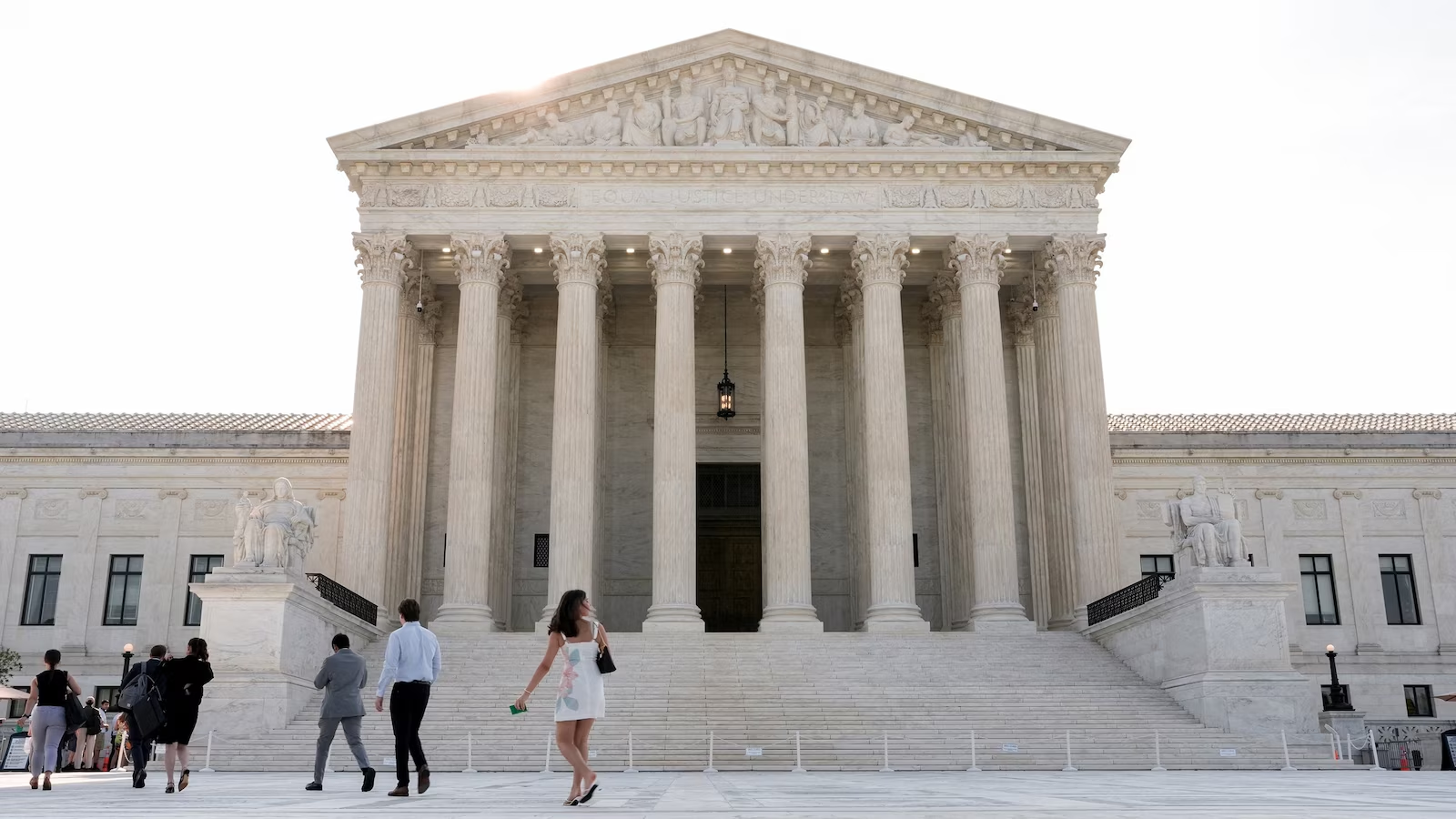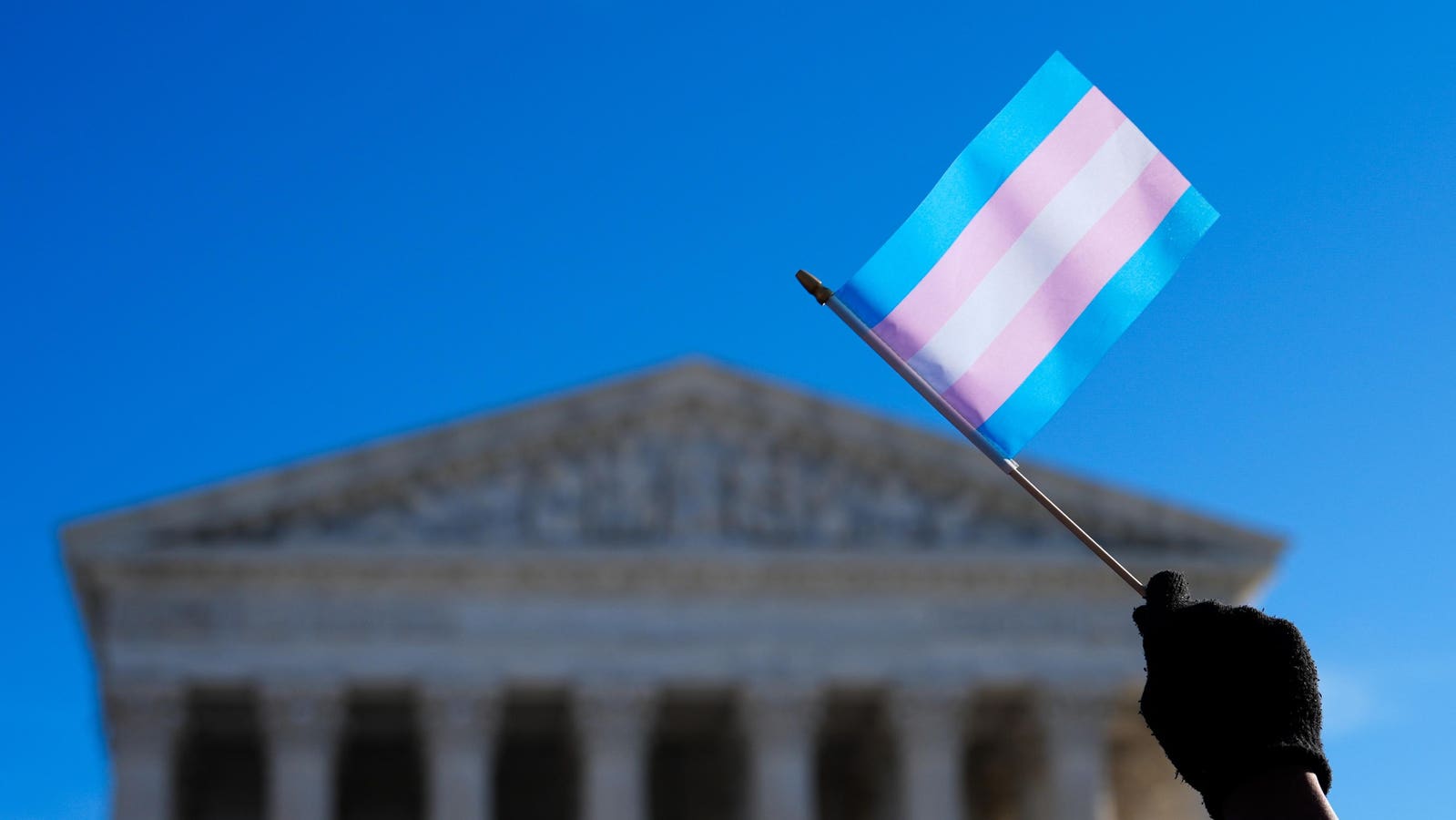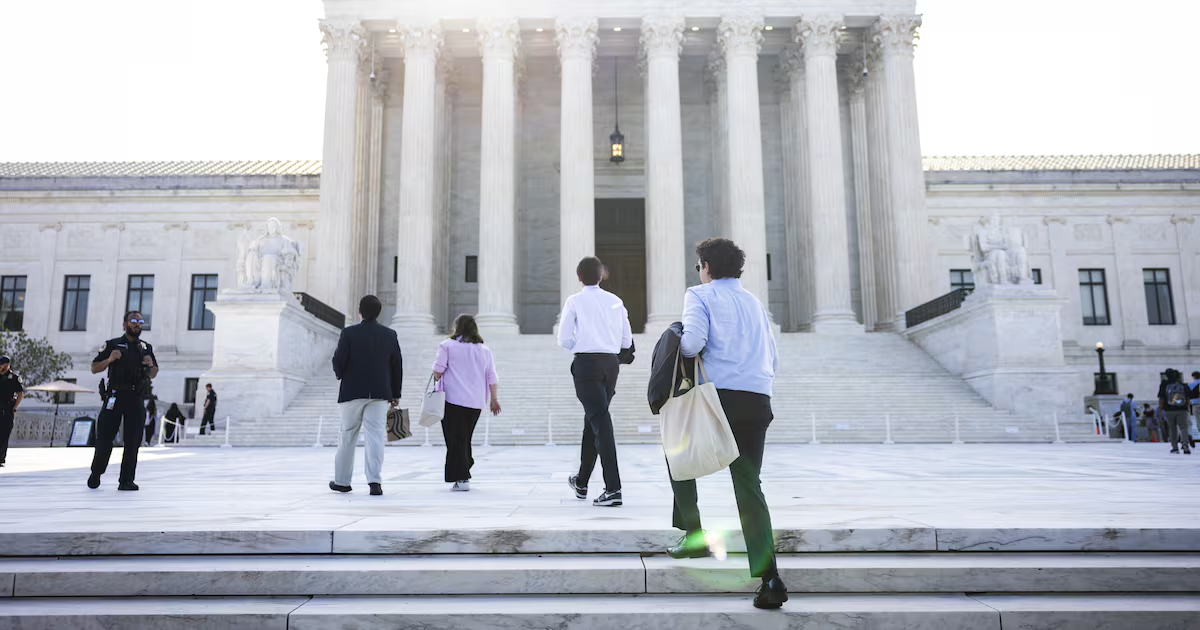
The US supreme court has upheld laws in two conservative states excluding transgender girls and transgender women from competing in female sports. The far-reaching ruling is likely to have an impact on trans rights throughout the US.The court’s nine justices voted to overturn previous judgments issued by lower courts in favour of two trans students who had sued after being barred from competing in West Virginia and Idaho respectively.The ruling centered on the case of Lindsay Hecox, a college student in Idaho, and Becky Pepper-Jackson, a 15-year-old high school student from West Virginia.But the impact is likely to have a wider resonance because Idaho and West Virginia’s prohibitions against transgender athletes are already replicated in at least 25 other states.The outcome was prefigured by a session to hear oral arguments in January, when some conservative justices displayed sympathy for the view that transgender competitors were undermining fairness in women’s sports on the grounds that their birth sex gave them a competitive advantage.US president Donald Trump has consistently and vehemently railed against the phenomenon of what he has called “men in women’s sports”, support for which he has tried to pin on the Democrats.Trump used the Democrats’ perceived sympathies as a campaign issue in the 2024 presidential election, airing a television and digital advert that proclaimed “Kamala is for they/them, President Trump is for you.”His administration has cracked down on the use of gender-neutral pronouns – refusing to answer correspondence that uses them, while also barring them from passports. It has also taking steps to limit access to gender transition surgery.Hecox, a college student, had originally sued Idaho in an attempt to overturn its 2020 law banning trans women and girls from female sports teams. She later tried to have the case dismissed, saying she was no longer pursuing female sports and feared being harassed, but the court insisted on hearing it.Pepper-Jackson challenged West Virginia’s law on the grounds that she had undergone gender-affirming treatment at a young age, did not experience male puberty, and thus enjoyed no unfair advantage. In another ruling on Tuesday, the supreme court again struck down campaign spending limits, this time rejecting federal restrictions on co-ordinated spending between political parties and their candidates on free speech grounds.The ruling comes as major Republican committees head toward the November midterm elections with a significant financial advantage over their Democratic counterparts.Siding with vice president JD Vance and other Republican challengers, the court ruled 6-3 that a cap on the amount of money parties can spend on campaigns with input from candidates violates the US constitution’s first amendment protections against government abridgment of freedom of speech. A lower court had upheld the limits.The court’s six conservative justices were in the majority, while its three liberal justices dissented.Vance was running for the US senate in Ohio when the lawsuit challenging the restrictions was filed in 2022. – Guardian. Additional reporting: Reuters.
US supreme court rulings: States to bar transgender athletes from female sports
Restrictions on campaign spending limits loosened in separate ruling
480 words~2 min read