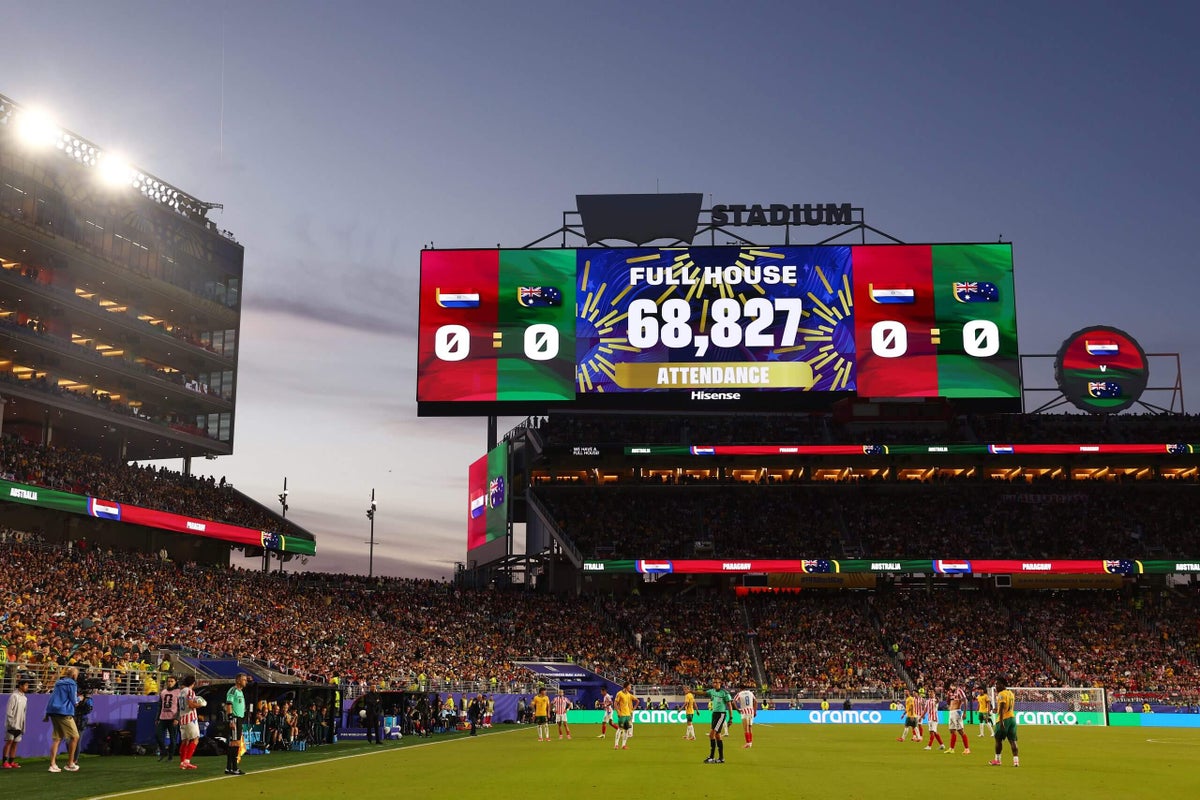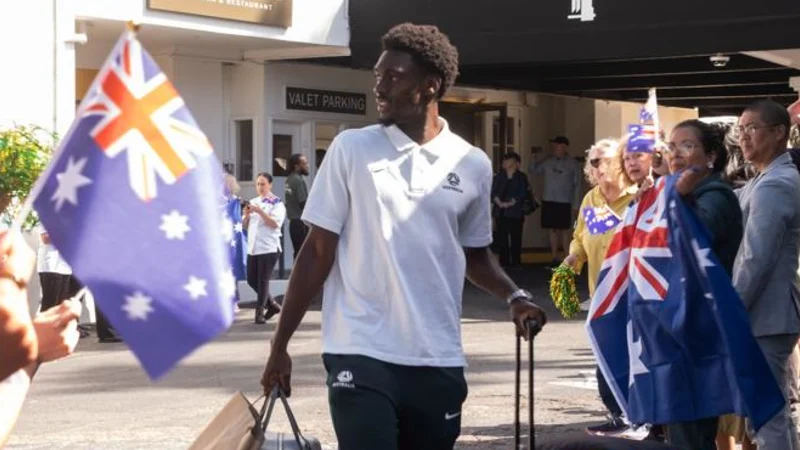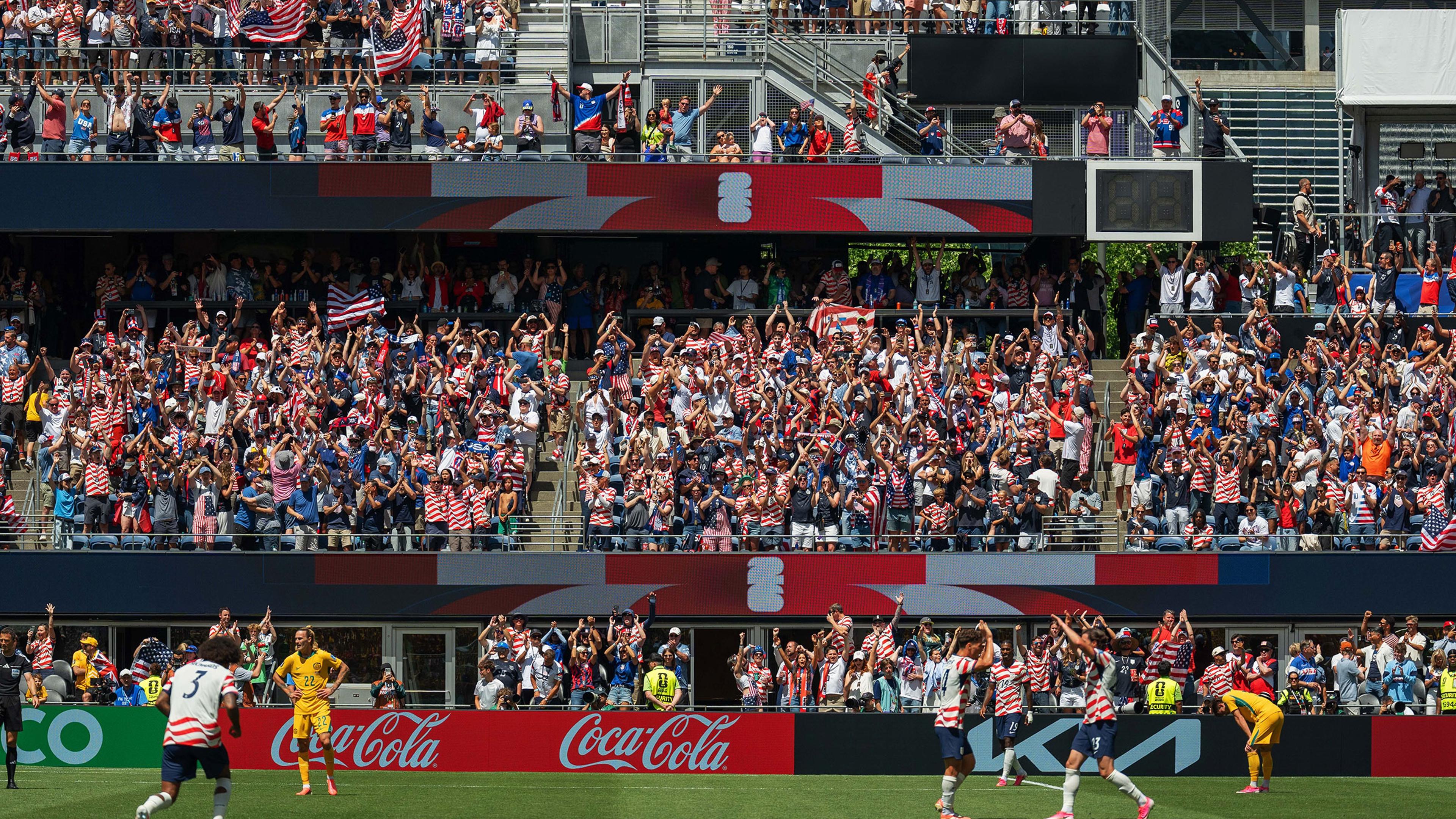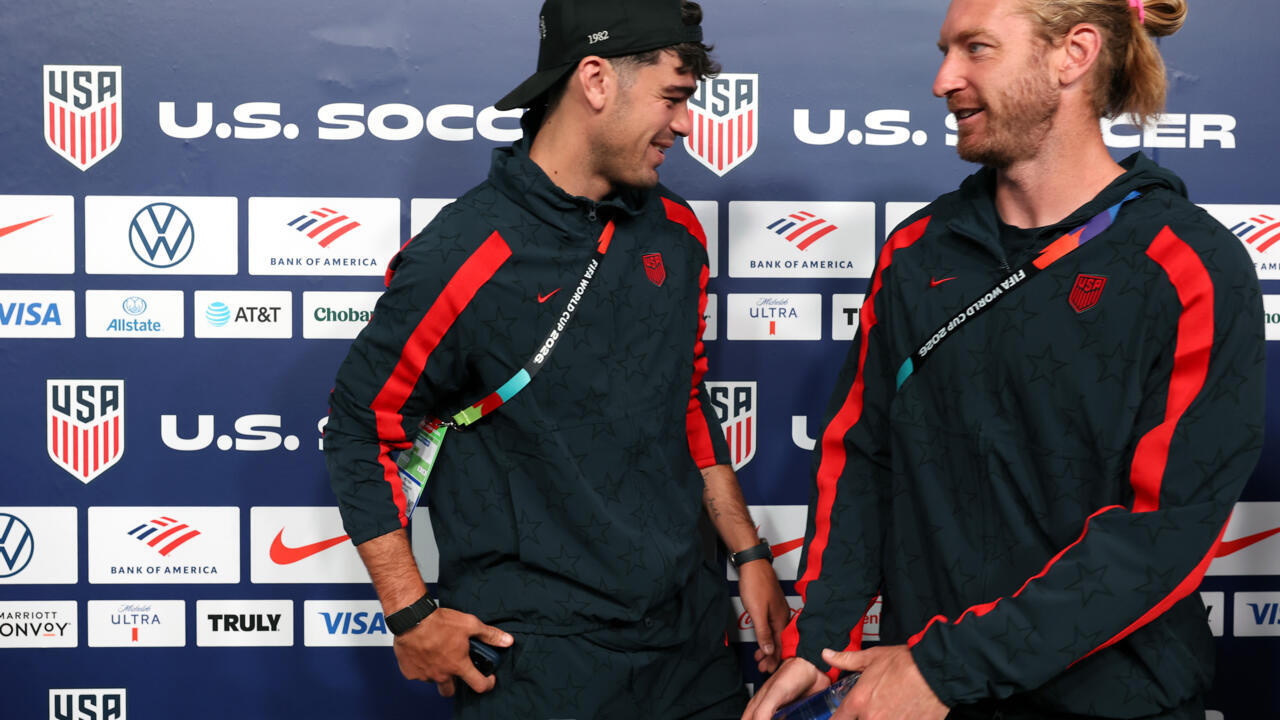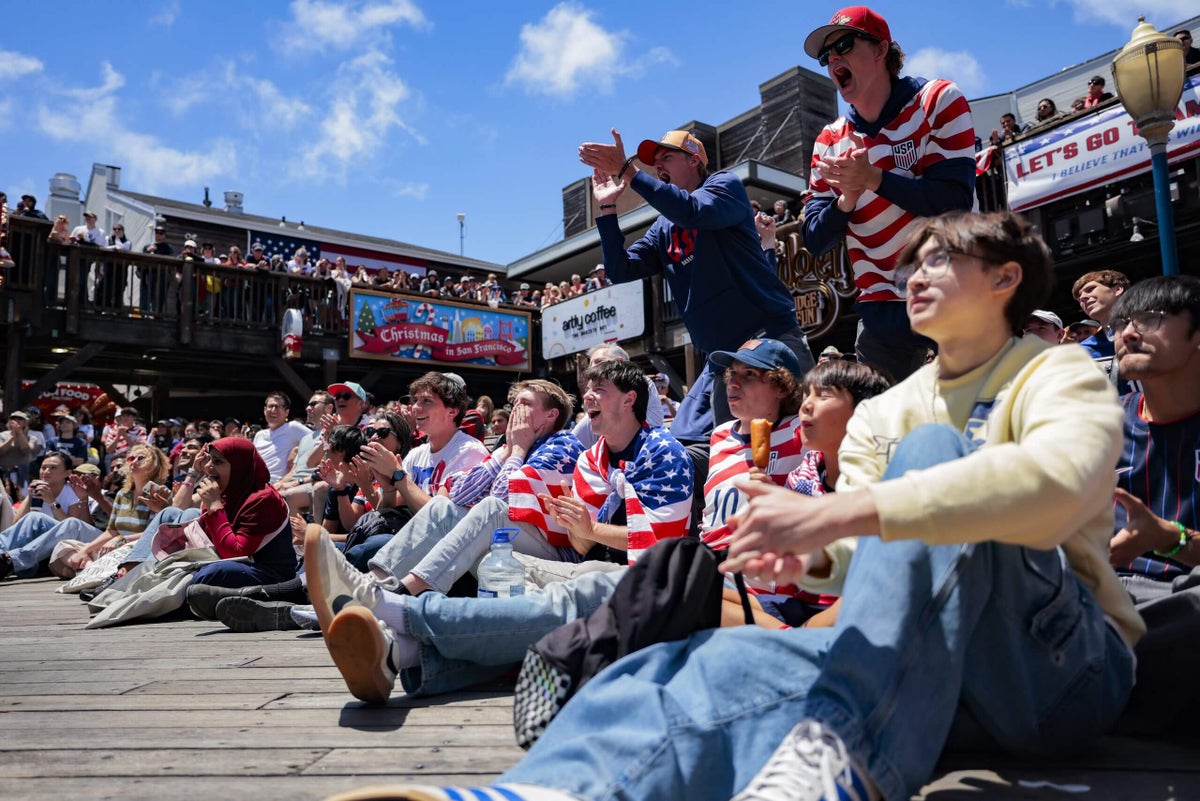
Edreece Arghandiwal joined nearly 69,000 fans at Levi’s Stadium in Santa Clara for the Group D match between Australia and Paraguay. A perk of being co-founder and chief marketing officer of the Oakland Roots and Soul Soccer Club. The Australian national team took over the Roots’ facility in Alameda, which formerly belonged to the then-Oakland Raiders, forging a bond between the USL club and the Socceroos.Arghandiwal chatted with a bartender inside the stadium who marveled at the vibes. She said she’d never experienced anything like it. That struck Arghandiwal as odd. The NFL’s San Francisco 49ers play in this stadium. It’s always overflowing with people and energy.“I dug deeper on that because I was super intrigued,” he said, recalling the conversation. “She’s like, ‘Everyone’s upset at football games.’ She’s like, ‘Everyone here just feels like they’re happy to be here.’ It doesn’t matter who you’re a fan of. It’s not contentious. … It’s driven purely on dopamine.”USMNT prepares for Bosnia knockout matchArghandiwal, an Oakland native born to Afghan immigrant parents, launched the Oakland Roots to centralize the community aspect of sports, especially in a city that lost its pro teams to the greed of major sports. To have a front-row seat to soccer doing its thing has been emotional.The World Cup is communal by nature. This tournament wasn’t meant to be consumed alone. It’s meant to be watched together. In stadiums. In bars. In crowded living rooms. In plazas with outdoor screens. Strangers become a mass choir of groaning, cheering and singing.In a world increasingly more divided than connected — where politics, algorithms and social media feuds sort us into tribes siloed by grievances — the World Cup still accomplishes something remarkably simple. It unites — the World Cup is dissolving differences and building camaraderie. Everyone is welcome.Few countries may need this reminder more than America. Shared national experiences have become increasingly rare. Genuine kinship, even for a few hours, can feel harder than ever to find. Yet, this World Cup offers a temporary respite for our perennially aggrieved society. For a few precious weeks, millions of Americans are gathering at scenes to watch nations chase dreams. Few sporting events can manufacture that kind of shared experience.Therefore, it is fitting that the U.S. men’s national team enters the knockout rounds in the Bay Area, facing Bosnia and Herzegovina here in the Round of 32 on Wednesday. It’s a convergence of timing, identity and possibility. This men’s team feels like the rare American side built for the moment. Young enough to seem fearless. Talented enough to be dangerous. Diverse enough to reflect the country adoring it. They don’t feel like some novelty act or some scrappy overachiever begging for respect. They feel like a group with real ambition, one that belongs on this stage. They’ve made it impossible not to sit up in our seats and lock in. That matters.Levi’s Stadium hosted five group-stage games, including Paraguay against Australia last week. Wednesday’s knockout game is the last of the tournament in the Bay Area. (Elysia Su / ISI Photos via Getty Images)For generations, American soccer seemed to be in perpetual development, peddling the potential. This team, however, is tangibly credible. Talent. Pace. Edge. Personality.We can get behind that. We are getting behind that. The bandwagon is crowded but still has room. Wednesday, this team will unite us in a way that might feel foreign next to society’s nagging tension. Soccer is doing its thing.And few places better embody the World Cup’s spirit than here. A region shaped by the collage of cultures from every corner of the globe. A place unstartled by difference, even the most jarring kind, because conformity finds many foes in these parts. An area well-versed in laying down arms and enjoying the most beautiful days.It’s been weeks of unbridled fellowship in the Bay Area’s salad of culture, status and lifestyle. The watch parties have been popping. From the waterfront in Berkeley to San Pedro Square in San Jose to The Ruins in Napa. From the county fairgrounds in Pleasanton to the Athletic Oakland sports bar in Uptown to the Spark Social food trucks in San Francisco.It hasn’t mattered who’s playing or what day of the week. People congregated around televisions, together, rubbing shoulders with all walks of life.In one amazing story, a San Francisco education reporter found a watch party at a restaurant and meeting hub in Oakland. She wanted to watch Cape Verde play Uruguay. She spent time on the island of Santiago during a two-year teaching stint as a Peace Corps volunteer. The organizer of this watch party was her student. Jill Tucker hugged Ivan Silva more than 30 years after she taught him just off the coast of West Africa.
Shaped by collage of cultures, Bay Area is fitting host for USMNT’s first knockout match
The World Cup has been a great reminder of what's possible when we all come together. Few places embody that spirit like the Bay Area.
1,183 words~5 min read