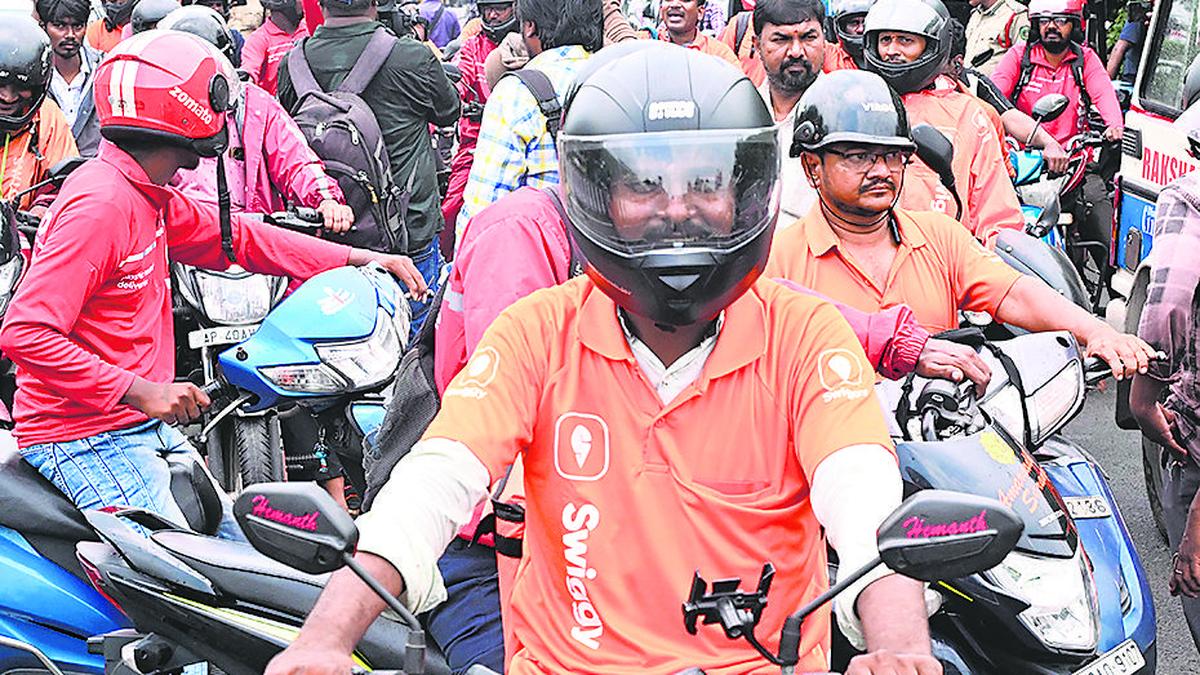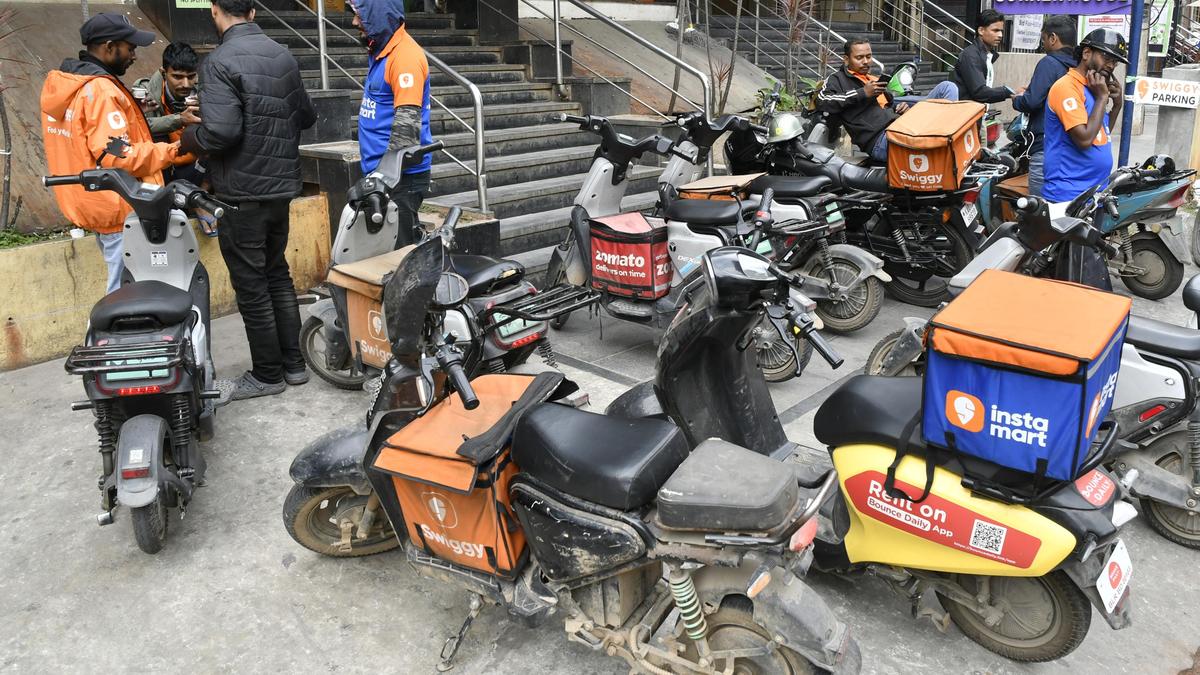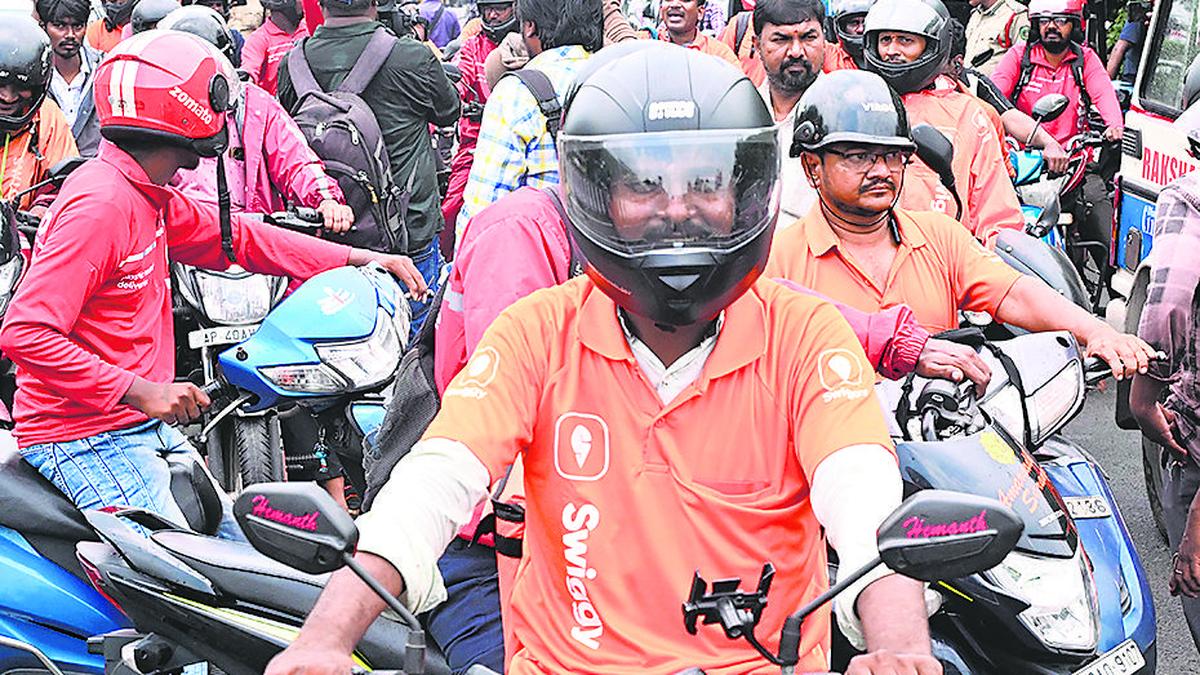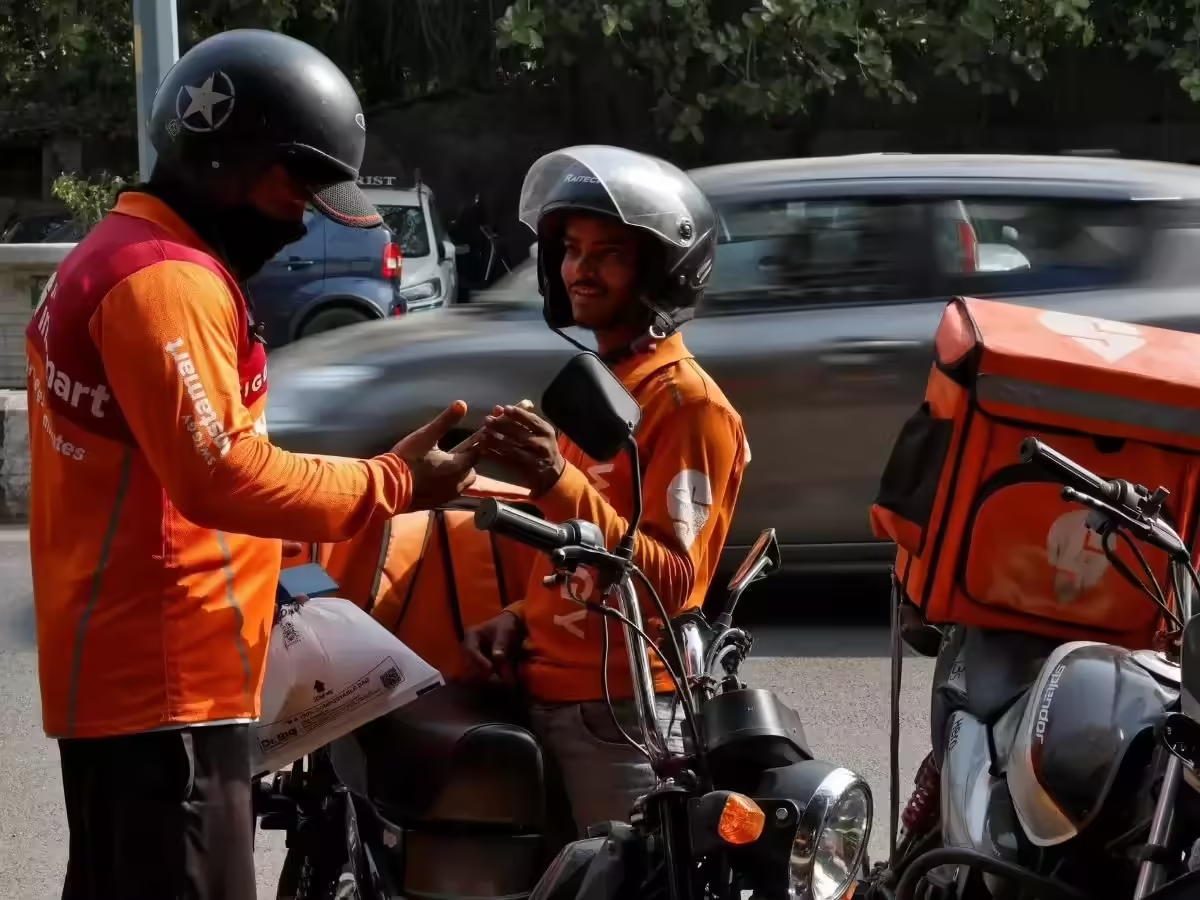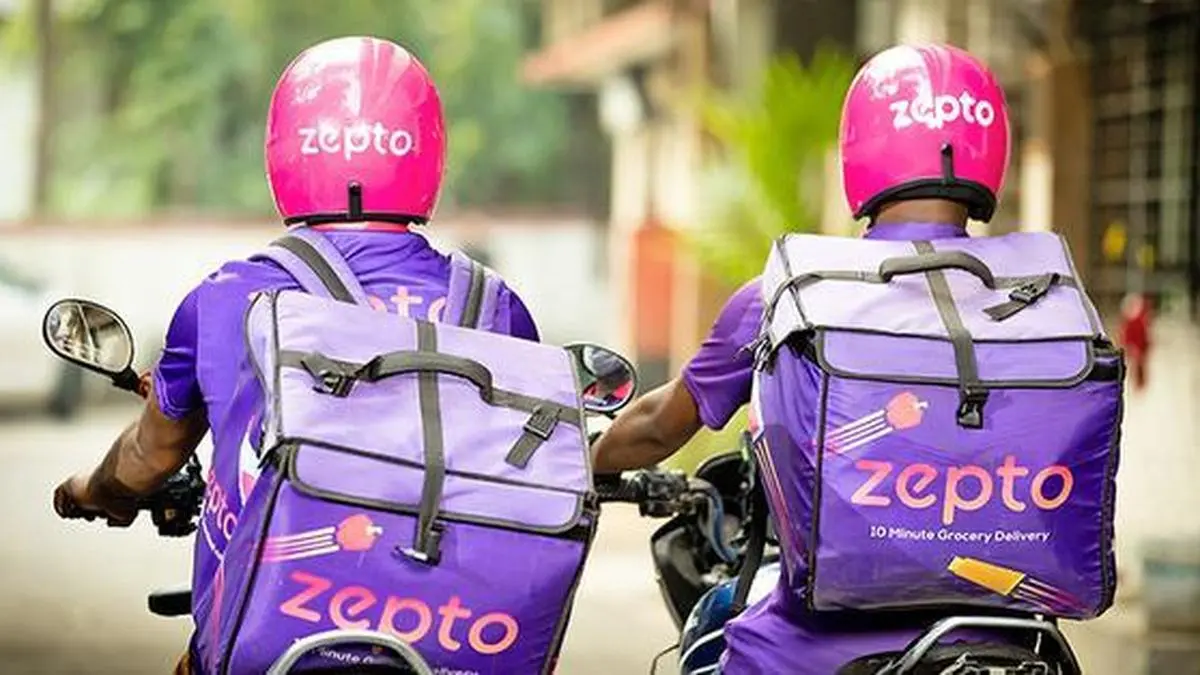
Industry experts point out that the legal challenge stems from deep anxieties regarding financial stability and regional fragmentation
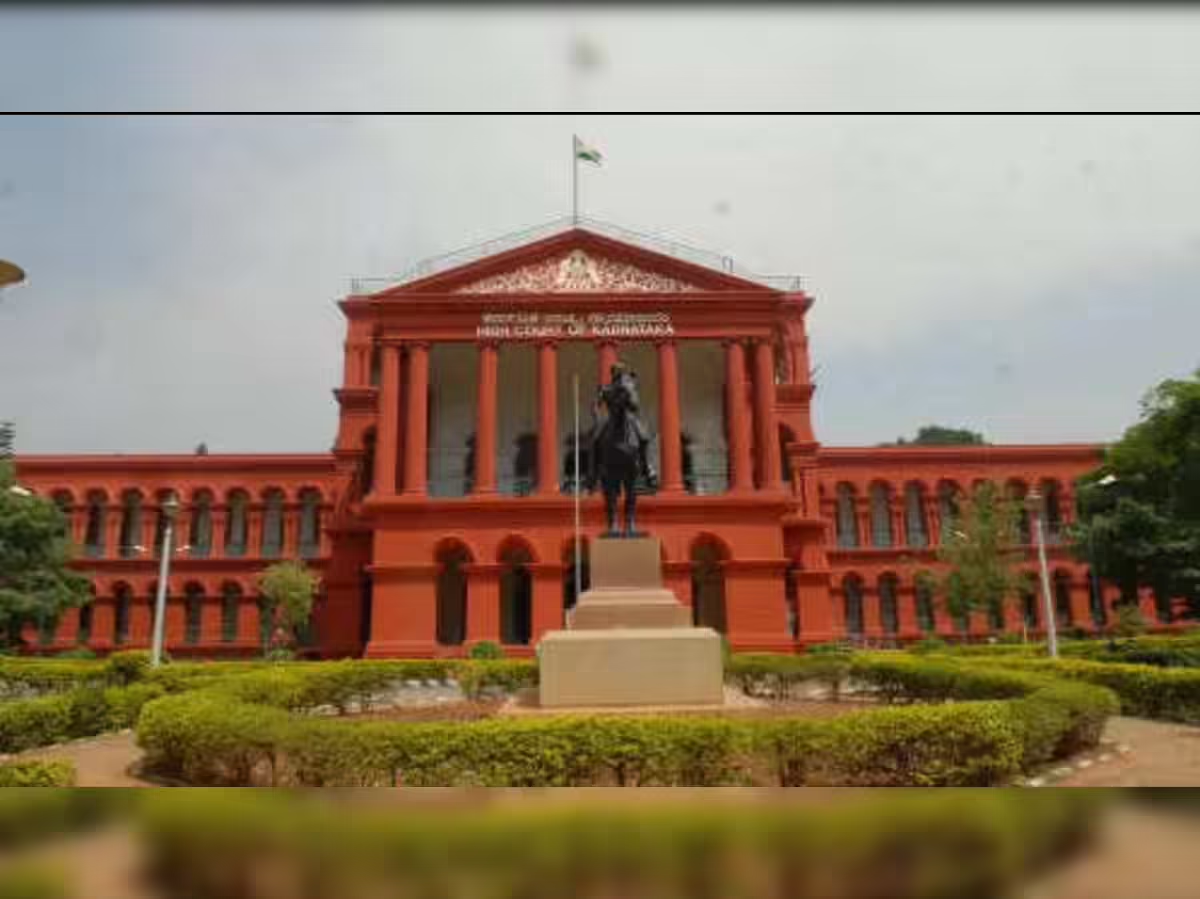
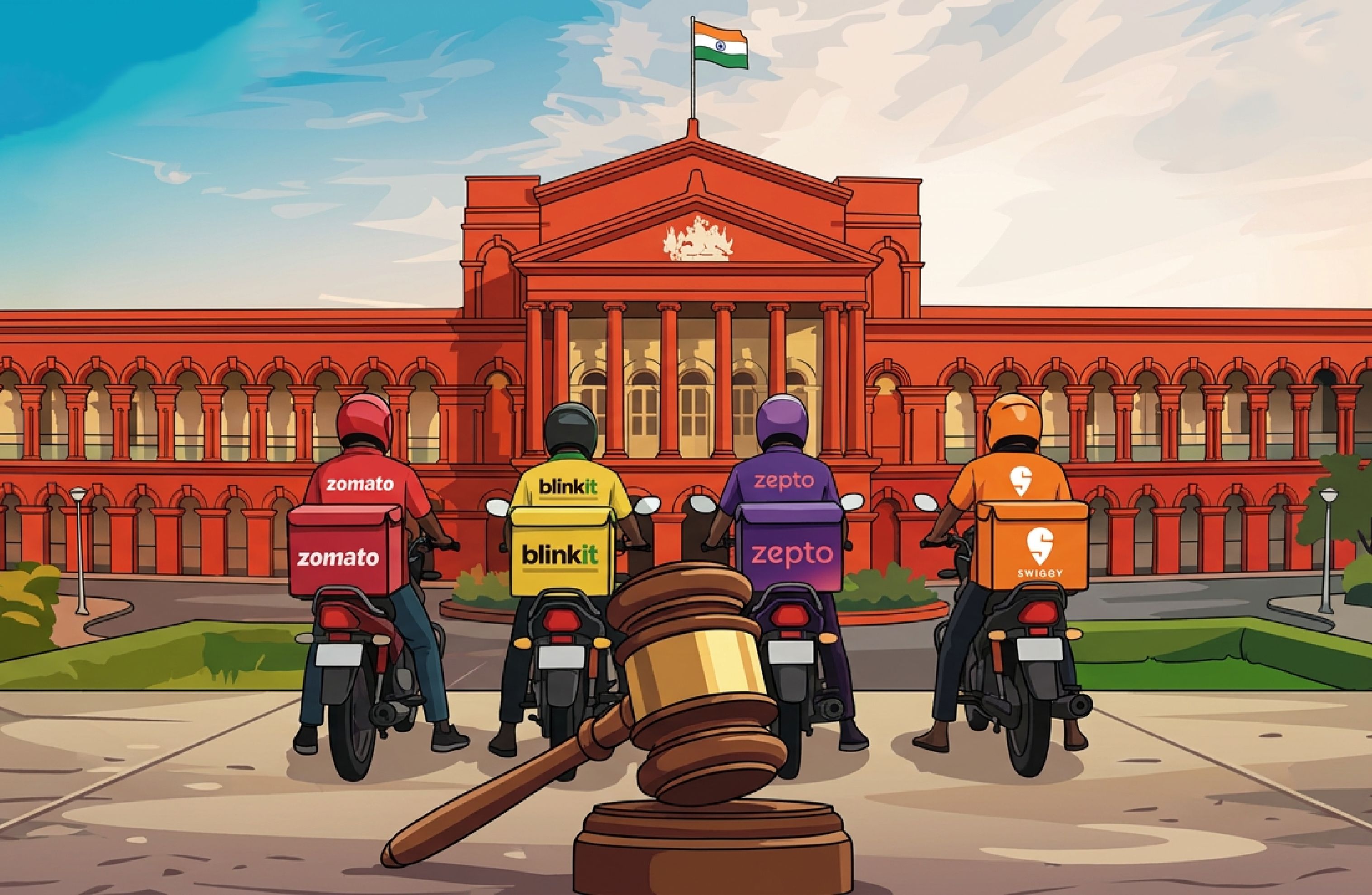
The Indian Federation of App-Based Transport Workers (IFAT), Telangana Gig and Platform Workers Union (TGPWU), and Karnataka App-Based Workers Union (KAWU) have strongly condemned major platform aggregators such as Swiggy, Zepto, and Zomato (Eternal Ltd.) for their decision to challenge the Karnataka Platform-Based Gig Workers (Social Security and Welfare) Act, 2025 before the Karnataka High Court.Specifically, the unions called the decision an attempt to deny workers their basic rights to social security and dignified working conditions. To emphasise this point, Shaik Salauddin, Co-Founder and National General Secretary of IFAT and Founder President of the Telangana Gig and Platform Workers’ Union (TGPWU), said, “The digital economy cannot be built on exploitation and insecurity.”However, industry experts point out that the legal challenge stems from deep anxieties regarding financial stability and regional fragmentation.According to Satish Meena, advisor at Datum Intelligence, aggregators are not necessarily trying to evade their duties but are facing an operational nightmare. “If platforms have to pay this in every state, and once this becomes applicable, if 25 states end up enacting similar laws, it becomes very difficult for them to keep paying multiple times across different states,” the analyst observed, adding that a lack of coordinated pre-legislative dialogue often leaves courts as a platform’s only recourse. “Sometimes the real issue is that there’s no proper coordination between platforms and lawmakers before a law is passed—the law comes first, and only afterwards do they reach out for consultation.”IFAT’s Shaik Salauddin directly rejected the companies’ core legal argument that the state law conflicts with the Centre’s Code on Social Security (COSS), 2020. He argued that companies were “misrepresenting the intent and content of the law,” adding that the Karnataka Act “only supplements and does not replace” COSS and that states carry both the constitutional authority and moral responsibility to protect workers where central protections have fallen short.Stark divideThere is also a stark divide on how the actual welfare fee will impact the market. While unions demand that platforms absorb the cost of doing business, Meena argued that the burden will ultimately shift to the public. “If they know this is a regulatory cost they have to pay, they’ll adjust their unit economics accordingly. It will either be passed on to the customer, or they’ll figure out how to optimise their costs,” said Satish Meena, suggesting a shared platform fee model might be the eventual compromise. “It can work like a platform fee, adding two rupees extra for gig workers, where maybe one rupee is funded by the customer and one by the platform.”Salauddin also invoked ILO Convention 193, the international labour standard on platform work, to argue that Karnataka’s law reflects an emerging global consensus on workers’ rights to social security, fair pay, safety, and protection from algorithmic exploitation.Published on June 30, 2026