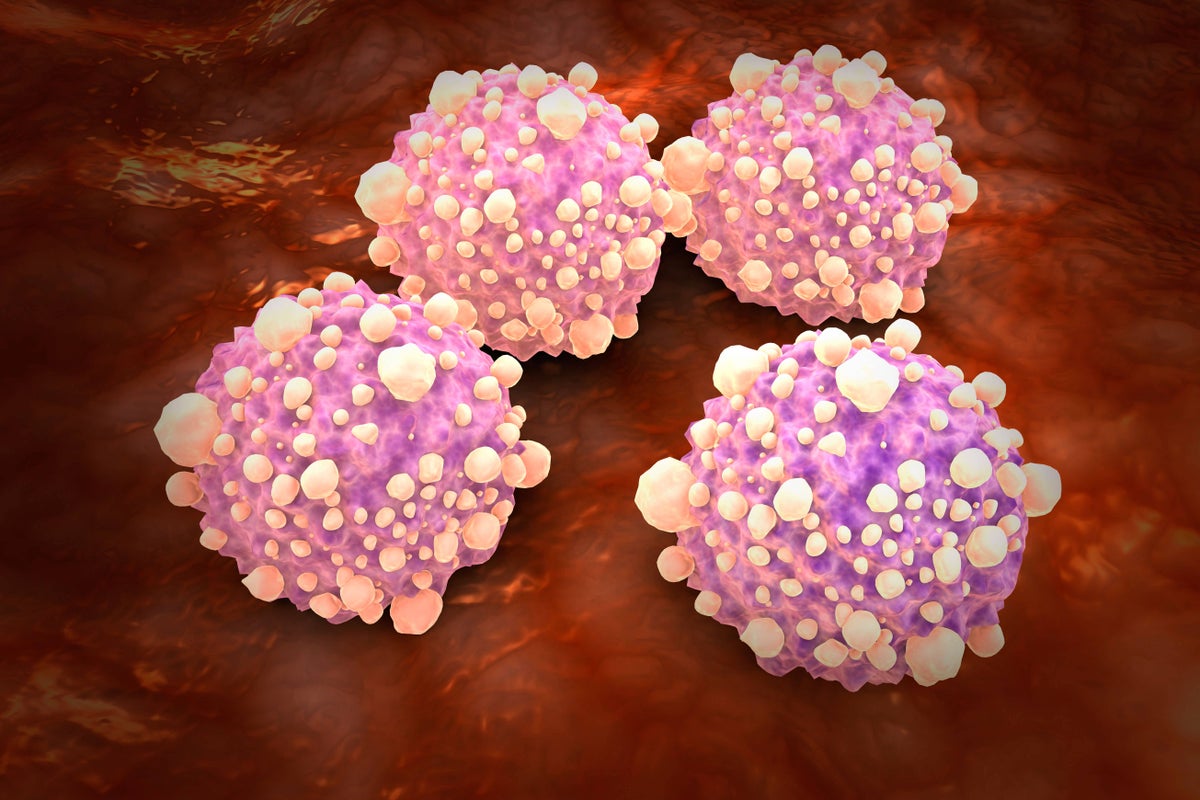
Patients who have been treated for pancreatic cancer could benefit from a newly developed blood test that could identify tiny traces of the disease often missed by scans.
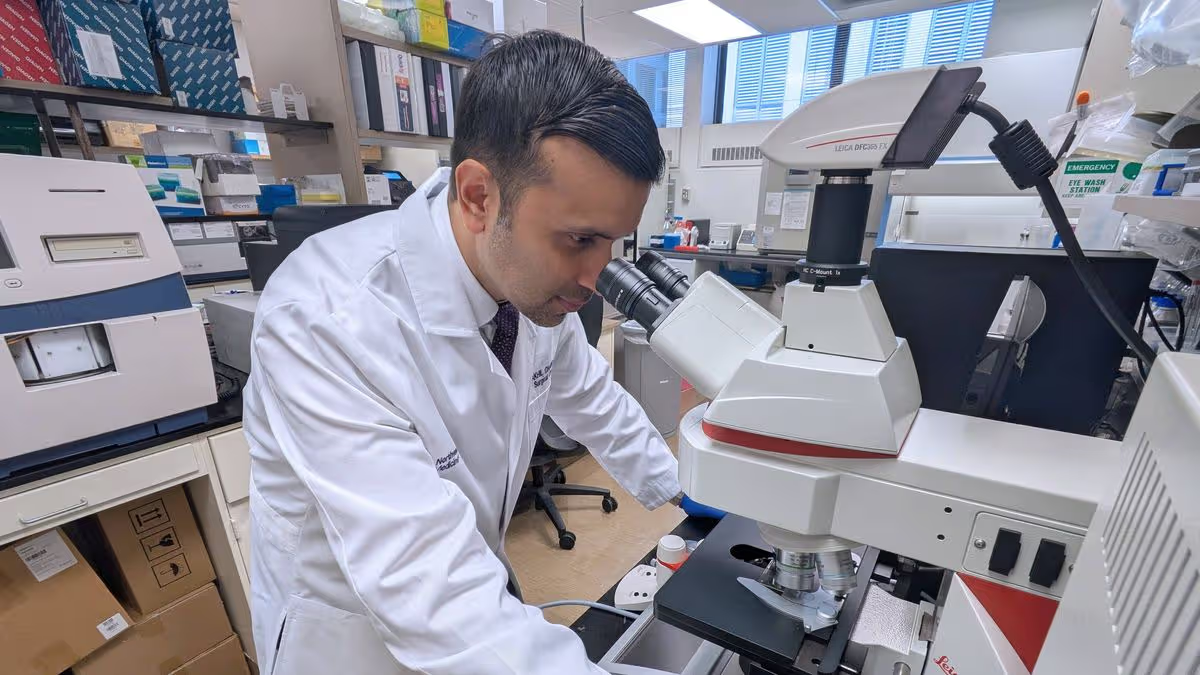
The highly sensitive test has been developed by a team based at Northwestern Medicine in Chicago who followed 106 pancreatic cancer patients from initial diagnosis through chemotherapy and surgery.
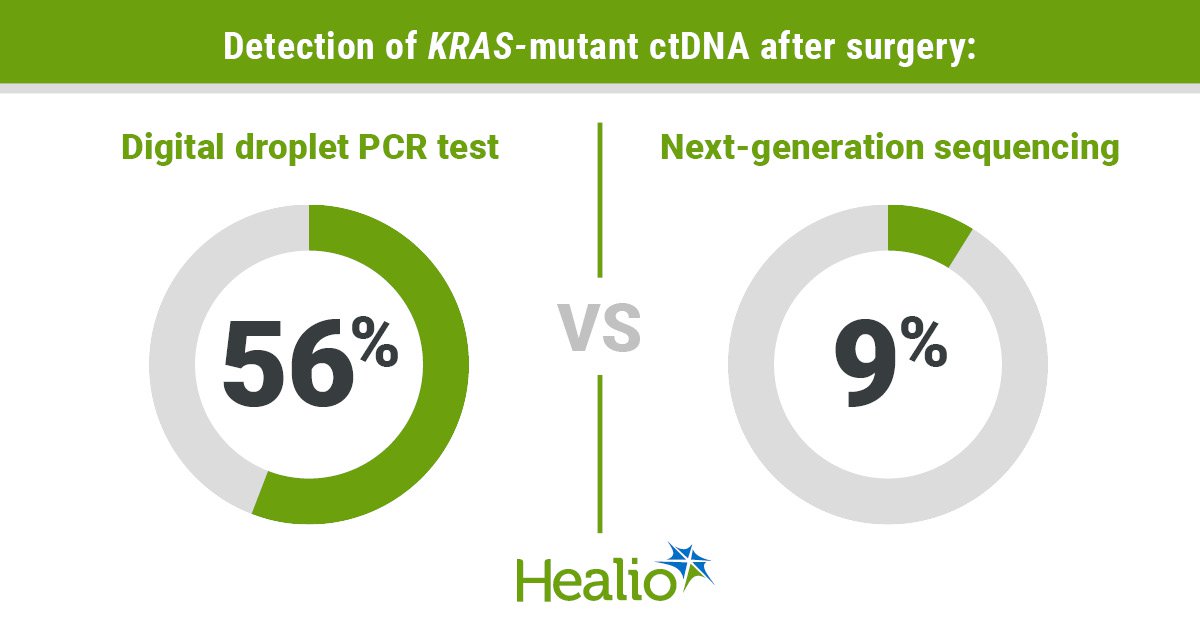
The new highly sensitive blood test - digital droplet PCR (ddPCR) - detected signs of cancer in nearly four times as many patients as conventional next-generation sequencing tests (NGS), which are more commonly used.
Both types of test search for traces of DNA shed by cancer cells into the bloodstream which can act as an early warning sign that cancer is present or may return.
The new test looks solely for the presence of KRAS, a genetic mutation that drives more than 90 per cent of pancreatic cancers.