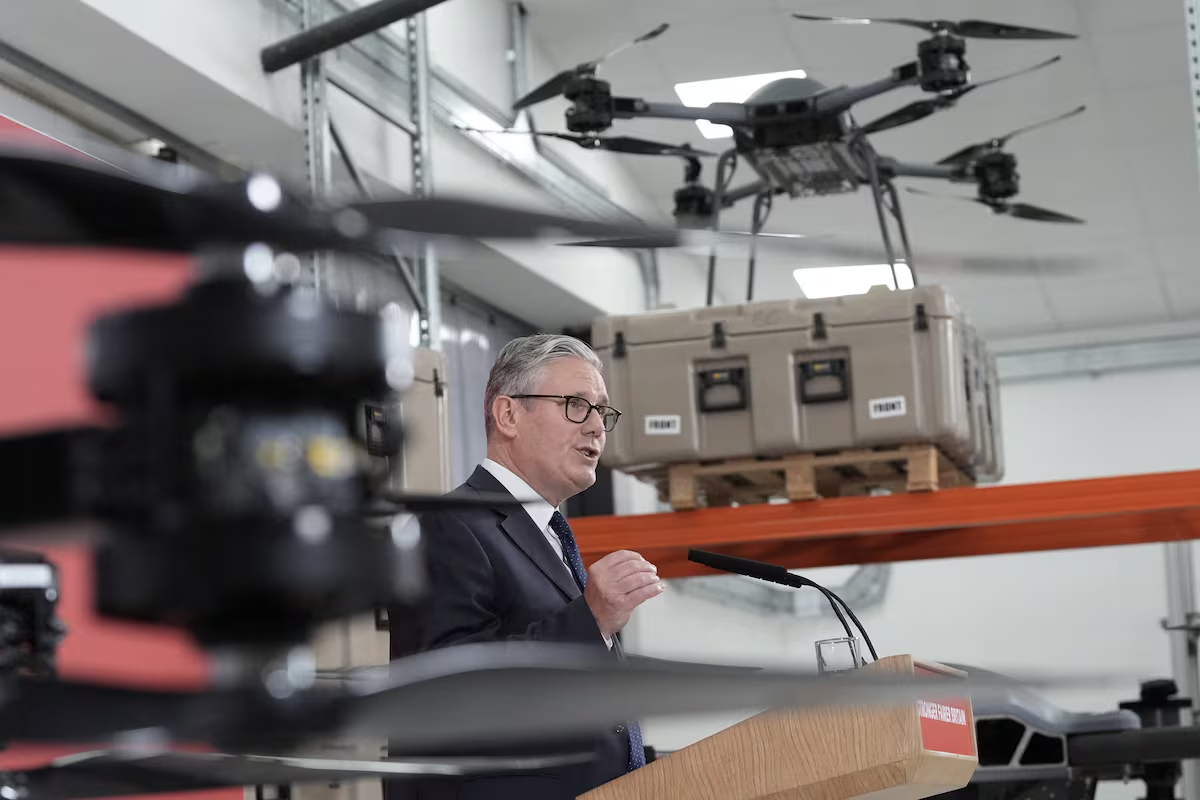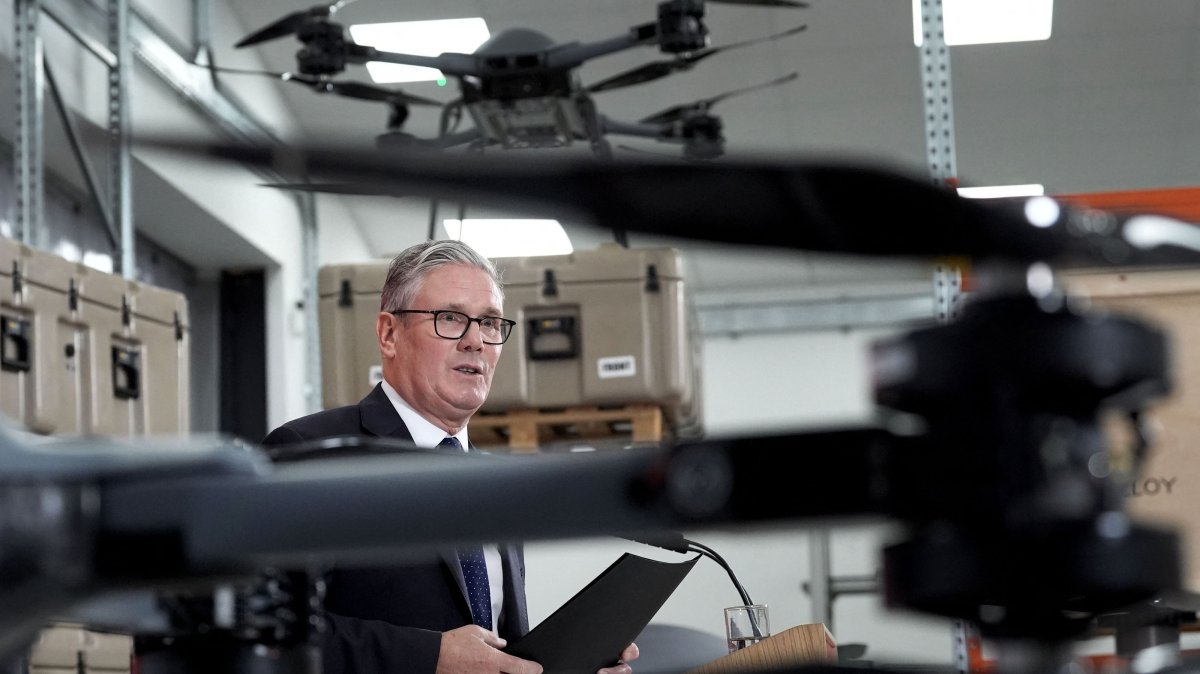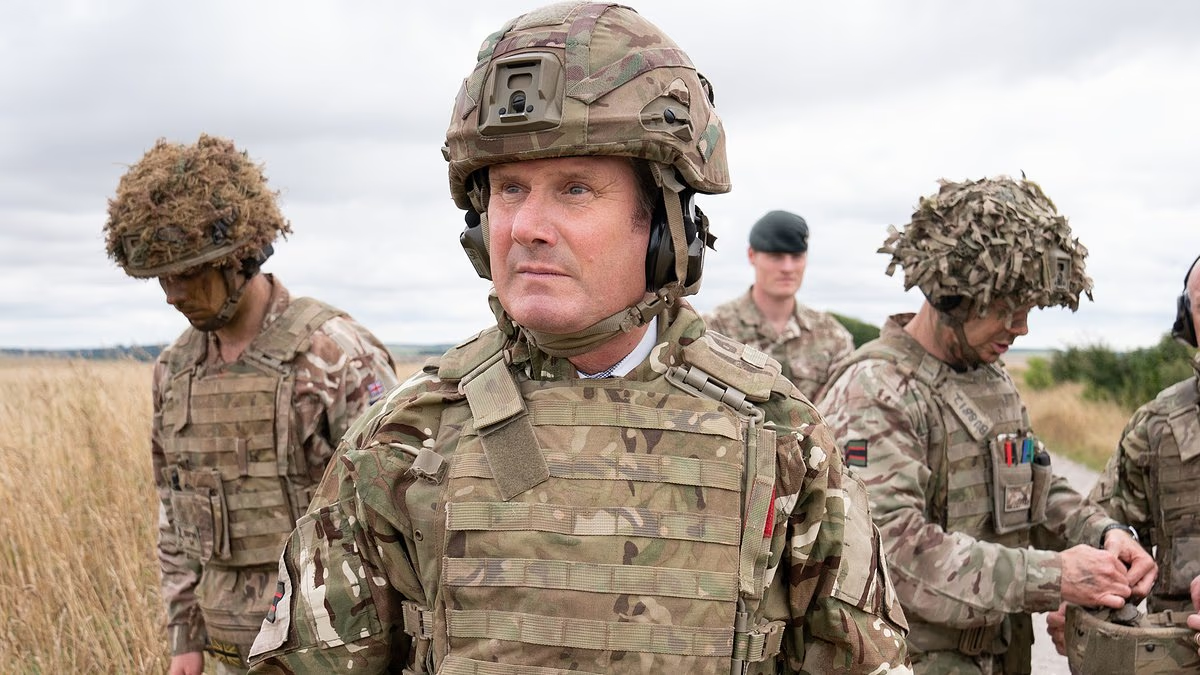
Stay up to date with notifications from The IndependentNotifications can be managed in browser preferences.Jump to contentThank you for registeringPlease refresh the page or navigate to another page on the site to be automatically logged inPlease refresh your browser to be logged inAllNewsSportCultureLifestyleThe government has published its Defence Investment Plan (DIP), allocating an additional £15 billion in funding, though this falls short of the £28 billion military officials deemed necessary to address the Ministry of Defence's budget deficit. The DIP outlines an intention to increase defence spending to 3% of GDP in the next Parliament, despite projections showing only 2.7% by 2030, and commits the MoD to finding £11 billion in efficiencies by 2039 through workforce cuts, automation, and infrastructure reforms. Tough choices within the plan include the early retirement of Storm Shadow missiles, Wildcat battlefield reconnaissance helicopters from 2027, and older Type 23 Frigates, to be replaced by next-generation systems and new vessels. Significant investments are planned, including over £5 billion for a 'drone transformation' across the armed forces, more than £8 billion for the Global Combat Air Programme to develop a next-generation stealth fighter, and £3.2 billion for novel technologies like AI and autonomous systems by 2030. The plan also commits to renewing the UK's nuclear deterrent with new Dreadnought submarines, a sovereign warhead, and F35-A jets, alongside £330 million for critical underwater infrastructure protection and an additional £1.5 billion for the Royal Navy's Atlantic Bastion initiative to counter Russian submarine threats. In fullDefence spending: The key takeaways from Starmer’s plan to protect BritainThank you for registeringPlease refresh the page or navigate to another page on the site to be automatically logged inPlease refresh your browser to be logged in
Starmer’s £15bn defence investment plan at a glance – all you need to know
Stay up to date with notifications from The IndependentNotifications can be managed in browser preferences.Jump to contentThank you for registeringPlease refresh the page or navigate to another page on the site to be automatically logged inPlease refresh your browser to be logged inAllNewsSportCultureLifestyleThe government has published its Defence Investment Plan (DIP), allocating an additional £15 billion in funding, though this falls short of the £28 billion military officials deemed necessary to address the Ministry of Defence's budget deficit. The DIP outlines an intention to increase defence spending to 3% of GDP in the next Parliament, despite projections showing only 2.7% by 2030, and commits the MoD to finding £11 billion in efficiencies by 2039 through workforce cuts, automation, and infrastructure reforms. Tough choices within the plan include the early retirement of Storm Shadow missiles, Wildcat battlefield reconnaissance helicopters from 2027, and older Type 23 Frigates, to be replaced by next-generation systems and new vessels. Significant investments are planned, including over £5 billion for a 'drone transformation' across the armed forces, more than £8 billion for the Global Combat Air Programme to develop a next-generation stealth fighter, and £3.2 billion for novel technologies like AI and autonomous systems by 2030. The plan also commits to renewing the UK's nuclear deterrent with new Dreadnought submarines, a sovereign warhead, and F35-A jets, alongside £330 million for critical underwater infrastructure protection and an additional £1.5 billion for the Royal Navy's Atlantic Bastion initiative to counter Russian submarine threats. In fullDefence spending: The key takeaways from Starmer’s plan to protect BritainThank you for registeringPlease refresh the page or navigate to another page on the site to be automatically logged inPlease refresh your browser to be logged in