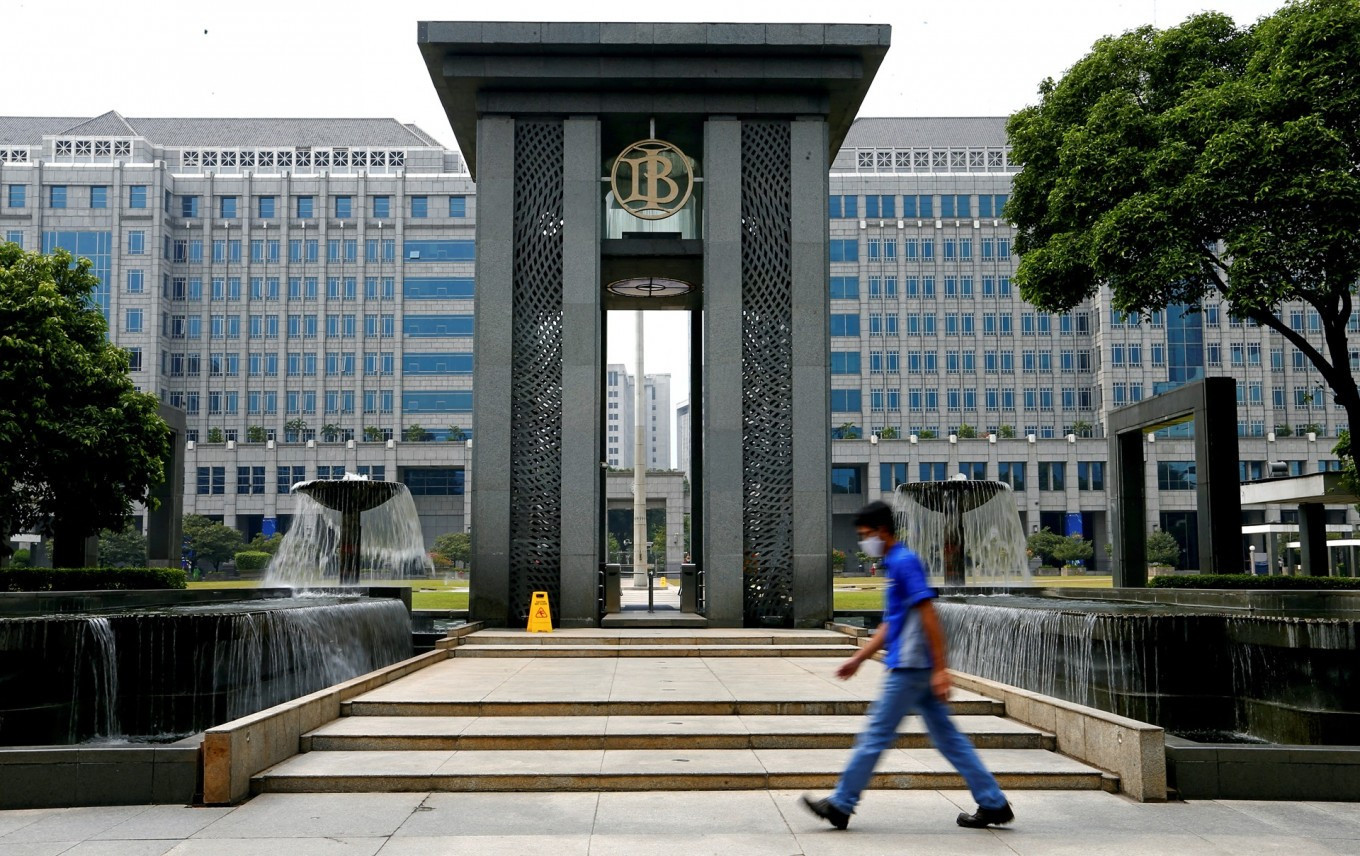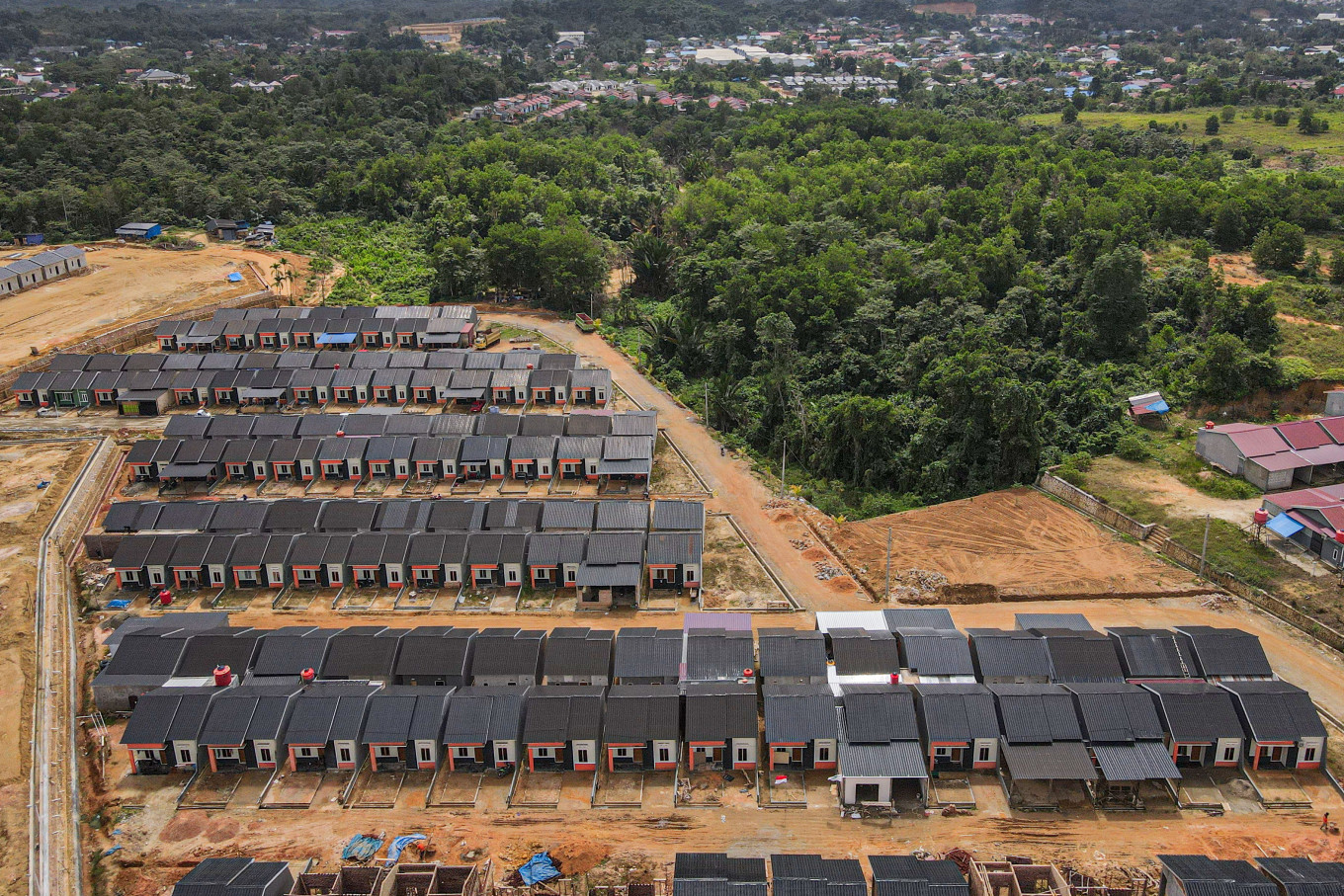
The property sector is entering an increasingly challenging phase in 2026. Amid slowing growth in mortgage lending and rising credit risk, a 100-basis-point (bps) increase in the Bank Indonesia (BI) rate adds further pressure that could delay the sector’s recovery. In this environment, the challenge facing the property sector is no longer simply to sustain sales, but also to preserve purchasing power, credit quality and market confidence in the face of rising borrowing costs.Since the beginning of 2026, the property sector has faced several challenges on both the demand and supply sides. On the demand side, home sales fell by 25.7 percent year-on-year (yoy) in Q1, according to a BI survey. Economic uncertainty and weakening purchasing power were among the main drivers of this decline.
Yet the property sector's potential remains substantial, as reflected in the total housing backlog, households without homes, which amounted to 9.6 million households in 2025. The number of households able to afford monthly installments above Rp 2 million (US$112) is sizeable, at 2.3 million households.
This softening demand is also reflected in slowing mortgage growth accompanied by rising risk. During January and April, the growth of total home-ownership loans (KPR) slowed while the non-performing loan (NPL) ratio rose.