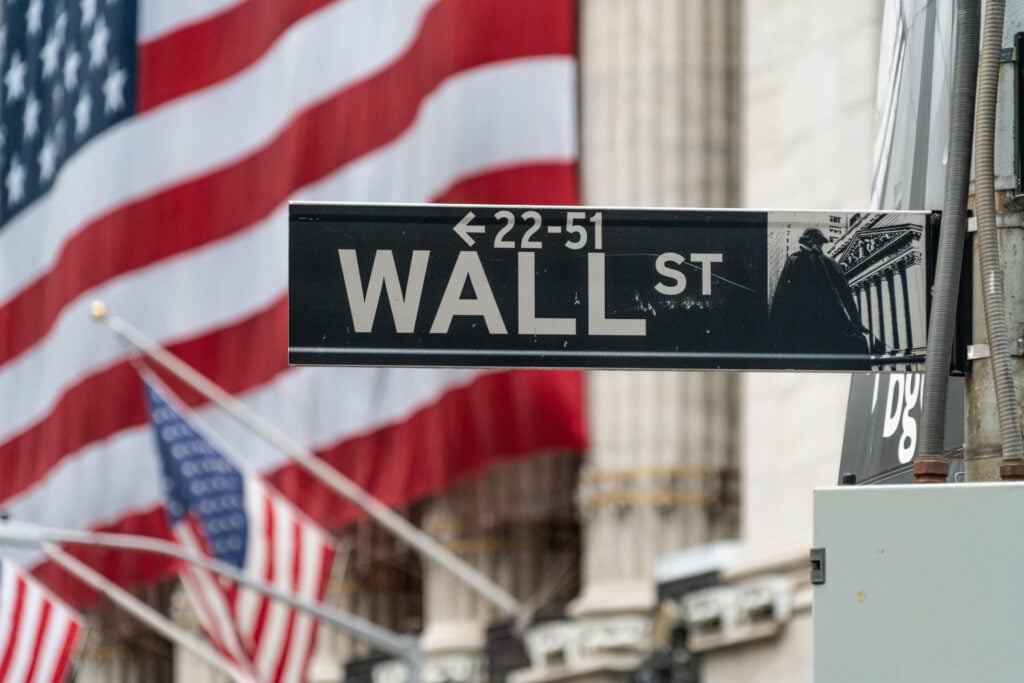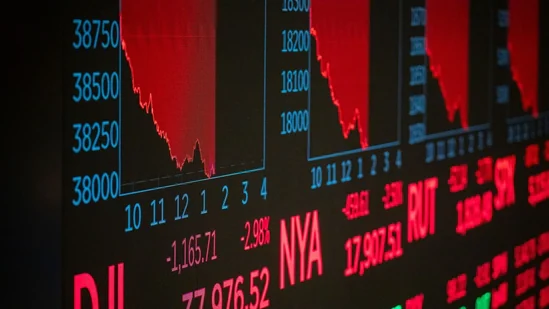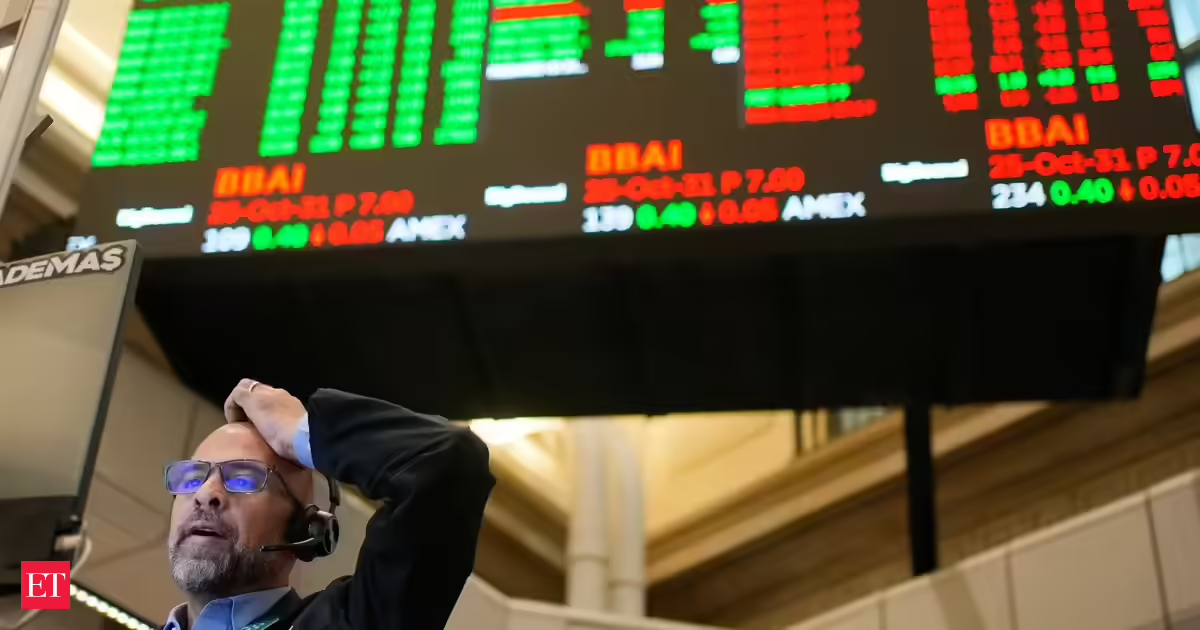
Why is Dow Jones down while S&P 500 and Nasdaq up today, and will US stock market continue to witness mixed trends? This question has gained attention after Wall Street opened with mixed trading on the last session of the first half of 2026. The Dow Jones Industrial Average moved lower, while the S&P 500 and Nasdaq Composite posted gains. Investors continued to balance optimism around artificial intelligence with concerns over oil prices, inflation, and geopolitical developments involving the United States and Iran. Market participants are also waiting for the June US jobs report, which could influence expectations for future interest rate decisions and broader market direction.Wall Street begins final trading day of the half-year with mixed performanceUS stock markets opened with different performances on Tuesday as investors entered the final trading session of a successful first half of 2026. About 10 minutes after the opening bell, the Dow Jones Industrial Average fell 0.2 percent to 52,075.80.At the same time, the S&P 500 gained 0.1 percent to 7,449.12, while the Nasdaq Composite advanced 0.3 percent to 25,890.09. The different movements across the three major indexes reflected caution among investors despite strong gains recorded during the first six months of the year.The mixed opening also showed that investors were selecting sectors differently. Technology companies continued to attract buying interest, while some traditional industrial stocks that make up a large part of the Dow Jones remained under pressure.The Dow Jones moved lower mainly because its collection of stocks differs from the S&P 500 and Nasdaq. The Dow includes only 30 major companies and has a larger exposure to industrial, financial, and consumer businesses. The Nasdaq has a much larger concentration of technology companies, while the S&P 500 represents a broader section of the US economy.Technology-related companies continued to receive support from investors because confidence in artificial intelligence remained strong. That helped lift both the Nasdaq and the S&P 500 even as the Dow Jones slipped. The market also reflected caution as investors waited for important economic data later in the week. Rather than buying across every sector, traders focused on industries they believed had stronger growth prospects.Artificial intelligence continues to support US equitiesOne of the biggest reasons behind the strong performance of US stocks during the first half of 2026 has been continued confidence in artificial intelligence. The S&P 500 has climbed nearly nine percent during the first six months of the year.According to market participants, enthusiasm surrounding artificial intelligence has remained one of the strongest drivers of equity markets. Investors have continued to believe that AI-related investments and business growth could support corporate earnings in the coming quarters.Even though markets have faced geopolitical uncertainty and higher energy prices, confidence in AI has helped offset many of those concerns. This optimism has especially benefited technology companies, helping the Nasdaq continue its upward movement.Oil prices and Middle East developments remain importantInvestors also continued watching developments in the Middle East. Oil prices moved higher early Tuesday after recent military strikes involving the United States and Iran during the weekend. These developments raised fresh questions about how long the existing memorandum of understanding aimed at ending the conflict could remain effective.Higher oil prices often increase inflation concerns because they can raise transportation, manufacturing, and business costs. Rising costs may eventually affect company profits and consumer spending. As a result, energy market developments remained an important factor influencing investor decisions during Tuesday's trading session.Diplomatic efforts continue between the United States and IranMarkets were also monitoring diplomatic activity taking place in Doha. US representatives met with Qatari mediators on Tuesday to discuss negotiations involving Iran. However, Iranian officials stated that there were currently no plans for direct discussions with the United States. The uncertainty surrounding future diplomatic talks has kept investors cautious because any change in geopolitical tensions could quickly influence oil prices and financial markets. For now, traders continue following both diplomatic developments and energy market movements before making larger investment decisions.Analysts insights and market outlookJack Ablin of Cresset Capital explained that investors largely looked beyond the conflict during the quarter. According to Ablin, equity markets mainly focused on company earnings, while earnings estimates continued improving throughout the quarter.His comments suggest that investors gave greater importance to corporate financial performance than geopolitical uncertainty during the first half of 2026. Even though international tensions remained in focus, stronger earnings expectations helped support stock prices across many sectors. This balance between improving company performance and global uncertainty has contributed to the mixed market movements seen recently.Will US stock market continue to witness mixed trends?The next major event for investors is the US employment report for June, which is scheduled for release on Thursday. According to Jack Ablin, the jobs report could become one of the biggest drivers of market direction. Investors are watching employment data because it may influence future decisions by the Federal Reserve regarding interest rates.Inflation concerns have already increased expectations that interest rates could remain higher or even rise further. Ablin said markets are looking for a modestly positive employment report. If job growth comes in close to expectations, investors may view it as supportive for markets.However, he warned that a report showing very strong job growth could create fresh concerns that inflation may remain elevated. That could increase expectations for tighter monetary policy and potentially unsettle investors. Because of these factors, market volatility may continue in the coming days.US stocks to watch out forInvestors are likely to keep monitoring several areas over the coming sessions. Technology companies linked to artificial intelligence remain among the most closely watched stocks because they continue attracting investment.Energy companies could also remain active if oil prices continue moving higher following developments in the Middle East. Financial stocks may react to changing expectations for future interest rates.Industrial companies within the Dow Jones may continue facing pressure if investors remain focused on growth sectors instead of value-oriented businesses. The broader direction of the market may depend on how these sectors respond to economic data and geopolitical developments during the weeks ahead.What should investors do now?Market experts generally advise investors to avoid making decisions based only on one day's market movement. The mixed opening does not necessarily indicate a change in the longer-term trend.Instead, investors should continue monitoring economic reports, inflation data, company earnings, Federal Reserve signals, oil prices, and international developments. Diversification across sectors may help reduce risk during periods of market uncertainty.The upcoming jobs report and future inflation readings could provide clearer direction for Wall Street in the second half of 2026. For now, investors remain optimistic about long-term growth while staying cautious about short-term risks.FAQsQ1. Why is Dow Jones down while S&P 500 and Nasdaq up today?The Dow Jones declined because investors sold some industrial and value stocks, while technology shares continued gaining support from artificial intelligence optimism, helping the S&P 500 and Nasdaq move higher.Q2. Will US stock market continue to witness mixed trends?Markets may remain mixed as investors assess the June jobs report, inflation expectations, Federal Reserve policy, oil prices, company earnings, artificial intelligence growth, and geopolitical developments involving the United States and Iran.
Why is Dow Jones down while S&P 500 and Nasdaq up today, and will US stock market continue to witness mixed trends? Explained as Wall Street ends winning half of 2026 with mixed opening
Why is Dow Jones down while S&P 500 and Nasdaq up today, and will US stock market continue to witness mixed trends? Wall Street opened with mixed performance on the final trading day of the first half of 2026. While the Dow Jones slipped, the S&P 500 and Nasdaq posted gains. Investors continued to monitor artificial intelligence growth, oil prices, the US-Iran situation, inflation concerns, interest rate expectations, and the upcoming US jobs report.
1,177 words~5 min read