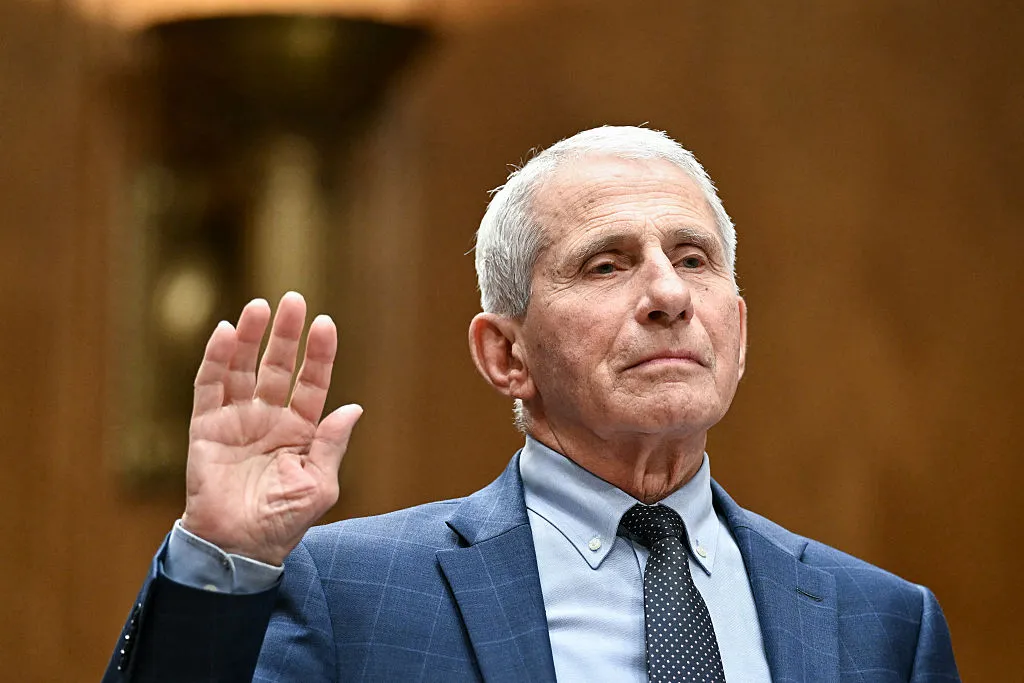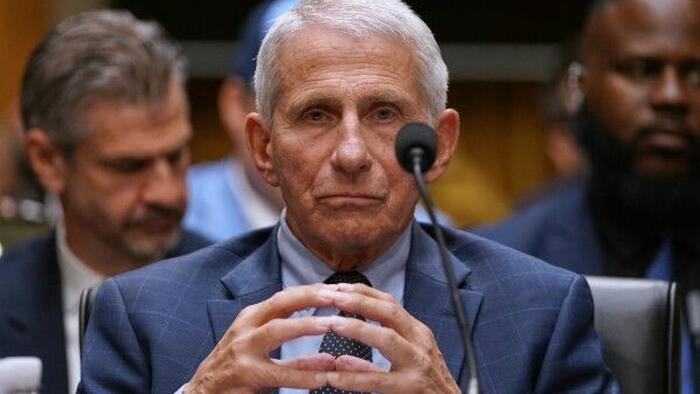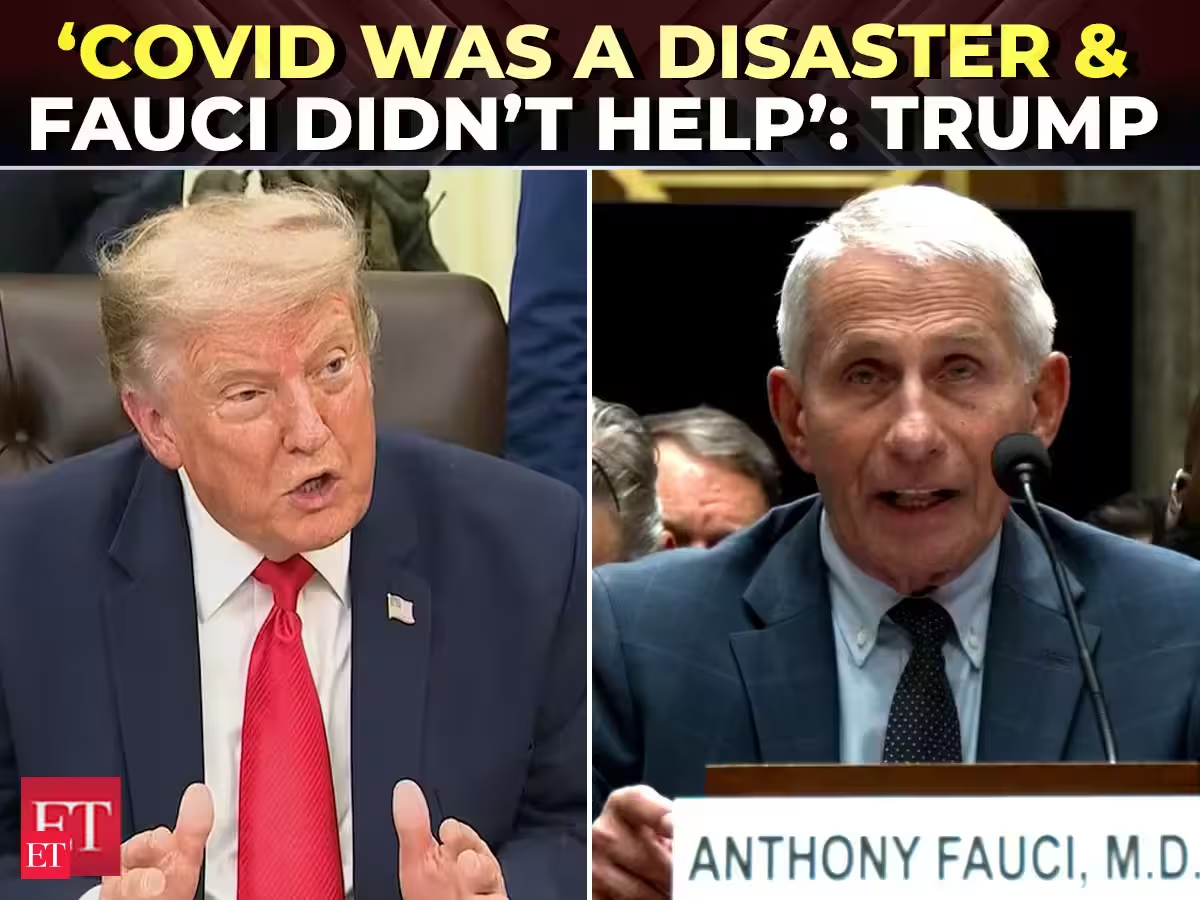
Acceptance of a presidential pardon carries legal weight. The Supreme Court once observed that accepting a pardon carries an implication of guilt. Former President Joe Biden’s accompanying remark that the grant to Anthony Fauci should not be mistaken for evidence of wrongdoing carries no judicial weight whatsoever. It is, one supposes, the sort of thing one says when the alternative might prove inconvenient.When Fauci accepted the broad pardon issued in early 2025, he accepted the implication of responsibility. The pardon closed off federal prosecution for any possible offenses linked to his long tenure at the infectious disease agency and his role advising on the national response. What it could not close off are the measurable consequences of policies advanced under that influence. These consequences arrived in the form of lost learning, frayed social skills, several trillion dollars in public spending, and fraud on a scale that still burdens the economy.A number of his central recommendations rested on evidence that was, at best, provisional. Community cloth masking progressed from discouragement to near-universal requirement without the benefit of large randomized trials demonstrating reliable reductions in everyday transmission. A subsequent systematic review concluded that such masks probably make little or no difference to laboratory-confirmed infection. The six-foot distancing rule emerged without controlled comparisons of alternative distances; it simply appeared, and was applied with the confidence usually reserved for settled fact. Later observations in reopened schools found little difference in outcomes between three-foot and six-foot arrangements once other measures were in place.
Biden's pardon doesn't erase Fauci's catastrophic legacy — it implies guilt
In accepting Biden's pardon, Fauci got off cheap. It was the taxpayer, the parents, the children and the economy that got stiffed.
668 words~3 min read