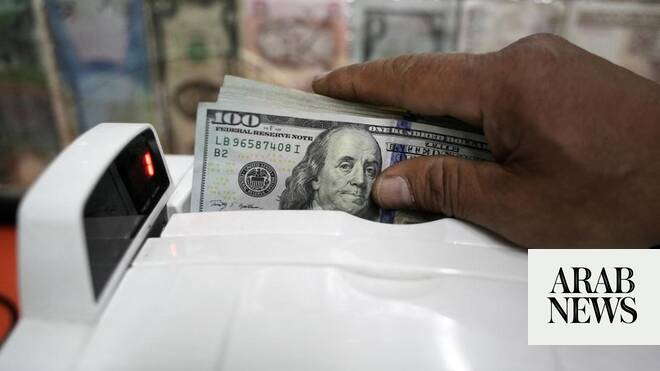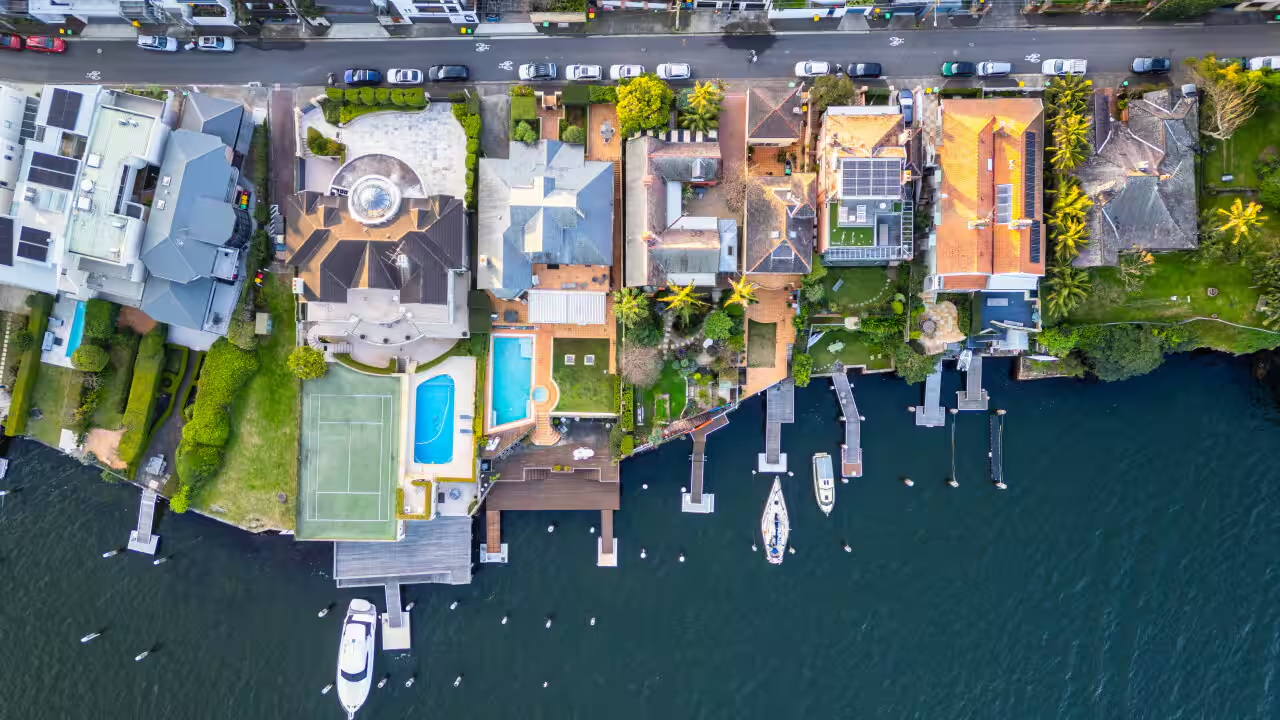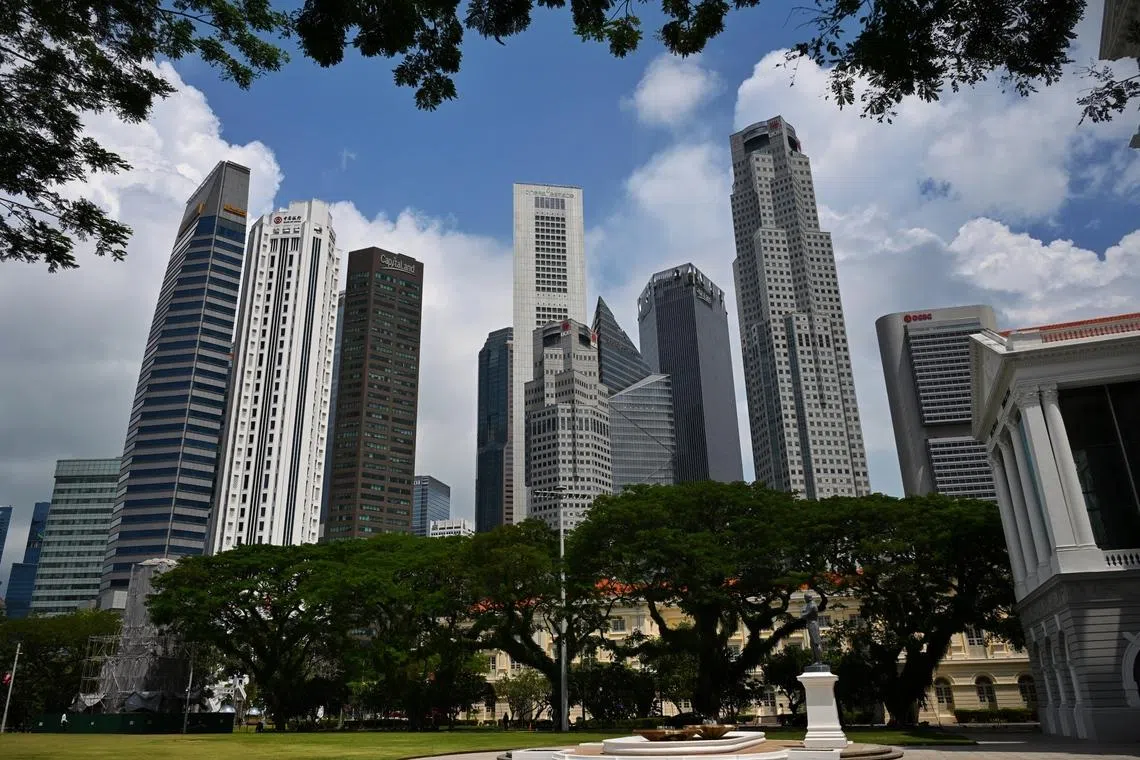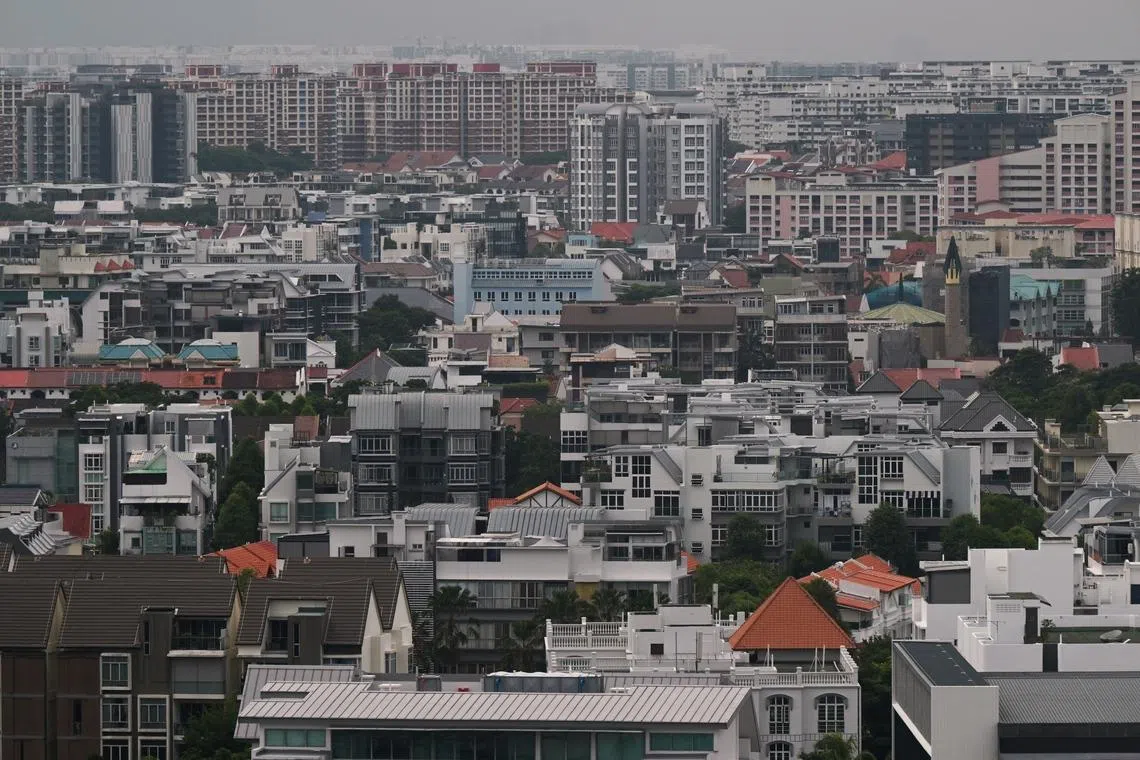
SINGAPORE – Global personal wealth jumped more than 10 per cent in 2025, its fastest pace of growth in years, as strong equity markets and rising non-financial assets, mainly linked to real estate, boosted household balance sheets, according to the UBS Global Wealth Report 2026.This was the third straight year of rising personal wealth, which on average outpaced economic growth.Singapore remained one of the world’s wealthiest economies. Average wealth per adult reached US$527,217, ranking the Republic sixth globally behind Switzerland, the United States, Luxembourg, Hong Kong and Australia.The number of US-dollar millionaires here also grew 2.2 per cent, or 5,240 people, to 244,000.The collective wealth of those in the US$5-10 million and US$10-50 million categories grew 9.4 per cent, while that of individuals in the US$50-100 million bracket rose 9.6 per cent.Financial assets accounted for 63.8 per cent of gross wealth in Singapore.Wealth in the Asia-Pacific grew just over 5.9 per cent in 2025, with the region a major source of high-net-worth individuals, particularly in Greater China and South-east Asia. More than 100,000 new millionaires were minted in the region, which maintained a share of around one-third of global wealth, said Young Jin Yee, co-head of UBS global wealth management for Asia Pacific and UBS country head Singapore.UBS economist James Mazeau said the Asia-Pacific’s slower pace could be due to currency effects and market dynamics, but the long-term trend remains positive. He stressed that the figures in the report are estimates based on various statistics and data sources.Globally, personal wealth rose by 10.8 per cent in US dollar terms last year, significantly outpacing the 4.6 per cent growth in 2024.Growth was particularly strong in wealth segments above US$5 million. This acceleration was especially pronounced in markets such as China, Australia, and the United States.Wealth growth was strongest in Europe and the Middle East at almost 18 per cent. Western Europe saw nearly 17 per cent growth, while Eastern Europe surged by 28 per cent. The Americas grew 8.5 per cent.The number of US-dollar millionaires surged to a record of nearly a million new millionaires. The United States accounted for almost half of this growth, with more than 1,200 new millionaires emerging every day, while Eastern Europe posted the fastest percentage growth.Mazeau said the global wealth pyramid continued to shift upward, with the share of adults holding less than US$10,000 falling and more people moving into middle and upper wealth bands. It added that 1.5 per cent of adults in the sample now hold more than US$1 million. Inequality rose alongside rising average wealth, as the decline in median wealth in most markets highlighted a growing divide between the wealthiest and the broader population.Foreign-exchange swings were the main driver of year-to-year differences in wealth performance across economies. Fluctuations in real estate values also played an important role, especially for those in the middle part of the wealth pyramid, Mazeau said.But lower household debt, the “great wealth transfer” from one generation to the next, and the rise of female wealth ownership are also changing how wealth is distributed, said Paul Donovan, chief economist at UBS Global.Improving living standards have lifted more people out of the lowest wealth bands, but many may not feel the improvement in absolute wealth as they tend to compare their position with that of others, he added.Donovan said luck and the wealth it creates does not last. “Rather, it is the investment in personal skills and wider economy that delivers more enduring wealth,” he said.The report highlights how asset composition has been shaping wealth outcomes. For many households, residential property remained their dominant asset, which can limit participation in market-driven gains.At the same time, the share of liquid, investable assets has increased over the years across key markets, pointing to a gradual shift toward more market-linked wealth.
Singapore millionaires rise to 244,000: UBS
Singapore's average wealth per adult reached US$527,217 in 2025, as global personal wealth grew rapidly, according to the latest UBS Global Wealth Report. Read more at straitstimes.com. Read more at straitstimes.com.
629 words~3 min read