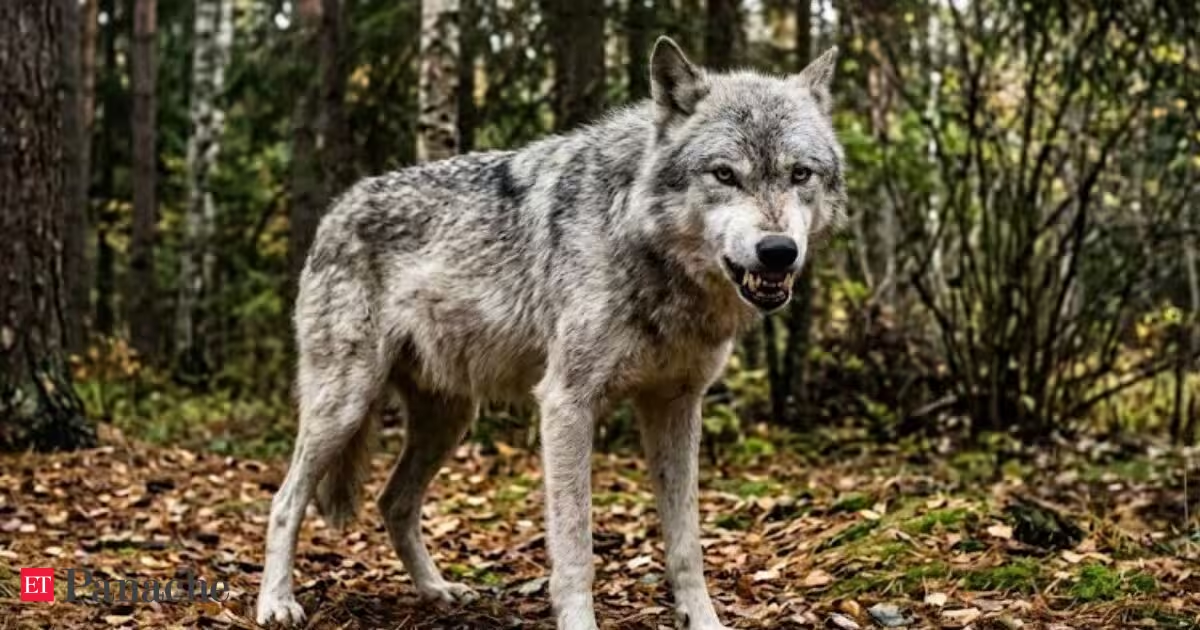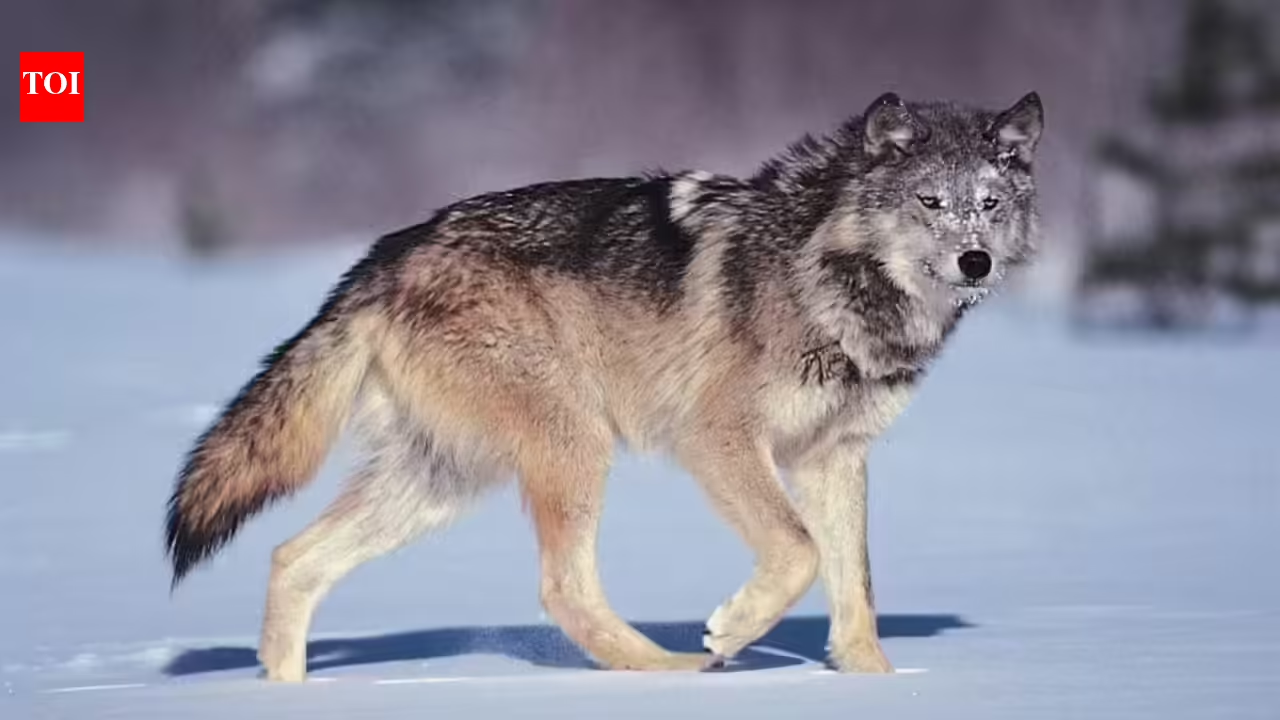
Greek Proverb of the Day: Age brings experience, wisdom, and perspective, but it does not always change a person's fundamental nature. The Greek proverb, “The wolf, though aged and gray-haired, changes neither opinion nor head,” reflects this enduring truth about character and deeply rooted habits.For centuries, people have observed that while appearances may change with time, core values, instincts, and ways of thinking often remain remarkably consistent. The Greek proverb uses the image of an old wolf whose fur has turned gray but whose nature remains exactly the same. It serves as a reminder that genuine transformation requires more than the passage of years.Its message continues to resonate today because understanding human nature remains as important as ever.Greek proverb of the day: Understanding the meaning of the Greek sayingYou Might Also Like:The proverb is, “The wolf, though aged and gray-haired, changes neither opinion nor head.”The wolf symbolizes a creature known for its instincts, independence, and unchanging character. Even as it grows old and its appearance alters, its essential nature remains intact.The saying teaches that time alone does not automatically transform a person. Years may bring maturity and experience, but deeply held beliefs, habits, and attitudes often endure unless there is a conscious desire to change. The proverb is not entirely pessimistic. Rather, it encourages realism. It reminds people to understand others as they truly are instead of assuming that age alone will reshape character.What this Greek proverb teaches about human natureYou Might Also Like:One important lesson is that habits become stronger over time. Patterns repeated for decades rarely disappear overnight. Whether positive or negative, long-established behaviors tend to remain deeply rooted. Genuine change requires intention, humility, and effort.Another lesson involves expectations. People often hope that difficult individuals will naturally become different with age. The proverb suggests caution. Growth is possible, but only when accompanied by self-awareness and willingness.The saying also encourages self-reflection. Rather than focusing solely on the unchanging nature of others, it invites individuals to examine their own habits and beliefs. What parts of ourselves deserve preservation, and what parts require transformation?Life lessons from the proverbYou Might Also Like:Character matters more than appearanceExternal changes such as age, status, or success do not necessarily alter a person's fundamental values.Habits grow stronger with timeThe routines and attitudes cultivated today often become the character traits of tomorrow.Real change requires conscious effortTransformation is possible, but it demands intention rather than simply waiting for time to pass.Accept people for who they truly areUnderstanding someone's consistent nature can prevent disappointment and lead to healthier expectations.Here's why this Greek Proverb remains relevant todayModern culture often celebrates reinvention and constant change. People are encouraged to believe that anyone can become anything at any moment. While growth and self-improvement are important, this Greek proverb introduces a valuable balance. It reminds us that meaningful change is difficult and that deeply rooted character traits deserve careful attention. In relationships, workplaces, and communities, many conflicts arise because people expect others to become fundamentally different without genuine effort or desire.The wisdom of this saying encourages realism without cynicism. It acknowledges both the power of human nature and the importance of personal responsibility.Its message remains timeless because understanding character is essential for building trust, making wise decisions, and navigating life's complexities.Inspiring Greek proverbs Greek wisdom traditions offer countless reflections on life and human behavior.“You can knock on a deaf man's door forever.”“The beginning is half of every action.”“One minute of patience can prevent a hundred days of sorrow.”“A society grows great when old men plant trees whose shade they know they shall never sit in.”Like today's proverb, these sayings explore character, responsibility, wisdom, and the realities of human nature.Life lesson: Time changes appearance, but character shapes destinyAt the end of the day, this Greek proverb is a reminder that true growth comes from within. Gray hair, experience, and passing years may alter the outside, but genuine transformation requires reflection, humility, and deliberate action. It also encourages compassion and realism toward others. Understanding a person's consistent character allows us to form healthier relationships and more reasonable expectations. After all, as Greek wisdom teaches, the wolf, though aged and gray-haired, changes neither opinion nor head. The greatest changes in life happen not because time passes, but because people choose to become something better.You Might Also Like:
Greek Proverb of the Day: 'The wolf, though aged and gray-haired, changes neither...'- An enduring life lesson on character, habit, and human nature
A timeless Greek proverb, 'The wolf, though aged and gray-haired, changes neither opinion nor head,' highlights that genuine transformation stems from within, not merely from the passage of time. While age brings experience, core character and deeply ingrained habits often persist. This wisdom encourages realistic expectations of others and self-reflection, emphasizing that true change requires conscious effort and a willingness to evolve, rather than simply waiting for years to pass.
711 words~3 min read