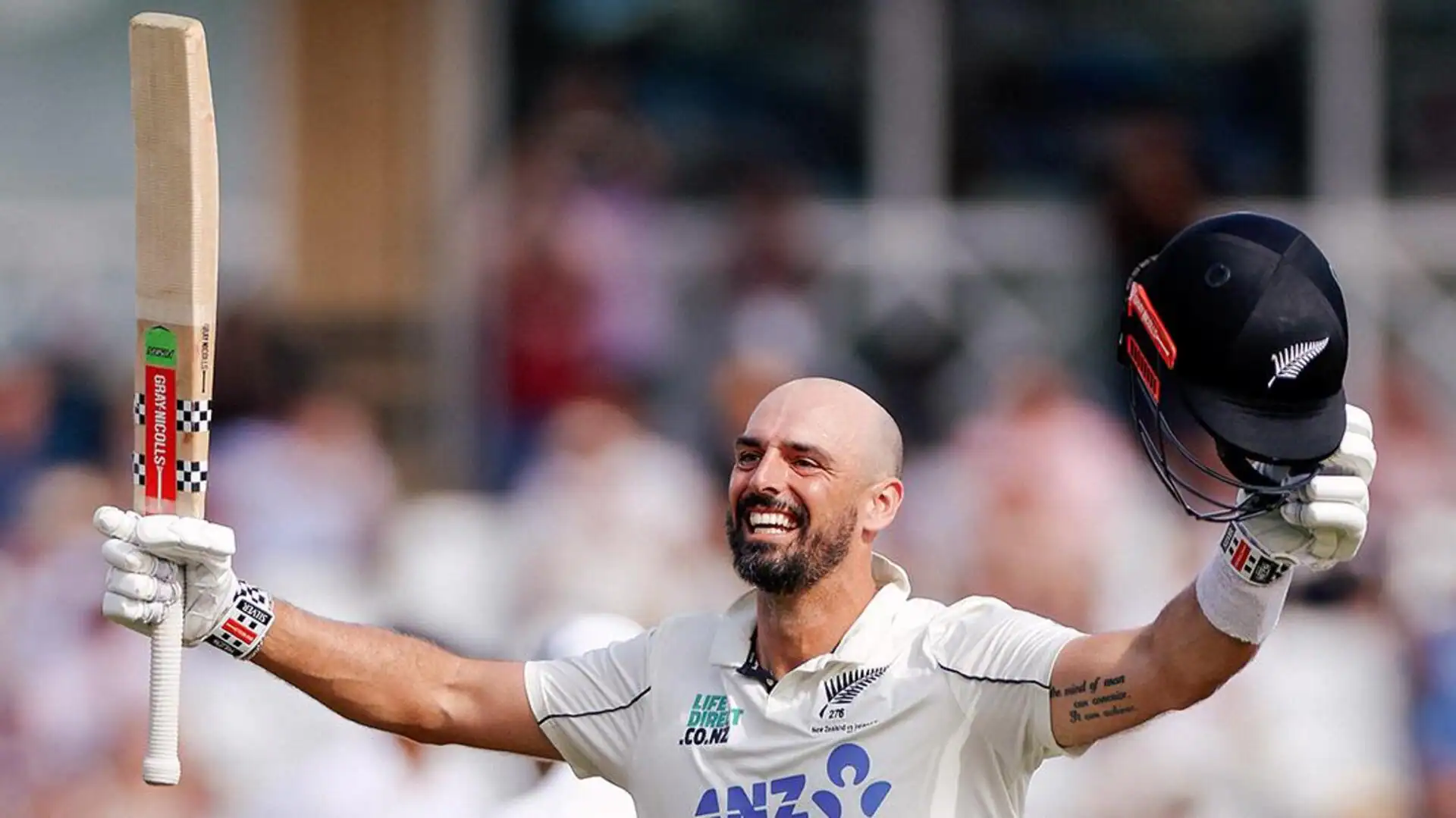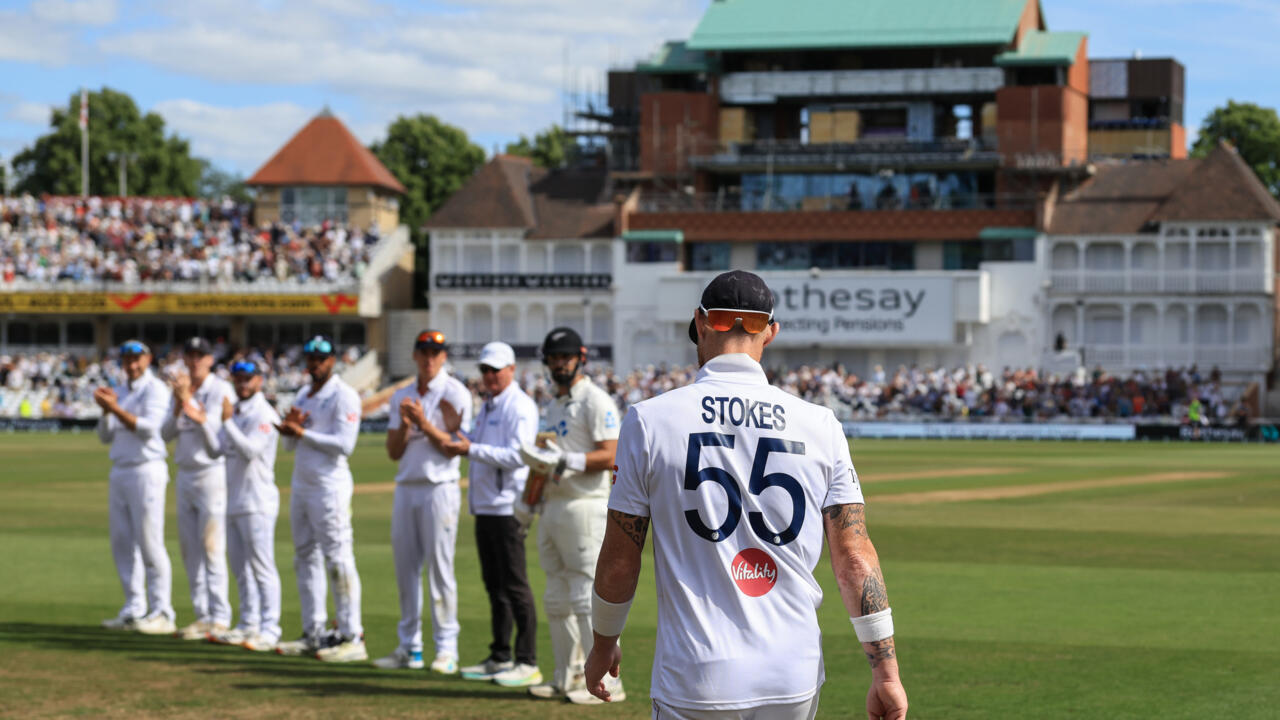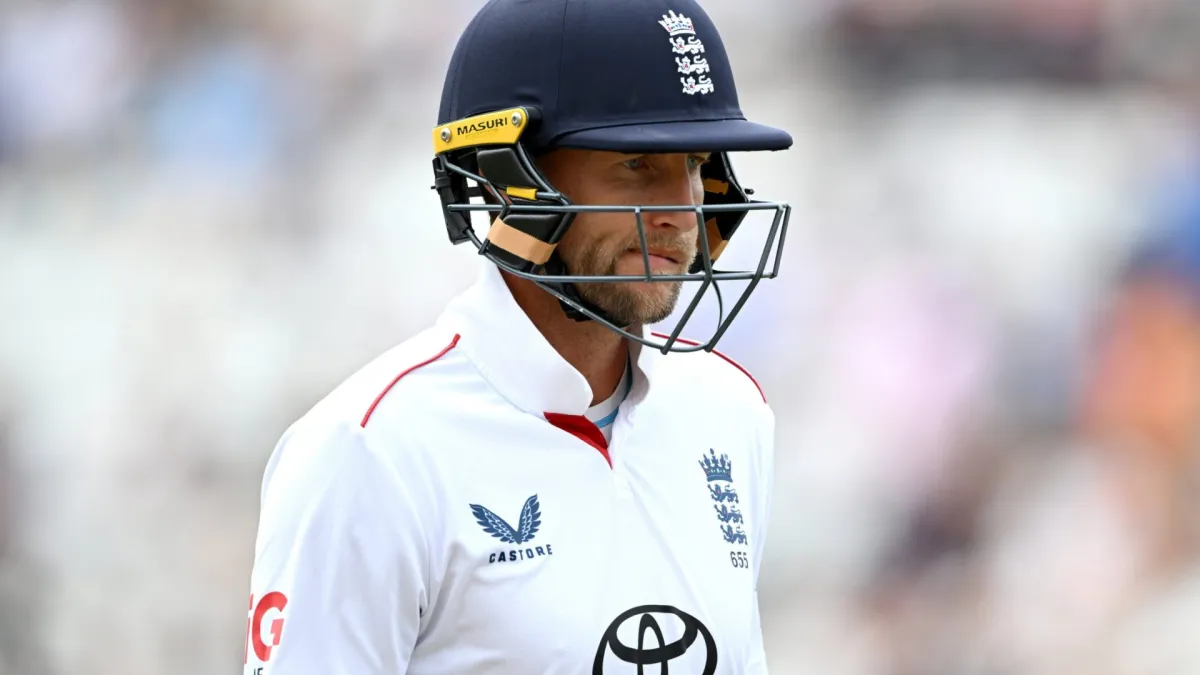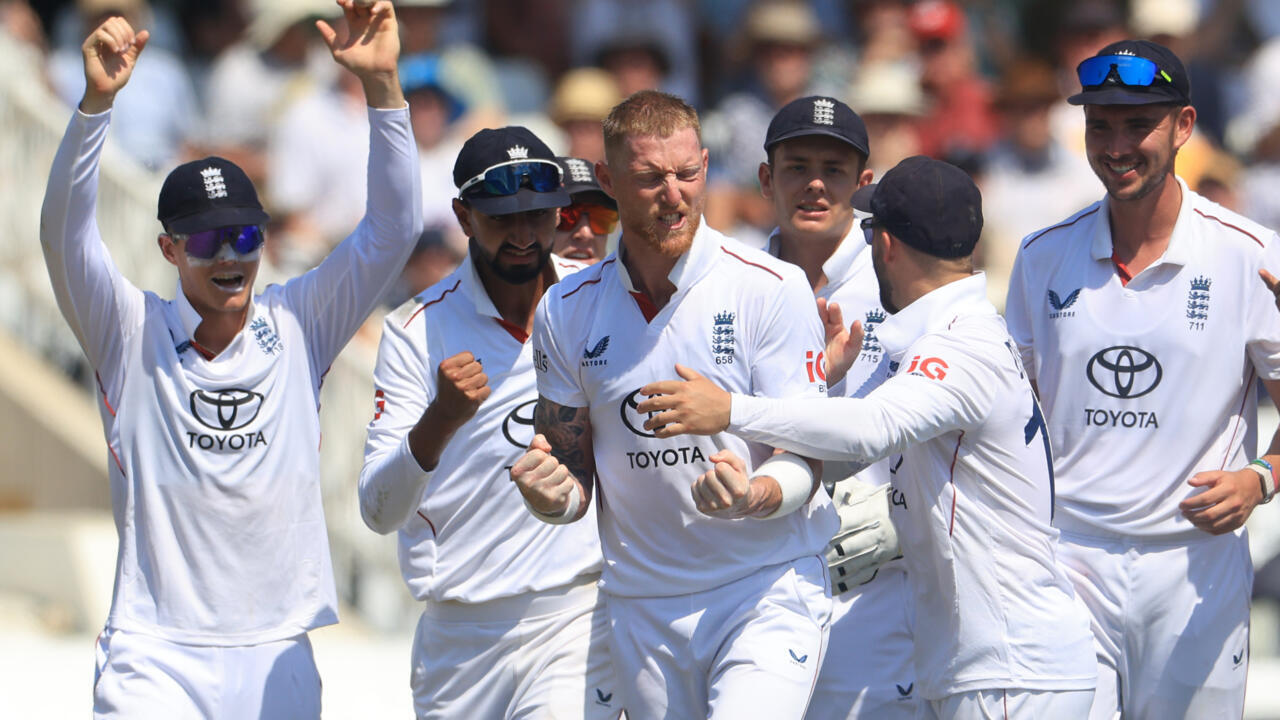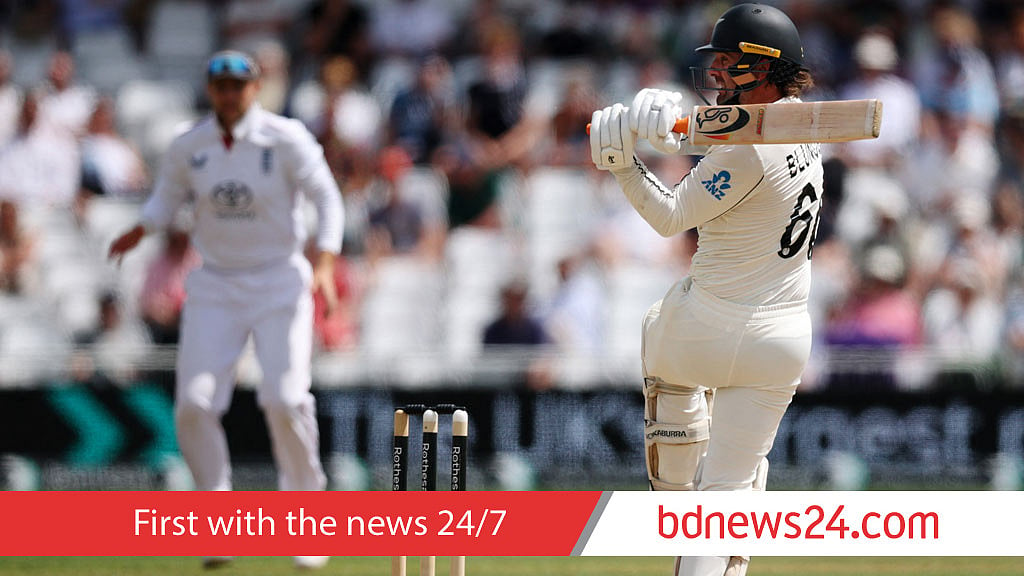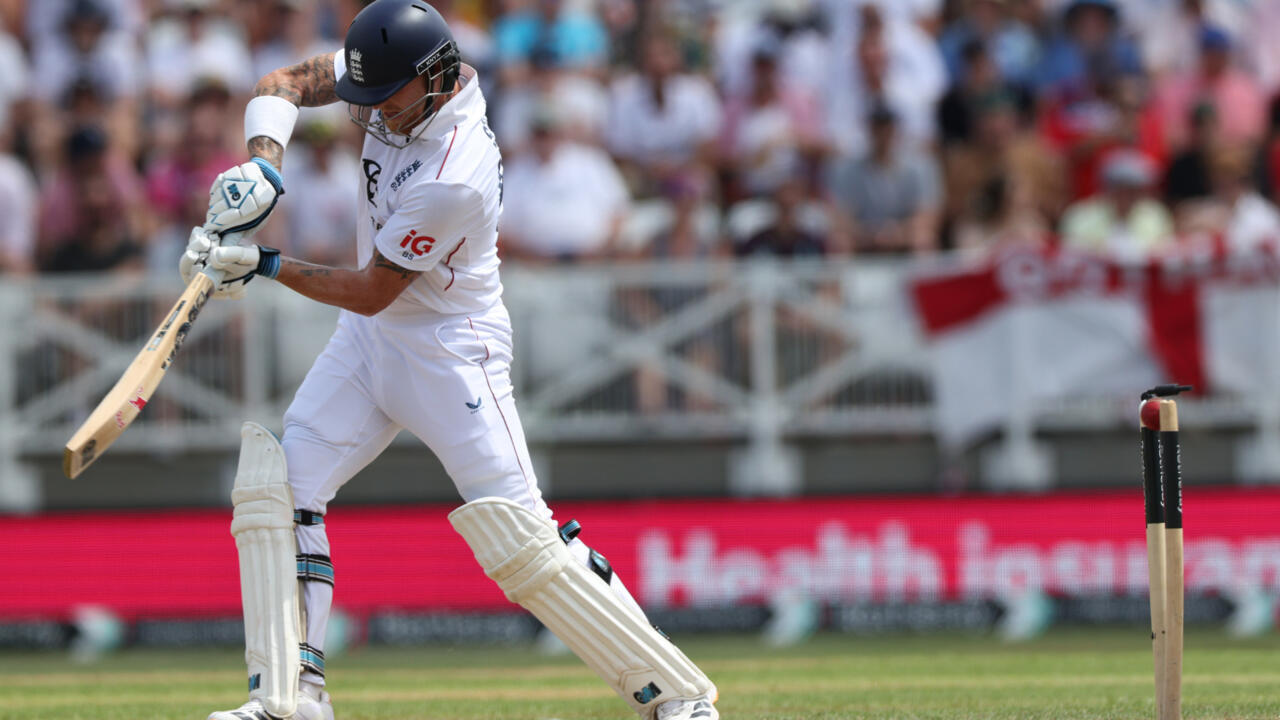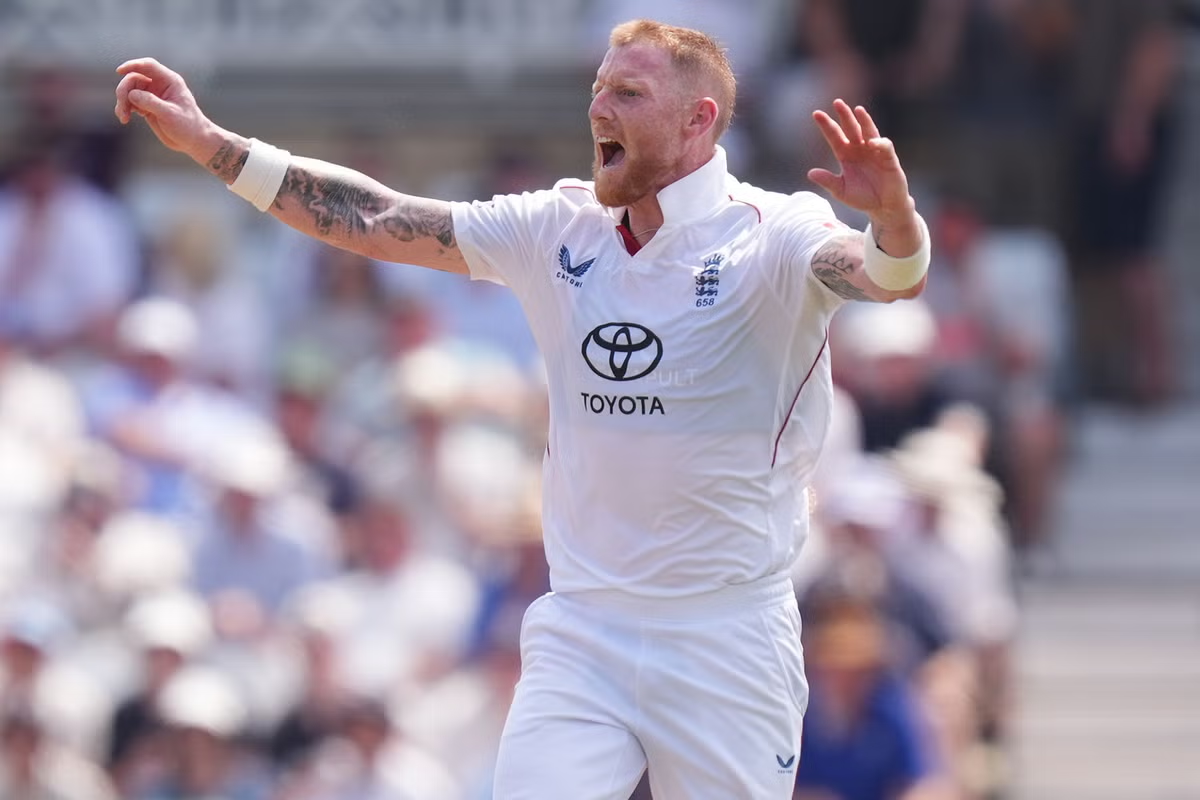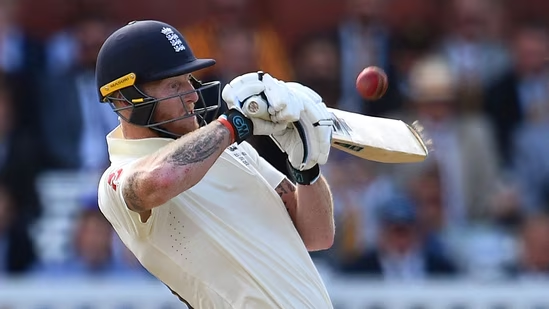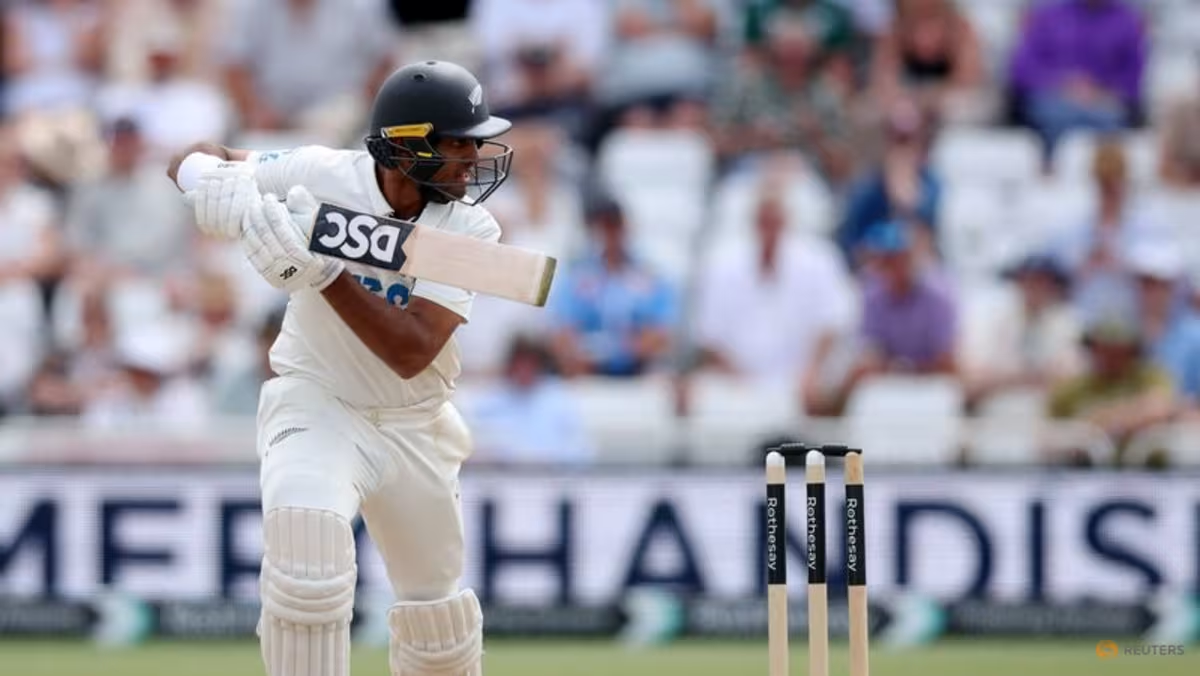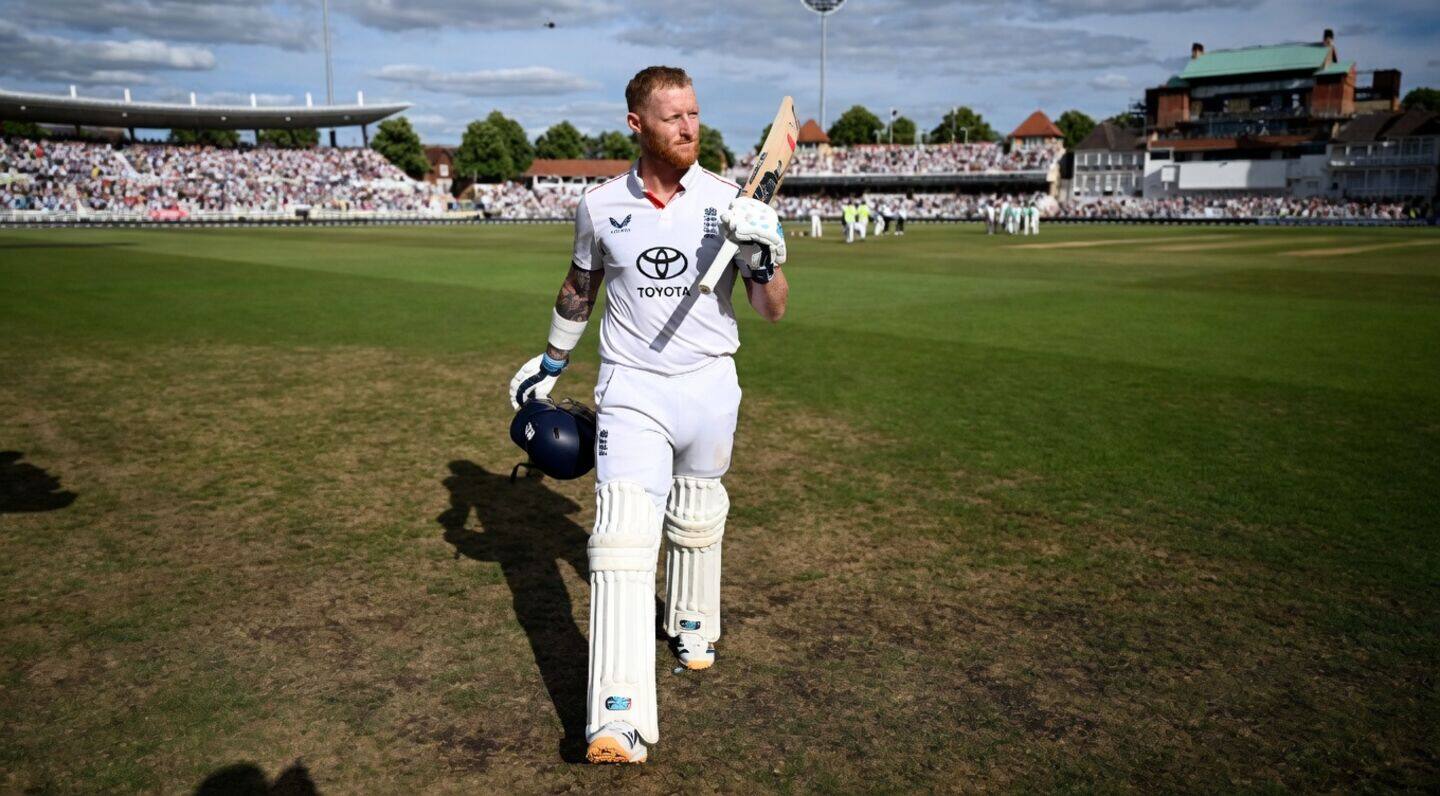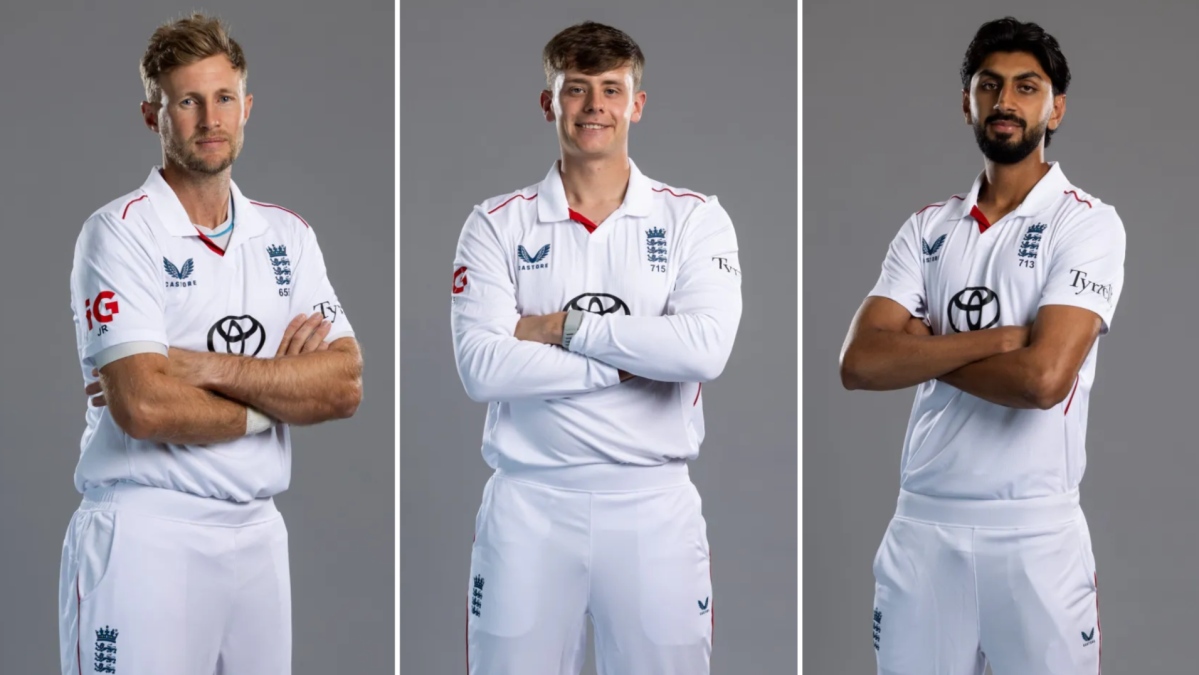
EnglandBen Stokes: 57 runs at 14.3; seven wickets at 21.9He retired when he was England’s best bowler, best captain and a century away from being worth his place as a batter alone. But, as he acknowledged himself, when the air goes out of the balloon it deflates very quickly – as anyone who has ever retired from any job will tell you.With typical generosity, he bowled only seven overs on the “unsatisfactory” pitch at Lord’s, but put his back into it at Trent Bridge, delivering jaffa after jaffa at a strong pace, the ball hitting the cracks hard and jagging up and down and side to side. He deserved more.So much of his captaincy (notwithstanding that strange, chaotic denouement thrashing about in Nottingham) has been about instilling belief, loving the work and inspiring the best in others. If his own belief is wavering, he no longer loves his work and cannot get the best out of himself, it’s probably time to go before the great character of English cricket these past 20 years turns into a caricature. Grade B-Ben Duckett: 246 runs at 41.0; two catchesBack home at Trent Bridge (and granted a life), he looked at ease as he played his natural game, pulling and slashing square and driving through the covers. He wasn’t quite back to his best, but it was enough to give him England’s only century of the series and, briefly, the hope of repeating the heist of 2022 on this ground. The fact he only failed to make a big score once in his six knocks in the series can find a place in both credit and debit columns: he didn’t expose Joe Root to the new ball, but he didn’t push on often enough either. Grade BEmilio Gay: 139 runs at 23.2; six catchesHis fielding, while not perfect, lifted the standard and that was very much required after the Ashes debacle. He looked the part at the crease, unflustered by the hullabaloo of Test cricket, and he possesses a lovely cover drive and plenty of scoring options. He has work to do to establish himself long-term. He should keep his place for the second half of the Test season, but he might need a score to hold it for South Africa in the winter. Grade B-Emilio Gay has a job on his hands to keep his place in the long term. Photograph: Glyn Kirk/AFP/Getty ImagesJacob Bethell: 103 runs at 17.2; four wickets at 23.3; five catchesIs anyone coaching him? In full flow, his conception and execution of attacking strokes is reminiscent of David Gower, but he does not get into that zone often enough. Undone by poor shot selection and, especially, a propensity to play outside his eyeline, he only once reached his happy place, in the Third Test, and it was at that point we witnessed what all the fuss was about. He has passed 40 only twice in his past 12 innings, which is unsustainable for a No 3. England persisted with Zak Crawley, who had similar strengths and faults – the question is whether they were right or wrong to do so. Bethell did chip in with handy wickets without ever suggesting he could be more than a partnership breaker with ball in hand and he caught better than most. Grade CJoe Root: 171 runs at 28.5; one wicket at 44.0; two catchesHey Joe, where you going with the bat in your hand? “To play for England,” has been the answer for 14 years but, after two poor matches with the bat and a shocker as captain in between (albeit with significant mitigation), he might be looking for new replies sooner than we previously thought. Root can expect his front pad to be ruthlessly targeted by seamers, with the keeper pinning him to his crease, until he solves the lbw problem. A few long sessions on the bowling machine beckon. Grade CIt was not a series to remember for Joe Root. Photograph: Glyn Kirk/AFP/Getty ImagesHarry Brook: 217 runs at 36.2; no wicket; six catchesThe tide is turning. Even the staunchest defenders of Brook’s wildly attacking approach accept he has to find a balance between putting the pressure back on the opposition and loading it on to his own teammates. That he leaves too many runs on the field is indisputable; whether he will continue to leave matches, series, perhaps even a career on the field, is now a matter for debate. Grade B-Jamie Smith: 101 runs at 25.3; seven catchesHe seems to have developed the knack of unshowy, slightly awkward competence behind the stumps, punctuated by relatively rare but high-profile errors. But, as when Springfield decided on their monorail, there’s no turning the cheerleading lobby for Ben Foakes’s return that will now grow under a new captain. He eventually found some form with the bat, but the cause had already been lost when he ran out Joe Root, though the victim bore some contributory negligence in that. In retrospect, it might have been wiser asking him to sit out the series, take his paternity leave and rediscover his early season form with Surrey, where he would have been keeping wicket. Grade C-James Rew: 39 runs at 19.5; three catchesGraham Gooch debuted with a pair – things don’t always go to plan the first time. That said, the man long trailed as a Test keeper looked naive and nervous throughout his debut, a little frenetic with the bat and too grabby with the gloves. He will come back better – probably. Grade C-James Rew drops Rachin Ravindra at the Oval. Photograph: Tom Jenkins/The GuardianJordan Cox: 52 runs at 26.0; one catchAfter so many false starts, he got one and was then told to bat one above Archer in a team that might be described as experimental. He showed that bit of extra time at the crease, which speaks to the class he will need when he returns to the fold – as he surely will. Grade B-Gus Atkinson: 60 runs at 15; 10 wickets at 16.8He lacks the box office appeal of an out-and-out speedster and gives little away, so ends up being underrated. He is a very fine bowler: disciplined in his lines and lengths, tight into the batter from the first ball. If there’s something in the wicket – as there was at Lord’s – he finds it. If only he had said: “It’s 11pm, Ben. You know what these rugby players are like. There’s an Uber on the way. Let’s go, eh?” Grade B+Ollie Robinson: 30 runs at 15.0; seven wickets at 11.0When he was on the field, he was pure class, but he wasn’t there long enough. He made an explosive return at Lord’s, with three wickets in his first over, the product of knowing exactly where and how to land the ball, and having the control to do it. He would play as many Tests as he likes were substitutes allowed at the coach’s discretion. They’re not – and he won’t. Grade A-Jofra Archer: 25 runs at 6.25; 11 wickets at 22.8The fact that he keeps hitting batters shows just how hard he is to play against, the line tricky to escape, the length tricky to pick up, and the action giving no time for a batter to get a read for their trigger movements. He worked very hard for his captain, especially when asked to go to a bouncer attack but, as is the case for a man who can bowl at 90mph, criticism will come his way because he isn’t up there for every ball. With better support in the field – and if he had played at Lord’s – those figures would be considerably more impressive. Grade A-Jofra Archer worked hard and deserved better in the series. Photograph: MI News/NurPhoto/ShutterstockMatthew Fisher: 50 runs at 50.0; five wickets at 24.0 He took his wickets on his home ground and even chipped in with some runs, but no one was clamouring for his retention at Trent Bridge, which probably tells its own story. Grade B+Josh Tongue: 20 runs at 4.0; eight wickets at 49.9; one catchThat release point (at 11 o’clock) allows him, like Stokes, to arrow the ball into the batter and then jump it away off the pitch. But, in this series, the wickets that have always justified the runs conceded due to his propensity to bowl both sides of the wicket and too short did not come. The cons far outweighed the pros. Figures of 3 for 161 (The Oval) and 0 for 150 (Trent Bridge) will lose far more Test matches than they draw or win. Before the series, he had plenty of bowling in the County Championship, so he should not have been undercooked and, to be fair, wasn’t. Perhaps the edges will go his way against Pakistan later this summer. Grade CSonny Baker: four runs at 4.0; three wickets at 53.7An engaging debutant who looks and plays like a 17-year-old who has been promoted to the Saturday firsts after a few good showings in friendlies. The 10,000 hours hypothesis for elite sport is no longer in vogue, but he looks as if he’s barely had 100 hours and needs 9,900 more. Grade DShoaib Bashir: 14 runs at 14.0; three wickets at 49.0; one catchHe can still get good batters out when set, which is a valuable asset, but the cost is excessive; his economy rate of pushing four an over across 21 Tests remains stubbornly high. His bounce is his best asset and it’s that lift that discomforts the best. He was very much a Stokes pick and, with Australian pitches no longer in mind, his future under a new captain looks far from certain. Grade C-Ben Stokes says goodbye. Photograph: Gareth Copley/Getty ImagesNew ZealandTom Latham: 189 runs at 31.5; three catchesHe won the toss in the decider, made the call right to bat and helped put on 319 for the first wicket. He didn’t do a lot more on the field, but he worked very effectively off it to deal with the shock retirement of his predecessor, the chaos engulfing the England team and numerous injuries to key players. Not every good leader demands the limelight – as Latham showed as he dragged his team from 1-0 down to win the series. Grade A-Devon Conway: 224 runs at 37.3If you’re going to play one innings of substance in a series, deliver it when you are opening in the first innings of the deciding Test. Five years after his remarkable debut 200 at Lord’s, he is very much a known quantity, and his experience added weight to a well-balanced batting unit that was so much more serious than England’s. Grade BKane Williamson: 18 runs at 9.0; two catchesWilliamson, the icon of New Zealand cricket in his generation, backed into retirement after two failures on a pitch unworthy of his talent. He has been an exemplar of how to get the most out of yourself and your team with supreme grace and style. Grade C-Henry Nicholls: 197 runs at 49.3No Kane? No problem. With New Zealand 1-0 down in the series, he was invited to step into the No 3 slot, replacing his country’s best batter after a double collapse at Lord’s in which only one of his top-six colleagues reached double figures. He answered the call with a second-innings 121 that took the game away from England completely. He also ran out Root in extraordinary fashion on the last day to extinguish any hopes England fans may have harboured of a shock win. Grade A-Henry Nicholls avoids a bouncer from Josh Tongue at The Oval. Photograph: Glyn Kirk/AFP/Getty ImagesRachin Ravindra: 218 runs at 36.3; no wicket; one catchThe future of New Zealand batting was almost comically inept in the field throughout the series and not much better with the bat at times, but he improved steadily and showed his class in a brilliant 96 in the second innings of the Third Test. Grade B+Daryl Mitchell: 235 runs at 47.0; nine catchesAnother player who improved over the series, eventually finding a technique that worked on pitches more spicy than he had seen previously in England. At Trent Bridge, he arrived at the crease to see his team three down with a lead of 135, the match very much in the balance. He was hit continually and painfully but always got in right behind the next ball. He left undefeated on 100 with the lead 372, job most definitely done. England’s heads had gone and the series soon followed. Grade ATom Blundell: 123 runs at 20.5; nine catchesThe tactic (and skilful execution) of standing up to bowling regardless of its pace discombobulated England’s best again – had they not worked on this since Alex Carey did the same thing in Australia? Blundell did not score the same volume of runs as the last time he was in England and his keeping was not immaculate, but the threat of what he might do paralysed England. Grade A-Tom Blundell plays a shot just past the hand of England fielder Jacob Bethell at Trent Bridge. Photograph: Darren Staples/AFP/Getty ImagesGlenn Phillips: 181 runs at 60.3; two catchesWhen an elite athlete is called a “wholehearted trier” it is usually a backhanded compliment, but the Kiwis’ wholehearted trier was very good indeed in his two Tests. He worked out a way to score runs on the Lord’s minefield and did the same on a very different strip at The Oval. Such was his excellence with the bat that he did not need to bowl. Grade AMitchell Santner: four runs at 2.0; two wickets at 56.5; one catchThe near veteran all-rounder looked very rusty when he answered the call for the Third Test. With nearly 300 international appearances under his belt, he found enough to ensure he could pull his weight in a threadbare attack. Grade B-Nathan Smith: 68 runs at 11.3; 16 wickets at 23.0; three catchesA revelation. He is much quicker than the bits-and-pieces player some of us expected and he had the nous required to hit the right spot ball after ball. Add those qualities to a technically perfect presentation of the seam to surfaces that sometimes grabbed and sometimes skidded, and the fitness to run all day, and he was the standout player for his team in the series. Grade AKyle Jamieson: 91 runs at 30.3; 10 wickets at 24.2; two catchesLike Phillips, he worked out a way to make runs, albeit slogging, which was a bit disappointing for those of us who once thought he had the talent to become the next Jacob Oram. He might have been protecting his back a little on his return to Test cricket, but he still hit the deck hard and caused batters real problems. Grade A-Kyle Jamieson batting at The Oval. Photograph: Glyn Kirk/AFP/Getty ImagesMatt Henry: six runs at 1.5; 12 wickets at 13.3; one catchHe was somewhat hors de combat at Lord’s after a back spasm, but still showed the nous and class that county cricket followers have come to expect at the Oval, where he was too good for England’s callow team. He bowls as if he has the whole spell in his mind – like a grandmaster building a position on a chess board. He is a craftsman and a rebuke to anyone who says bowlers cannot take Test wickets at 80-84mph. Grade A-Zak Foulkes: six runs at 6.0; six wickets at 14.5It takes a certain kind of self-belief to be ready when the call comes, especially as a concussion substitute in a Test match. Foulkes stepped in for the stricken Blair Tickner in the third Test and, despite a quirky action, hit his lines and lengths. He picked up Stokes and Brook twice each – as well as Jacob Bethell, who still looked a bit concussed by the impact of his captain’s retirement. Grade A-Will O’Rourke: 20 runs at 5.0; 10 wickets at 25.6Despite owning the features of one of Alastair Cook’s teenage choirboy contemporaries, he seldom cracks a smile, presumably playing up to the archetype of the mean fast bowler. He needn’t bother with the anti-histrionics though as his height and pace will trouble batters around the world for years to come – if he plays enough Test cricket. Grade B+Blair Tickner: four runs at no average; no wicketHe showed bravery when he tried to continue after a concussive blow, but was wisely withdrawn, especially given the heat. Grade N/ABen Sears: 19 runs at 19.0; one wicket at 85.0He got the first-innings centurion, Duckett, with a brute of a lifter just when he was threatening to vindicate England’s fourth-evening, fourth-innings mayhem. And he showed excellent fight when he returned to the crease with a bad finger to get Mitchell through to his century. Grade CThis article is from The 99.94 Cricket Blog
England 1-2 New Zealand: player ratings for the three-Test series
Daryl Mitchell, Glenn Phillips and Nathan Smith stood out for the visitors as they came from behind to win the series
2,800 words~13 min read