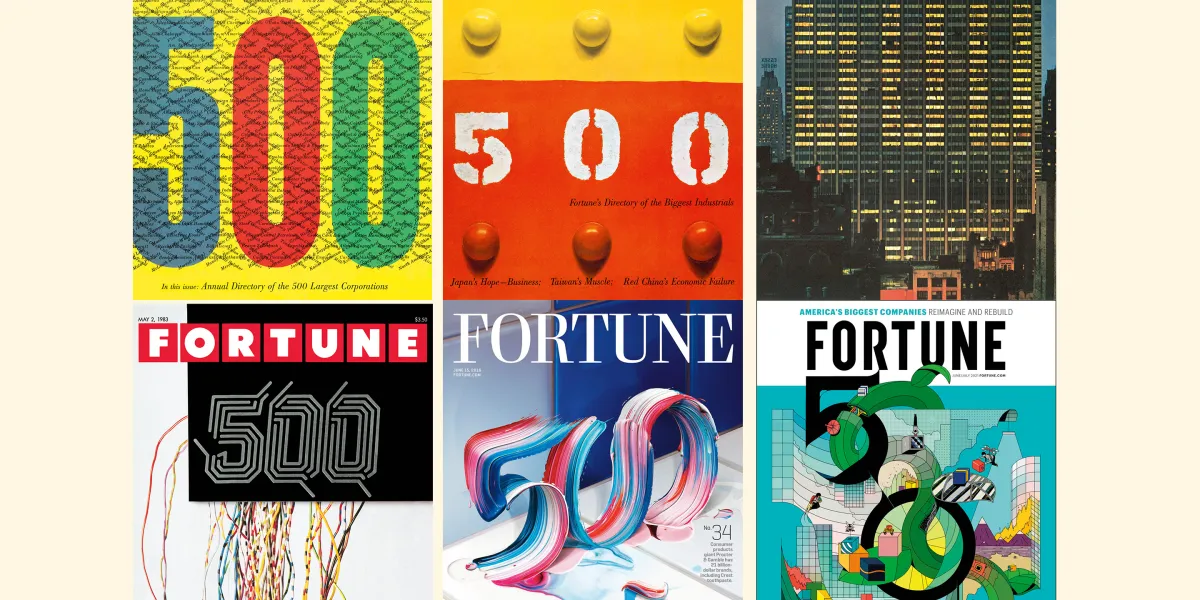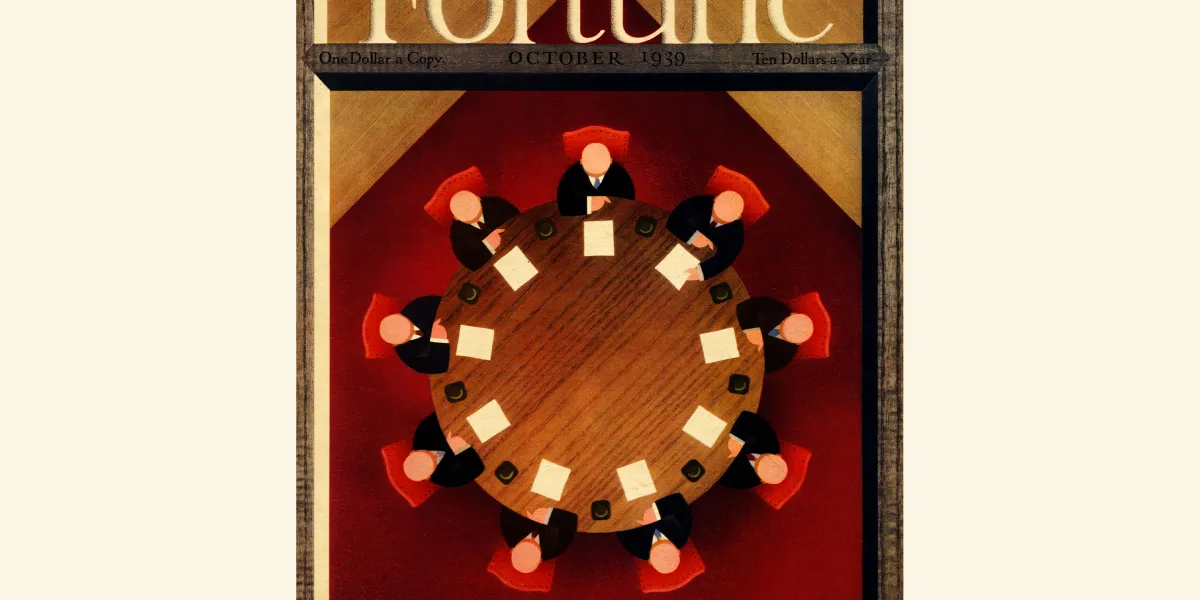
Henry Luce, who founded Fortune in 1929 and its sister publication Life seven years later, used the pages of the latter in February 1941 to issue one of the most consequential editorial arguments in American journalism. He called it “The American Century.”
The promise of a “more abundant life,” Luce wrote, of “adequate production for all mankind,” is characteristically an American promise. The United States, he wrote, had both the power and the obligation to shape the coming era in its image—to export its prosperity, its institutions, and its economic model to a world that would be better for receiving them.
The pyramid he was implicitly describing—with American wealth at its apex, American workers as the global benchmark for middle-class life, and the developing world arrayed at the base, slowly, unevenly ascending—held its shape longer than almost anyone predicted. Being poor in America meant, by global standards, something closer to middling. A widely cited statistic by economists at Columbia and the Federal Reserve Bank of New York found that as recently as 2009, the poorest Americans sat near the 70th percentile of global income distribution, meaning a family below the U.S. poverty line was, by the world’s reckoning, solidly average. The American floor was that high.