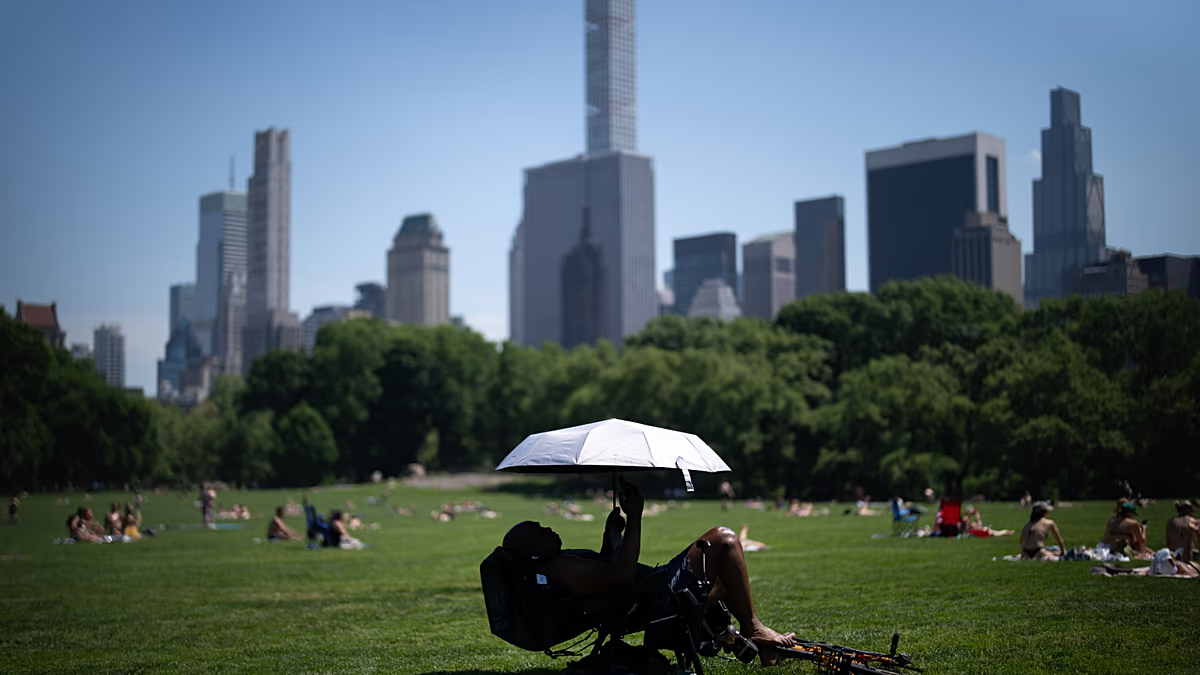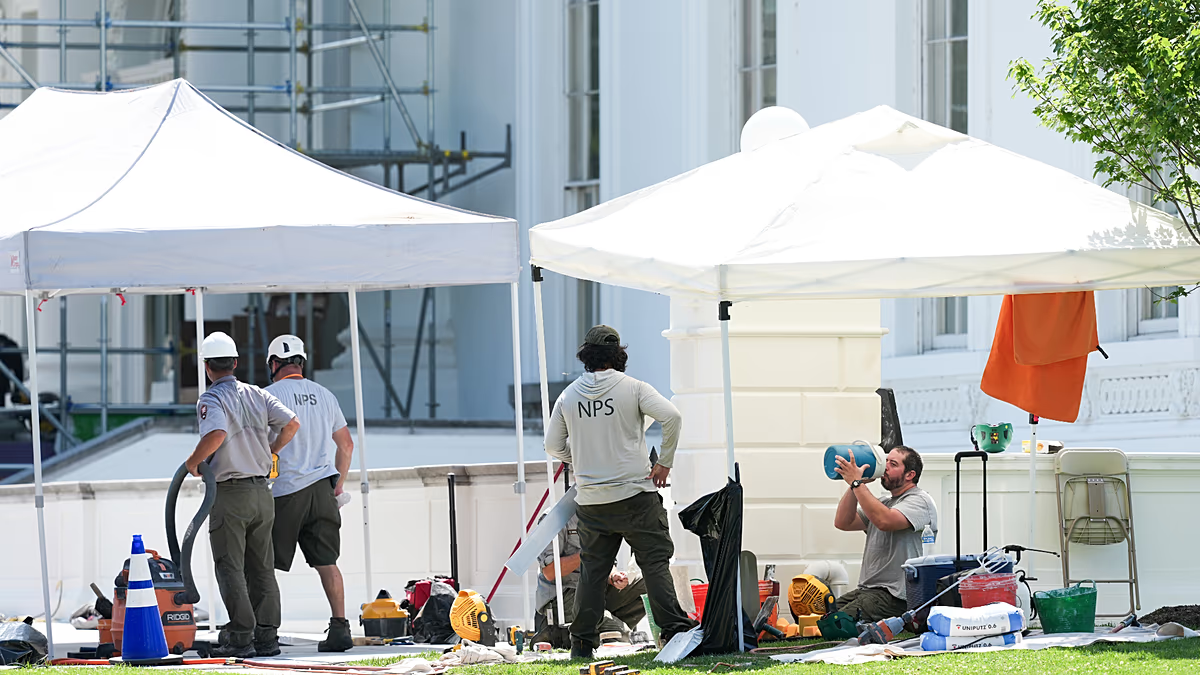
A summer World Cup in the United States was always likely to face extreme heat, but temperatures during this week's knockout matches could create hazardous conditions for both players and fans.
A powerful heat dome is expected to blanket much of the central and eastern United States, driving heat index values, which combine air temperature and humidity, into the triple digits in some areas. Several World Cup host cities, including Boston, Philadelphia and Kansas City, Missouri, all home to open-air stadiums, are forecast to experience well above-average temperatures.
"This week is going to be very, very hot," said Geoff Cornish, assistant chief video meteorologist at AccuWeather. "This is going to be a significant heat wave, the likes of which we don't see every single year."
Fears over extreme heat at the tournament, being staged across the United States, Canada and Mexico, have been building for months. Scientists say human-caused climate change, driven largely by the burning of fossil fuels such as oil, gas and coal, is making heat waves more frequent and intense. In the United States, extreme heat claims more lives each year than any other weather-related hazard, including hurricanes, floods and tornadoes, according to the National Oceanic and Atmospheric Administration.