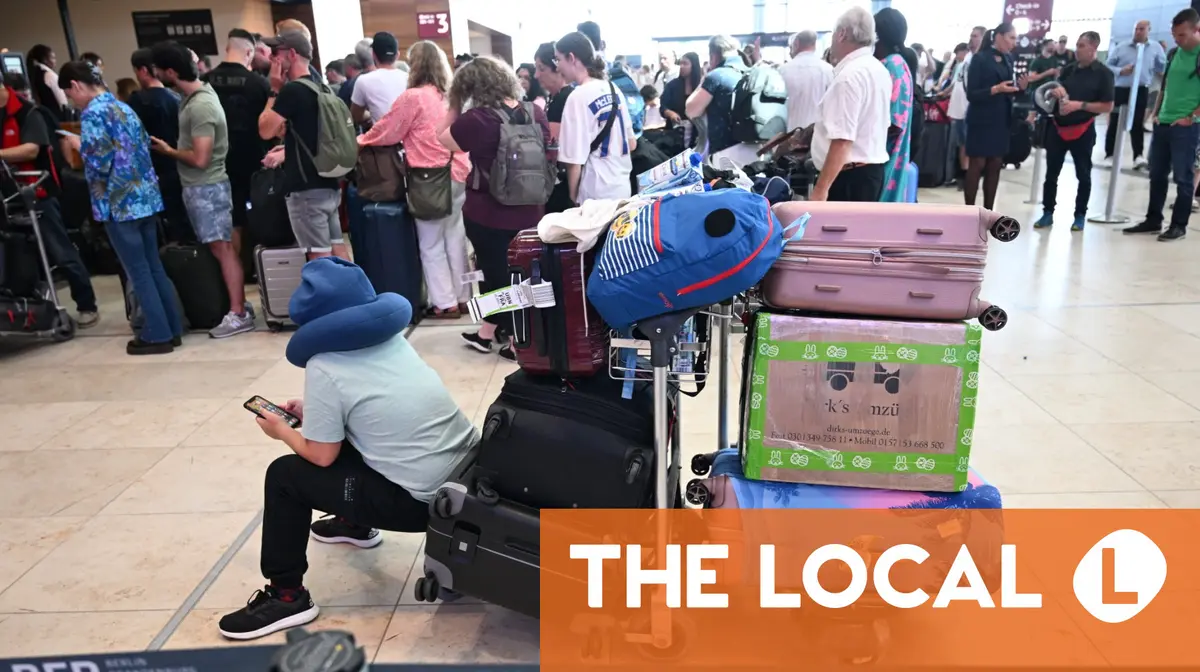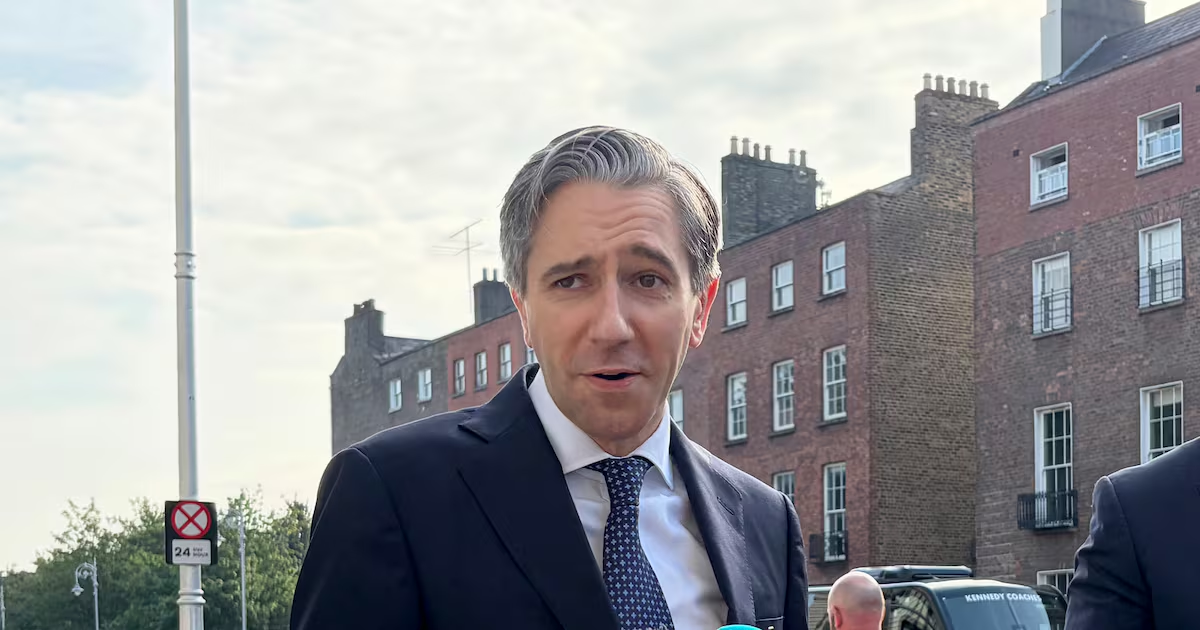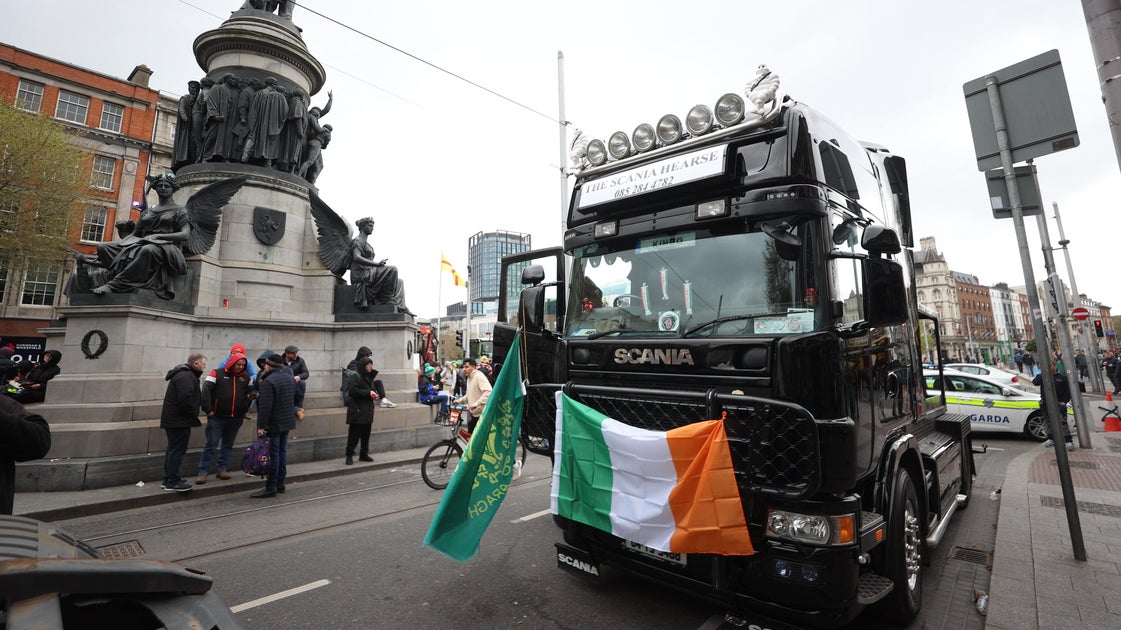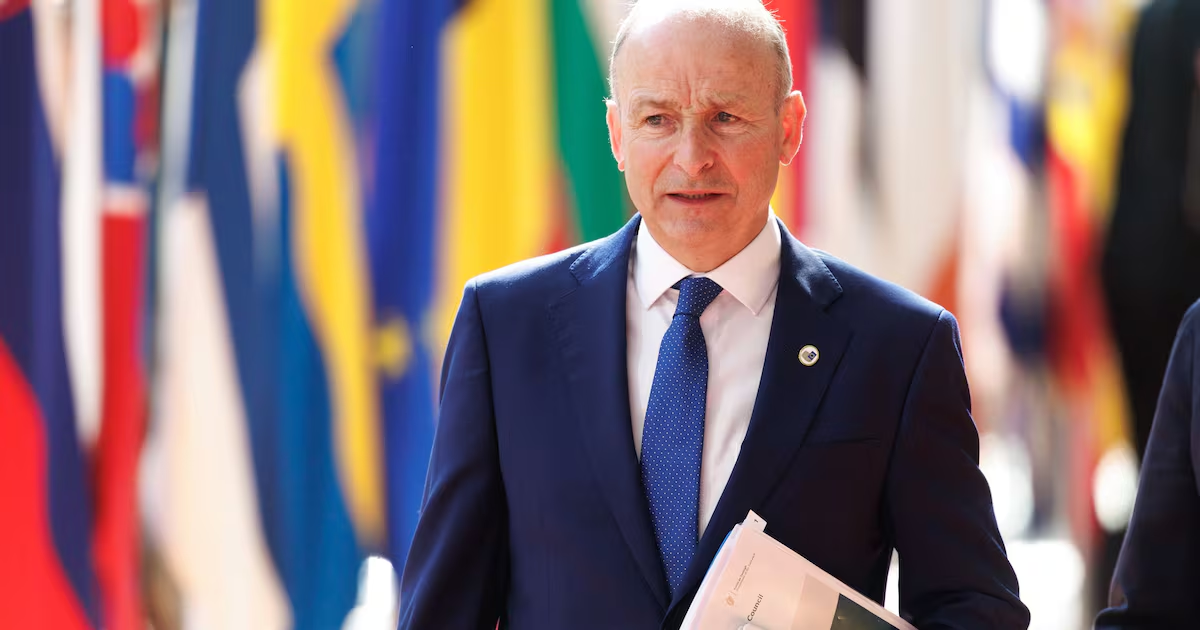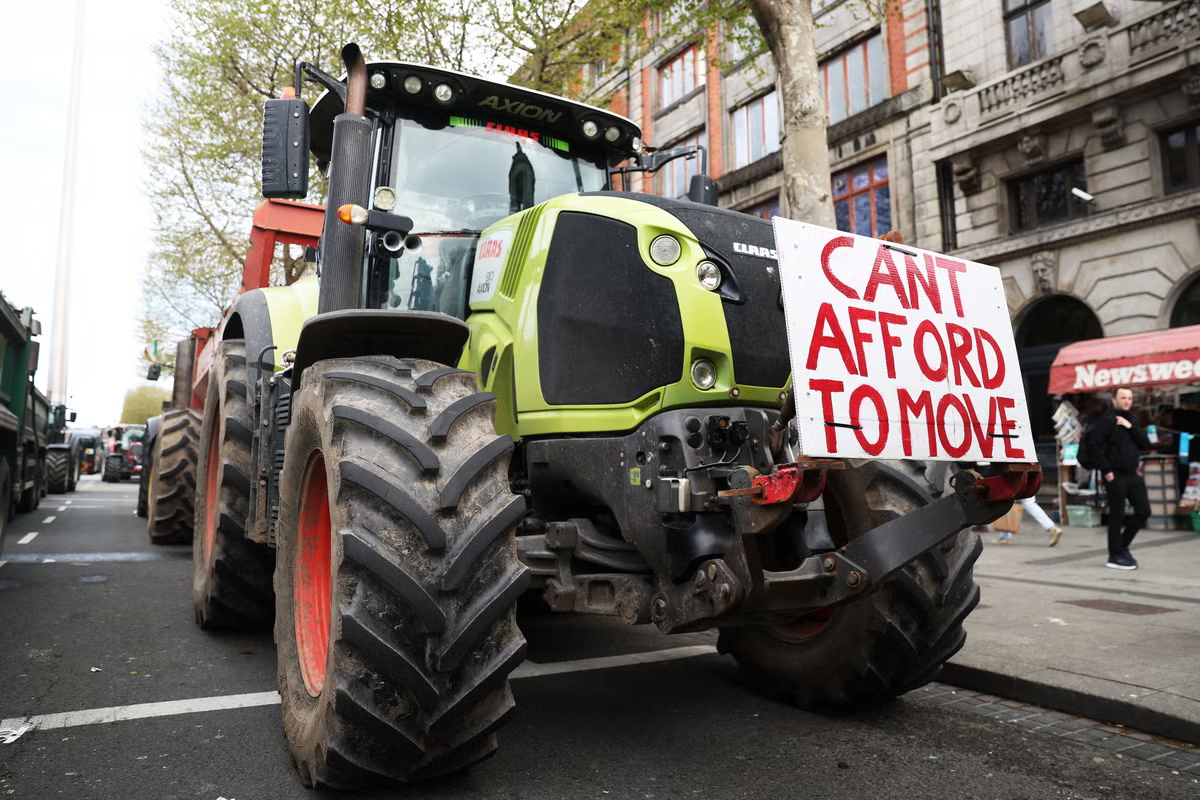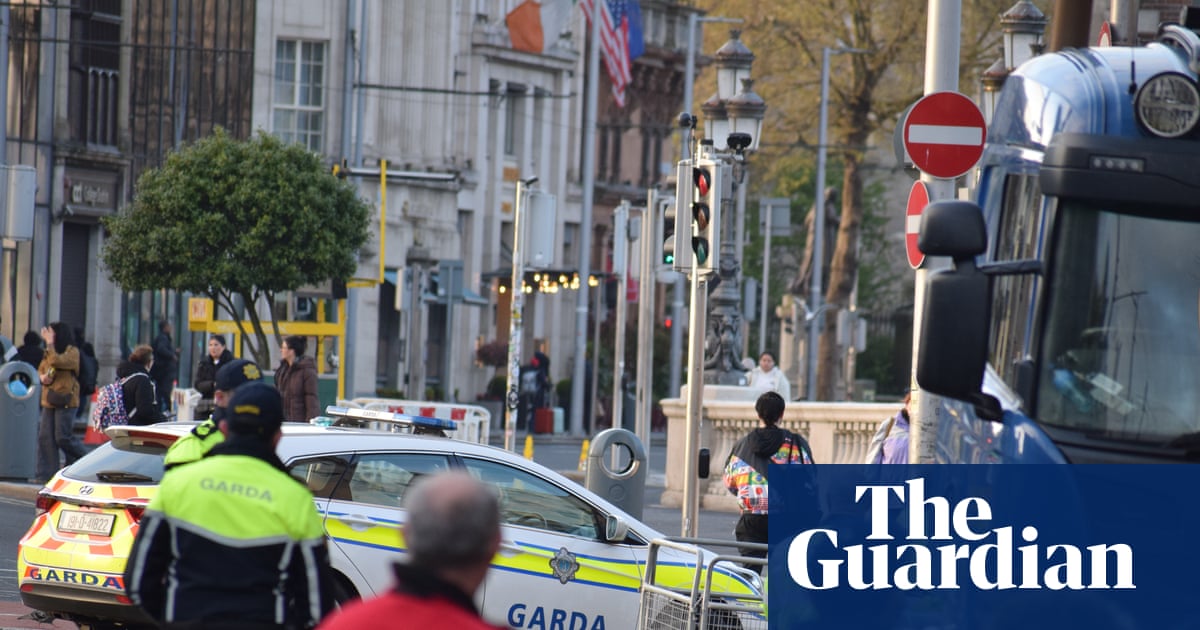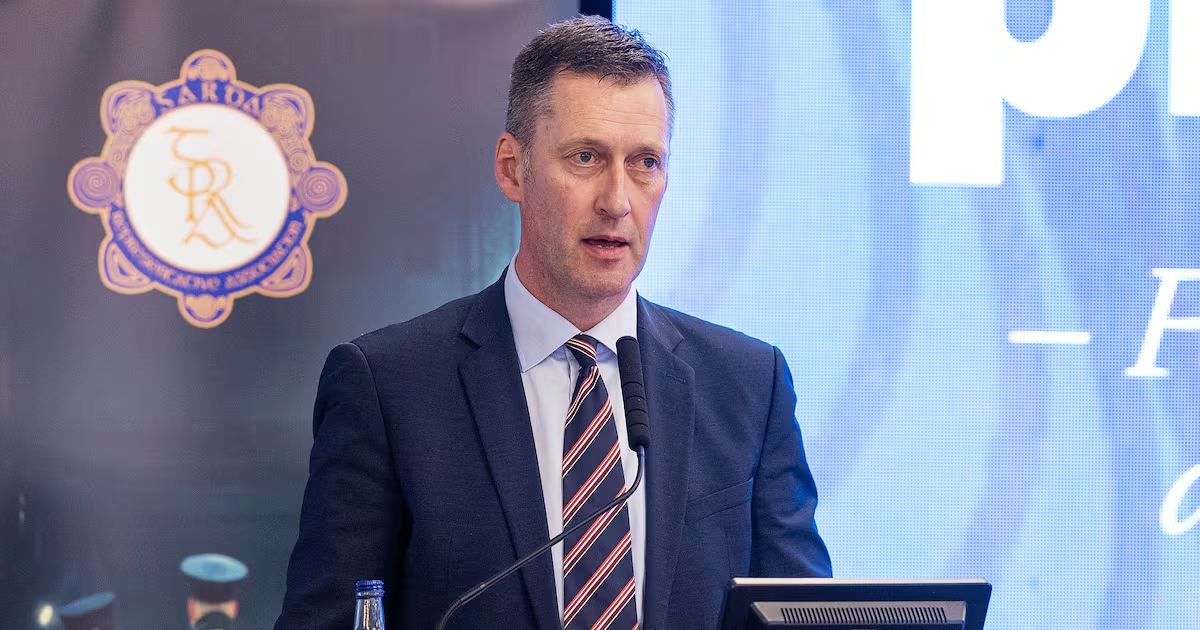
Any protest groups that attempt to block roads, fuel depots, ports, airports or any other critical infrastructure during the EU presidency will be dealt with rapidly and “very robustly”, Garda Commissioner Justin Kelly has warned. Kelly said peaceful protests would be facilitated over the next six months, but added there would be no repeat of scenes witnessed during the fuel protests earlier this year. Any such protest will be cleared and arrests will be made, he said.Lessons have been learned from those events, according to Kelly, who has issued a direction to chief superintendents informing them that “under no circumstances will control be ceded in respect of critical infrastructure”.Some €125 million has been provided for the policing operation by the Government, with anti-drone technology purchased, along with equipment that would enable gardaí to go into the site of any terrorist attack or similar incident.“We’ll take robust enforcement action should individuals or groups seek to disrupt any EU presidency events,” Kelly said, adding that the policing operation for Ireland’s presidency will be the biggest in the history of the State.The threat level to the Republic is classified as “moderate” and has not been raised for the six-month EU presidency period, Kelly told The Irish Times. However, heads of state from across the EU will be visiting the country, with up to 50 VIPs – all of whom carry their own security rating – present at some events in Ireland.The threat level, Kelly said, is not “low”, nor is it “critical”, but is in the midrange of those two points.However, he said it would be highly unusual if An Garda Síochána is not called up to deal with some form of serious incident over the next six months, as that has been the norm for other countries holding the EU presidency.[ Measures ‘in place’ to ensure Irish safety during EU presidency, says Minister for DefenceOpens in new window ]Some members of foreign police forces are already in Ireland and will remain during the next six months lending particular expertise, such as anti-drone experience. However, foreign police officers will not be discernible to the public and will not form part of frontline policing on the streets.The Garda has also ramped up its preparedness for a policing surge over the next six months as it readies itself to respond to any major terrorist, public order or rogue state actor activity.The force has acquired 78 new Garda cars, along with 75 new motorcycles. The Garda has also invested in a bulletproof and blast-proof vehicle, known as an “armoured tactical truck”, at a cost of €500,000.The vehicle is akin to a military vehicle and was made by German manufacturer Stoof. It has been supplied to the Garda’s Special Tactics and Operations Command, which includes the Emergency Response Unit (ERU) and Armed Support Unit (ASU).They have both been fitted with firing slits, which would allow ERU and ASU members to open fire on targets from inside a vehicle even during an extreme security event while being targeted by armed attackers or those with grenades and other explosive devices.
Blockades of key infrastructure will not be tolerated during EU presidency, Garda says
Garda Commissioner Justin Kelly says there will be no repeat of fuel protests earlier this year
511 words~2 min read