The Gray Foundation Announces $35 Million in New Funding for BRCA-Related Cancer Research
Grants to 16 Research Teams Bring the Foundation’s Total BRCA Giving to $235 Million
The Gray Foundation today announced $35 million in funding over 3 years for 16 research teams to study new approaches for prevention, early detection, and interception of BRCA-related cancers, bringing the total BRCA giving by Mindy and Jon Gray to over $235 million.
The new grants are part of the Foundation’s ongoing Team Science program, which funds innovative BRCA-related collaborative research. The Foundation has now given over $100 million to support this program. For this cycle, the research teams were selected from more than 85 applications through an extensive evaluation led by Chi Van Dang, MD, PhD, Chief Science Advisor for the Gray Foundation, supported by a review committee composed of leading experts in the field.
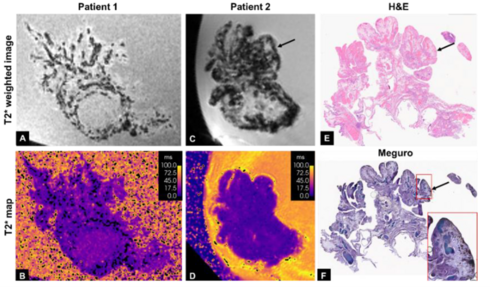
The selected multi-disciplinary teams will commence studies into a variety of topics related to prevention, early detection, and interception. This year, the Foundation will support projects applying the newest advances in technology and AI to the biggest questions in the BRCA-associated cancer field. Some highlights include applying AI to MRI imaging and blood sample data to detect the earliest warning signs of cancer. Research teams are also using computational methods to predict the development of pre-cancerous cells and the microenvironment that surrounds them. Additionally, the Foundation selected teams of researchers to use machine learning and complementarity techniques to analyze data deposited in the Gray BRCA Pre-Cancer Atlas (the Atlas). The Atlas is a multi-institutional Gray Foundation initiative to generate a unified resource capturing the molecular, genetic, and physiological changes occurring at the earliest signs of BRCA-associated cancer. By giving access to additional experts, the data already deposited by existing research teams will be utilized in new ways to accelerate biomarker identification and generate new hypotheses for cancer interception.