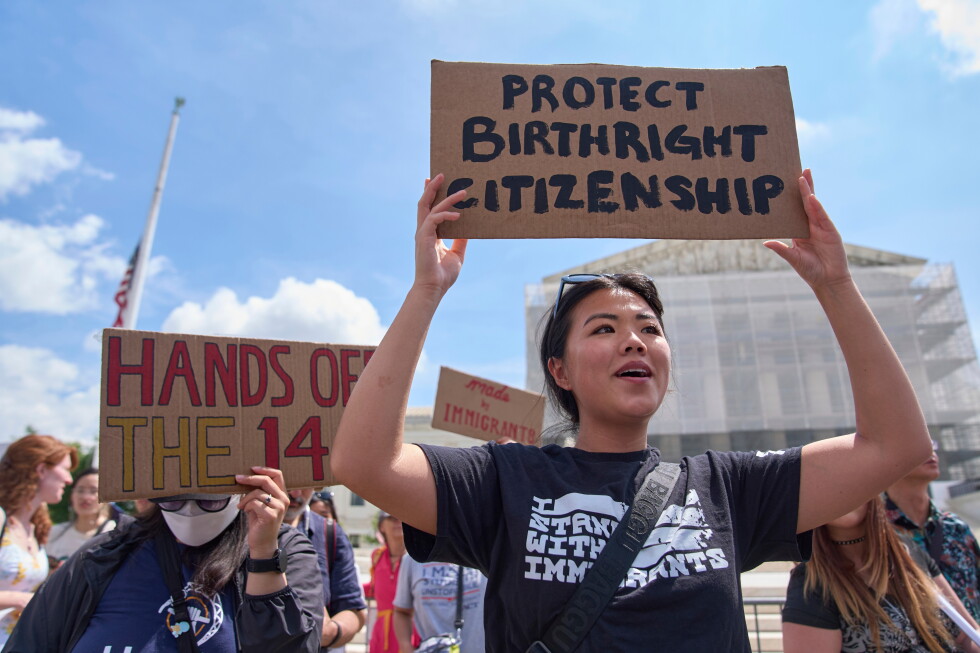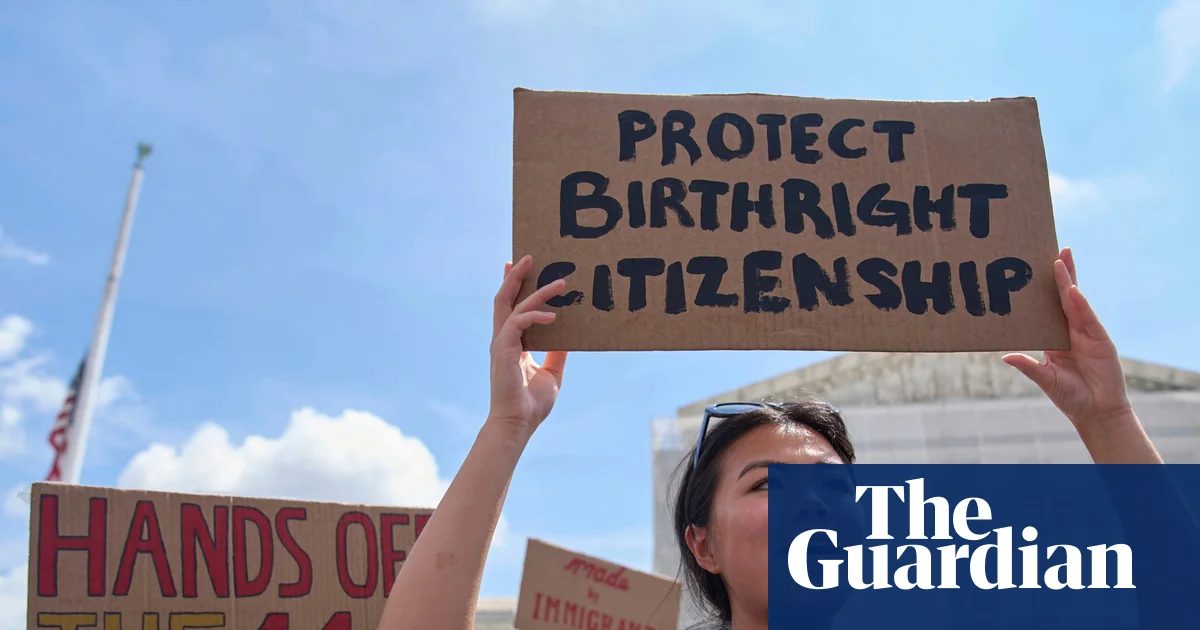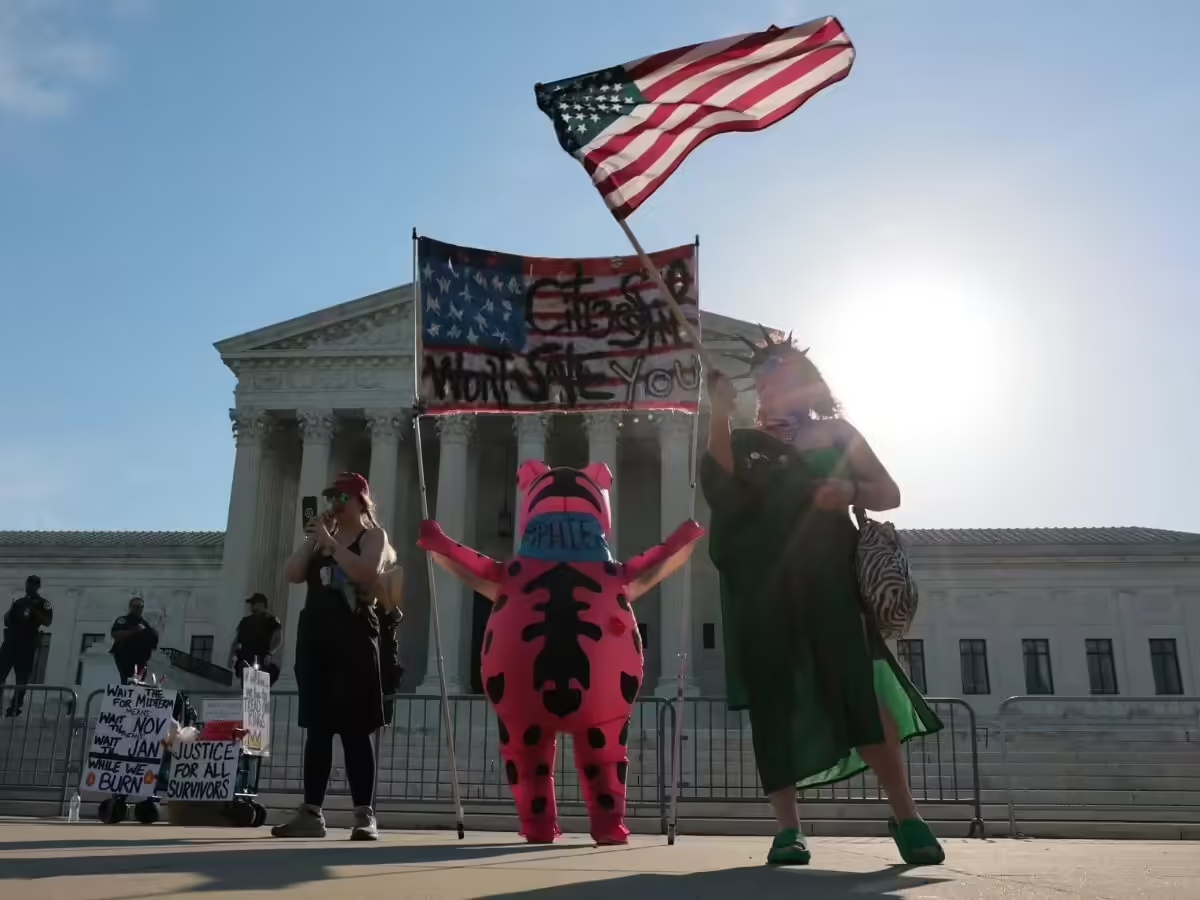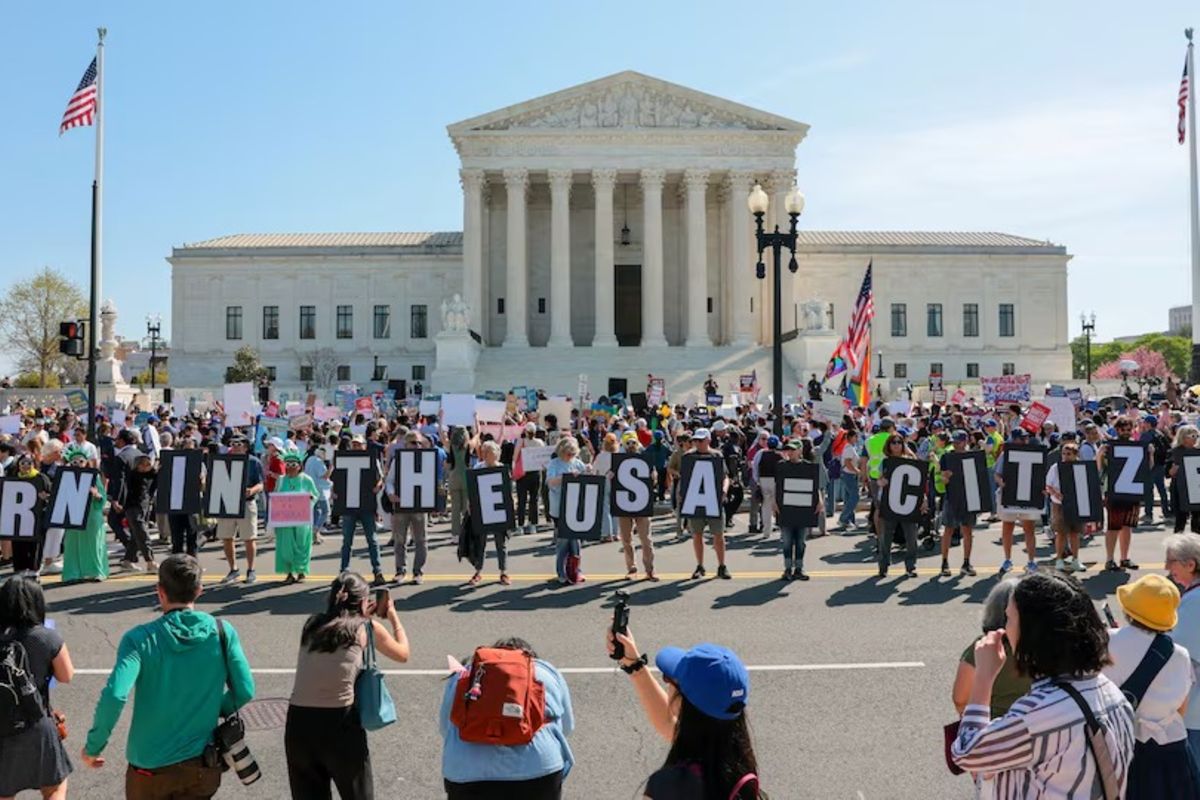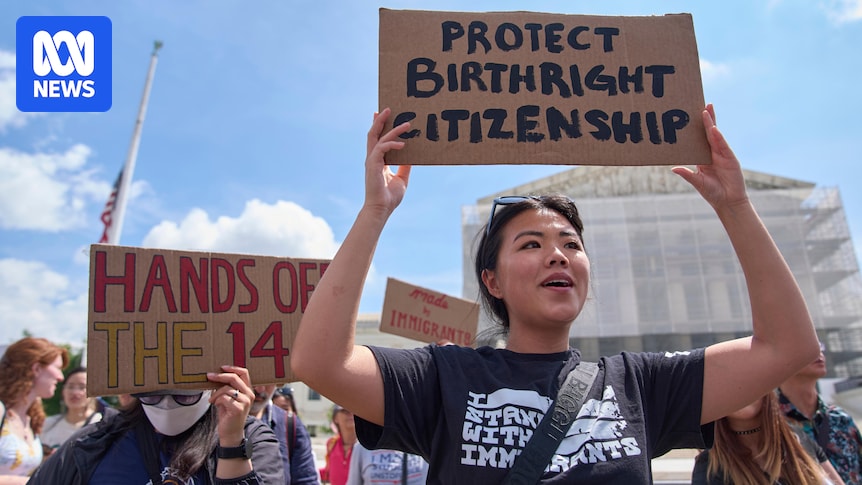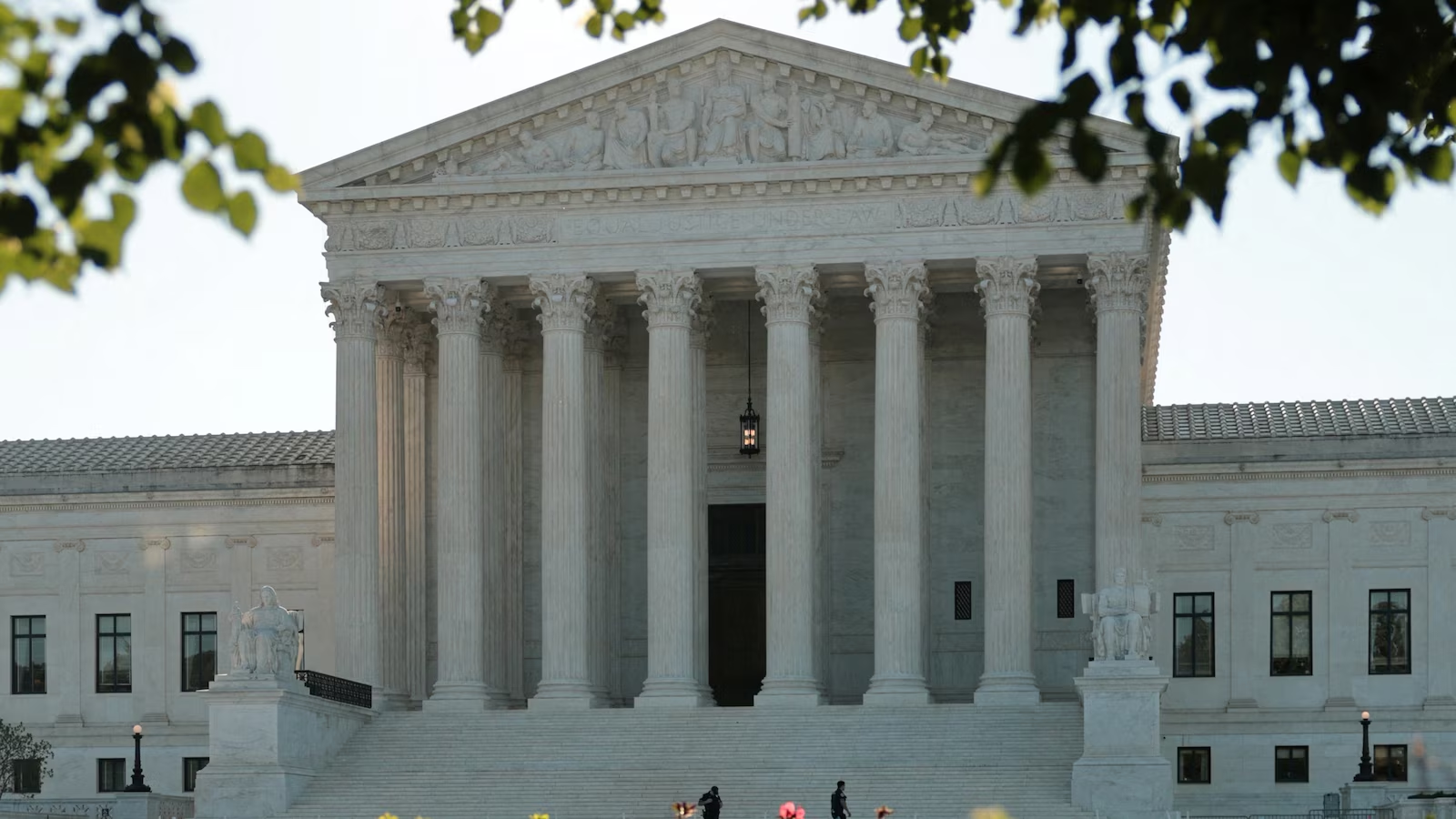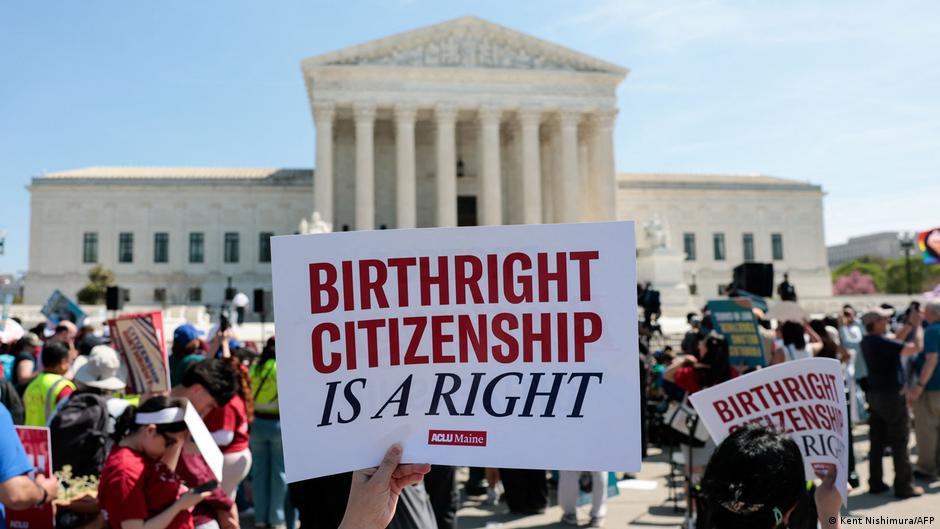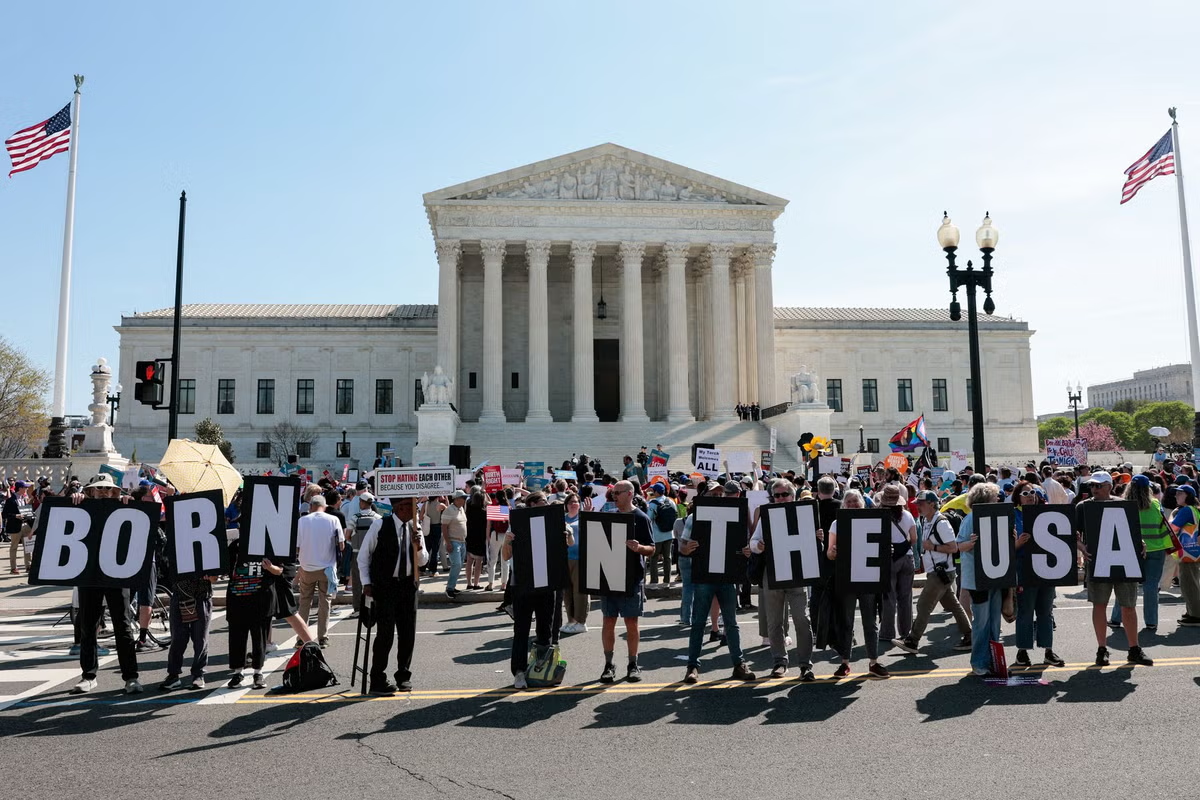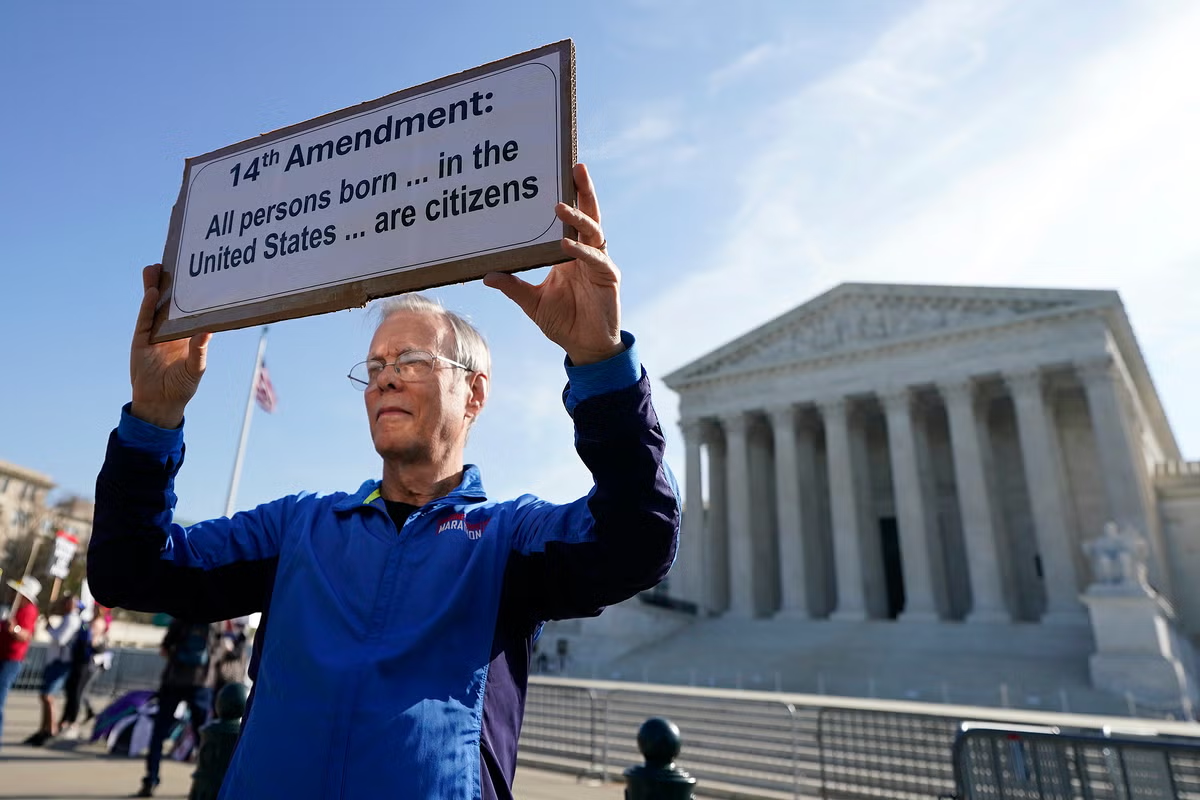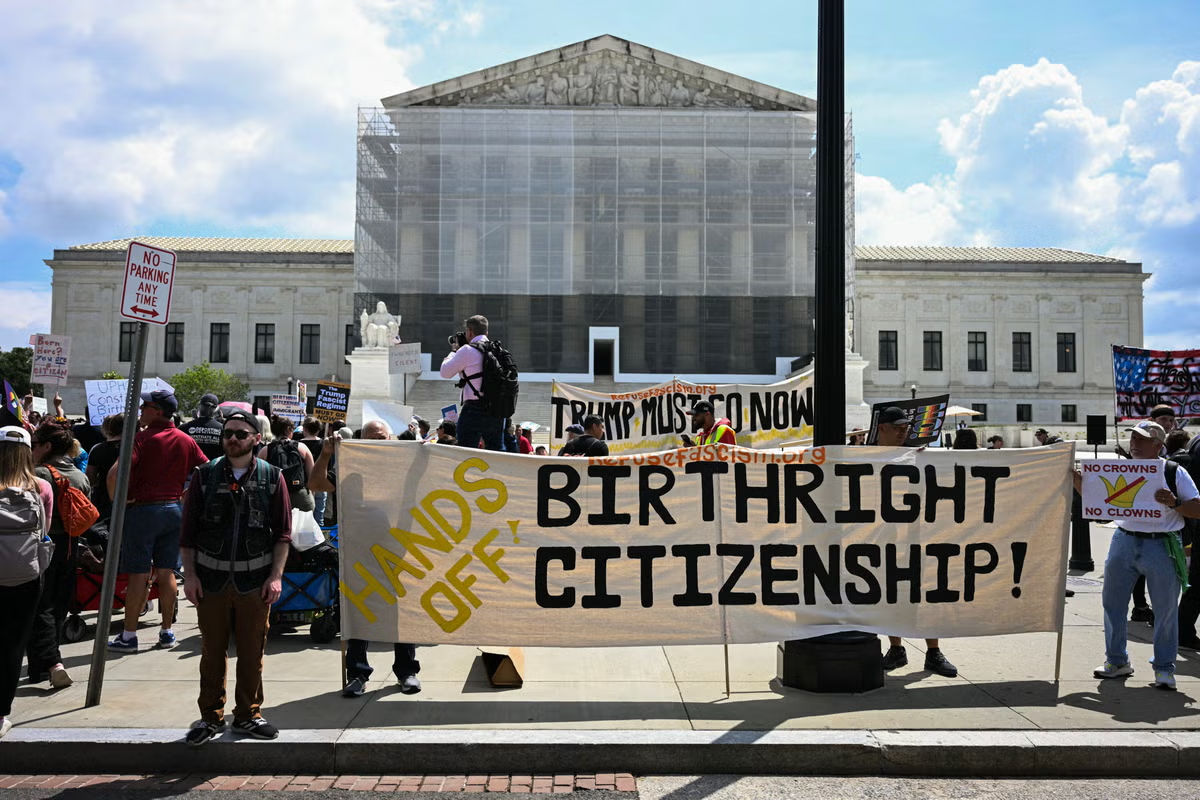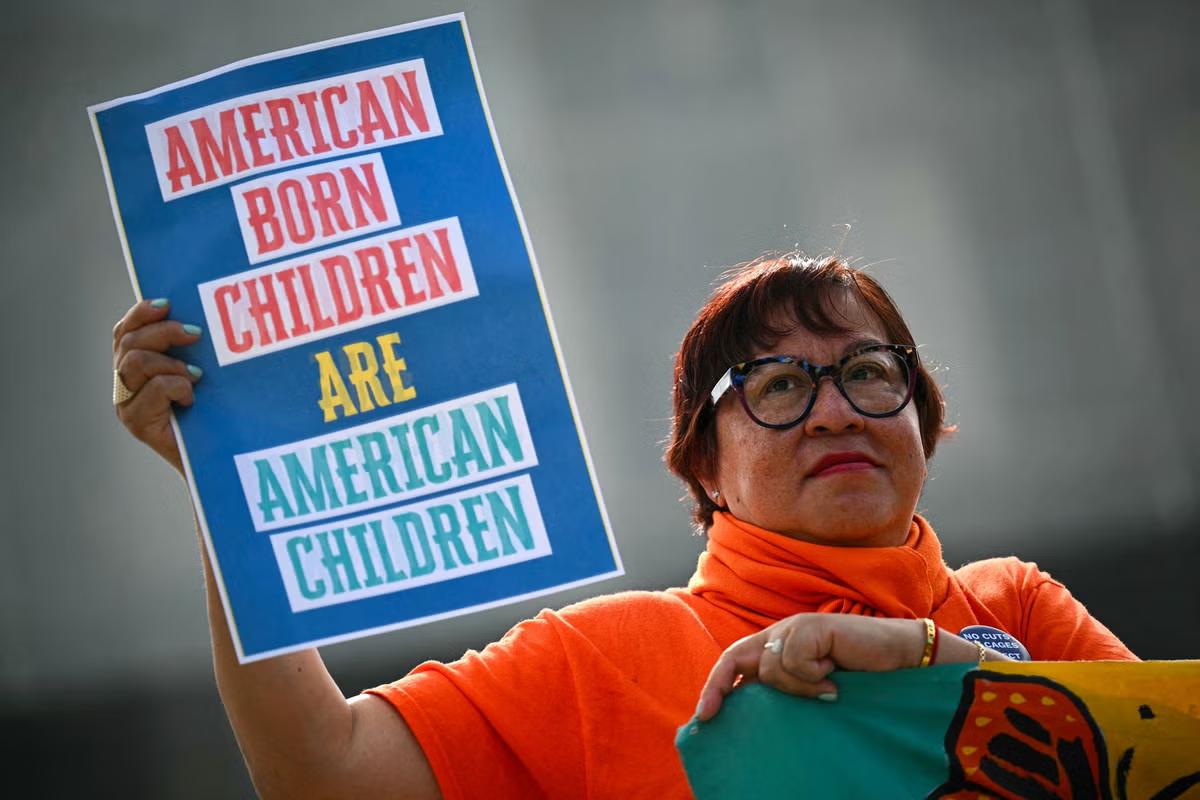
Stay up to date with notifications from The IndependentNotifications can be managed in browser preferences.Jump to contentThank you for registeringPlease refresh the page or navigate to another page on the site to be automatically logged inPlease refresh your browser to be logged inAllNewsSportCultureLifestyleA woman holds a sign at a protest outside the US Supreme Court over President Donald Trump's move to end birthright citizenship as the court hears arguments over the order in Washington, DC, on May 15, 2025 (AFP via Getty Images)The US Supreme Court is set to deliver a significant ruling Tuesday on birthright citizenship, a policy that has become a major point of contention in the country's immigration debate.This decision has the potential to alter over 150 years of legal precedent, determining whether children born on American soil automatically acquire US citizenship.President Donald Trump has consistently advocated for ending birthright citizenship as a core element of his immigration platform, describing the policy as “a disgrace” and arguing it incentivizes illegal immigration.Birthright citizenship is founded on the 14th Amendment, ratified in 1868, which states that anyone born in the United States is a citizen if they are “subject to the jurisdiction” of the nation, a principle further affirmed by the 1898 United States v. Wong Kim Ark case.Contrary to claims made by Trump, the United States is not the sole country granting birthright citizenship, with numerous nations, particularly across North and South America, also adhering to this principle.In fullCould Trump’s Supreme Court battle rewrite what it means to be American?Thank you for registeringPlease refresh the page or navigate to another page on the site to be automatically logged inPlease refresh your browser to be logged in
Supreme Court set to rule on Trump’s challenge to birthright citizenship
Stay up to date with notifications from The IndependentNotifications can be managed in browser preferences.Jump to contentThank you for registeringPlease refresh the page or navigate to another page on the site to be automatically logged inPlease refresh your browser to be logged inAllNewsSportCultureLifestyleA woman holds a sign at a protest outside the US Supreme Court over President Donald Trump's move to end birthright citizenship as the court hears arguments over the order in Washington, DC, on May 15, 2025 (AFP via Getty Images)The US Supreme Court is set to deliver a significant ruling Tuesday on birthright citizenship, a policy that has become a major point of contention in the country's immigration debate.This decision has the potential to alter over 150 years of legal precedent, determining whether children born on American soil automatically acquire US citizenship.President Donald Trump has consistently advocated for ending birthright citizenship as a core element of his immigration platform, describing the policy as “a disgrace” and arguing it incentivizes illegal immigration.Birthright citizenship is founded on the 14th Amendment, ratified in 1868, which states that anyone born in the United States is a citizen if they are “subject to the jurisdiction” of the nation, a principle further affirmed by the 1898 United States v. Wong Kim Ark case.Contrary to claims made by Trump, the United States is not the sole country granting birthright citizenship, with numerous nations, particularly across North and South America, also adhering to this principle.In fullCould Trump’s Supreme Court battle rewrite what it means to be American?Thank you for registeringPlease refresh the page or navigate to another page on the site to be automatically logged inPlease refresh your browser to be logged in