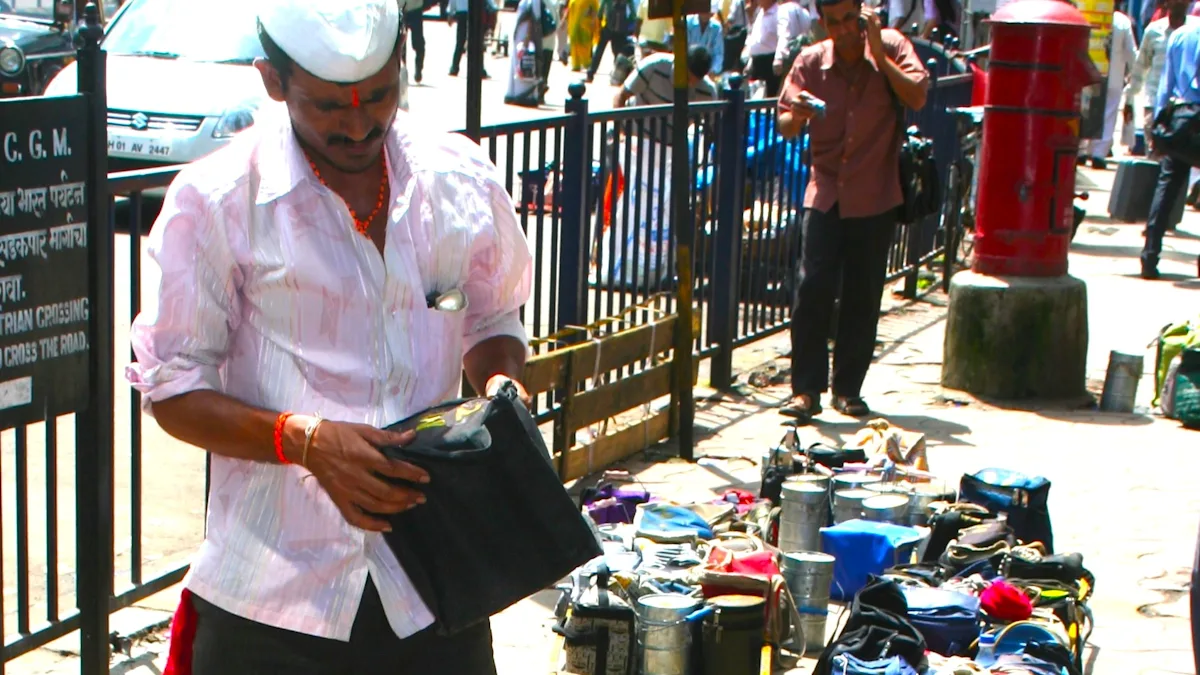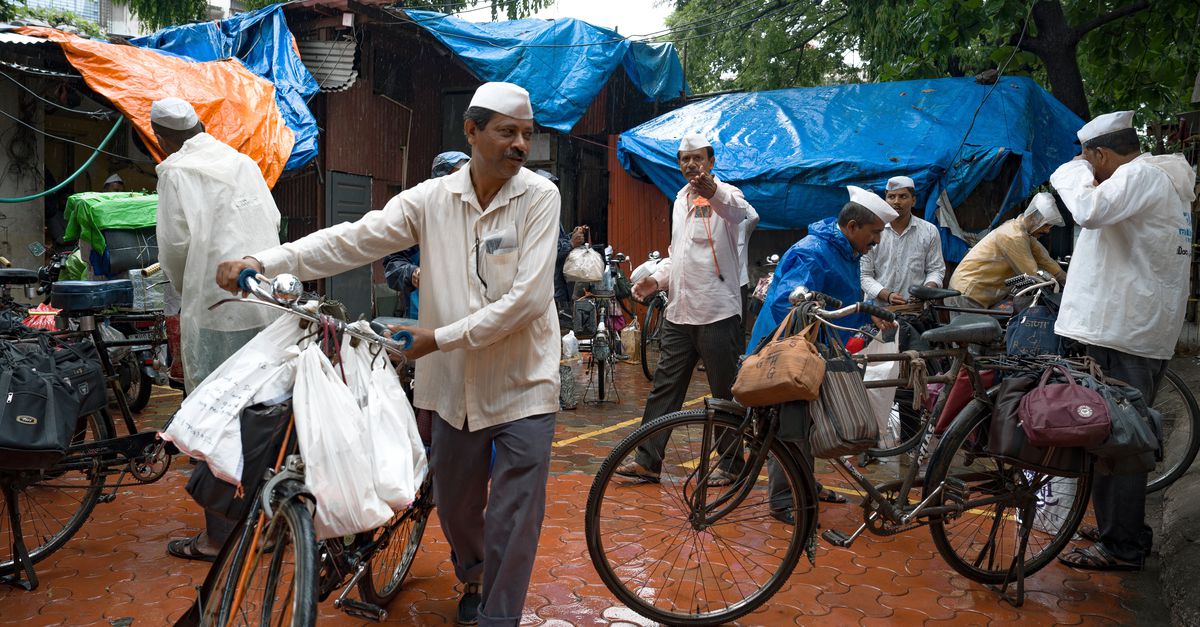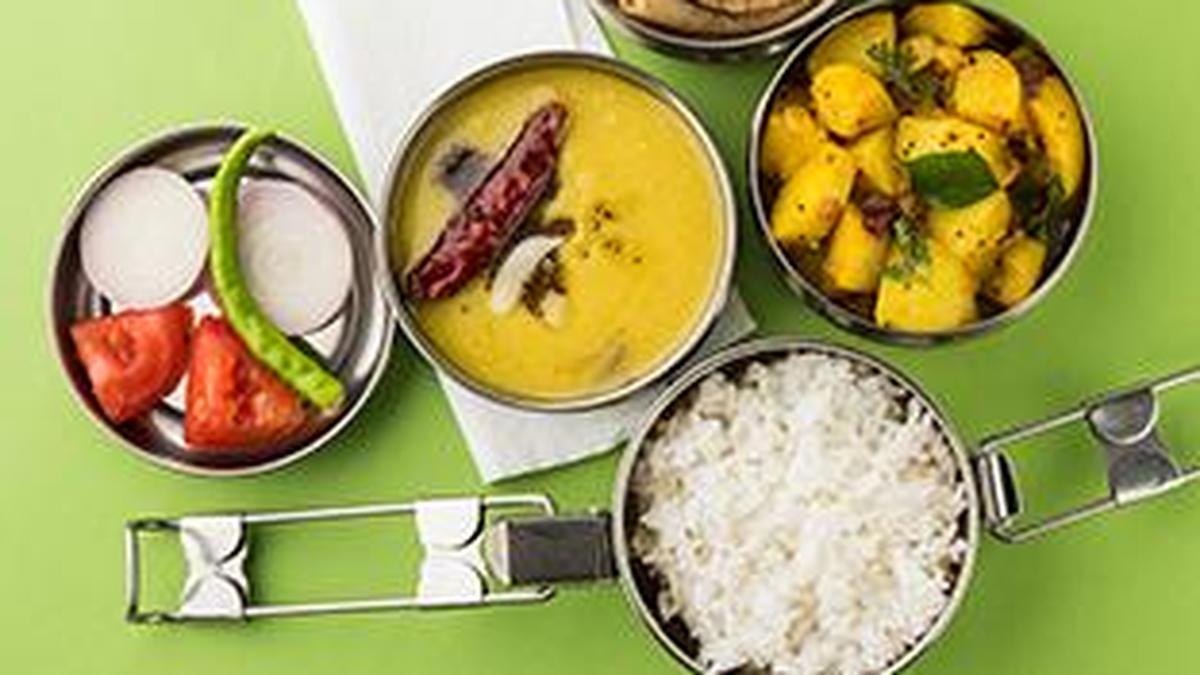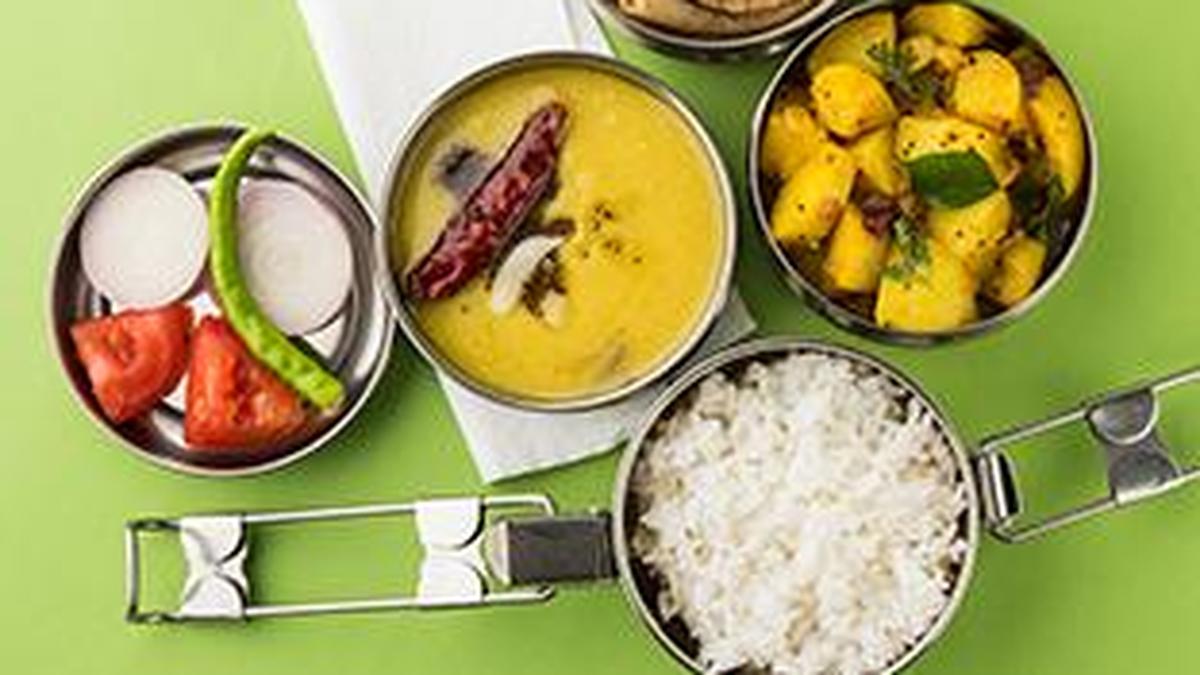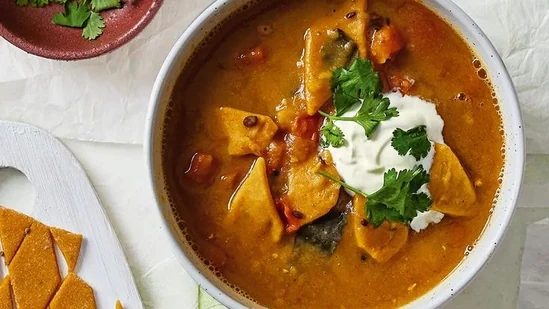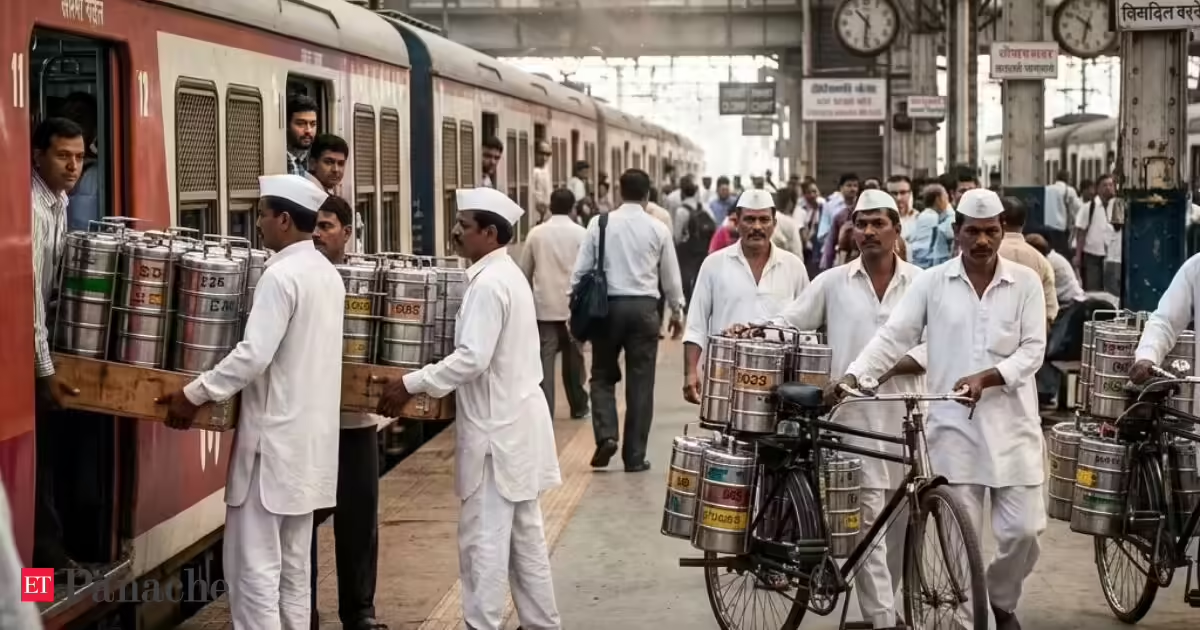
The city of Mumbai has a charm of its own. People come here to make a living and make their dreams come true. And in the rush to climb the ladder of success, many leave behind the comfort of their homes and the familiarity of aromatic home-cooked meals made by their loved ones with care. And that’s where Mumbai’s iconic dabbawalas step in. These men, dressed in white outfits and traditional Gandhi caps, set forth into the bustling streets with one mission — to deliver a touch of home to busy office workers with fresh and tasty, home-cooked meals. All about Mumbai’s dabbawala delivery system Mumbai’s dabbawala tradition dates back to the 1890s. As per the official website, it all started when a Parsi banker wanted to have home-cooked food in his office and gave this responsibility to the first-ever Dabbawala. The idea lured others and soon after, the demand for Dabba delivery witnessed a rapid rise. Mahadeo Havaji Bachche started the lunch delivery service in its present team-delivery format with 100 Dabbawalas.Every morning, even before Mumbai wakes up, these white ensemble-clad men arrive at Mumbai's suburban railway stations on bicycles stacked with steel lunchboxes. The staples inside include rice, lentils, vegetable curries, rotis (flatbread) and sometimes meat that is freshly cooked in homes across the city's suburbs. These boxes or dabbas are then loaded onto trains and the dabbawalas travel across the city, spread out on foot or bikes to deliver hot, home-cooked meals to office-goers. After a short break, these men once again collect the empty boxes and return them to the kitchens they came from by mid-afternoon. According to the BBC, every box is marked with an alphanumeric code that helps the dabbawalas understand where it came from, where it is going, which floor of which building it belongs to and how to get it back again.The story of dabbawala GulabIn a video posted by the Official Humans of Bombay, one such dabbawal Gulab, shared his story of providing this noble service. Gulab revealed that he came to Mumbai from Pune in 2008 and has been associated with the service for 20 years. Later, he took a house on rent and brought his wife too. Gulab admitted that it took him 15 years to get the hang of his job. Gulab said that he picks 20-22 tiffin boxes and reaches the Parle station before hitting the road with 10 tiffin boxes securely tied on each side and gets moving. He claims to earn Rs 20,000-Rs 21,000 every month. Additionally, the dabbawala disclosed that their white caps are their identity and not wearing one could cause a fine of Rs 100. How Mumbai’s dabbawalas are slowly fading awayAccording to a report by the BBC, the dabbawala community received a major blow during the COVID-19 pandemic. As offices shut and work from home became the norm, dabbawalas who once served 20 or 25 office workers a day were suddenly left with only a handful of customers and some with none at all. As a result, many left the business. Despite the reopening of offices, remote and hybrid work models have reduced the demand for dabbawalas, with online food delivery platforms emerging as an added challenge and offering office-goers a convenient alternative. Now, the tradition built on trust, discipline, and motherly love might be slowly disappearing, but can it really replace the warmth of a ‘ghar ka khana’ making people feel more at home?
136 years, 1 simple food tradition: Meet Mumbai’s ‘dabbawalas’ delivering fresh home-cooked meals to busy office-goers. But this iconic tiffin service is slowly disappearing
Mumbai's iconic dabbawalas, a century-old tradition, are facing a decline. These lunchbox couriers, known for delivering home-cooked meals, saw their numbers dwindle during the pandemic and now contend with hybrid work models and online food services. Despite their dedication and intricate delivery system, the warmth of their 'ghar ka khana' faces a modern challenge, potentially fading from the city's bustling landscape.
574 words~3 min read