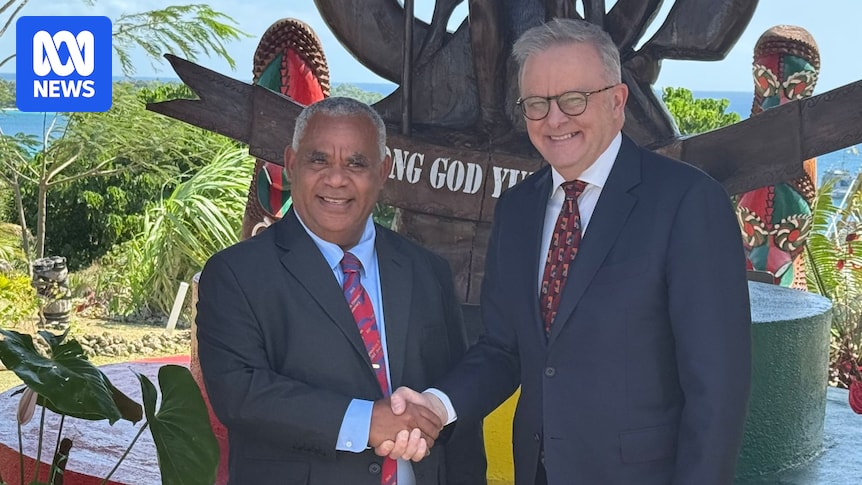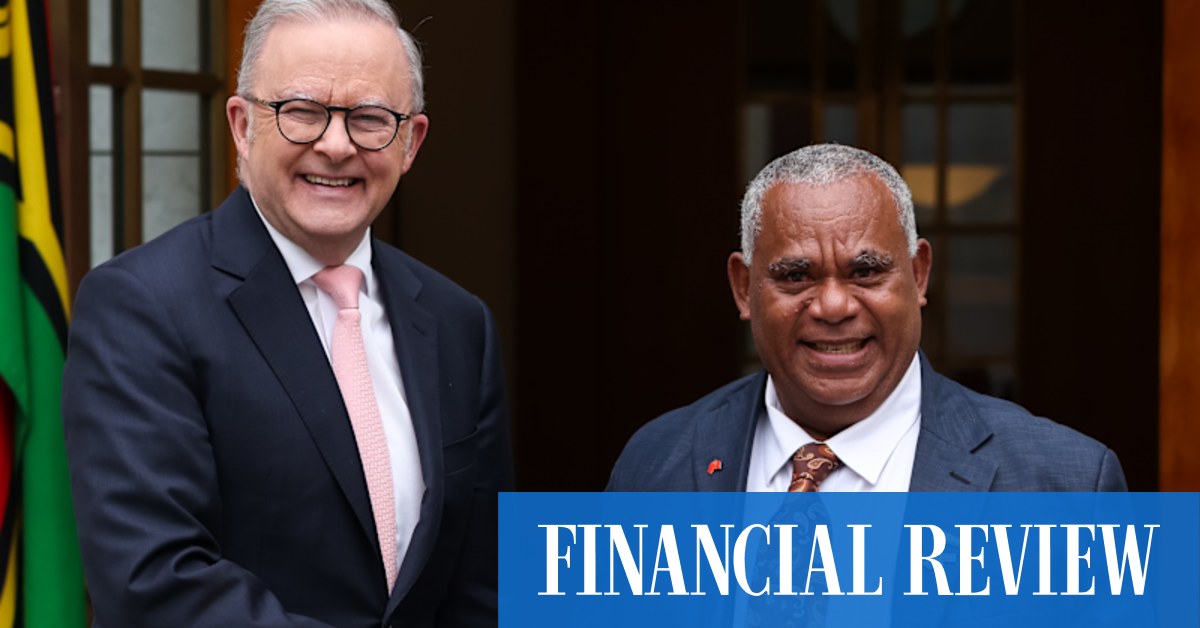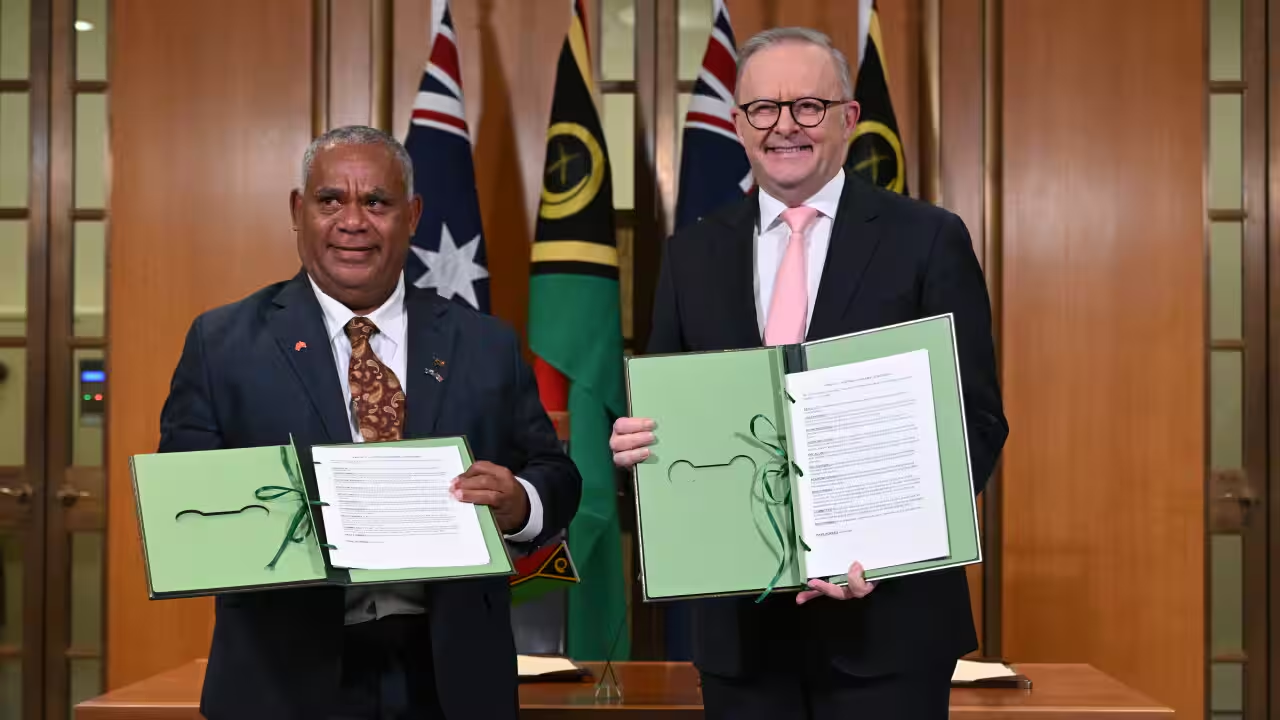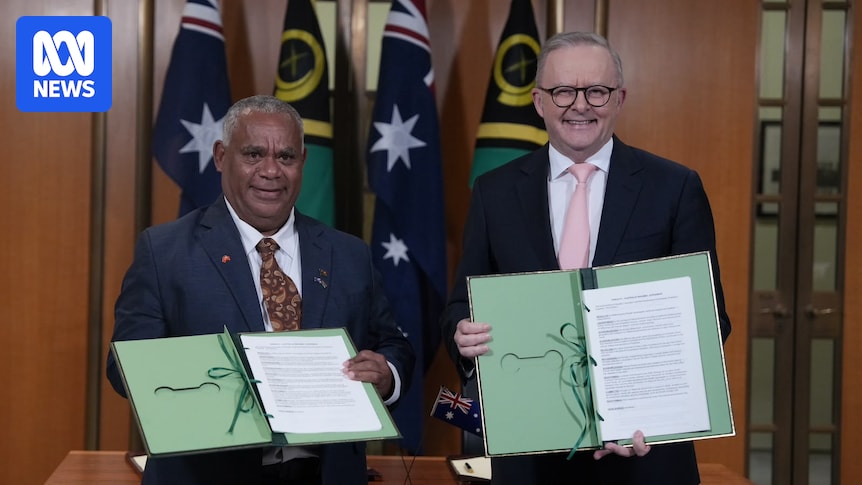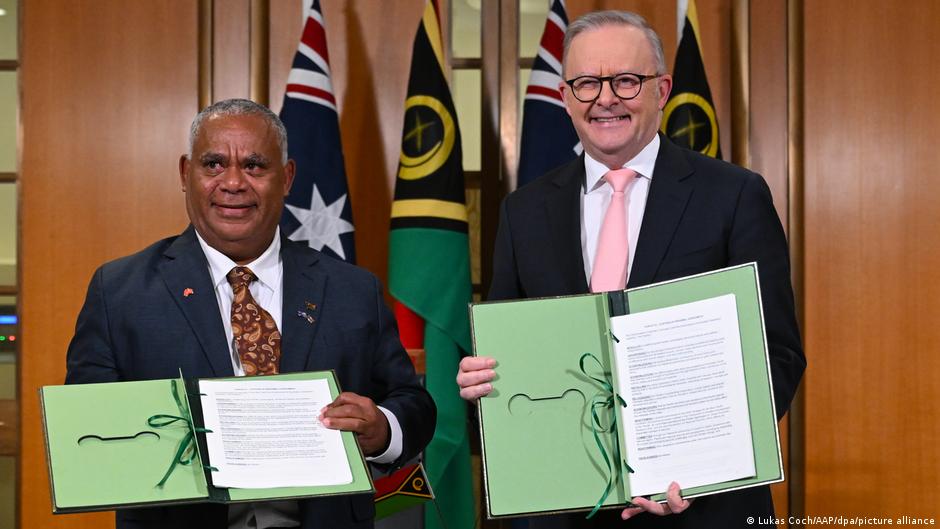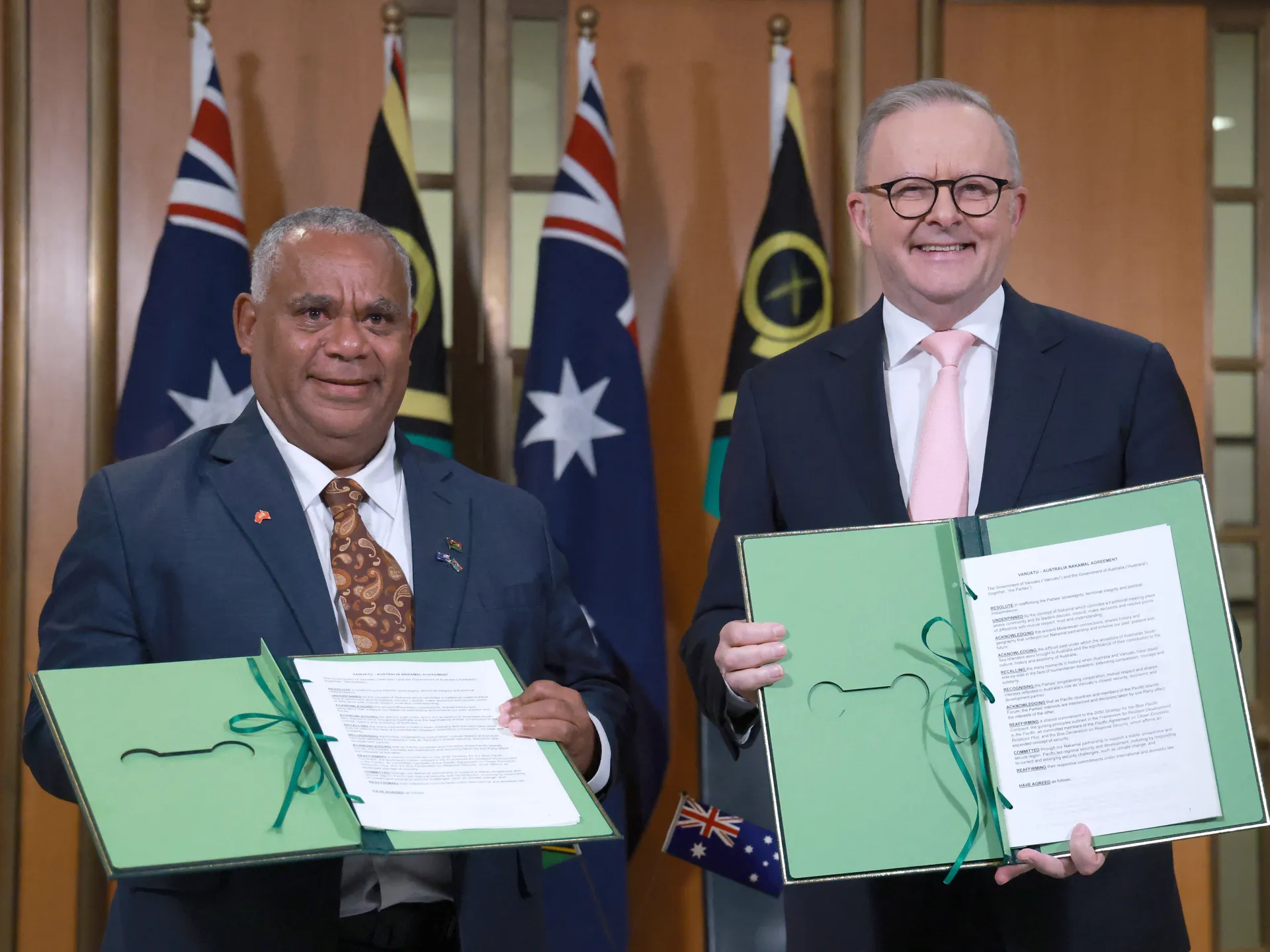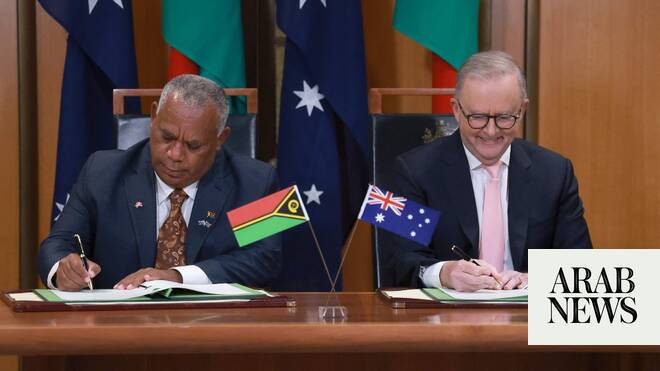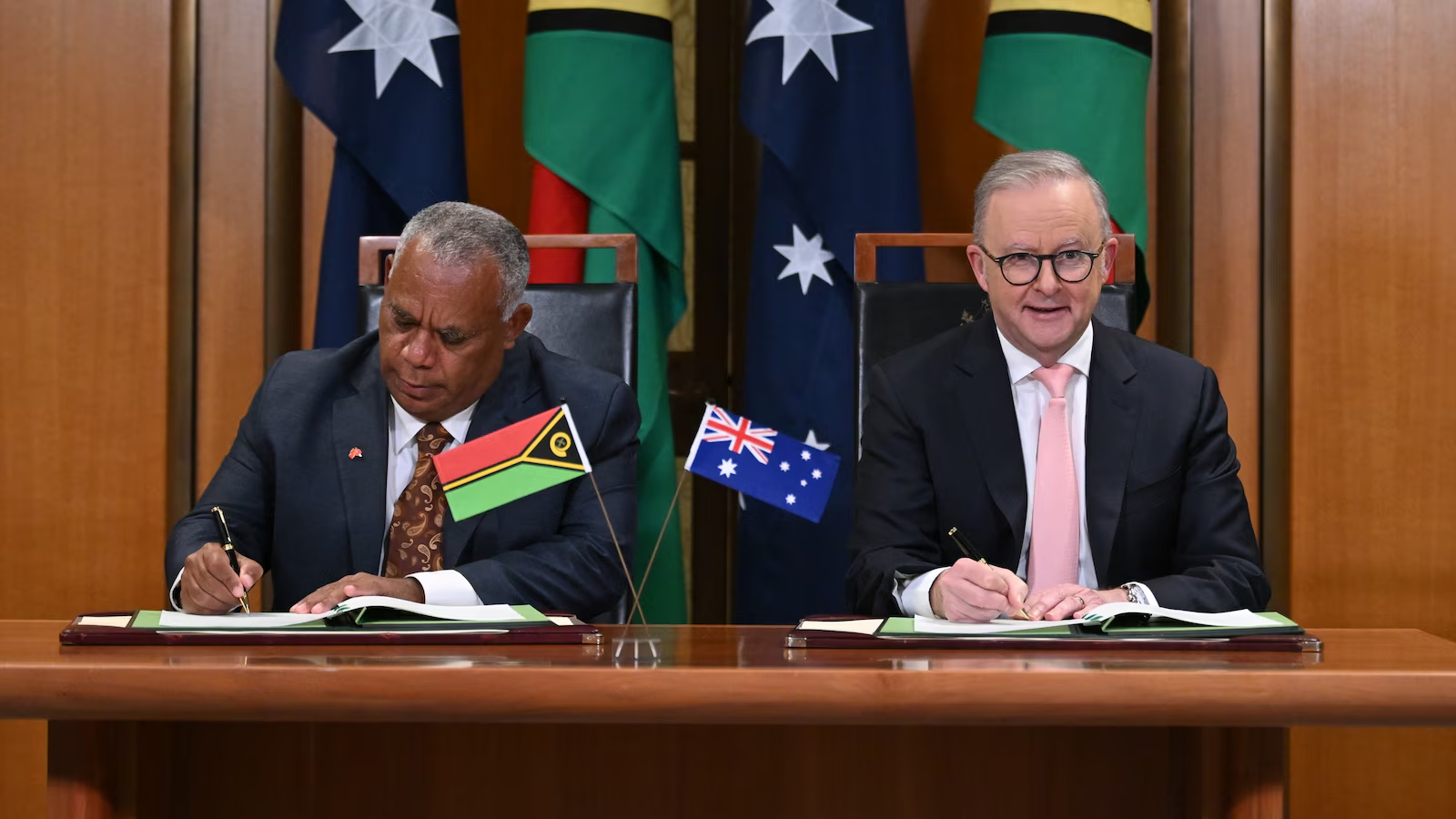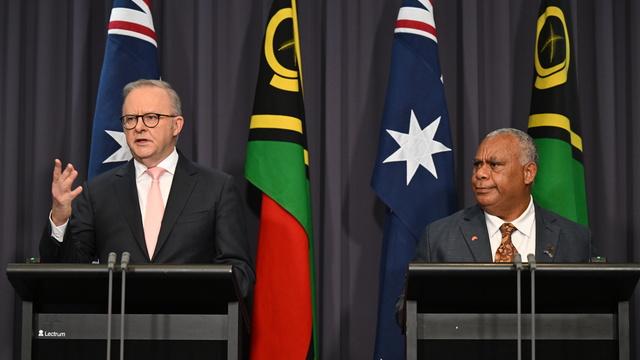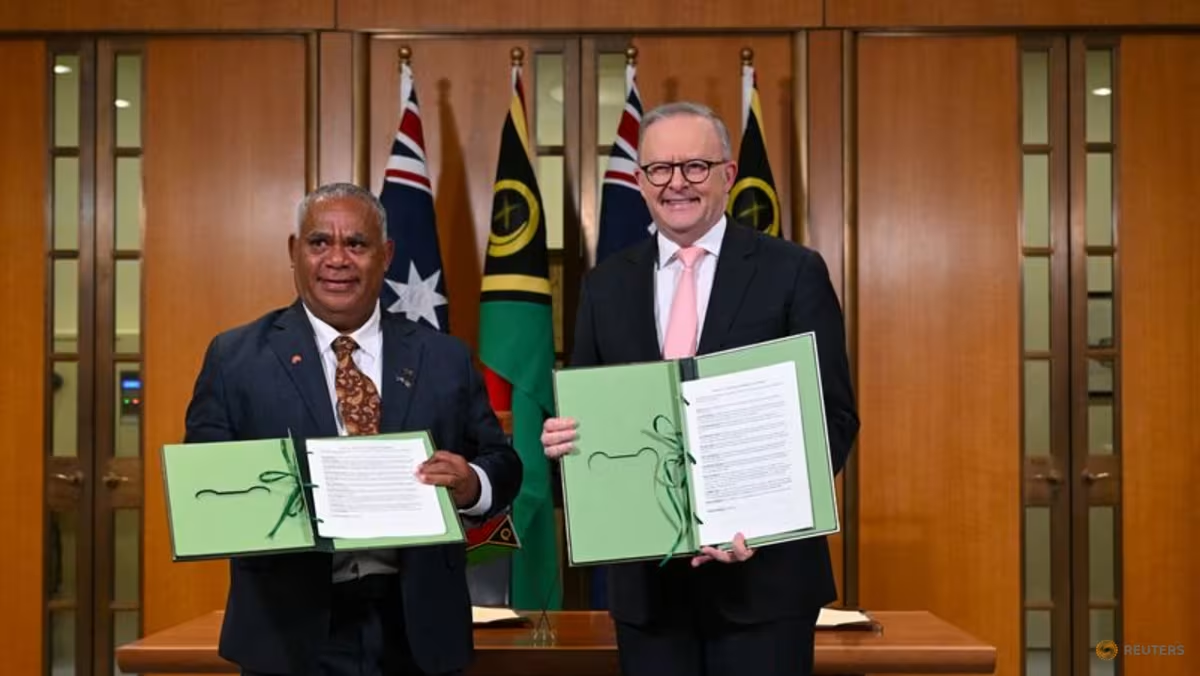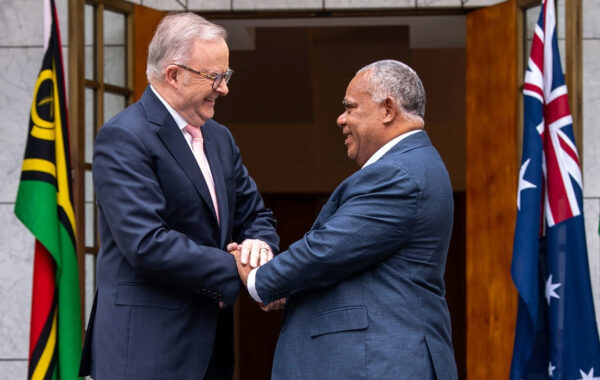
This week, Australian Prime Minister Anthony Albanese and his Vanuatu counterpart, Jotham Napat, signed the Nakamal Agreement, a new security relationship between the two countries. While this is the latest in a series of agreements that Canberra has struck with Pacific Island countries, it is noticeably weaker – in Australia’s eyes – than the others, given Vanuatu’s strong streak of independence and desire to remain open to potential opportunities with other major regional actors.
The motivating force behind Australia’s series of regional agreements is Canberra’s concern about Chinese influence in the Pacific. Australia has sought to formally entrench its position as the security partner of choice, and to give itself a veto over foreign (read Chinese) involvement in critical infrastructure projects in the region like ports, airports, and telecommunications systems that could potentially have dual-use purposes.
However, domestic resistance in Vanuatu to Australia’s agenda meant that the agreement was initially delayed, and then revised into one more palatable to Port Vila. The final version removes the proposed restraints on third-party investment in Vanuatu. Instead of requiring Australian approval for foreign participation in critical infrastructure, the agreement only requires consultation with Australia – although crucially there is a commitment for this infrastructure to be “free from militarization, any form of foreign interference or unauthorized access.”