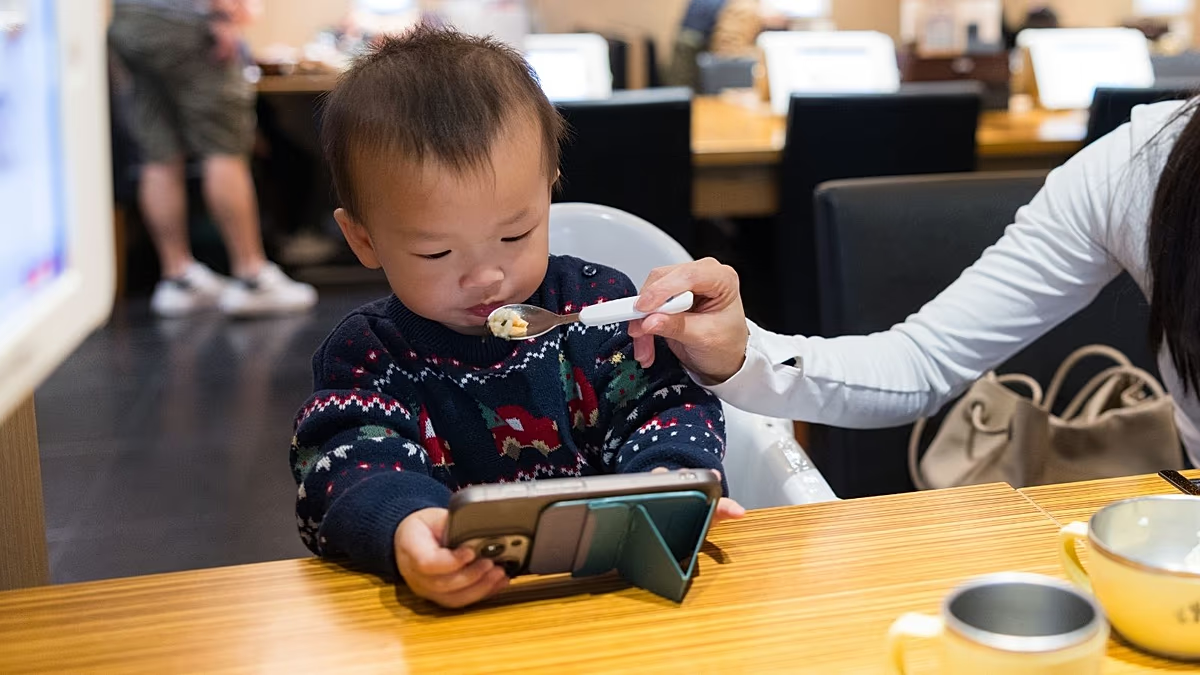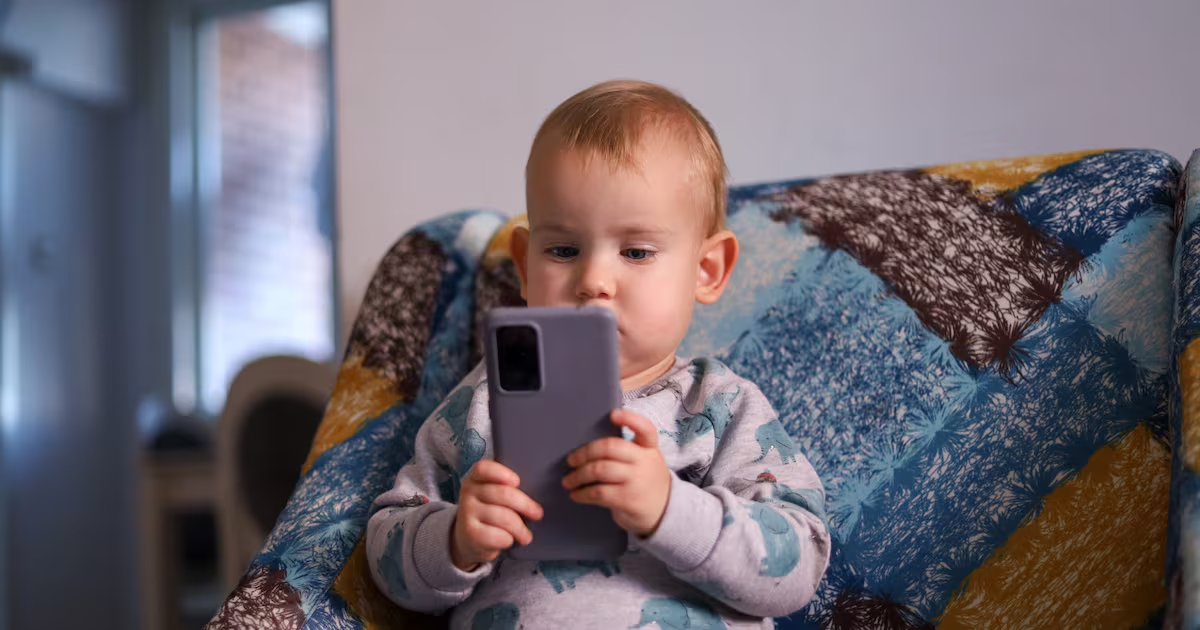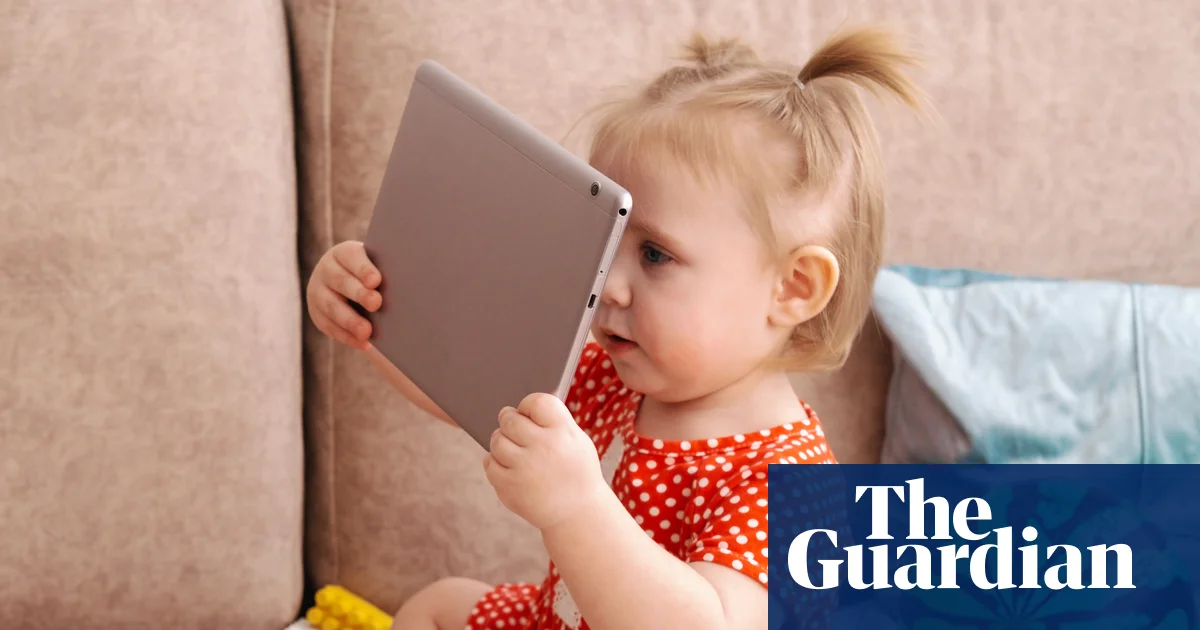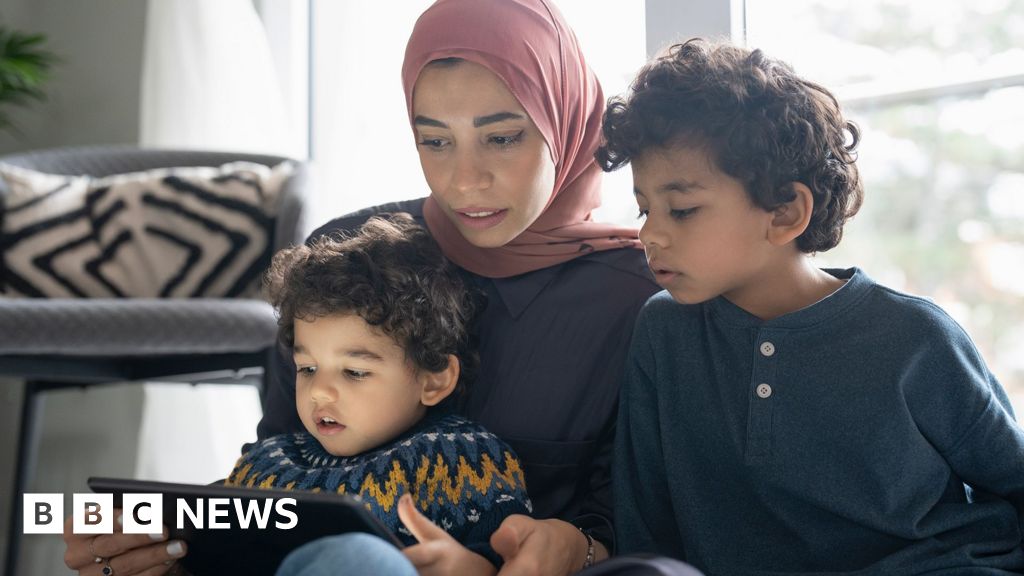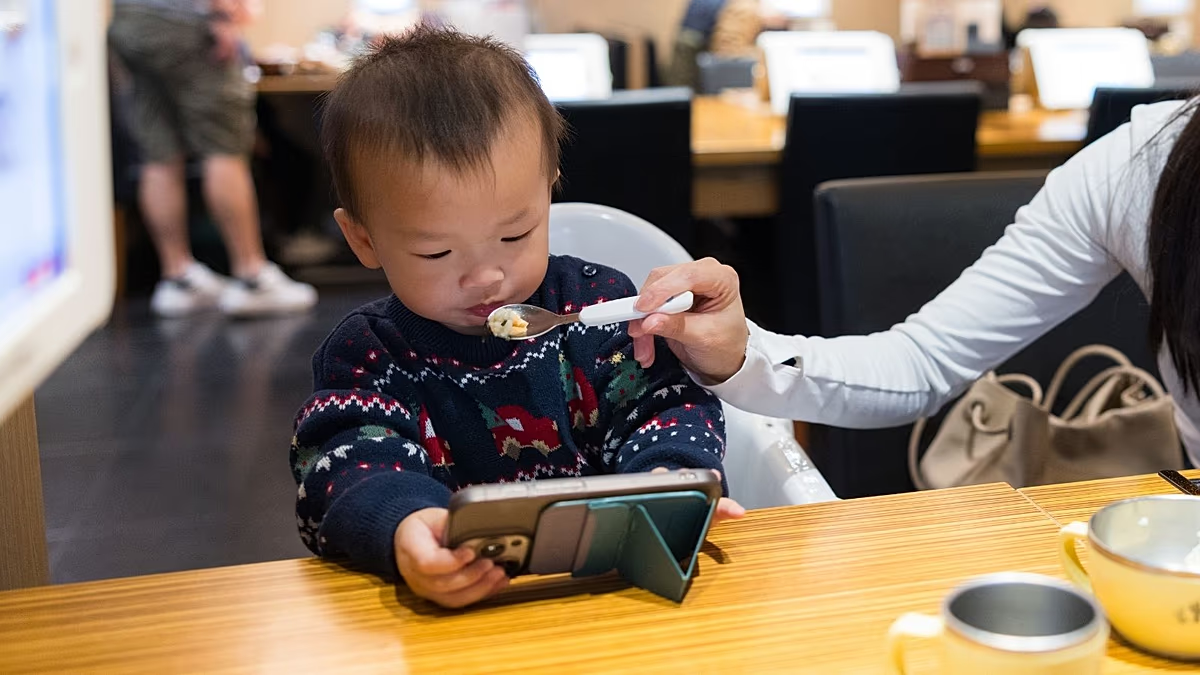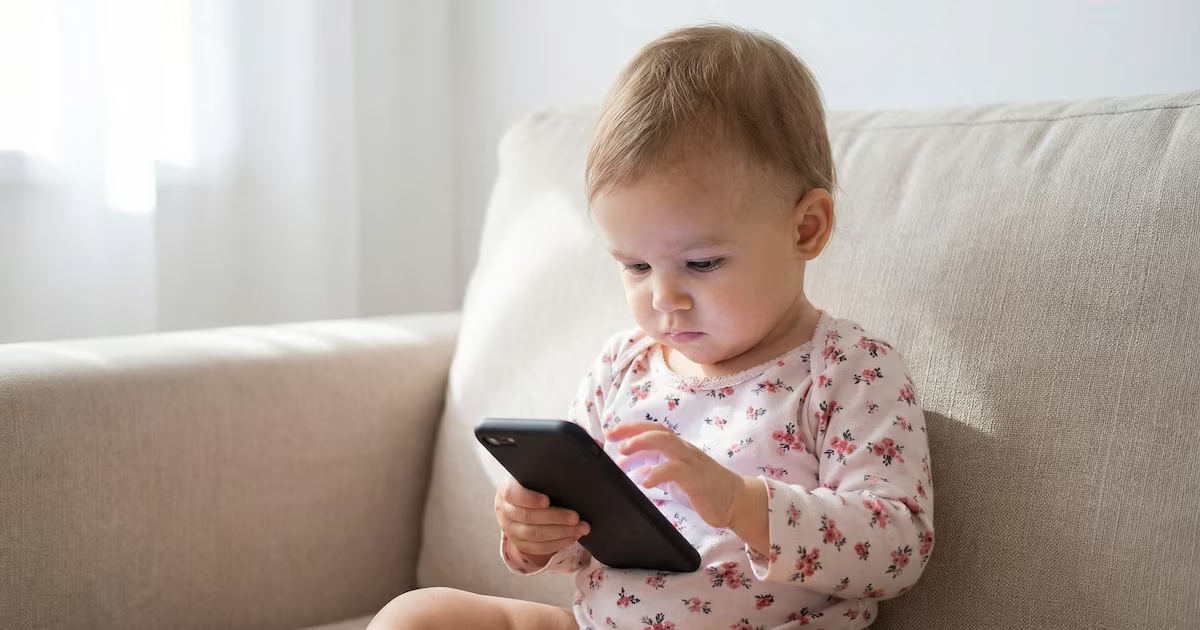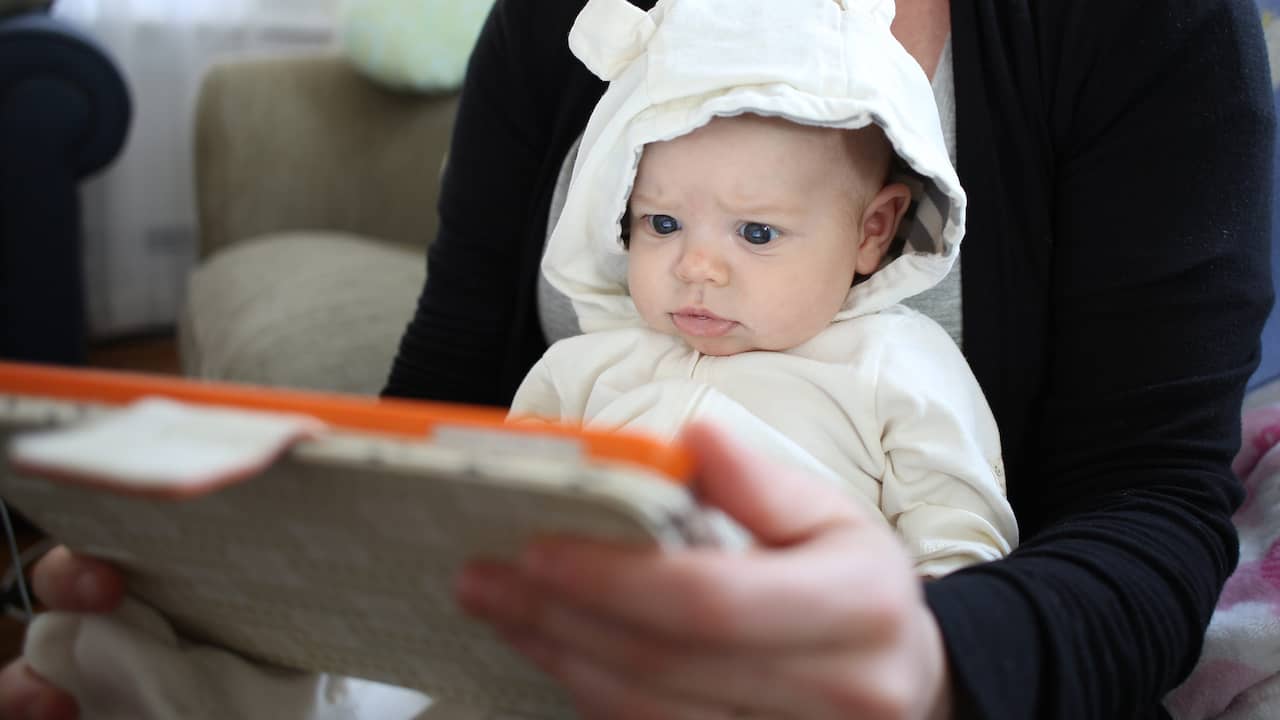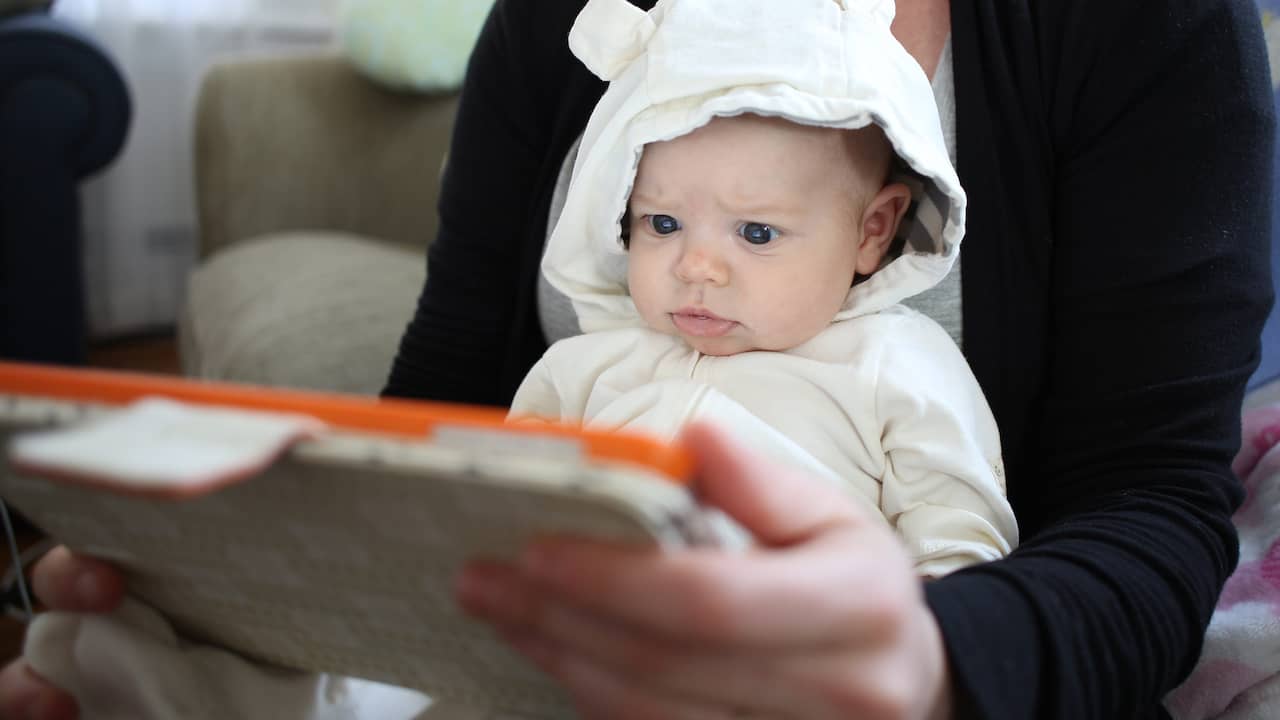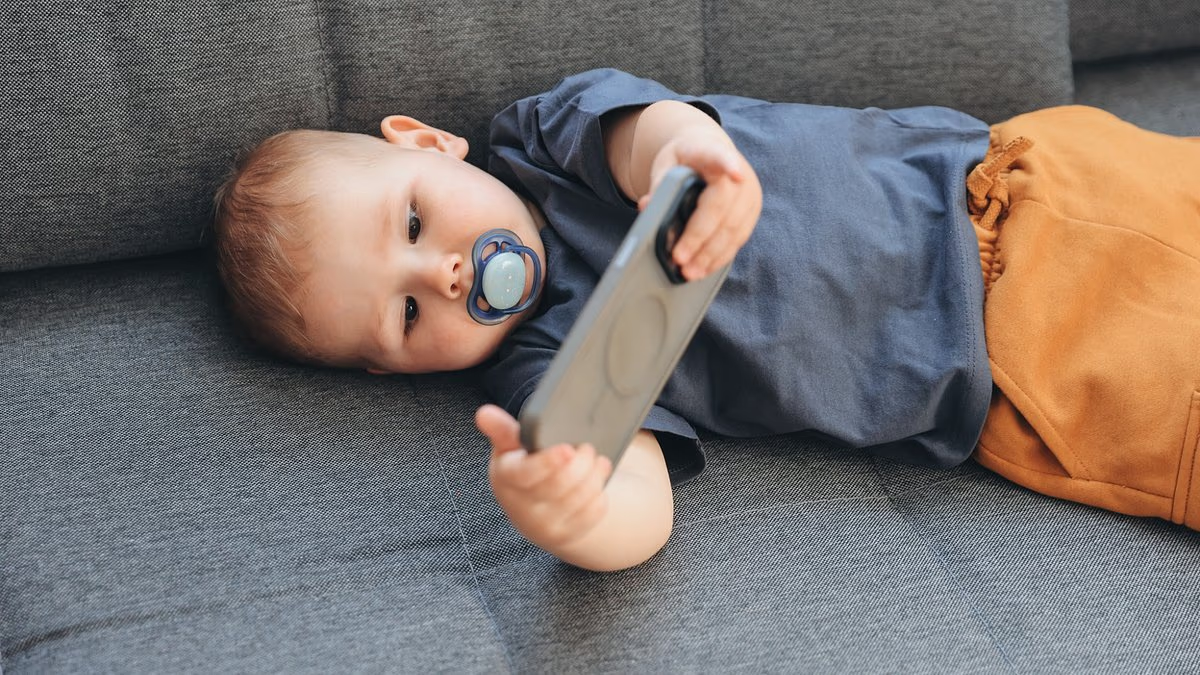
Babies and toddlers under the age of two should not receive any intentional screen time at all, according to a new study.Researchers have warned that using screens at this age has been linked with long-term negative effects on health and quality of life.This includes limited language development, difficulty sleeping, eye health issues and an increased risk of obesity.The study, described as the most comprehensive review so far of all available global findings on the subject, called on the government to reconsider its recently published guidance on screen time for under-fives.New recommendations state that children under two should avoid screen time, ‘other than for shared activities that encourage bonding, interaction and conversation’.But the study goes one step further, warning that any kind of screen time can be linked to a wide range of potential problems.‘We have learned that screen use among the under-twos is a global concern that in 2026 is not being adequately addressed,’ Rafe Clayton, from the University of Leeds, said.‘This has implications for a whole generation and their future quality of life.’ Previous studies have found that two-year-olds who spend longer on screens have a lower vocabularyExisting guidance from the World Health Organization and the American Academy of Paediatrics, which recommends that under-twos avoid screen time, is already being exceeded globally during the critical first 1001 days of life, from pregnancy to age two, according to the report.Other harms associated with this include reduced opportunities to bond with parents, reduced play with peers, an increased risk of overstimulation and a reliance on devices for emotional regulation.The researchers stress the findings reflect the pressures of modern digital environments rather than individual parenting choices.Dame Andrea Leadsom, Founder of 1001 Critical Days Foundation, said: ‘This landmark review is a wake-up call.‘The evidence increasingly suggests that screens offer limited benefits for babies and may carry significant risks during the first 1001 days, the most important period of human development.‘Parents must not be blamed for a problem they did not create.‘Screens are now part of everyday life and many families are navigating this challenge without the information and support they need.‘The responsibility cannot rest solely on their shoulders.’ A separate study found that 2 per cent of nine-month-old babies had more than three hours of screen time every day Researchers have warned that using screens at this age has been linked with long-term negative effects on health and quality of life How to keep your children off screens Taking children outdoors to spend time in nature prevents screen time and can benefit physical development and eye healthAvoiding using screens at mealtimes could correlate with healthier eating habitsAccess to non-digital toys is beneficial for reducing screen time and improving developmentSpending time in the physical presence of others – meeting, interacting and playing with other people – supports social development Dame Andrea also called on technology companies to play their part, adding: ‘Parents should not be presented with content that is labelled or promoted as suitable for babies when the evidence points to the contrary.’More research is needed into which strategies are most effective for parents and caregivers wanting to reduce and cut out babies’ screen time.But the review mentions several that have been proven to help.Taking children outdoors to spend time in nature prevents screen time and can benefit physical development and eye health, the experts said.They suggest avoiding using screens at mealtimes to boost healthier eating habits and giving children access to non-digital toys.Spending time in the physical presence of others – meeting, interacting and playing with other people – also supports social development, they added.The review also found that parent and caregiver screen time correlates with babies’ screen time, but the researchers emphasise that parents should not be the focus of blame or criticism here.Digital screens are embedded in our lives – from working, to buying groceries, accessing healthcare and communicating with friends and family – so passive screen exposure is inevitable, they said.A recent poll revealed almost one million school children spend most lessons learning from screens despite evidence that too much exposure may be harmful.New research suggests nine per cent of all pupils in the UK – around 960,000 – spend nearly every lesson on a 'one-to-one screen', such as an iPad or other tablet.Among primary school children only, the proportion is six per cent – around 270,000.Popular apps in schools include Minecraft Education, which is based on the famous computer game, and language tool Duolingo.A further quarter of the entire pupil population – or 2.6 million – are using screens on a daily basis.
Children under two should have NO screen time at all, study says
Babies and toddlers under the age of two should not receive any intentional screen time at all, according to a new study.
755 words~3 min read