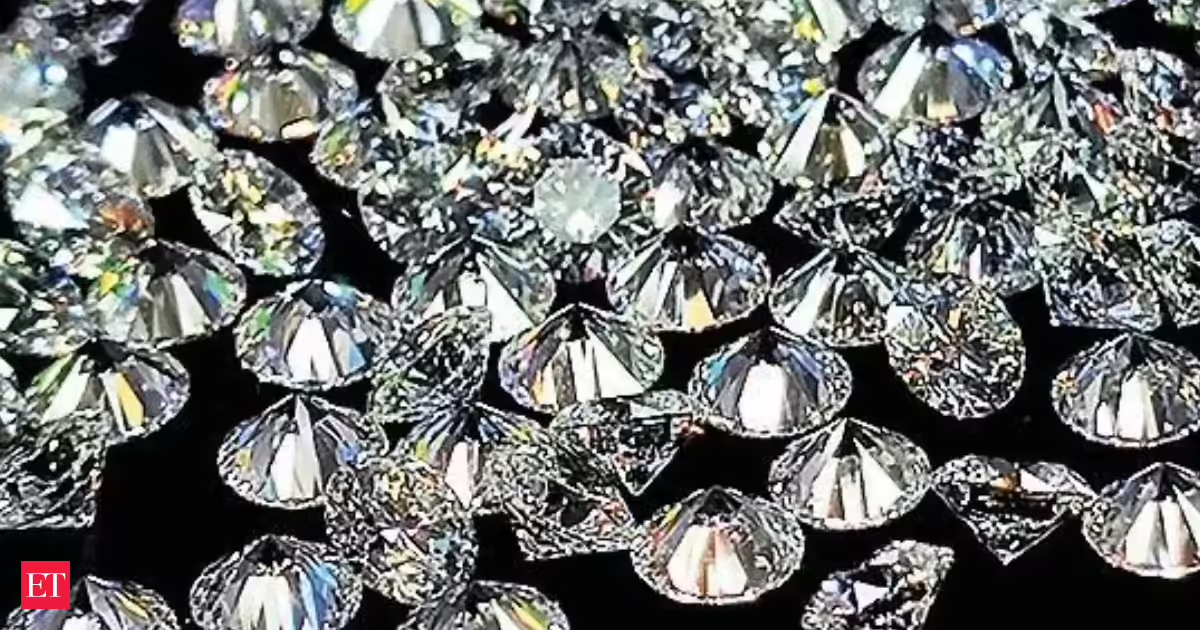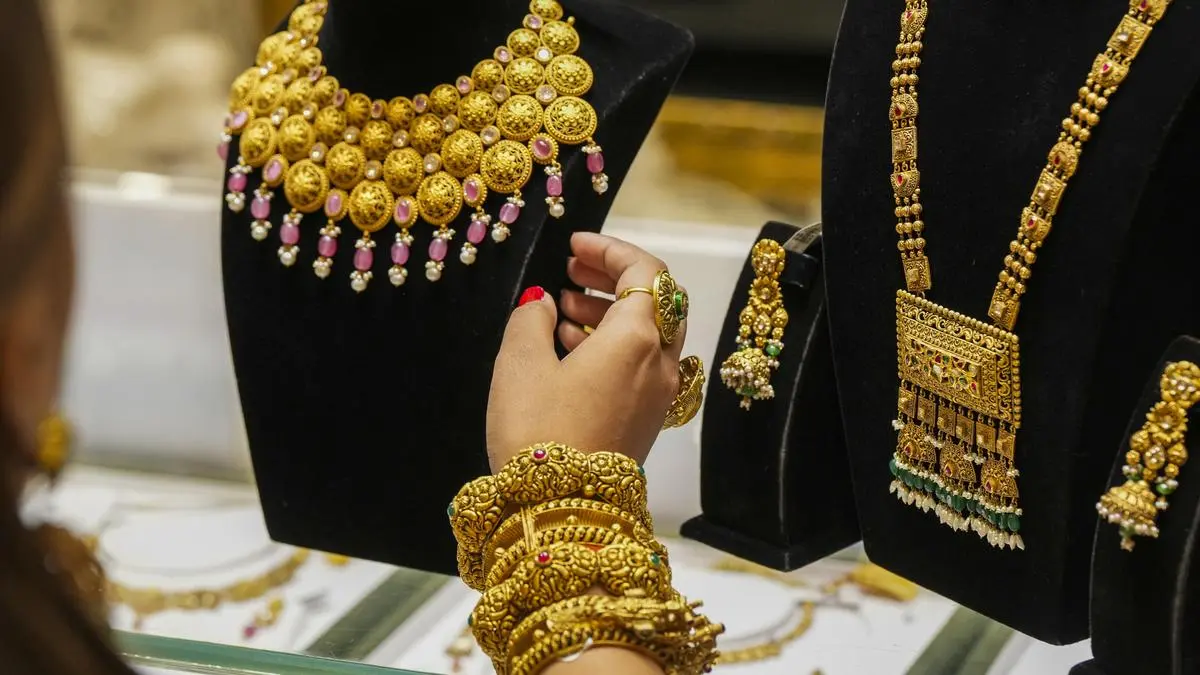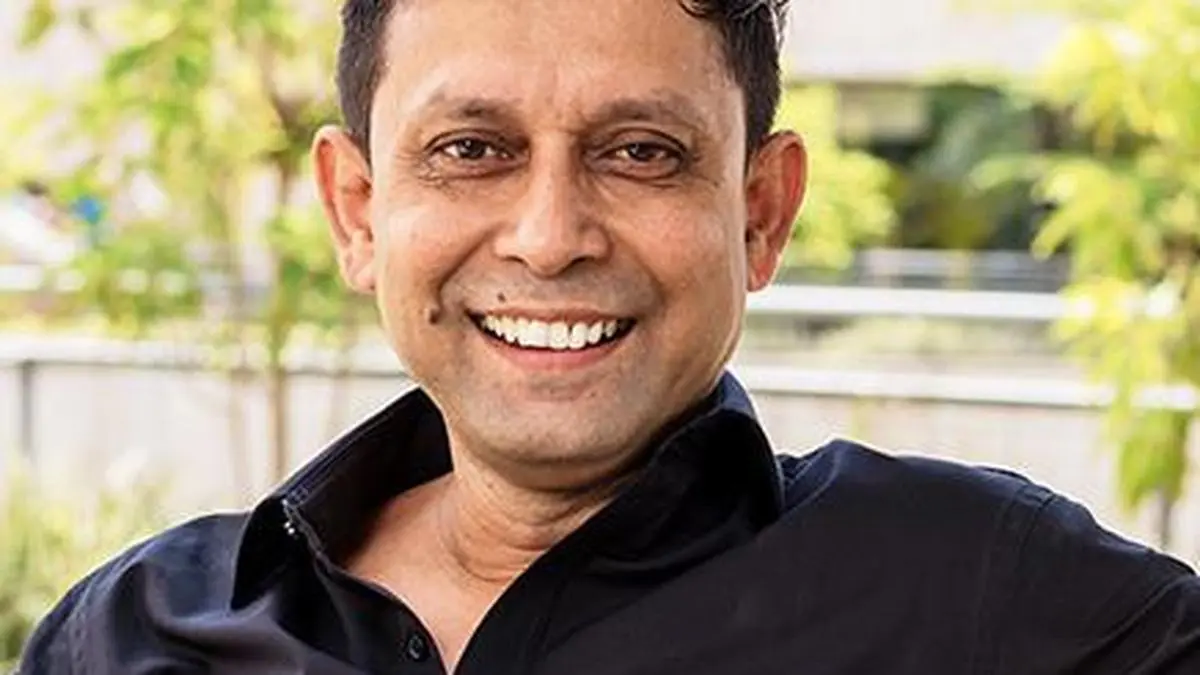
India’s overall jewellery market is currently valued at about ₹8,00,000 crore. While the larger market remains predominantly dominated by gold, the domestic natural diamond segment accounts for less than 10 per cent of the current market. However, fuelled by these rapidly changing consumer tastes and a growing desire for self-expression, the natural diamond sector is poised for expansion, with expectations to double in size and reach $20 billion.As India's love for jewellery evolves, the concept of 'Chamak,' the sparkle of a diamond, emerges as the fifth C alongside the traditional four Cs. (Indriya, by Aditya Birla Group)For generations of Indians, walking into a jewellery store meant following a time-honoured tradition of choosing a heavy gold piece, wearing it for an occasion or two before tucking it away securely in a locker. The way Indians look at luxury ornaments is also fundamentally changing, and jewellery is coming out of the bank locker and into the active wardrobe.Instead of buying it solely as an investment, people are picking up pieces that they love and are increasingly turning to natural diamonds in combination with gold to add diversity to their collection. While the diamond industry has traditionally graded the quality of a diamond on the four Cs, namely Carat, Colour, Clarity and Cut, Indian shoppers instinctively look for one more parameter to bring this self-expression to life. This fifth C is chamak, or shine of the diamond.Explaining the chamak or the ‘sparkle’ factorIndriya, the new fine jewellery brand from Aditya Birla Group, is deliberately moving the conversation away from certificates (which consumers consider at the time of purchasing) and shifting the focus to what a customer actually experiences when admiring themselves in the mirror: the ‘Sparkle Factor’. “The four Cs" are a very technical term. At the end of the day, the beauty of the diamond lies in its sparkle, and that is what people buy diamonds for,” said Sandeep Kohli, CEO, Indriya Jewellery.Modern shoppers, particularly younger demographics, are building diverse personal collections for different moods, outfits, and occasions rather than viewing a piece purely as a financial asset. For this new generation of buyers, an exquisite contemporary design and an undeniable visual glow carry just as much weight as pure weight or commodity valuations.As Kohli explained, people are now using this multi-dimension of both beauty and investment when they are buying their jewellery, and a massive part of that beauty simply lies in whether the diamond is really sparkling or not. “For us, it is not gold versus diamond. It is gold and diamond. Diamond is a form of jewellery which helps you to create that assortment and variety, that holds very different from gold,” Kohli said.To meet this demand, Indriya is changing the way Indians have been buying diamonds. Even as traditional quality certification only looks at the 4Cs, even a diamond that looks perfect on a lab certificate could appear dull in reality.“While diamonds have traditionally been evaluated through the 4Cs, it is Cut, shaped by human craftsmanship, is what determines how a diamond interacts with light, and therefore, how it sparkles. This light performance is expressed through brilliance, fire, and scintillation, the three elements that bring a diamond to life. Indriya’s Sparkle Factor builds on this understanding, focusing on the visible sparkle a consumer can actually see,” he further explained.The ‘Sparkle’ factor simplifies this by grading diamonds based on the visible brilliance, fire and scintillation that you can see with your own eyes. Indriya implements a strict selection protocol where only one out of every five natural diamonds evaluated by the brand actually makes the final cut, which is the sparkliest of them all.The value of trust and transparencyUltimately, buying high-ticket luxury is a deeply emotional decision, making the physical storefront experience and trust important parameters. To elevate this journey, Indriya is completely reimagining the traditional retail space by removing old-school counter barriers and introducing total transparency. They have designed their stores with open and transparent glass walls for their workshop areas, or ‘Karigar rooms’, allowing customers to view exactly how their precious items are being handled and evaluated first-hand.Furthermore, they have replaced aggressive sales pitches with highly trained jewellery consultants who specialise in styling and aesthetic alignment. Backed by the legacy of the Aditya Birla Group, Indriya is making the diamond-buying experience clear, honest and entirely centered around chamak.This focus on enduring quality also helps natural diamonds maintain a distinct position even as the market navigates the rise of cheaper lab-grown alternatives. While lab-grown stones are carving out their own space for casual fashion and everyday wear, natural diamonds remain the definitive choice for life’s multi-generational milestones. According to Kohli, when someone is looking for something truly precious and endearing, that is the time when people will choose natural diamonds.Note to the Reader: This article has been produced on behalf of the brand by HT Brand Studio and does not have journalistic/editorial involvement of Hindustan Times.
Defining the fifth ‘C’ of natural diamonds: Chamak
Moving beyond the traditional 4Cs, Indriya, by Aditya Birla Group, is introducing the sparkle factor in modern diamond shopping
818 words~4 min read