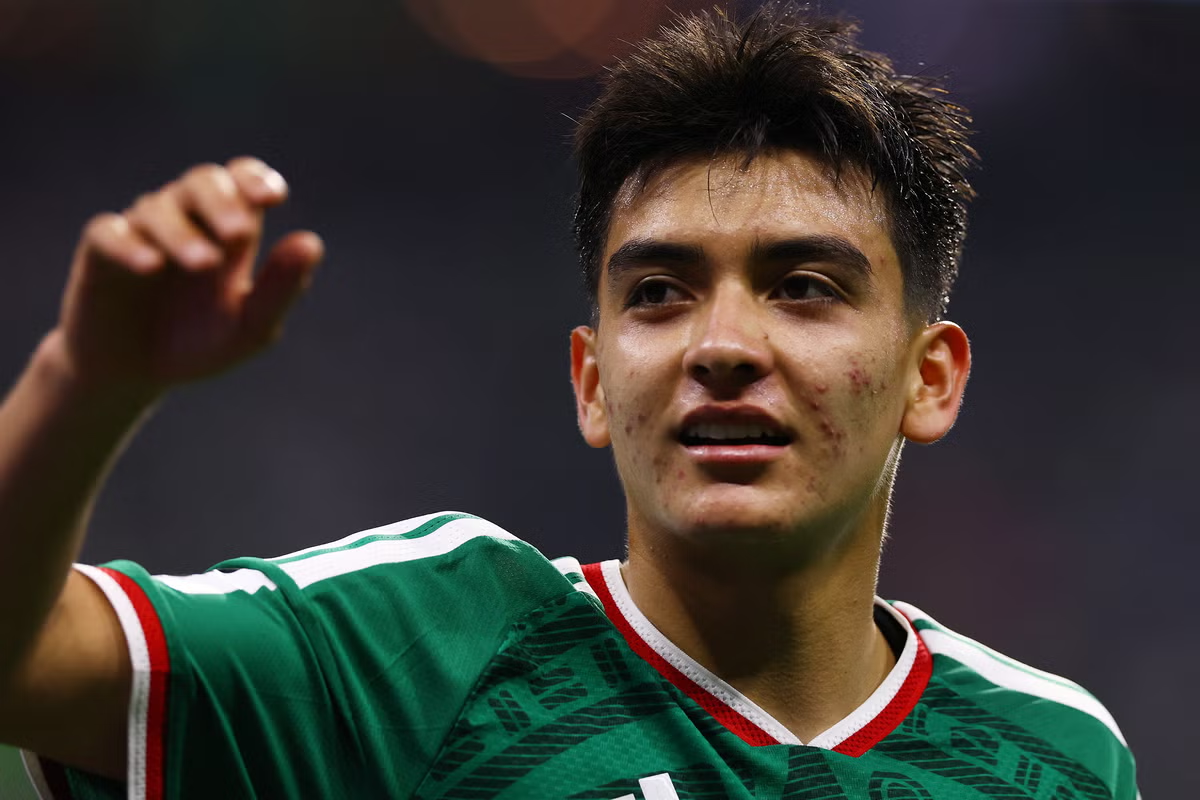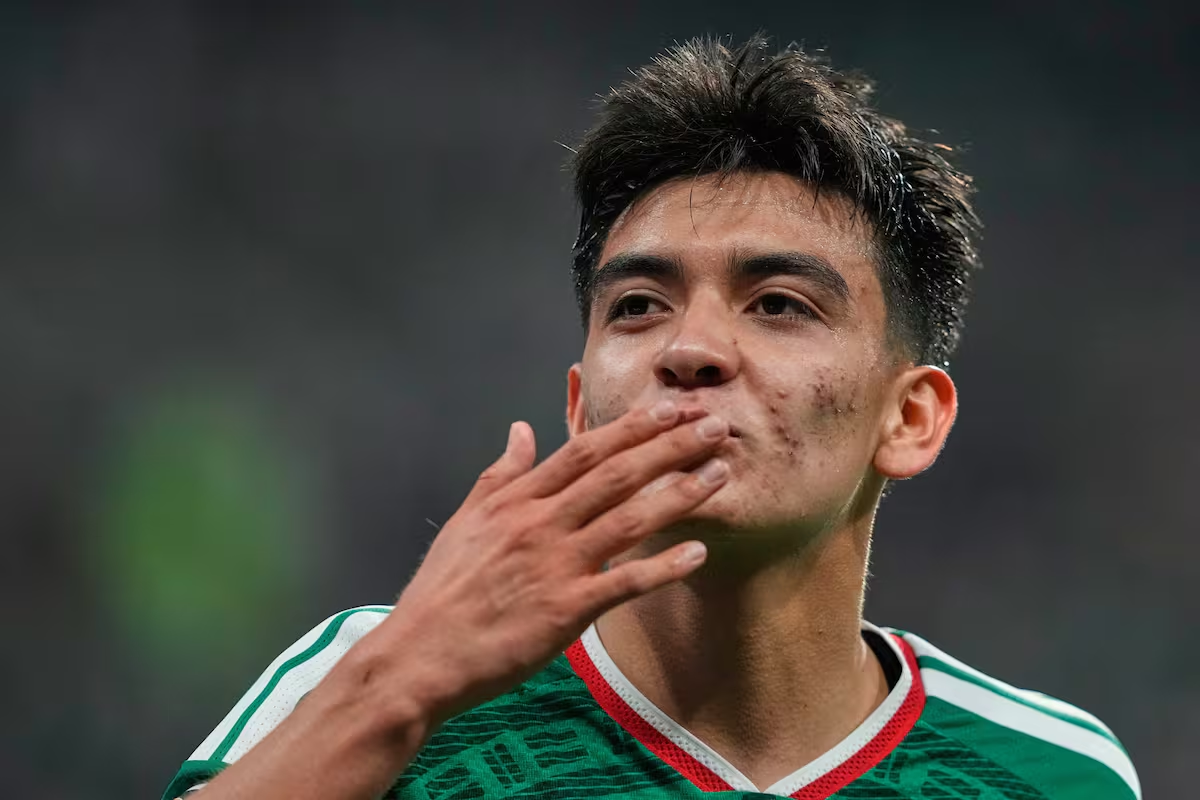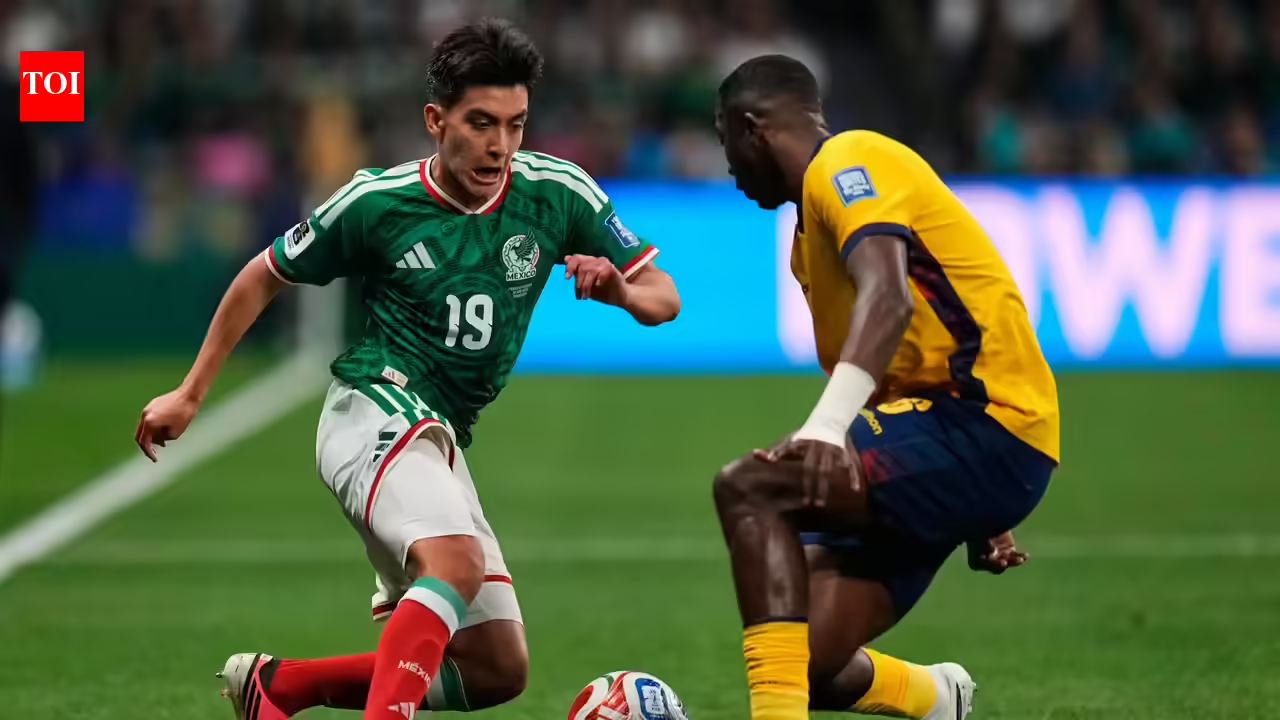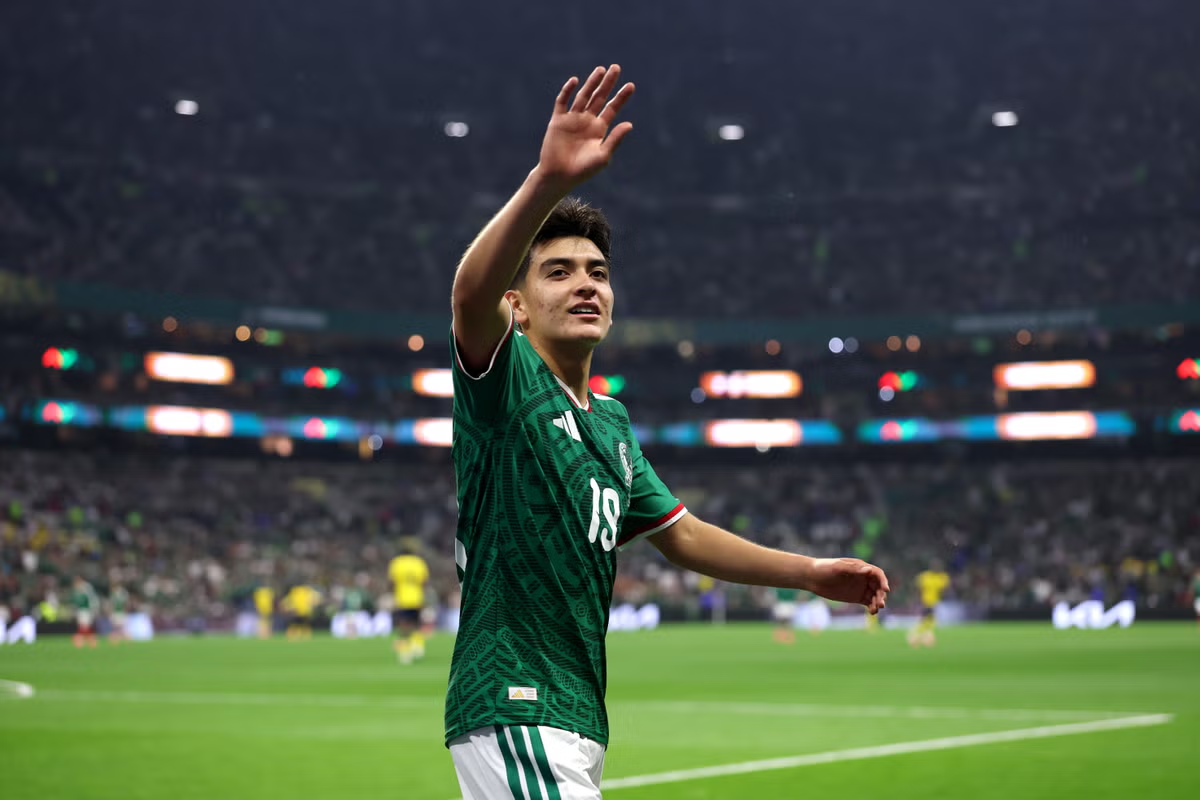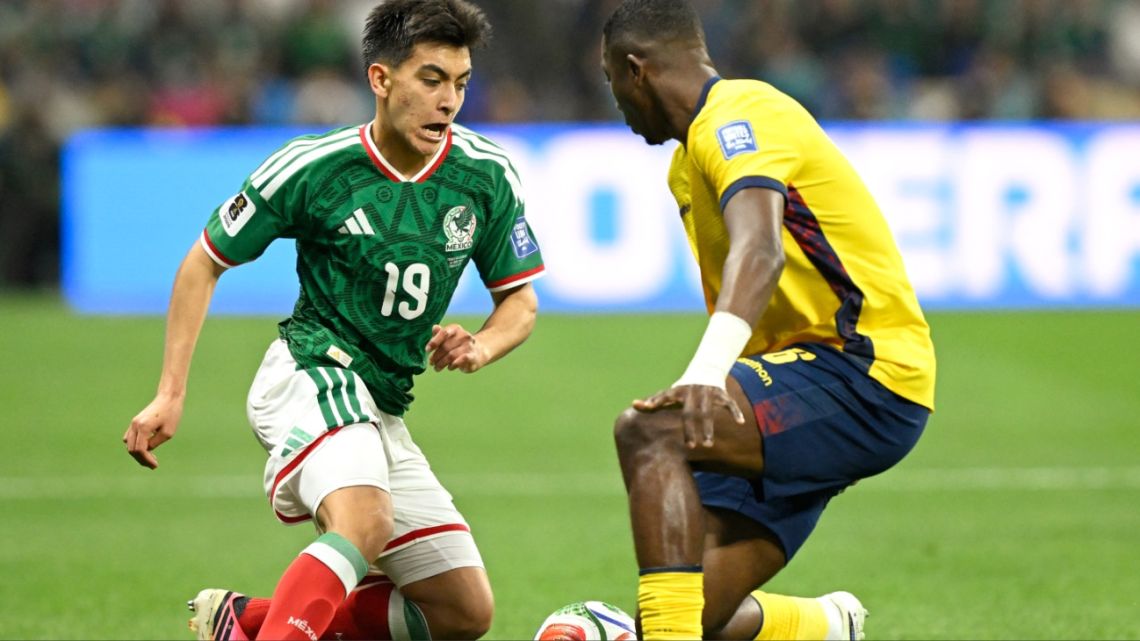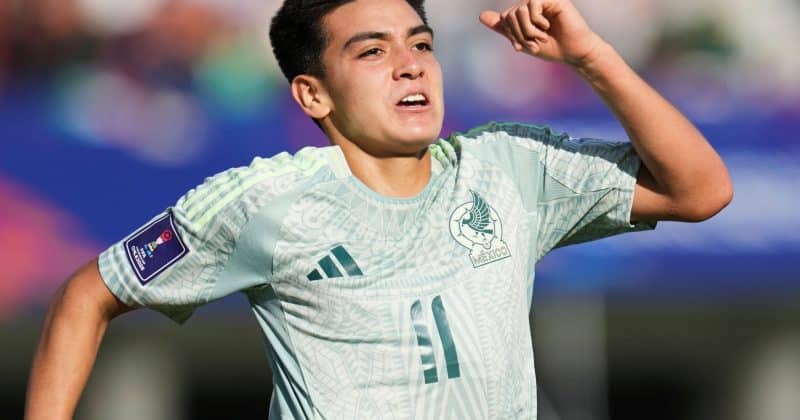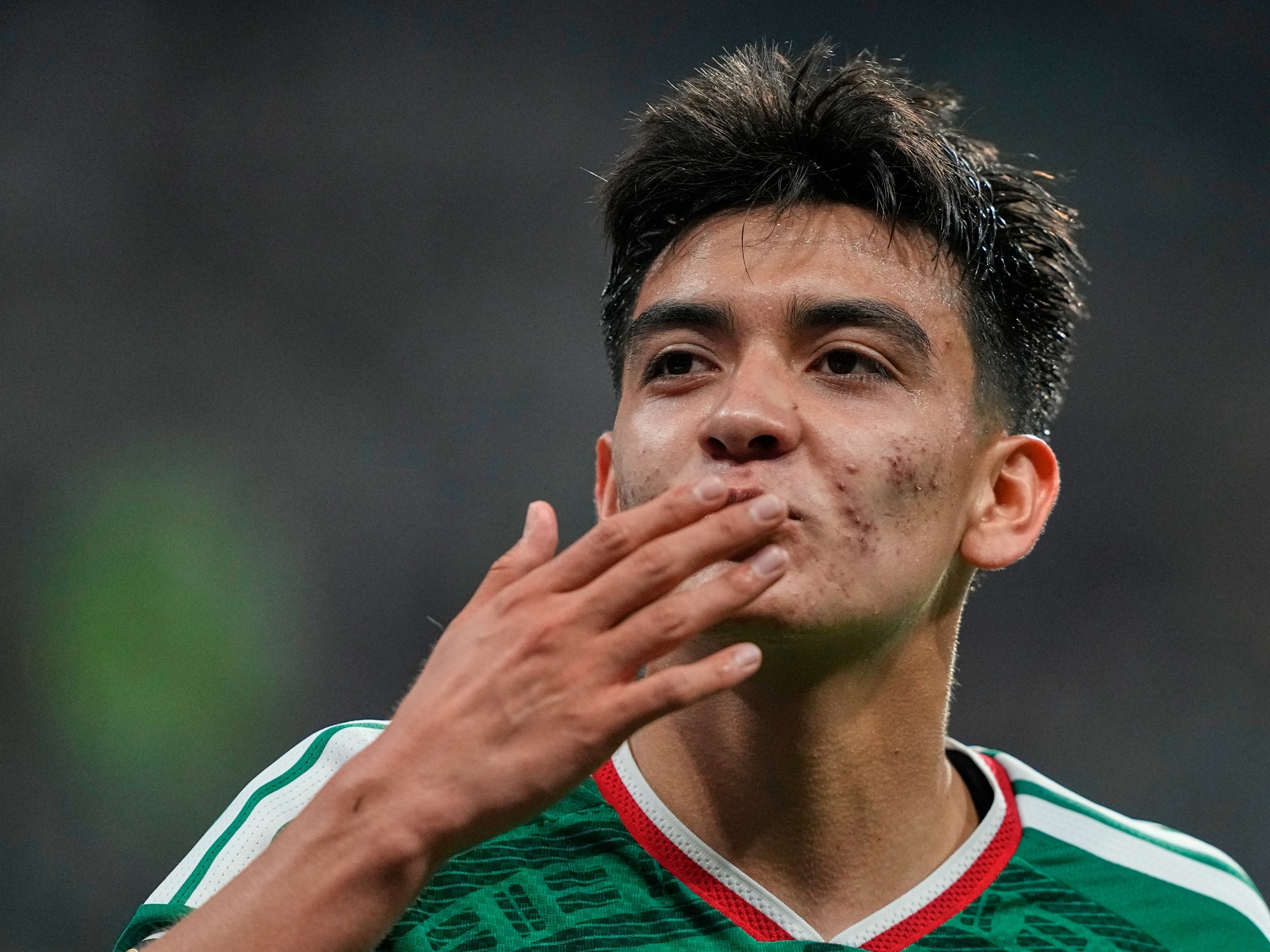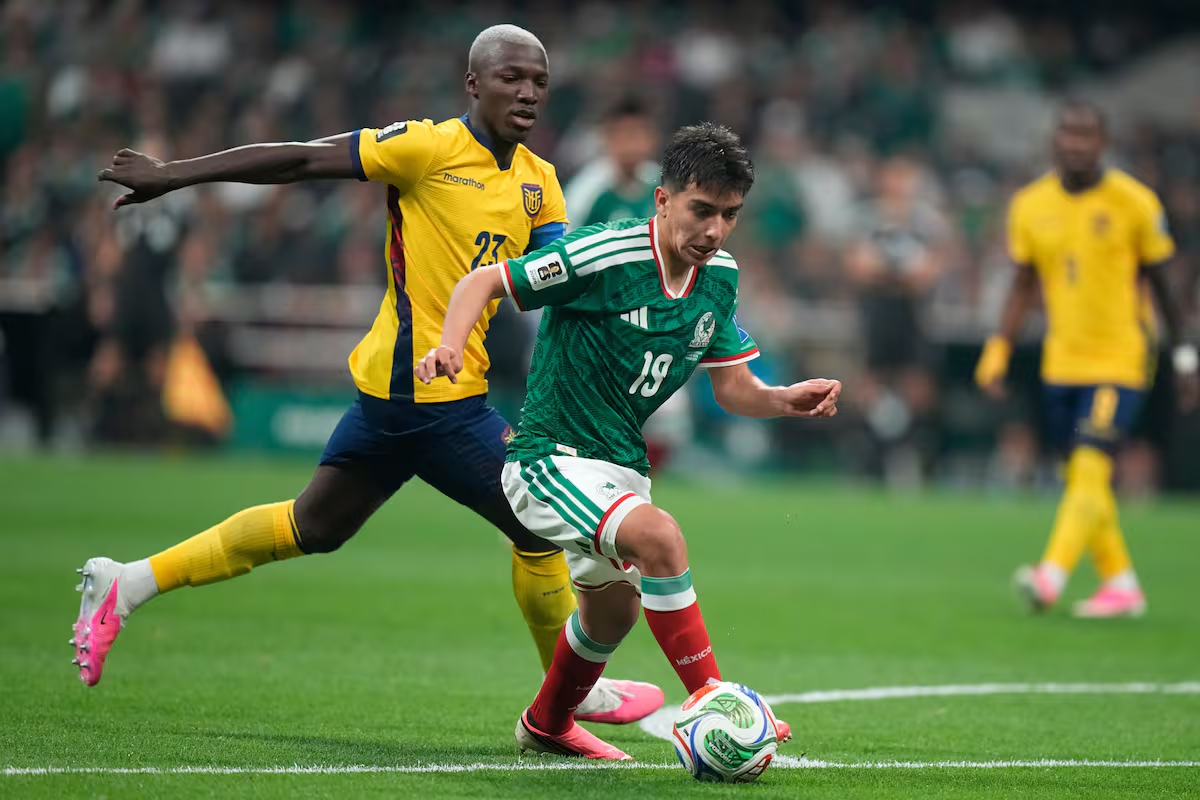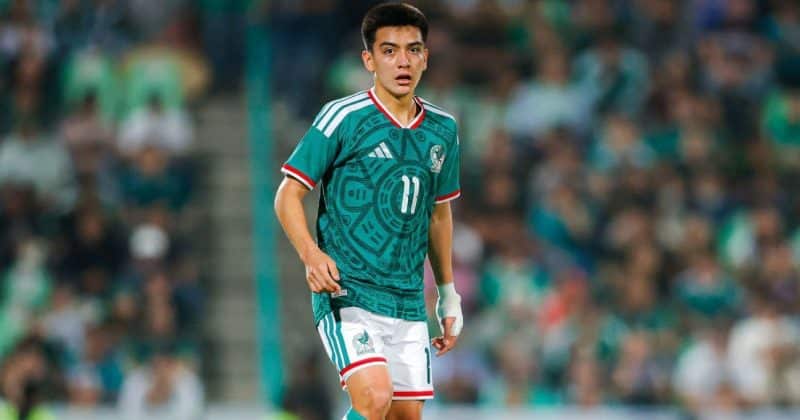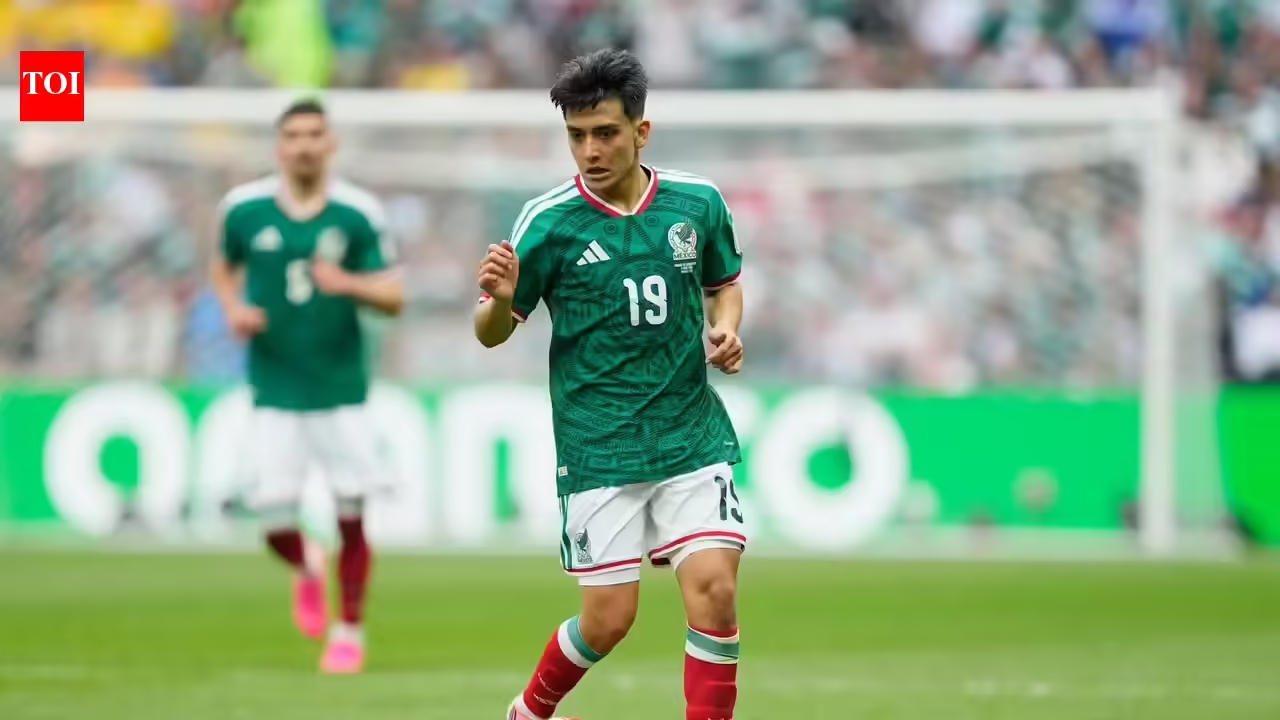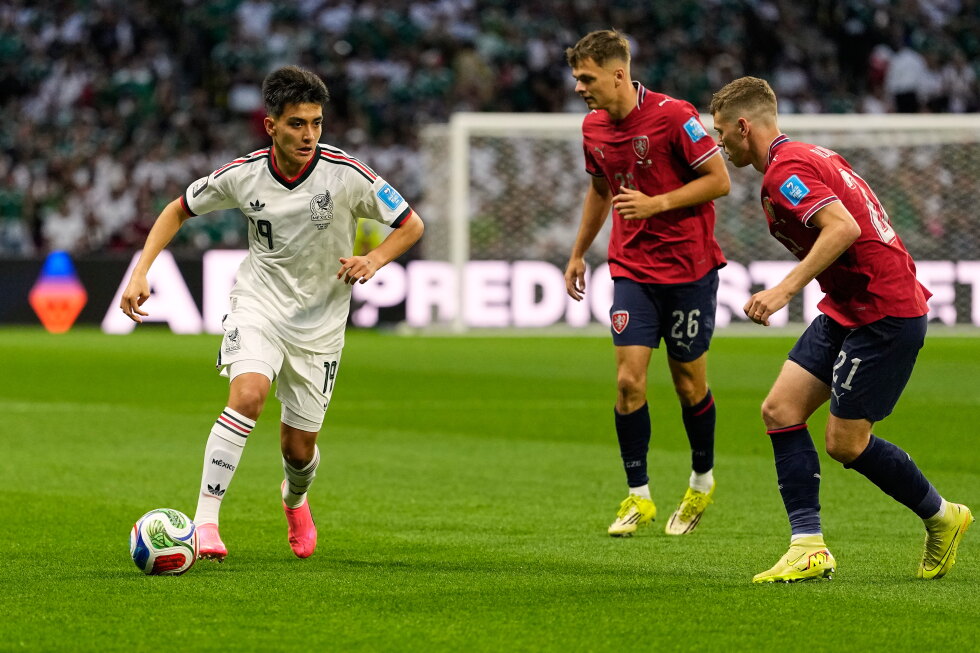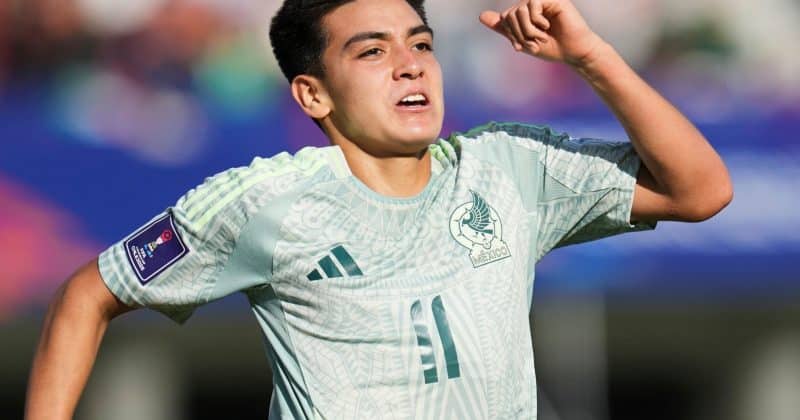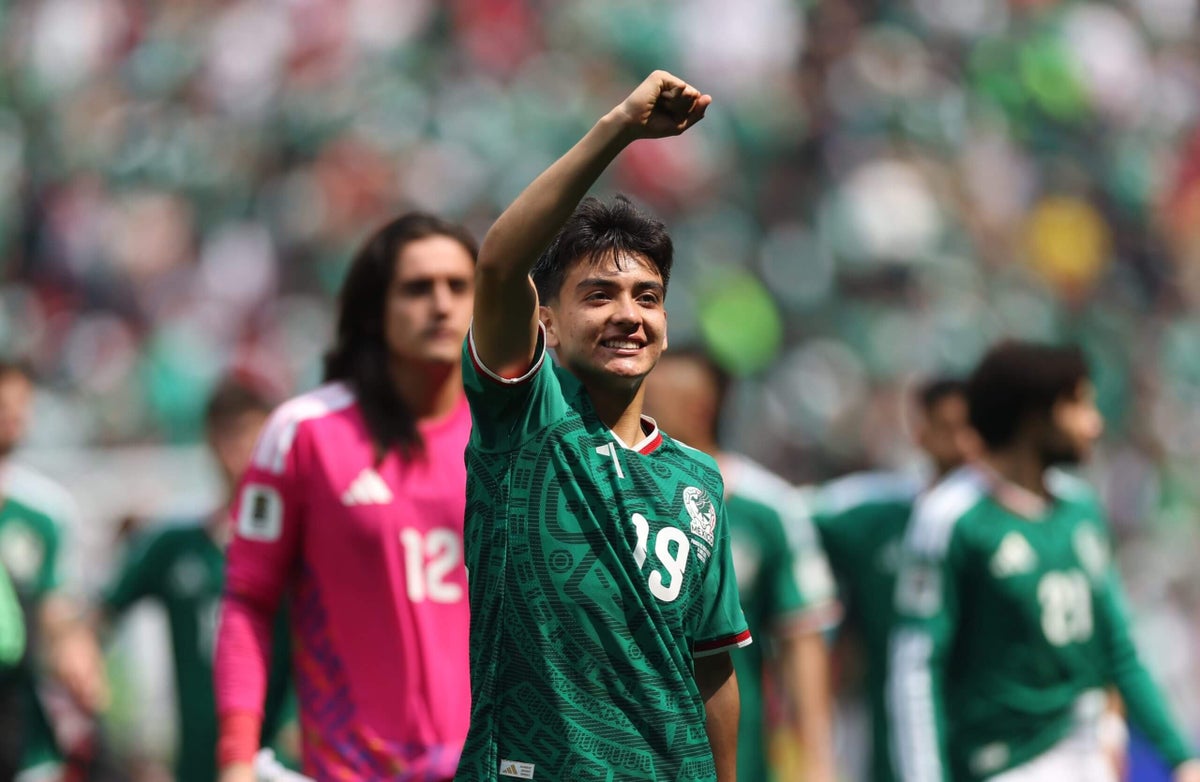
Mexico could hardly have dreamed of a better start to their ‘home’ World Cup. One of just three teams to qualify from their group with the maximum nine points — alongside France and Argentina — the co-hosts welcome Ecuador to the cauldron that is the Estadio Azteca in the round of 32 on Wednesday. Should they win, they will remain at their iconic stadium, to face either England or the Democratic Republic of Congo for a place in the quarter-finals. Manager Javier Aguirre has largely relied on experience in forward areas so far; the average age of their five goalscorers at the competition is just over 29.3 years old. But after another glittering cameo from Gilberto Mora in their 3-0 win over Czech Republic, the country knows they have a wildcard in their ranks.Mora is the youngest Mexican to ever pull on the national team jersey at a men’s World Cup. Still only 17, he breezed around midfield with the confidence of a player who has done it all before — floating into spaces between the lines, demanding the ball and teasing passes into the box.It is rare to see a player so young command such authority on a daunting stage, but Mora has made a habit of defying his tender years.Ahead of what could be another special night in Mexico City, The Athletic spoke to some of those closest to Mora to discover how he has made the leap.Mora was born on October 14, 2008 — more than two decades on from the Estadio Azteca’s last World Cup knockout game in 1986. But the magnitude of Wednesday’s clash with Ecuador will not be lost on him. Like most of his generation, he grew up watching European football, particularly La Liga and the Premier League. But Mora also enjoys digging through the archives, eager to learn from the greats, holding special admiration for history’s mavericks and cult heroes. One such player is Jorge ‘El Magico’ Gonzalez, a mazy dribbler for El Salvador renowned for the creativity and freedom with which he played during an international career that ran from 1976 to 1998. Stepping out beneath the Azteca’s bowled roof to represent his country, where both Pele and Diego Maradona have lifted football’s biggest prize, Mora has already walked in the footsteps of those he reveres.Even before he developed a conscious appreciation for football, Mora’s life revolved around the sport. He was born in the city of Tuxtla Gutierrez, tucked away in Mexico’s most southeastern state, Chiapas, while his father played for the local side of the same name. He was barely six years old when the family packed up and moved to the city of Tijuana, nearly 2,000 miles away.But that is where Mora has remained ever since, as his father retired and subsequently joined Club Tijuana’s coaching staff. He signed a new contract with the Mexican top flight club earlier in June.As a toddler, Mora would sometimes play in the dressing room with the children of other first-team players, already beginning to kick a ball around. In the years that followed, as his family tried to enroll him into new schools, Mora had only one condition; if they would allow him to bring his ball to play with at break times, then he would go.“I always say, if you are really a player, then you sleep with the ball,” says Mora’s agent, Rafaela Pimenta, in an interview with The Athletic. “The ball is there, the ball is your best friend. That’s exactly how ‘Gil’ was as a child, and it’s how he is now.”Mora is the youngest player competing at this World Cup (Luke Hales/Getty Images)Practice was beginning to pay off, and as Mora continued to grow, his mastery of the ball started to shine. He would hang around Tijuana’s training facilities while his father coached, always up for a game with some of the older kids. By the time he formally joined the club’s youth system at the age of 10, he immediately stood out as one of the best players.Jorge Alberto is the owner of Club Tijuana, and has been close to both Mora and his father throughout their respective careers.“Even when Gilberto was training with older players as a teenager, there were moments that you could see he processed the game differently,” he tells The Athletic. “Coaches would come back from sessions talking about the weight of his passes, the timing of his decisions, the calmness he had under pressure.
Gilberto Mora’s stunning rise to become Mexico’s ‘joy’, youngest player at World Cup 2026
At just 17 years old, Mora has already made a stunning rise to stardom. Those who have followed him explain what makes his talent so special
2,119 words~10 min read