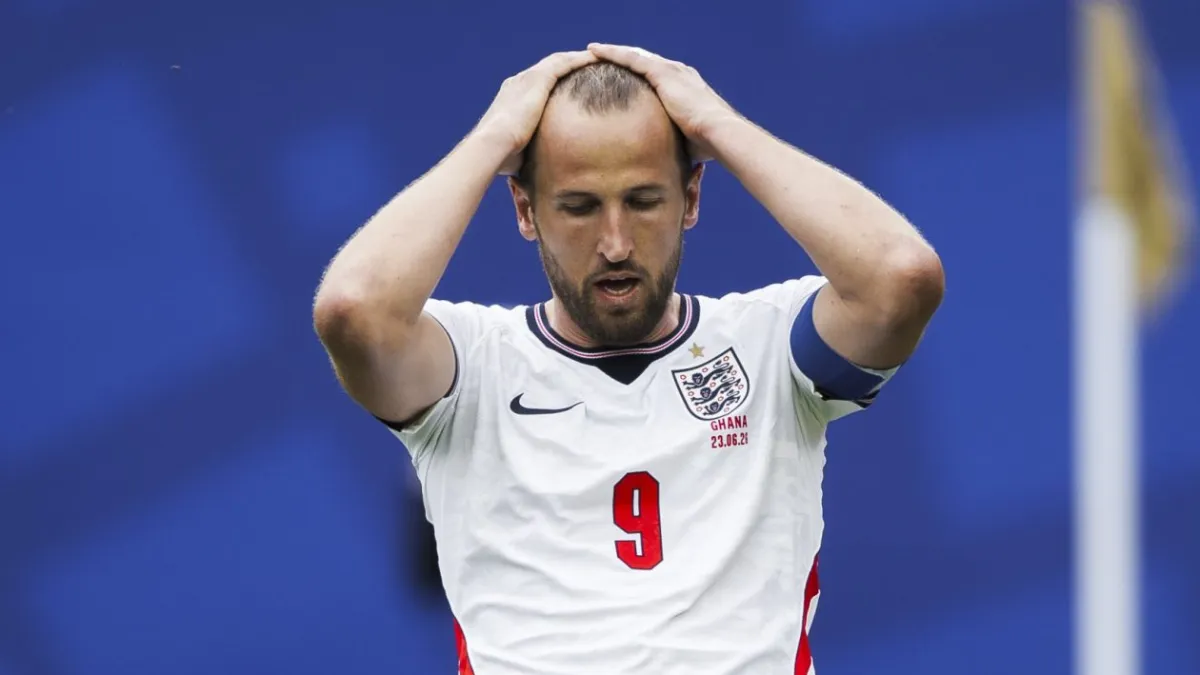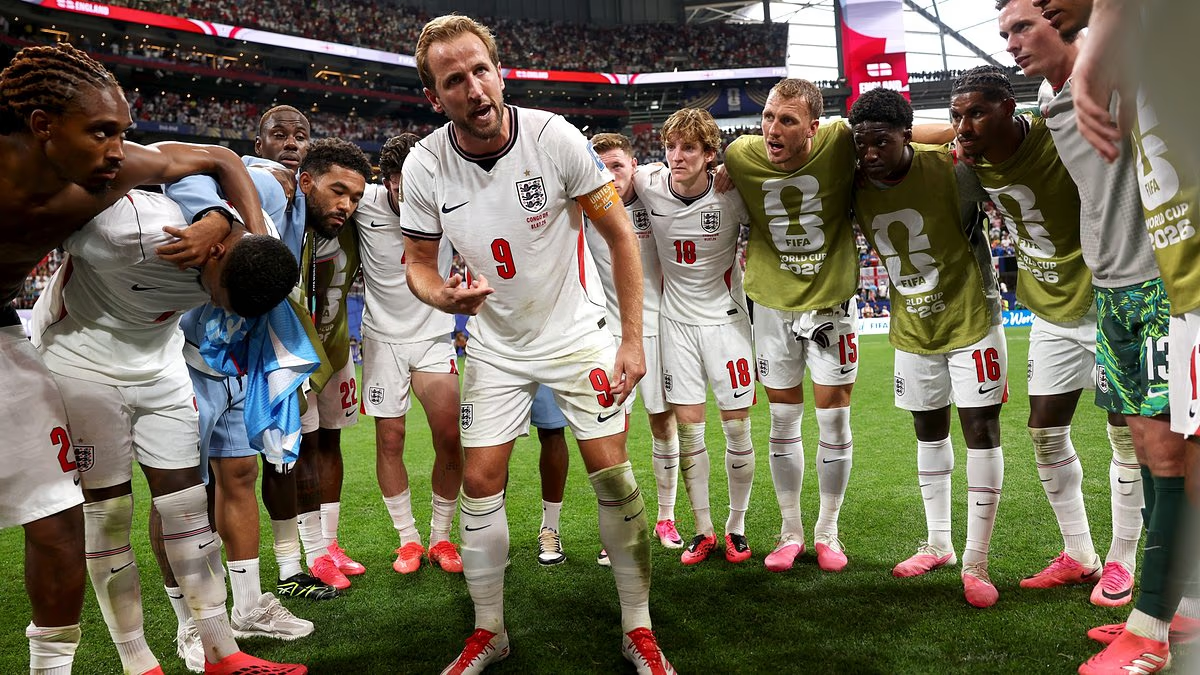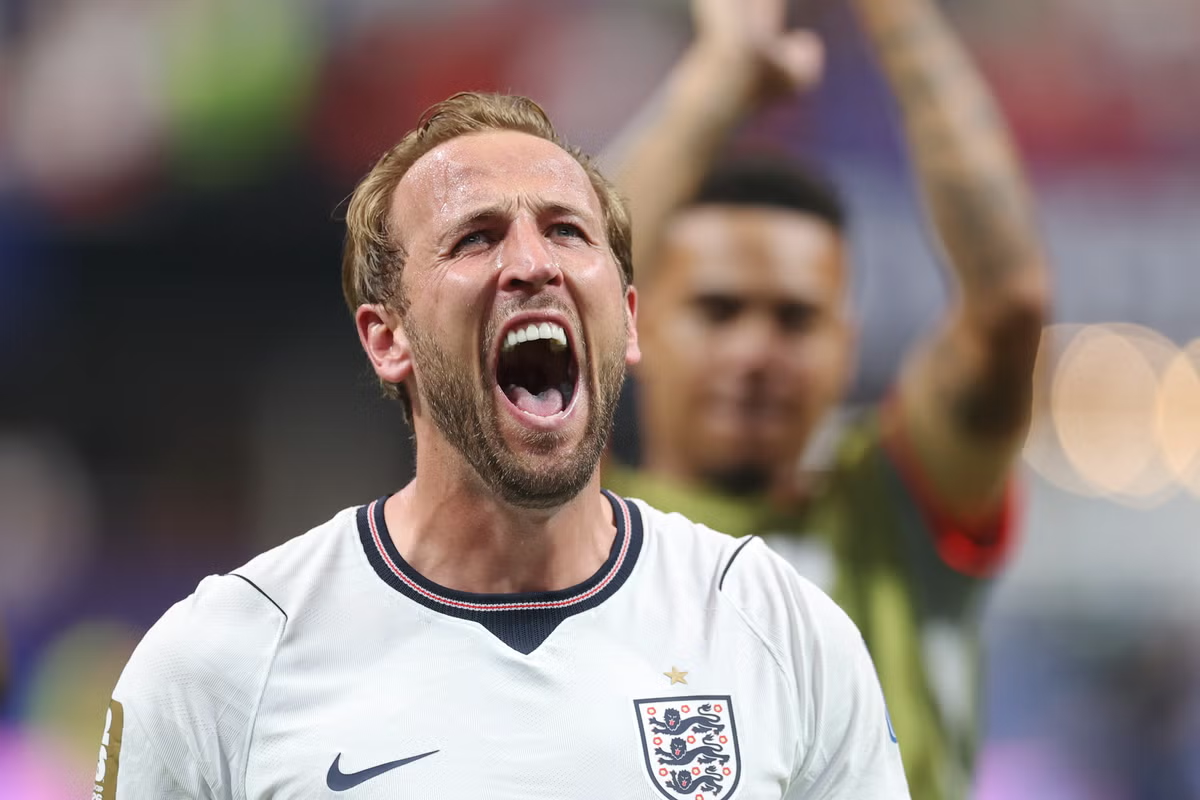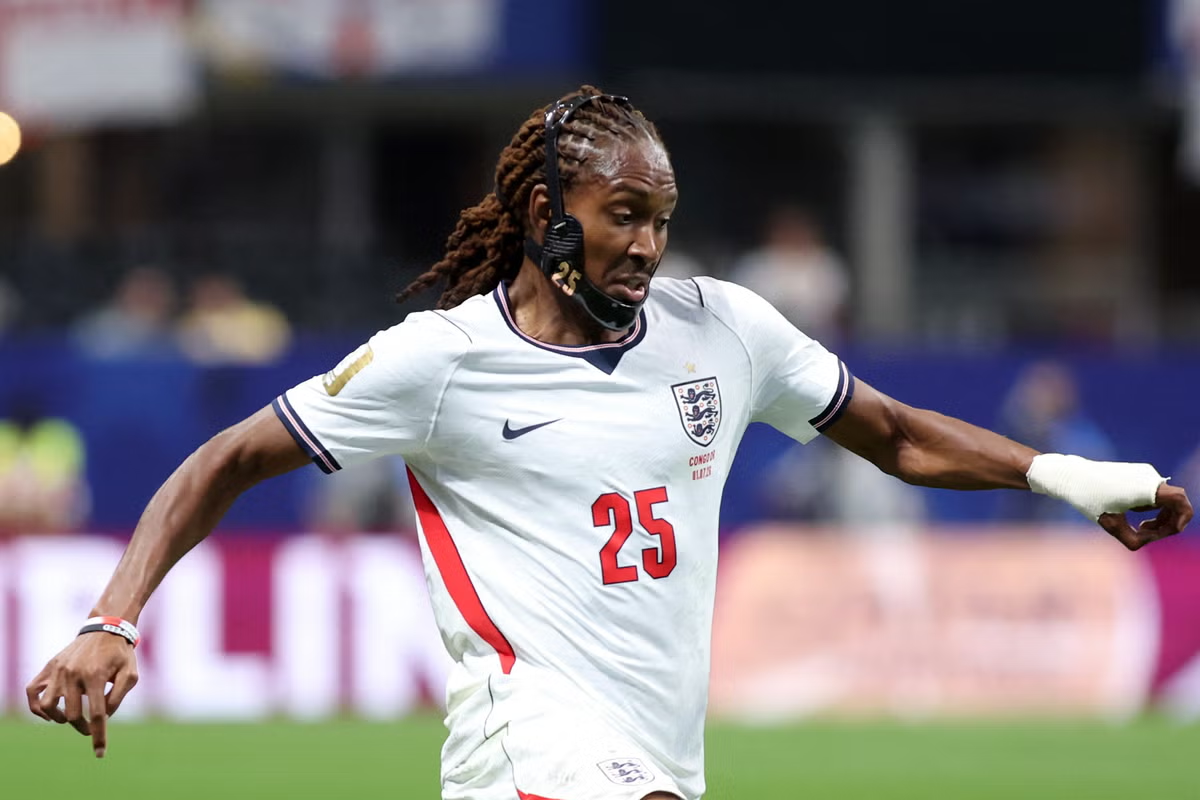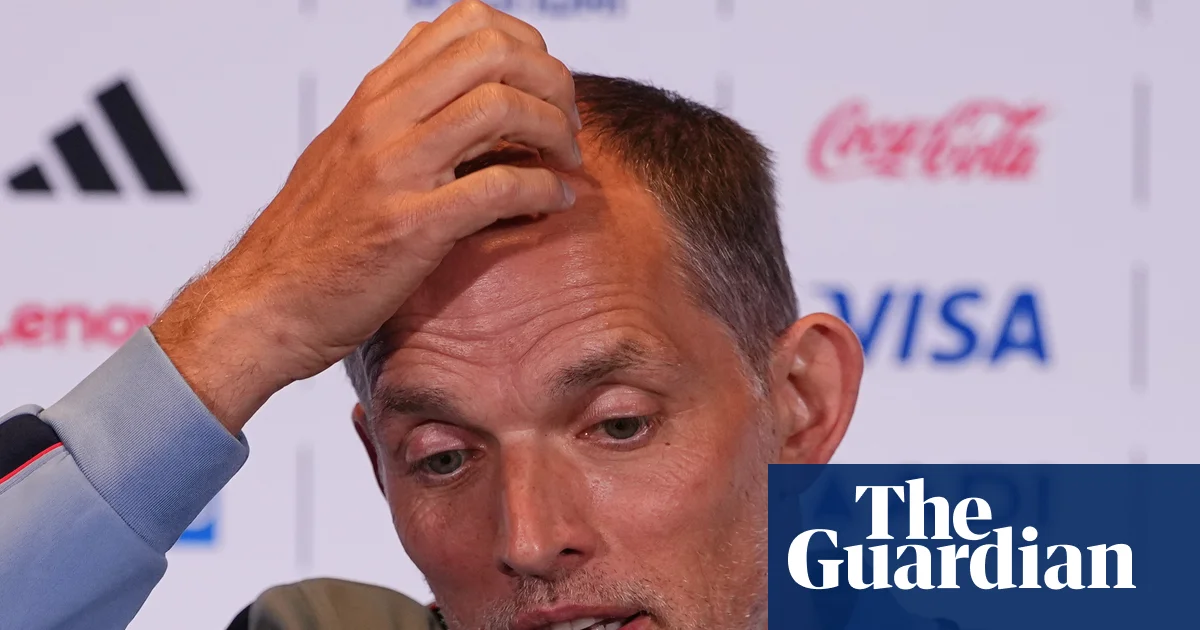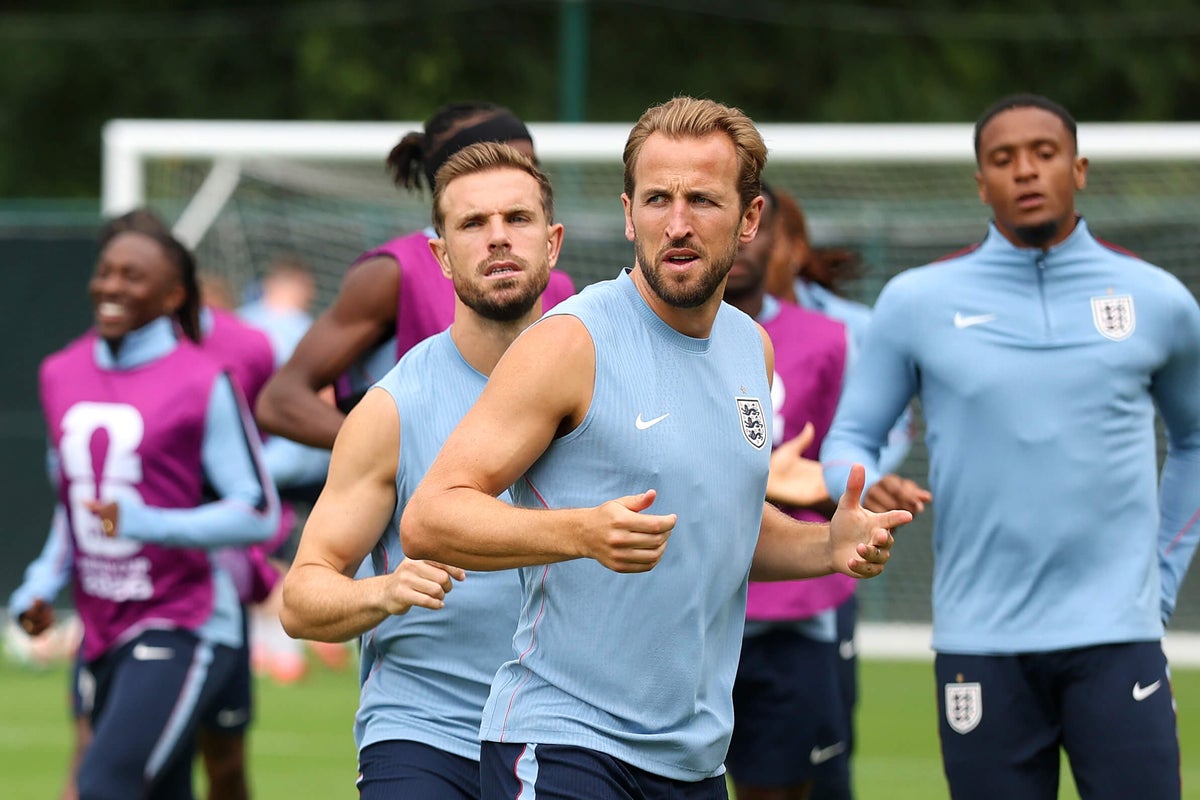
England’s World Cup starts in earnest tomorrow.After three group-stage displays which delivered varying degrees of excitement and competence, the ‘serious’ stuff comes in the round of 32 against DR Congo in Atlanta.Last week, we asked you to submit questions for our England correspondent Jack Pitt-Brooke ahead of the tie — and thanks to everyone who did.There wasn’t time to respond to them them all, but here are Jack’s answers for a selection. Paul A: Why does Tuchel insist on the full-backs inverting all the time? It seems odd against low block teams where width and movement, such as overlapping runs, are key to opening up the opposition. Also, why not switch the wide players at times so they are trying to go on the outside, rather than continuously cutting inside, where the other team are in numbers?Really interesting question, Paul. I certainly agree that England can look a bit fixed in their patterns at times, although I think part of the issue here is player availability. England simply do not have a good old-fashioned natural attacking left-back, and so whatever they do on that side is going to involve cutting back inside. Nico O’Reilly does at least make more dangerous off-the-ball runs there than Djed Spence, who always just wants to cut back in.In theory, I think England have more conventional width down the right, but injuries and selections have neutered that too. They had a converted centre-back (Jarell Quansah) there against Panama and I would not be shocked to see another (Ezri Konsa) there at some point in the knockouts.Regarding old fashioned wide wingers, England do see the value in that. They know that an inverted winger cutting in to shoot is often going to run into a low, compact block. Which of course is what kept happening in the 0-0 draw with Ghana in Boston. And they do really rate Noni Madueke’s capacity to go either side, seeing him not only as someone who cuts in but a dangerous weapon when going down the outside, too.Bobbb B: In the last two games Kane hasn’t been involved much at all in our general play. He hasn’t been dropping deep and spreading it out to the wingers, after doing this loads against Croatia. Do you think this is deliberate? Either tactical or to conserve energy for the knockouts? It seems very strange, as I thought our whole squad was built around Kane basically playing as a No 9 and a No 10.Yes, I couldn’t quite understand this in the Panama game. Against Ghana there was almost no space for him to drop into, and he was really well marked throughout. But against Panama I thought it would make sense, especially with England so keen to shift the ball out quickly to Bukayo Saka and Marcus Rashford, who were high and wide. Early on, Kane tried to do that, driving a diagonal out to Saka, but it flew out of play and Tuchel did not look happy.But if Tuchel wants Kane to stay as a fixed No 9 — as some managers do — he is risking losing out on England’s best creative midfielder there. It is not as if Tuchel has many other brilliant creators to choose from!Is Harry Kane getting involved enough? (Al Bello/Getty Images)Jack C: I like Anderson but I am not sure he has the discipline to play as a defensive midfielder. How do we make sure we don’t get overrun in midfield?I like Elliot Anderson, too, and I think he made the most of a difficult job in the Panama game. He’s obviously been brought into the team to operate alongside Declan Rice as a ‘double six’, to facilitate Rice making the most of his energy and athletic forward runs. (That is the theory, although we have not seen much of it in practice this World Cup so far.) The England coaching staff don’t want Anderson to be a fixed pivot, they want him to be a modern No 6, always on the move and joining in with the game, which he is very good at.
England World Cup mailbag: Tuchel’s tactics, Kane’s role and are we back to ‘stodgy’ Southgate?
Would Bukayo Saka be better at left-back? Does Tuchel really not have an answer to low blocks? We answer your England questions
1,518 words~7 min read