See more Daily Mail on Google - save us as a Preferred SourceBy MATT STRUDWICK, SENIOR NEWS REPORTER Published: 11:25 BST, 30 June 2026 | Updated: 11:26 BST, 30 June 2026
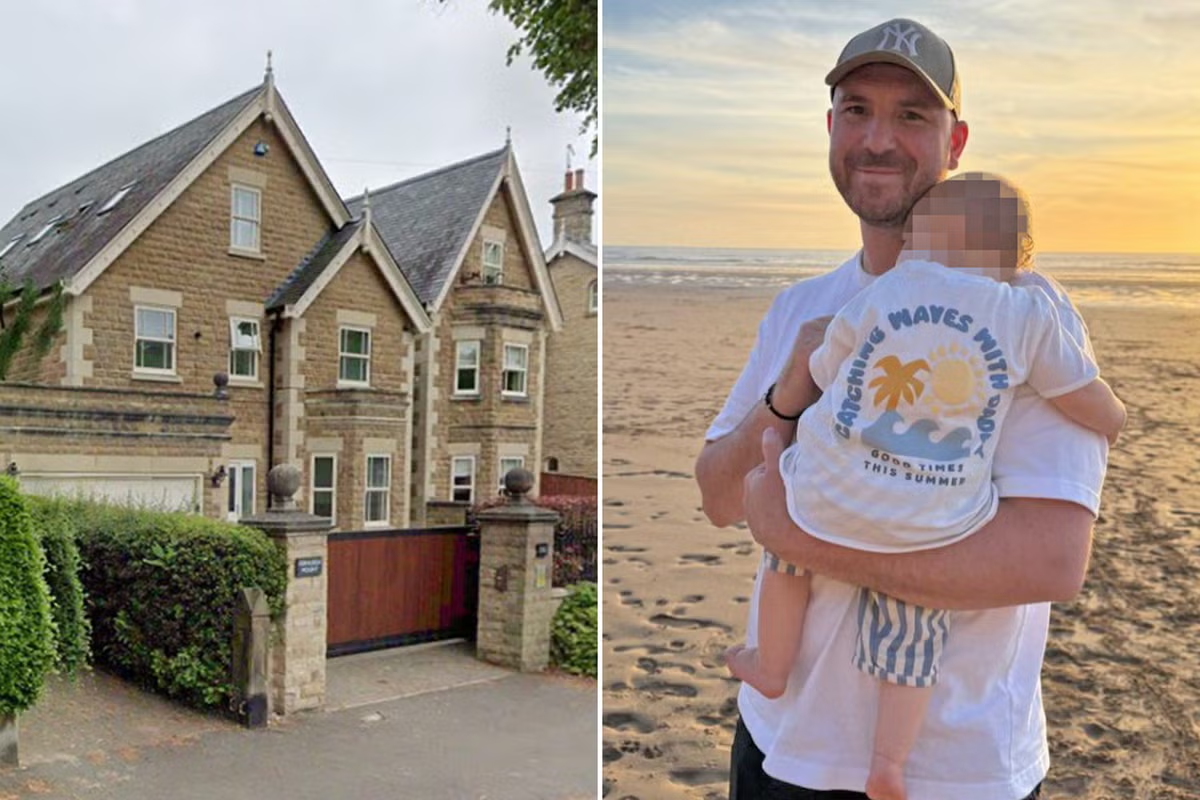
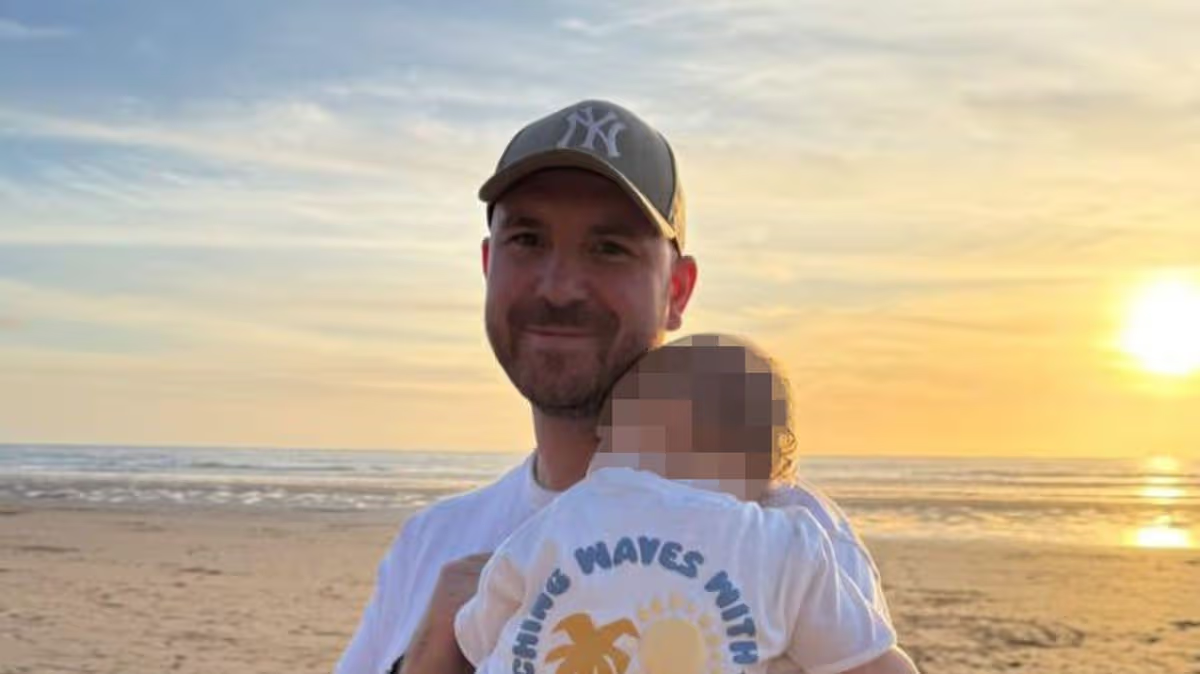
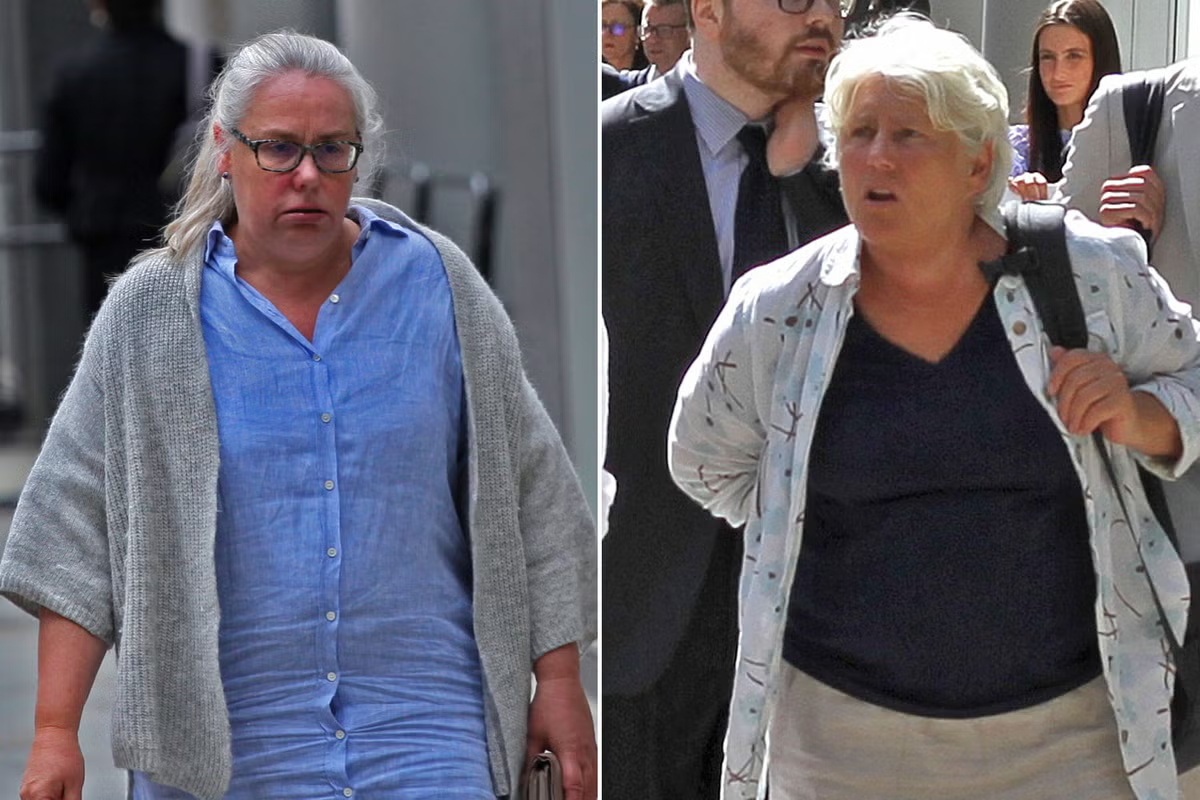
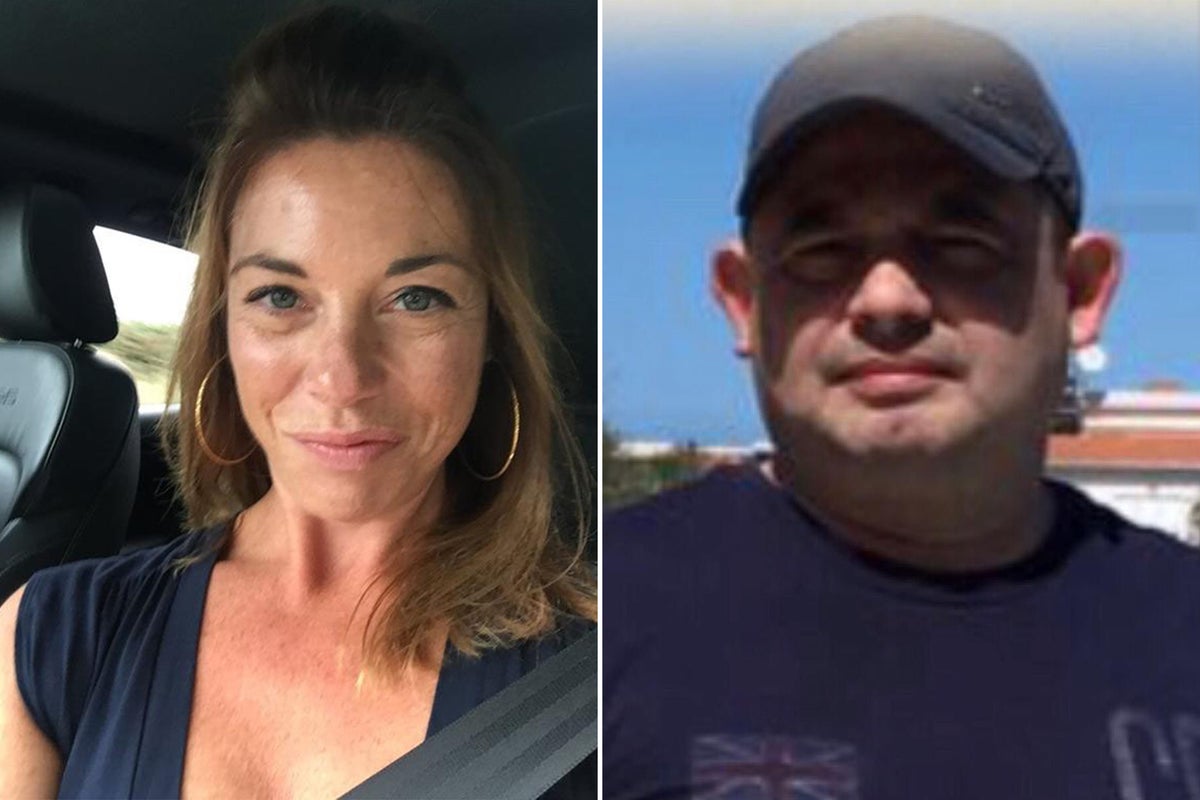
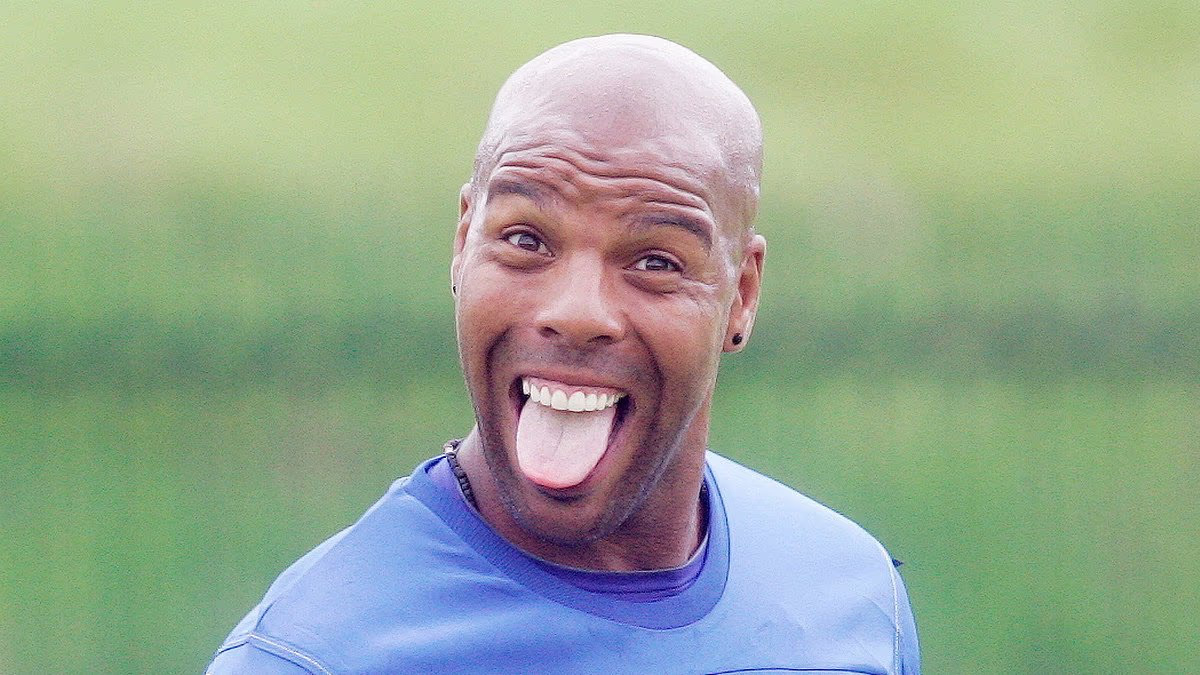
Former Premier League footballer Marlon King has won a bitter court fight with his siblings for a share of their late father's £650,000 estate. The former Watford, Wigan and Sheffield United striker sued his half-brother Marvin and half-sister Leisha after their dad Carl Vincent King cut him out of his will. Mr King had written a clause into the document that his ex-professional footballer son 'should receive no part of my estate'. But Marlon will now receive a third of his father's fortune after a judge last month ruled in his favour that the will had not been properly signed by witnesses. Marvin, who was designated the executor of the will, has also been ordered to pay two-thirds of his brother's costs to bring the claim - assessed as £17,066.94. Speaking after the hearing, the 37-year-old criticised Marlon for 'showing up to take a third of everything'.He said: 'You're a multi-millionaire, you didn't come to his funeral, but you'll show up to take a third of everything.'Honestly, to this day, I can't understand it.' Former Premier League footballer Marlon King has won a bitter court fight with his siblings for a share of their late father's £650,000 estate The former Watford striker sued his half-brother Marvin (pictured right) and half-sister Leisha after their dad Carl Vincent King (pictured left) cut him out of his willThe will had said the estate of Mr King - who died in March last year - should be divided between Marvin and Leisha.Under a clause titled 'intentional exclusion', it read: 'I have deliberately excluded my son Marlon Francis King (hereinafter referred to as "the Excluded Person") from this my Will and it is my intention that the Excluded Person should receive no part of my Estate.'However, Marlon took legal action in the belief the document was invalid.Last month, a judge at Manchester Civil Justice Centre ruled in the 46-year-old's favour, concluding that the contents should instead be divided three ways.Under section nine of the Wills Act, two witnesses must be in the presence of the person making the will at the same time as when they sign it.But one of the two witnesses, Karen Jones, confirmed to the court she did not sign the will correctly in accordance with the law.The court also received a letter from solicitors Awdry Law stating that the other witness, Bianca Lilley, had confirmed she did not attest the will in accordance with the requirements.Marvin added: 'I had no idea that that was the situation - she [Karen Jones] made a statement saying she didn't sign it in front of my dad.'I want a lot of people in my demographic to know that you've got to follow the law to the tee, because something like this could happen.'Marlon made 66 Premier League appearances over a 15-year career. He also played 24 times for the Jamaica national team.He attracted controversy away from the pitch, including serving several jail terms.Marlon said he had notified his brother that he was unable to attend the funeral and had never asked to be included in the will. Marvin (right), pictured with Marlon (left), has criticised his sibling for 'showing up to take a third of everything'He added: 'I have every single bit of evidence which went in front of the court.'I'm sure you have asked necessary questions to how the outcome was what [it] was and I definitely didn't want my name on anyone's will in any circumstances.'Mr King died on March 1, 2025, and the assets in his estate totalled £650,100, according to court documents.A post-mortem report stated that Mr King died following an infection after a transcatheter tricuspid valve replacement - where an artificial valve is put inside one of the heart's valves if it is not closing properly.A letter from the King's College Hospital NHS Foundation Trust confirmed that Mr King was the first patient in the UK to receive the 'specific valve' used in his operation, and that the infection 'developed rapidly and without early symptoms, making it difficult to detect'.