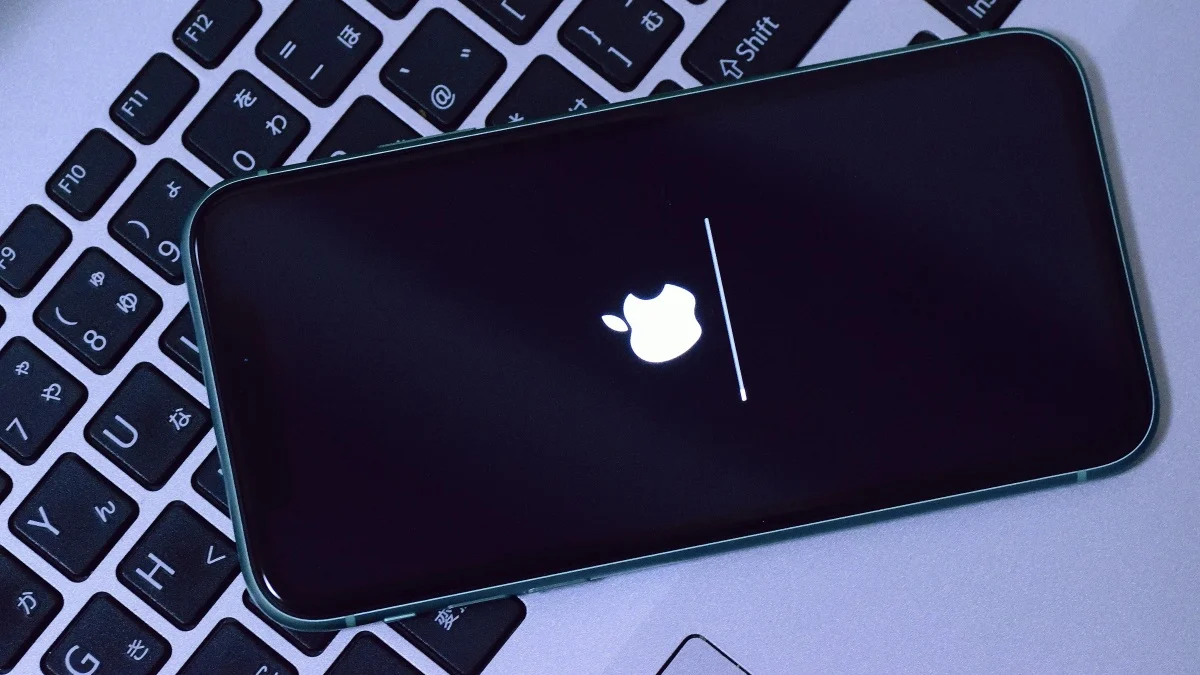
For years Apple released most of its security fixes the way it releases everything else, on a schedule, bundled into the next big version of iOS and delivered when the company was ready rather than when the flaw was found. That timetable now has a new constraint, and Apple has decided it can no longer keep to it.
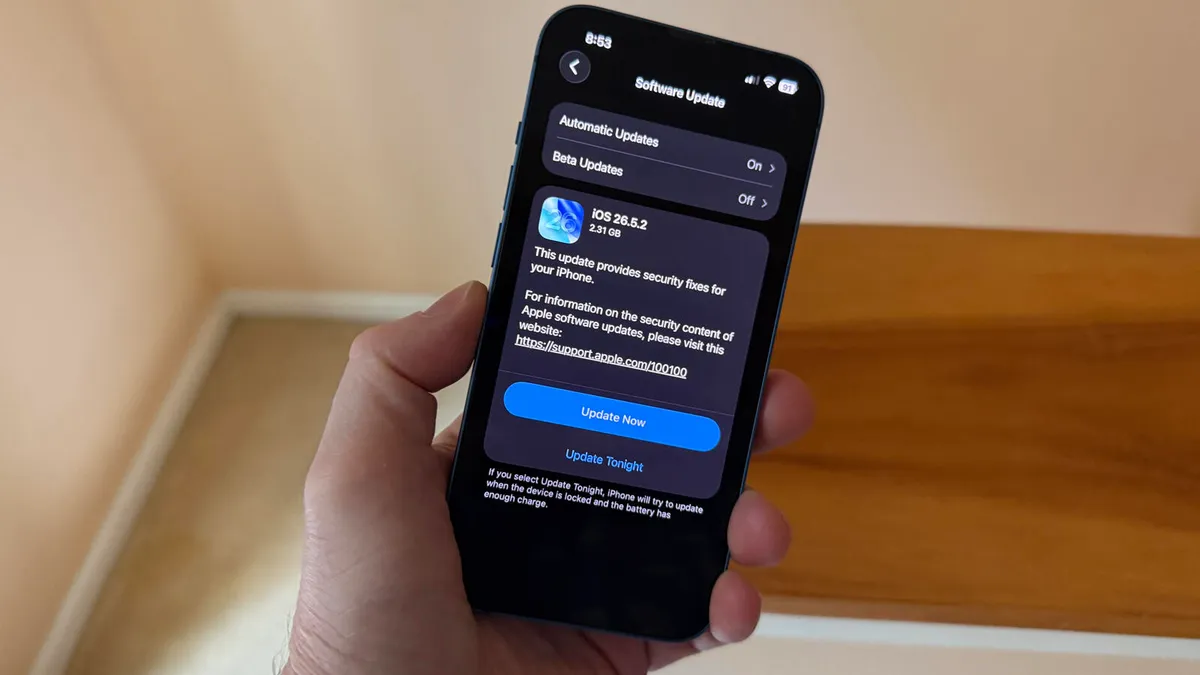
The company says it is pushing software updates out earlier than usual, breaking them out of the annual cycle, because artificial intelligence is shortening the time attackers need to weaponise a known weakness.
Apple told Reuters on Monday that it was adapting to a simple and uncomfortable reality. As AI accelerates the development of malicious hacking tools, the gap between the moment a vulnerability becomes public and the moment it is exploited has narrowed, and the company needs to compress the gap on its own side to match. The fix needs to reach the phone before the exploit does.
The change is procedural rather than dramatic, which is part of why it is notable. Apple is not announcing a new product or a new defensive technology.
It is changing the cadence of an existing one, moving fixes that would previously have travelled inside a larger iOS release into earlier, standalone updates. For a company whose security posture has long rested on tight control of timing, loosening that grip in the name of speed is a meaningful concession.