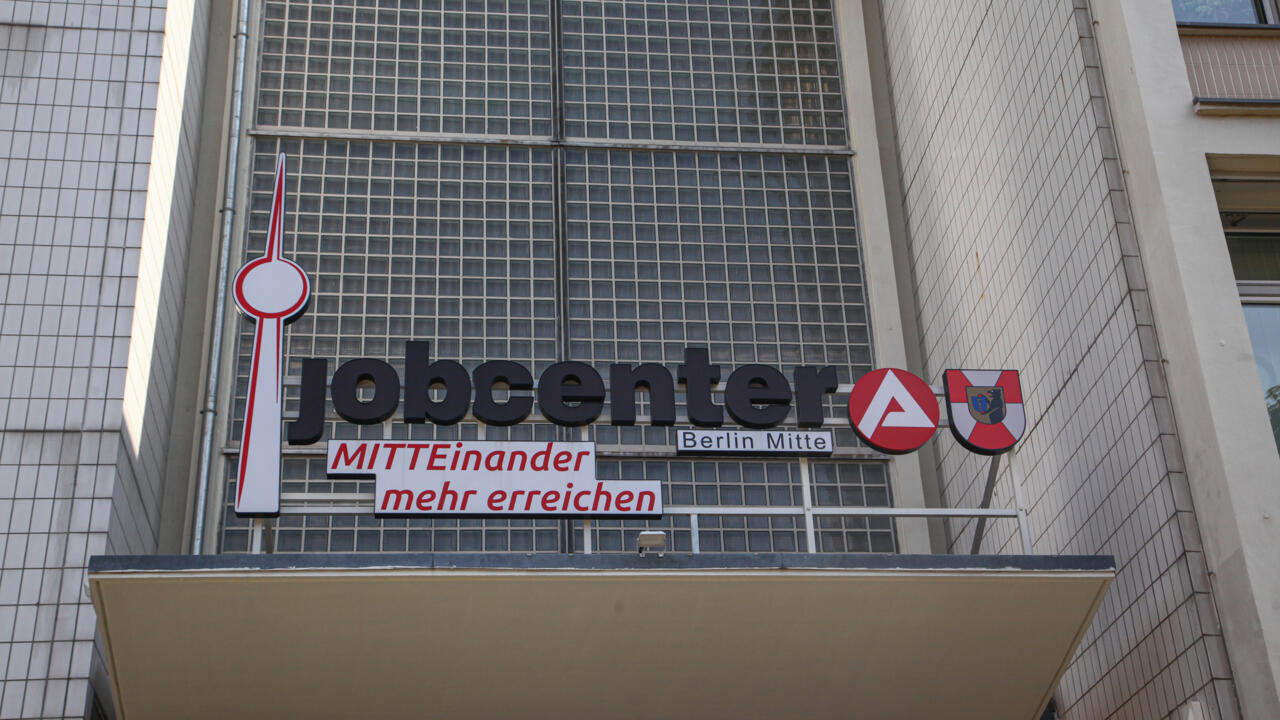
"I would very much like to continue working in research," the 38-year-old, who lives in the central city of Fulda, told AFP. "Unfortunately, that's a bit difficult because the number of positions is very limited," she said.Unkelbauer, who studied palynology -- the study of microscopic biological material found in sediment such as pollen and spores -- illustrates a growing labour market mismatch in Germany.The number of unemployed in Germany climbed to over three million in January for the first time 2015. It has since fallen a bit, to 2.94 million in June, but remains relatively high, according to official data released Tuesday.At the same time, 643,000 vacancies are registered with the Federal Employment Agency (FEA), and companies in sectors ranging from healthcare to machine-making complain about skills shortages.Many occupations face shortagesThe mismatch bodes ill for an economy already in crisis and struggling to innovate.Nationwide, employers are struggling to fill around 160 types of jobs, ranging from careworkers to plumbers, according to the FEA. These are mostly "jobs that require vocational training, whether through work-and-study programs or practical training at school", FEA head Andrea Nahles said earlier this year.
Germany's labour market dilemma: rising unemployment despite vacancies
Graduating with a degree in biology in Germany, Julia Unkelbauer thought she had done everything right. But applying for job after job since 2024 has so far resulted only in rejections.
546 words~2 min read