Claire Atkin had just touched down on the tarmac in her hometown of Vancouver, British Columbia, when her phone buzzed.Article continues after advertisement
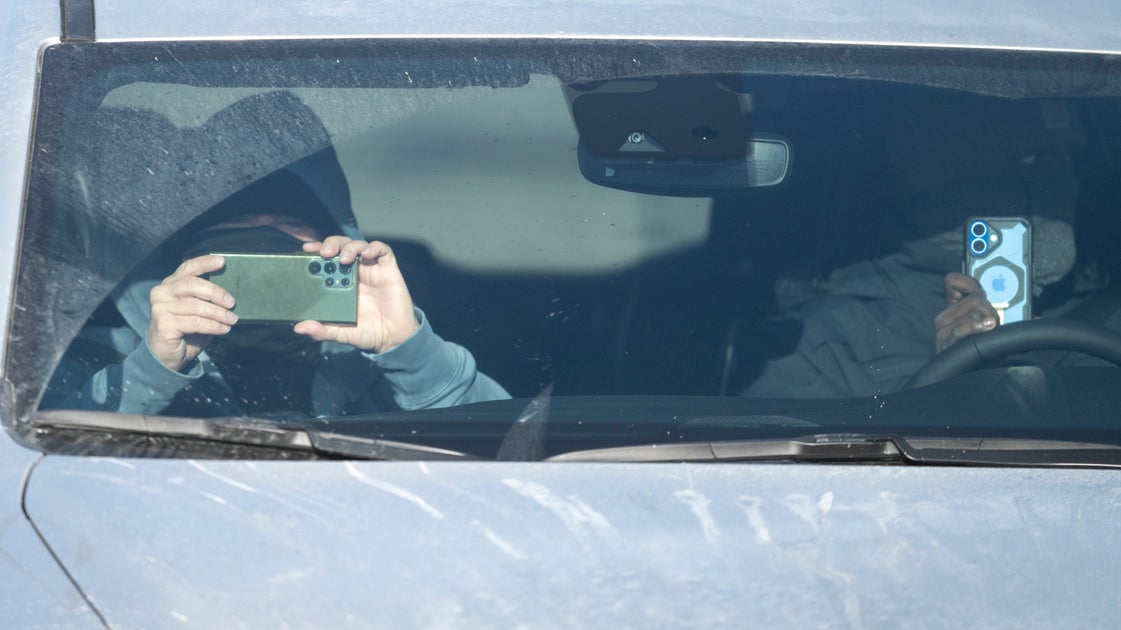
On the screen flashed a series of texts from her neighbor: There was a man outside Atkin’s apartment building. He looked to be in his mid-fifties. He was wearing a gray leather trench coat. And he was waiting for Atkin.
Atkin is the chief executive of the digital advertising watchdog Check My Ads Institute. In 2016, working in software marketing, she noticed a strange trend on her social media accounts: bizarre conspiracy theories that claimed “elites” like Hillary Clinton were harvesting the blood of murdered children or that alleged a child sex ring was being run out of a Washington, D.C., pizzeria.
The stories made no sense, but they were traveling at an extraordinary velocity. More disturbing to Atkin was that the online creators spreading these harmful lies seemed to be doing it by using the same digital advertising tools she used to sell software to businesses.
Nandini Jammi, a fellow marketer, harbored the same concerns about digital marketing technologies. In 2017 she had used an anonymous Twitter account to inform brands that their ads were appearing on the far-right news site Breitbart.com. Her campaign proved remarkably successful: The media outlet hemorrhaged 90 percent of its revenue, and the site was eventually blocked by some four thousand advertisers.