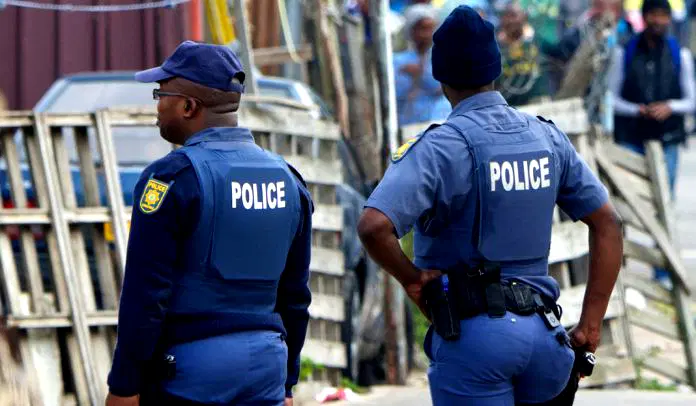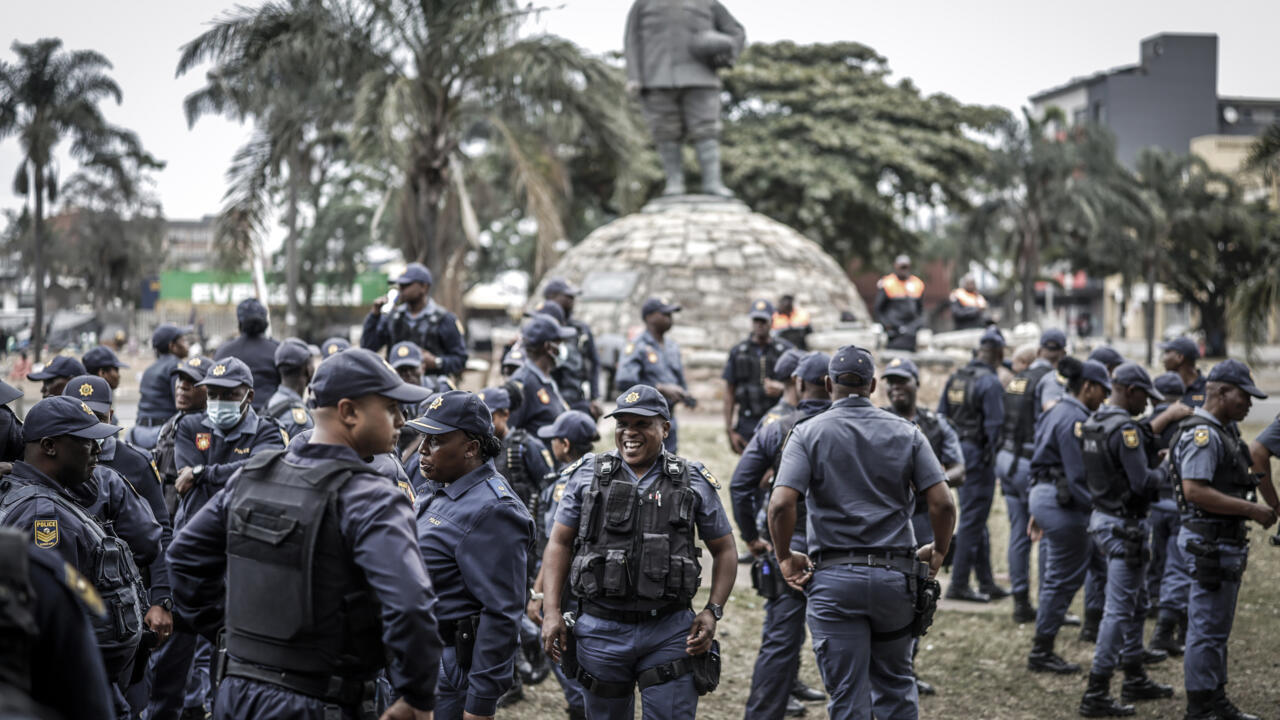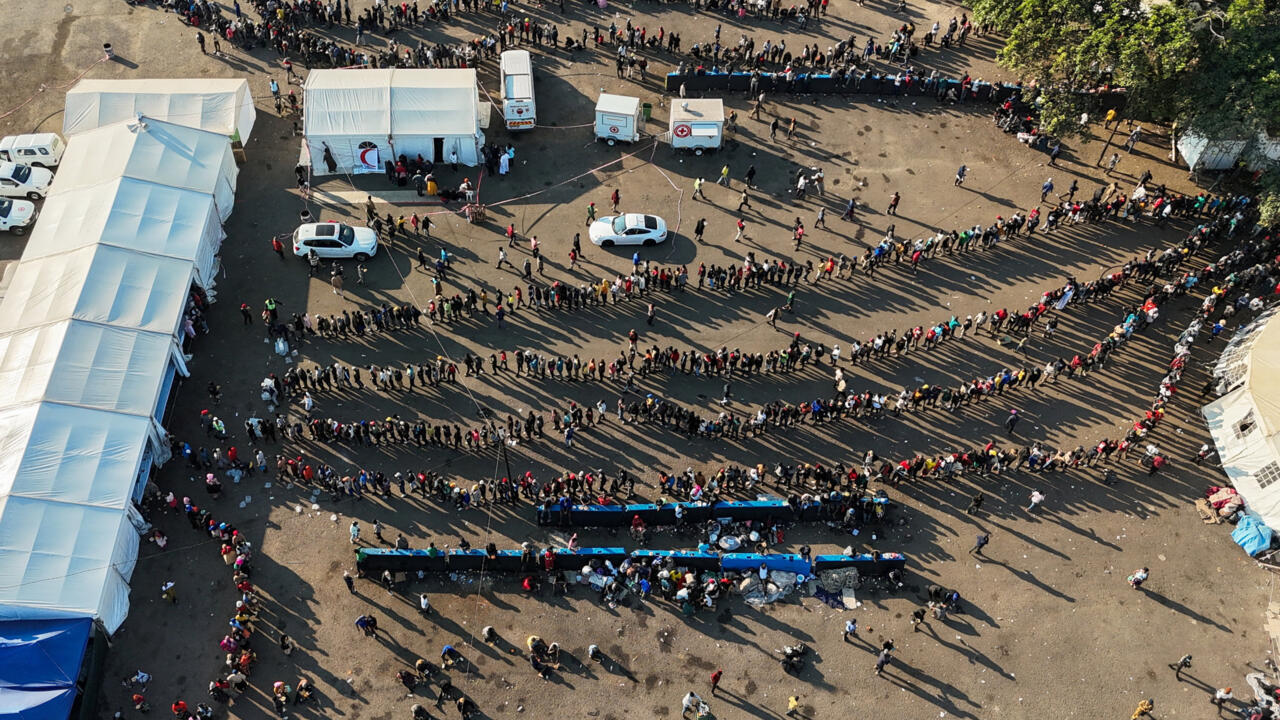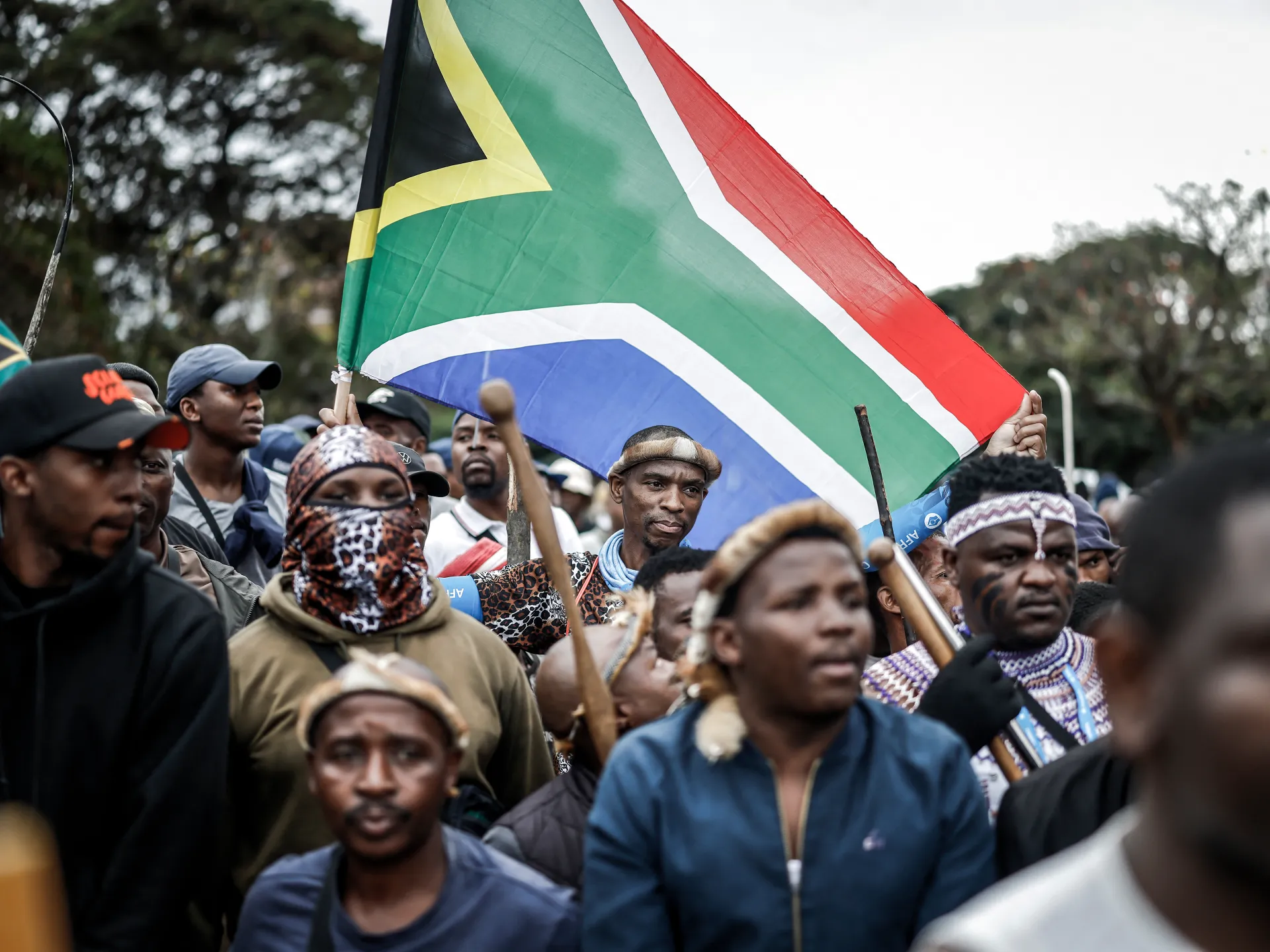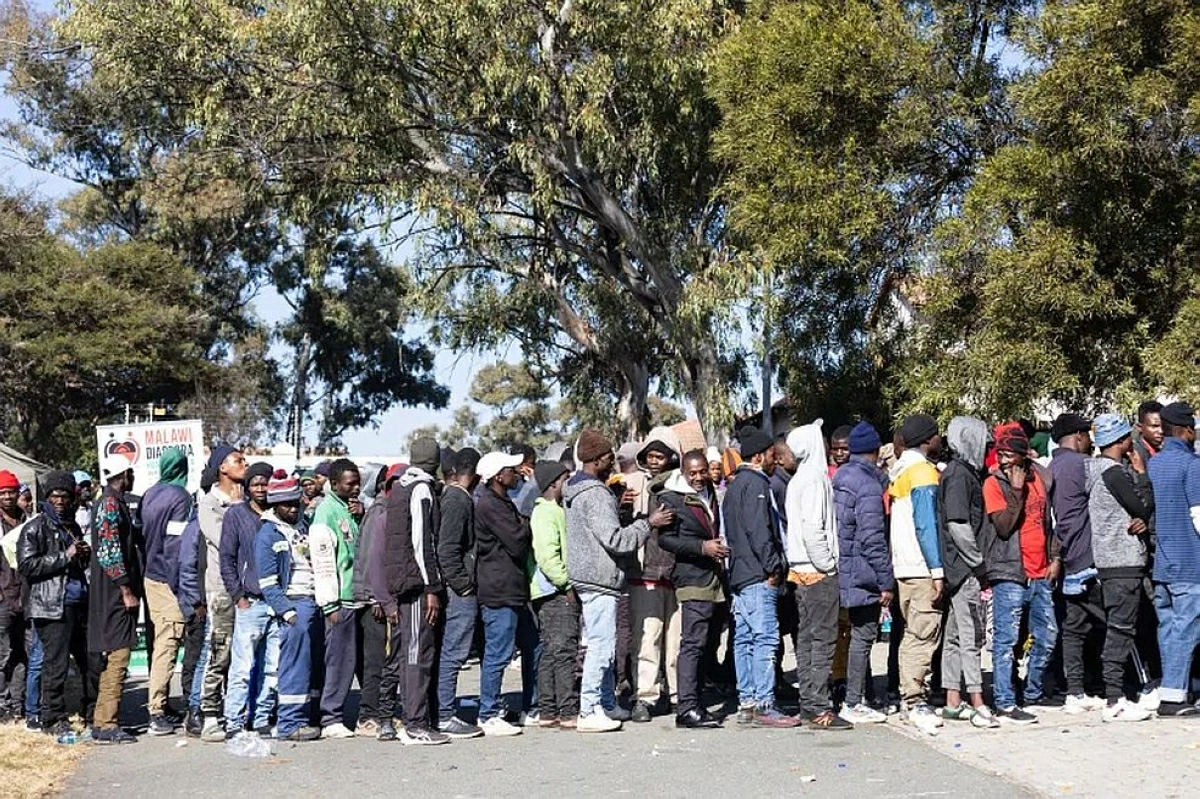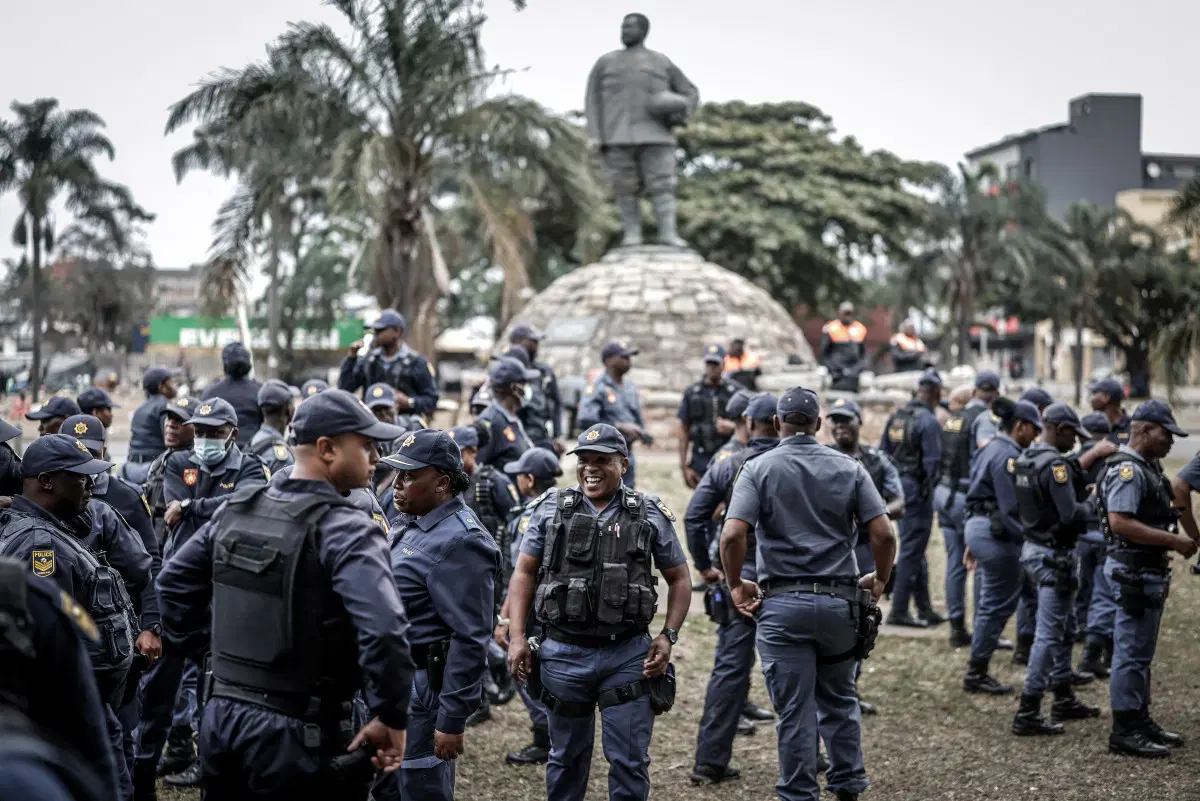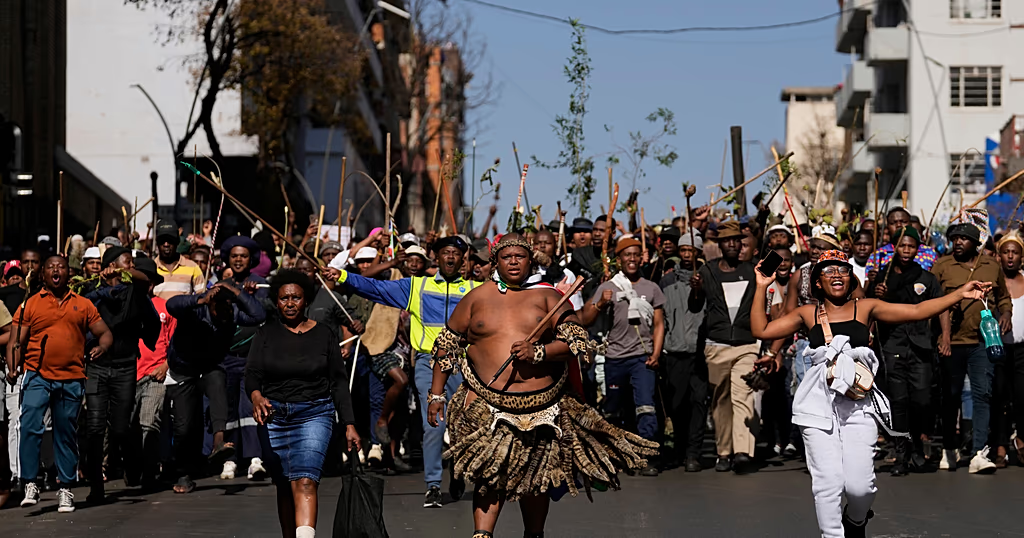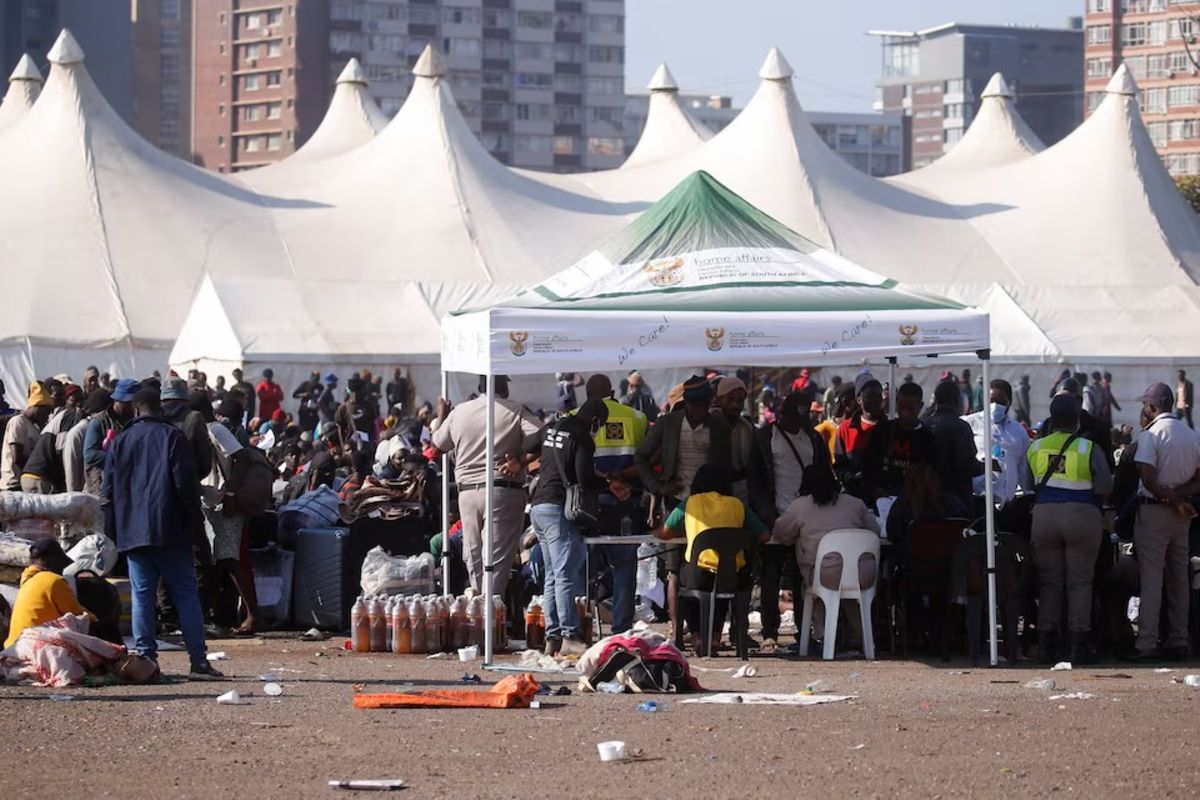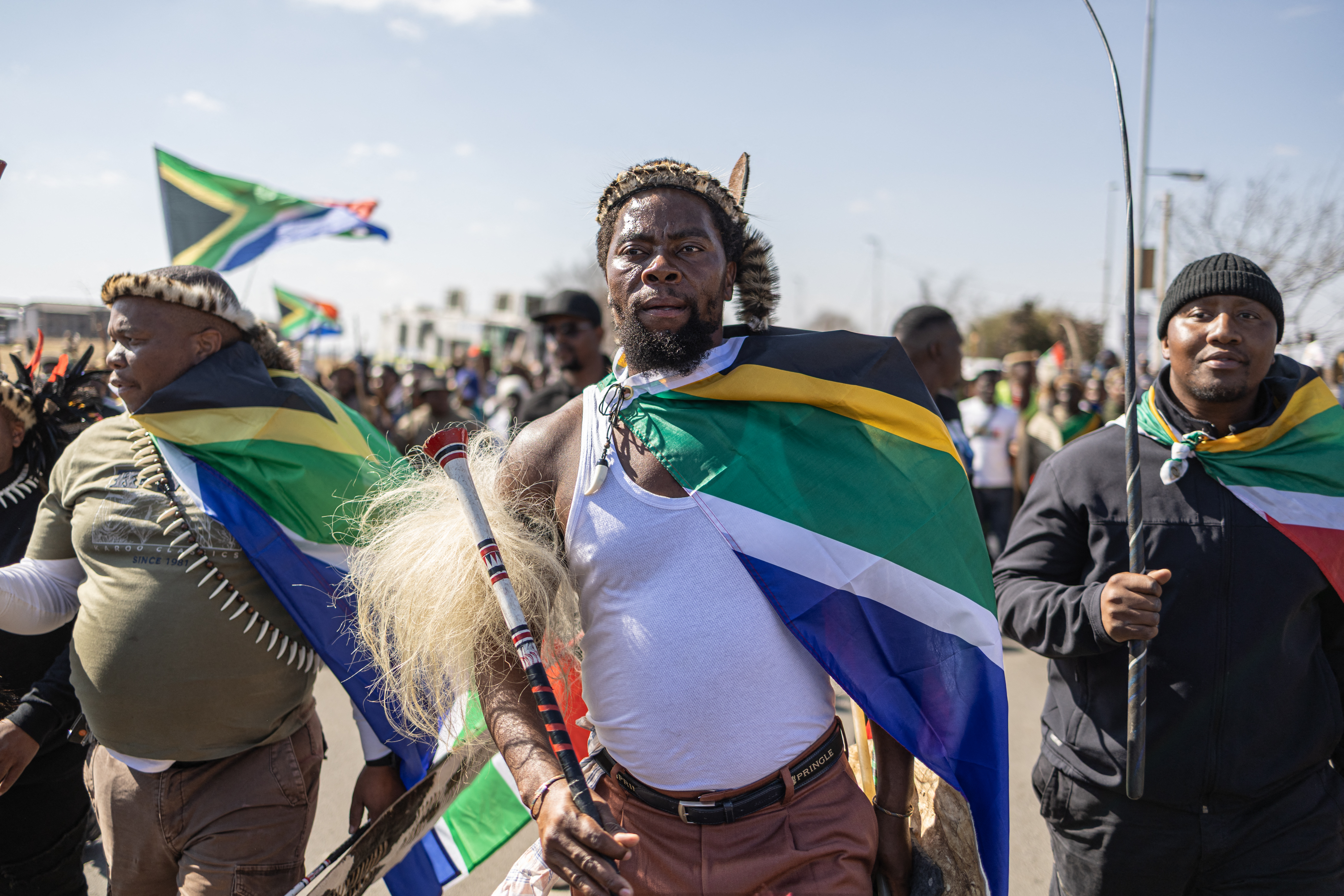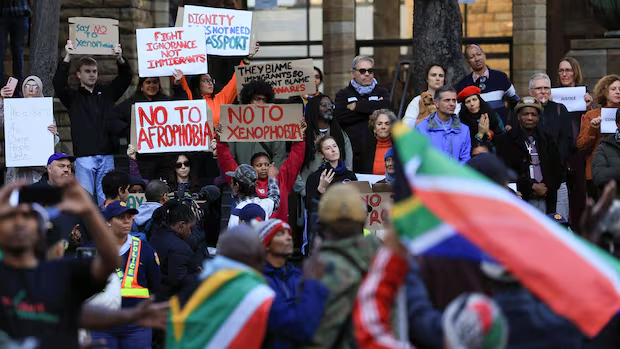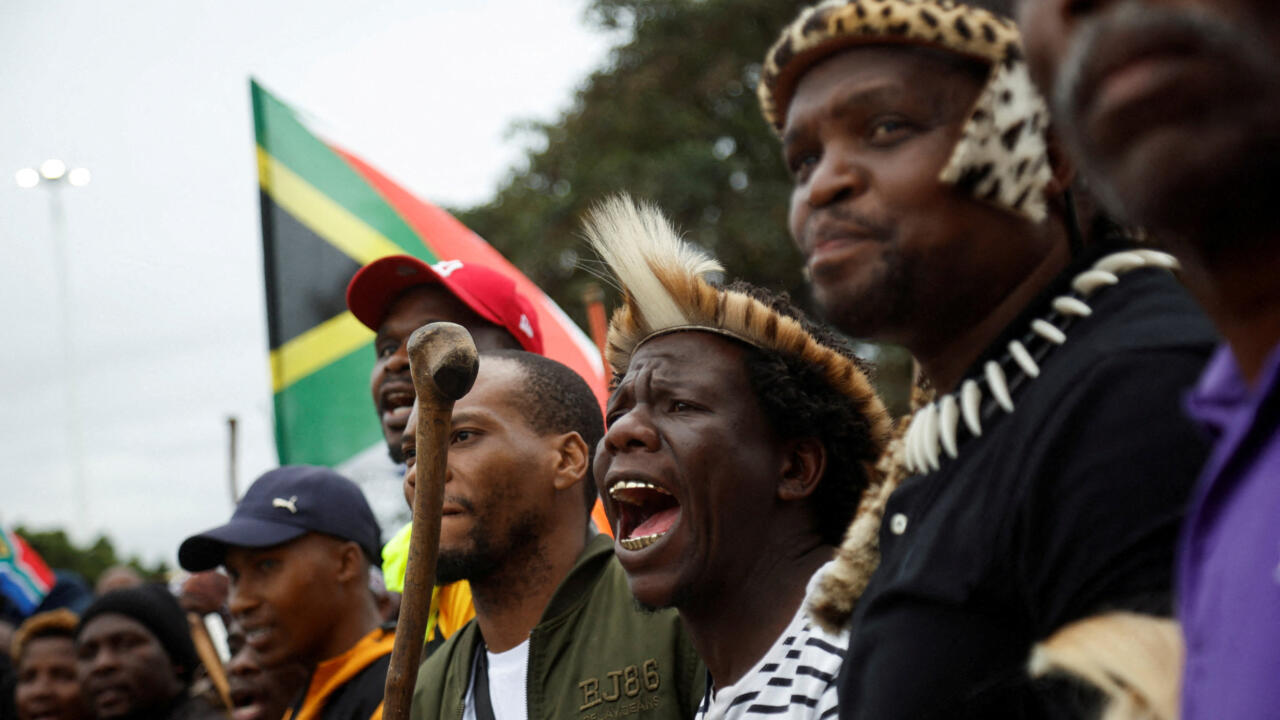
South African police deployed to head off unrest and protests on Tuesday, the unofficial deadline set by anti-immigrant groups for undocumented foreign nationals to leave that has already pushed thousands to flee. Officers were out in force to prevent violence and looting by the xenophobic groups, while hundreds of foreign nationals took refuge in several cities, urgently seeking help to leave. Read moreThousands of foreign nationals leave South Africa ahead of June 30 'deadline' Most shops stayed shuttered and the streets of downtown Johannesburg were unusually quiet, with police fanning out across the city as commuters made their way to work. The protests have been mobilised by a loose coalition of minor political parties and small citizen-led vigilante groups, which seem well organised and well resourced, analysts say, and have a strong presence on social media that includes disinformation debunked by AFP. In the southeastern city of Durban, small groups of protesters in Zulu attire, carrying sticks and shields, gathered at a park, singing and chanting "abahambe", which means "Let them go" as security forces kept watch. "I travelled a bit in Africa. All these countries are messed up and South Africa is the America of Africa," protester Selwyn Anderson told AFP. The 64-year-old pensioner claimed undocumented foreign nationals had taken over many of the country's small businesses. At least two Mozambicans, an Ethiopian and a Malawian have been killed in anti-immigrant violence over recent weeks and several African governments have organised planes or buses to repatriate their citizens. Read more‘Chased like dogs’: Anti-migrant mobs in South Africa force foreigners to flee Landlords in the main city Johannesburg and port city of Durban were evicting foreign tenants for fear of their buildings being vandalised, witnesses said. "All these people, they were chased out by their landlords," Mabako Majole, a leader of the Congolese community, said next to a crowd of 100 people sleeping on the street in downtown Durban. "All these people are legal. They have documents."
South Africa deploys police, foreigners brace for violence as anti-immigrant protests begin
Shops shuttered, workers stayed home and police fanned out across South Africa on Tuesday as fears mounted that planned anti-immigrant protests would descend into violence. Thousands of foreigners already…
866 words~4 min read